

Stop Hard Water at the Source
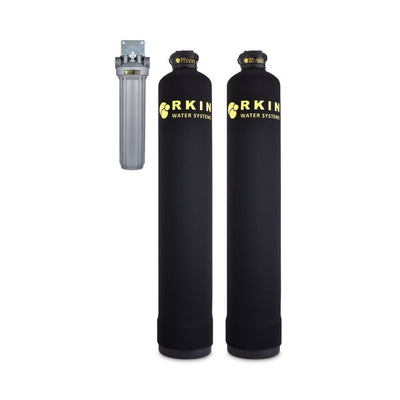
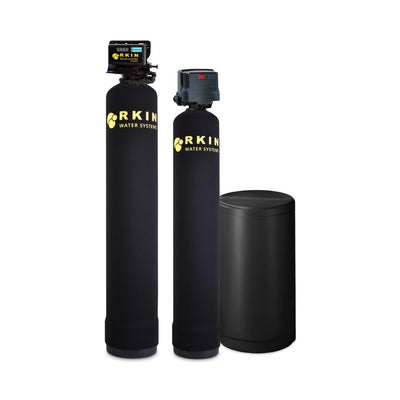
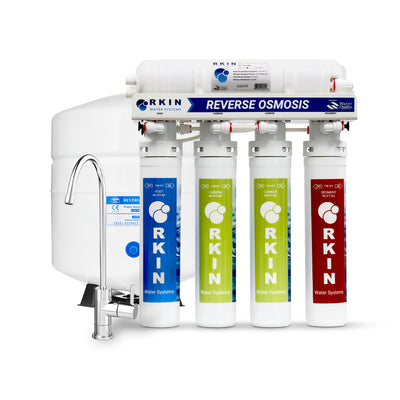
Hard water minerals, such as calcium and magnesium, create scale in pipes, stain fixtures, dry out skin and hair, and shorten the life of your water heater, dishwasher, and laundry machines. RKIN whole-house softeners and salt-free conditioners work where water enters your home, so every tap benefits. These systems are ideal for homeowners who see spots on dishes, white buildup on faucets, or feel film on their skin after a shower. RKIN focuses on reliable engineering, clear installation guidance, strong warranties, and responsive support, so you get long-term protection without the guesswork. Also on this shelf: the Whole Home Reverse Osmosis System, which filters water for the whole house rather than softening it.
What You Get
Whole-home treatment at the main line, so showers, sinks, laundry, and dishwashers all benefit.
Less scale and spotting on glass, fixtures, tile, and shower doors, so cleaning is faster and easier.
Protection for plumbing and appliances by reducing mineral buildup inside pipes, water heaters, and valves.
More comfortable showers with skin and hair that feel less dry, tight, or dull from mineral-heavy water.
Steady flow and pressure when the system is sized correctly for your home and installed on the main line.
Simple ongoing care with clear schedules for salt refills or media checks, depending on the model.
How It Works
Salt-based softeners use ion-exchange resin to replace hardness minerals (calcium and magnesium) with sodium or potassium, removing them from the water.
Salt-free conditioners change how minerals behave, making them less likely to stick to pipes and fixtures and helping reduce scale without adding salt.
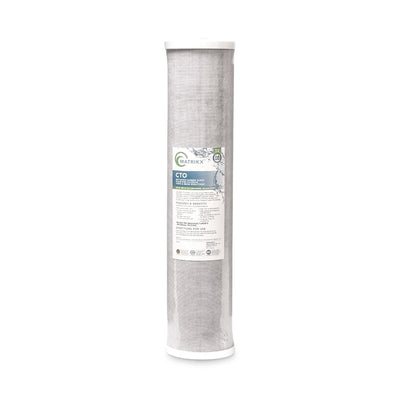
Many systems include a sediment prefilter to catch sand, rust, and fine particles before they reach the softener, protecting valves and media.
On salt-based models, a smart control valve tracks water use and regenerates the system automatically.
Optional combo systems pair softening/conditioning with additional filtration to remove chlorine taste and odor, delivering softer, better-tasting water throughout the home.
Why RKIN for Whole-Home Softening
Solutions for city and well water, with options for traditional salt-based softening or salt-free conditioning depending on your water and local rules.
Strong warranty coverage on key components, including long-term protection for tanks and control valves.
Engineered for reliability, using proven media and valves sized for real-world household flow rates.
Clear install resources, including plumbing diagrams and step-by-step guides to support DIYers and professional plumbers.
Responsive expert support by phone and email to help with choosing, sizing, setup, and troubleshooting.
Designed for long-term value, with durable components, serviceable parts, and low ongoing maintenance.
Who It Is For
Homeowners with hard water issues like scale on fixtures, spots on dishes, soap scum, stiff laundry, or dry skin and hair.
Houses on city water with known hardness or well water with high mineral content and scale buildup.
Single-family homes, townhomes, and small multi-unit properties that want one system to protect the entire plumbing loop.
Buyers who care about protecting their home investment and protecting their plumbing and appliances from scale.
Families who want more comfortable showers and easier cleaning, while lowering the total cost of ownership over time.
How to Choose in 3 Steps
Identify Your Water Issues
- Look for signs of hardness: white scale, film on shower glass, dull laundry, dry skin, or reduced flow at fixtures.
- If possible, use a home test kit or lab report to confirm hardness levels and note whether your water is city or well.
Match Your Needs to the Right System Type
- If you want maximum hardness removal and soft-feel water, choose a salt-based water softener.
- If you prefer low-maintenance, salt-free scale reduction, choose a salt-free conditioner or anti-scale system.
- For complex water (iron, sulfur, or other contaminants), plan to pair softening with appropriate filtration.
Size and Plan Installation
- Size your system based on the number of bathrooms, household size, and water hardness so you don’t lose flow or wear out the system prematurely.
- Decide between DIY installation (if you are comfortable cutting and sweating pipe or using push-fit fittings) and hiring a professional plumber.
Frequently Asked Questions
Will a water softener make my water safe to drink?
A water softener is designed to remove hardness minerals, not disinfect or remove all potential contaminants. It improves comfort, protects your plumbing, and can help with taste, but it is not a full drinking water purification system. For the best drinking water quality, many homeowners pair a softener with a drinking water filter or reverse osmosis system at the kitchen sink or as a whole-house solution.
Do I need a water softener if I already have a whole-house filter?
A whole-house filter and a water softener do different jobs. Filters focus on contaminants such as sediment, chlorine, and certain chemicals, while softeners address hardness minerals that cause scale and spotting. If you have hard water, a filter alone will not stop scale buildup; you likely need a softener or conditioner in addition to filtration.
Will a water softener reduce my water pressure?
When properly sized and installed on the main line, a whole-house softener should have little to no noticeable impact on normal water pressure. Undersized systems, clogged prefilters, or incorrect plumbing can cause pressure drops, so it's important to match the system to your home and follow installation guidelines.
Can I install a water softener myself?
Many handy homeowners can install a softener if they are comfortable working with household plumbing and follow local codes. You will need to cut into the main water line, connect the system, and provide a drain for regeneration water (for salt-based systems). If you are not experienced with plumbing, RKIN recommends working with a professional plumber to ensure a clean, leak-free install.
How often do I need to add salt or replace media?
Salt-based softeners typically need salt refills every few weeks to a few months, depending on water hardness and household usage. The resin in the tank typically lasts many years under normal conditions. Some salt-free systems use special media that are expected to last the life of the equipment, again based on water quality and flow. Always follow the maintenance schedule in your RKIN system manual.
Does this work with both city and well water?
Yes, with model-specific limits. Salt-free models: contact RKIN before installing on well water. For city water, the focus is usually on hardness and chlorine; for well water, hardness is often accompanied by iron, sulfur, or sediment, which may require additional filtration stages. Reviewing your water test results or speaking with RKIN support will help you choose the right setup.
Do I still need a separate drinking water filter if I have a softener?
Most homeowners still prefer a dedicated drinking water system. A softener is effective at protecting your home and improving comfort, but it does not remove all contaminants of concern for drinking, including many chemicals and microorganisms. Pairing your softener with a reverse osmosis or high-quality drinking water filter gives you the best of both: soft water throughout the home and highly filtered water for drinking and cooking.
Will a water softener help my water heater and appliances last longer?
Yes. By reducing or preventing scale buildup inside your water heater, dishwasher, and washing machine, a softener helps them run more efficiently and reduces wear on internal parts. Over time, this can extend appliance life and lower energy and repair costs compared to running on hard water.
Need Help Choosing a Water Softener?
Get a custom plan in 30 minutes. Talk to an RKIN water specialist—zero pressure. We’ll assess your water, compare options, and give you a clear recommendation with pricing and install fit.
What You Get:
Prefer to talk now? Call 1‑800‑803‑4551 (Mon–Fri, 9 AM–5 PM ET)


Will a water softener make my water safe to drink?