


hard water anode rod
Hard Water and Anode Rods: What Homeowners Should Know

Short answer: the anode rod protects a tank water heater from corrosion; it does not remove hardness scale. Hard water, softened water, tank temperature, and other water conditions can affect service needs, but inspection should follow the heater manufacturer's instructions.
The Anode Rod Has One Main Job
A sacrificial anode is installed so the rod corrodes before the steel tank does. It is a replaceable protection part, not a water filter. As the rod is consumed, it gives the tank less corrosion protection.
A Department of Energy water-heater meeting manual excerpt explains the anode's purpose, factors that affect depletion, inspection guidance, and the risk of operating without one. The heater's current manual remains the authority for the exact model.
Permanently removing an anode to chase an odor or noise can expose the tank to faster corrosion and may affect warranty coverage. Have a qualified plumber identify the correct rod material and service steps.
Scale and Corrosion Are Different Diagnoses
Hardness minerals can form scale on hot surfaces, elements, fixtures, and the bottom of a tank. Corrosion is the breakdown of metal. A tank can have both, but fixing one does not automatically fix the other.
White crust at fixtures, repeated kettle scale, or a hardness result points toward mineral scale. Rust-colored hot water, metallic debris, leaking, or a depleted anode points toward corrosion or tank condition. Sediment at the tank bottom can add another layer.
The broad hard-water water-heater guide covers general scale damage. This article stays with the anode inspection question.
Water Chemistry Can Change Inspection Needs
Anode life is not identical in every home. Water chemistry, temperature, usage, tank construction, anode material, and electrical conditions can all matter. Softened water can also change the conditions inside a tank, which is one reason to follow the manufacturer's inspection guidance instead of using one universal year count.
A hardness number alone cannot predict the remaining anode. A TDS reading cannot show the condition of the rod. Inspection requires access to the heater, the right tools, and safe shutdown of fuel or electricity and water pressure.
Me personally, I would put the anode question on the plumber's list during scheduled heater service instead of waiting for a leak to make the decision.
Know the Signs That Need Professional Service
Call a qualified plumber when the tank leaks, the relief valve discharges, hot water turns rusty, the heater produces a new strong odor, fittings are badly corroded, or the anode cannot be removed with ordinary service methods. Electrical or burner symptoms need the appropriate licensed professional.
Do not loosen the rod while the tank is hot or pressurized. Do not improvise clearance by bending plumbing or striking a connected tank. Some heaters have limited overhead space, integrated anodes, or model-specific parts.
- Record the heater model and serial number.
- Find the current manual and warranty terms.
- Note tank age and prior service.
- Photograph corrosion, leaks, or hot-water color.
- Ask the plumber to separate anode condition from scale and sediment findings.
Use a Water Test to Explain the Pattern
A current water test helps when equipment wears rapidly or symptoms change. City-water users can start with the utility report and a household hardness check. Private-well owners should use a certified lab and include the locally relevant measurements recommended by the lab or health department.
The EPA's private-well guidance, updated February 26, 2026, recommends testing when equipment wears rapidly and using certified laboratories. Test raw water before treatment when diagnosing the source.
The result can show whether scale control, softening, sediment control, corrosion review, or another action belongs in the plan. It cannot tell you whether an existing anode is intact without inspection.
Keep the raw-water report with the heater model and service invoice. That small record helps the next plumber see whether the water changed or only the equipment aged.
What Water Treatment Can and Cannot Do
Upstream treatment can help manage incoming hardness or particles when the water test supports it. It cannot restore tank metal already lost to corrosion, repair a leaking seam, or replace a depleted anode.
If hardness is the confirmed issue, compare whole-house options only after the heater itself is checked. A new conditioner or softener should be sized to the home's water, flow, and plumbing rather than sold as an appliance repair.
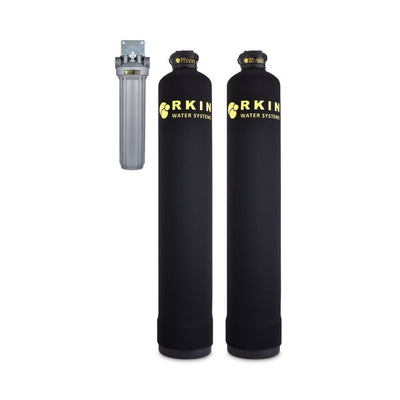
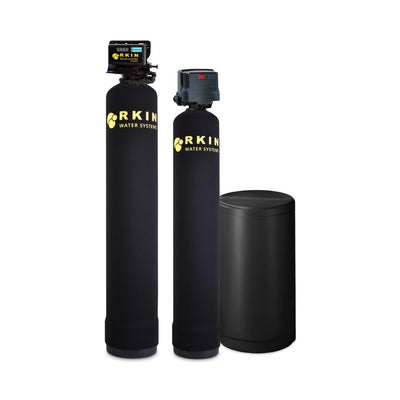
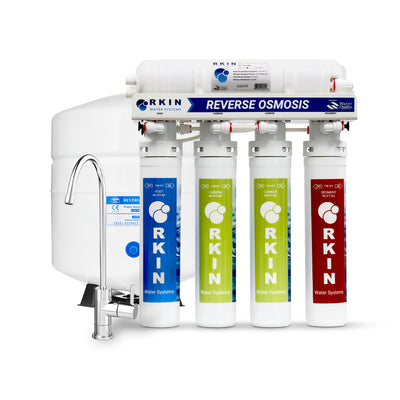
Use RKIN Whole House Water Treatment to see the equipment categories, then review the test result and heater findings with the installer.
A Practical Sequence
- Stop and call a professional for leaks, relief-valve discharge, burning smell, or electrical symptoms.
- Find the exact heater manual and warranty.
- Have the plumber inspect the tank, anode, sediment, and heating components.
- Test the untreated water when scale or rapid wear is suspected.
- Choose water treatment only for the confirmed incoming-water problem.
- Record the service date and the replacement anode used.
Anode Material and Odor Need a Model-Specific Answer
Anode rods may use different materials and designs. The correct replacement depends on the heater model, water conditions, manufacturer instructions, and the reason for service. A strong hot-water odor can lead homeowners to blame the rod, but odor can also involve the water heater, well water, bacteria, plumbing, temperature, or other treatment equipment.
Do not solve odor by permanently removing corrosion protection. Ask the plumber whether the manufacturer offers an approved alternative anode for the model and whether the tank, temperature, and water test point to another cause. The service choice should preserve the heater's safety and warranty requirements.
If the odor is only on the hot side, tell the plumber. If it is in hot and cold water, test the source and review the well or utility conditions. That simple split keeps an appliance symptom from being mistaken for a whole-house diagnosis.
Inspection Access Can Change the Service Plan
An anode may be installed at the top of the tank, combined with another fitting, or located where ceiling clearance is limited. Corrosion at the fitting can make removal difficult. A powered anode, segmented replacement, or model-specific assembly may require different tools and instructions.
Measure overhead clearance and photograph the top of the heater before the appointment. Clear stored items and make the shutoff accessible. The professional still needs to follow the model's shutdown, cooling, pressure-relief, electrical, or fuel procedures before loosening any part.
If the rod cannot be removed without stressing connected plumbing or the tank, the answer is not more force from the homeowner. The plumber can weigh the heater's age, warranty, tank condition, and replacement options.
Build a Post-Service Plan
After inspection, ask what the old rod showed, which replacement was installed, and when the manufacturer recommends the next check. Keep the part number and service date with the heater record. A photo of the removed rod can help document why the service was performed.
If the tank also has sediment or scale, ask which maintenance is appropriate and which deposits cannot be removed safely. If the heater is near the end of its expected service life, compare the cost and risk of repeated work with replacement instead of assuming an anode alone resets the tank.
If the water test shows a confirmed hardness or sediment problem, address that upstream for future protection. Then monitor the heater as an appliance, not as a substitute water-quality sensor.
Ask for Evidence, Not a Guess
A useful service summary should name the anode condition, tank condition, sediment or scale observed, replacement part, and next inspection recommendation. Ask whether the old rod was evenly consumed, coated, broken, or difficult to remove and what that observation means for this heater model.
If the recommendation includes water treatment, connect it to a current result. Hardness supports a scale-control discussion. Sediment supports a particle-control discussion. Corrosion inside an aging tank still needs an appliance decision. Keeping those findings separate prevents one service visit from turning into an unsupported equipment list.
Save the report with the model manual and warranty. If the next inspection shows faster or slower depletion, the household has a real comparison instead of a vague memory of the last rod.
The reason I am separating these checks is simple: scale treatment protects future equipment conditions, while an anode and tank diagnosis tells you what the heater needs today.
Frequently Asked Questions
Does an anode rod remove hard-water scale?
No. The anode helps protect the steel tank from corrosion. It does not remove calcium and magnesium or clean scale from the heater.
Can softened water affect an anode rod?
Water chemistry can affect anode depletion, including conditions after softening. Follow the heater manufacturer's inspection guidance for the exact model.
Can I remove the anode rod permanently?
That can leave the tank with less corrosion protection and may affect warranty coverage. Ask a qualified plumber about the correct replacement rod instead.
Does rusty hot water prove the anode is gone?
No. Rusty water can have more than one cause. A plumber should inspect the tank, plumbing, and anode rather than diagnose it from color alone.
Should I test the water before buying treatment?
Yes when scale, rapid equipment wear, or changed well water is part of the problem. Test raw water and match treatment to the confirmed result.
Separate the Heater Check From the Water Check
Find the heater manual, schedule a qualified anode and tank inspection, and get a current hardness or private-well test before choosing any whole-house water treatment.





0 comments