


private well after flooding
Well Water Smell After Heavy Rain: Test Before Treating

Short answer: a new smell, color, or taste after heavy rain is a reason to stop guessing and test the private well. The odor may be sulfur-related, but rain can also expose a well or nearby ground to surface water that needs a different response.
Heavy Rain Is Not the Same as a Flooded Well
A rainstorm can saturate soil and change groundwater conditions without covering the wellhead. A flooded well means floodwater reached or entered the well area. Both events deserve attention, but visible flooding raises the urgency and changes the cleanup steps.
The EPA's Protect Your Home's Water guidance, updated February 26, 2026, recommends testing after flooding and when odor, color, or taste changes. It also points private-well owners to certified labs and well inspection.
Do not assume an odor that disappears the next day proves the water is back to normal. Some water problems have no taste or smell, and a temporary odor can fade while the source issue remains.
Inspect the Well Area From a Safe Distance
Look for standing water around the casing, soil washed away from the well, a loose or damaged cap, cracked conduit, an exposed line, or drainage that now points toward the well. Keep vehicles, pumps, and electrical equipment away from standing water.
Also note nearby septic problems, fuel or chemical spills, animal waste, construction, and erosion. Those observations help the lab or well professional choose locally relevant tests.
Do not open a flooded well or touch wet electrical controls. A licensed well contractor should inspect damaged components and determine whether disinfection or repair is needed.
Know When to Stop Using the Water
If floodwater entered the well, the cap is damaged, the water changes suddenly, or local officials issue an advisory, follow state or local instructions for drinking, cooking, brushing teeth, bathing, and other household uses. The correct restriction depends on the event and the suspected problem.
Boiling addresses certain biological concerns when public-health guidance tells you to boil. It does not remove fuel, salts, metals, or many chemicals. Do not use boiling as a universal fix for storm-affected well water.
For actual flooding, the EPA's private-well flood response, updated June 18, 2026, covers inspection, disinfection, sampling, and testing.
Use a State-Certified Laboratory
Tell the laboratory that the change followed heavy rain or flooding. Ask for its sampling instructions and which tests the state or county recommends. Bacteria are a common starting concern, but local land use and the well event may add other measurements.
The CDC's well-testing guidance, dated July 1, 2024, recommends testing after flooding, land disturbance, well repair, or a change in taste, color, or smell and using a state-certified lab.
Label the sample location and whether any treatment equipment was bypassed. A raw-well sample and a treated-tap sample answer different questions. Follow the lab's bottle, refrigeration, and delivery instructions exactly.
Odor Is a Clue, Not the Test Result
A rotten-egg odor can involve sulfur-related conditions in the well, plumbing, treatment equipment, or water heater. An earthy odor, fuel-like smell, musty note, or metallic change points to different questions. Describe the odor without forcing it into one category.
Check whether the smell is in cold water, hot water, or both. Test an outside faucet before treatment if it is safe and the lab approves the sample point. Note whether the smell begins immediately or after water sits.
The published rotten-egg well-water guide covers the generic sulfur symptom. This page stays with the weather event and testing response.
Treatment Comes After the Source Is Known
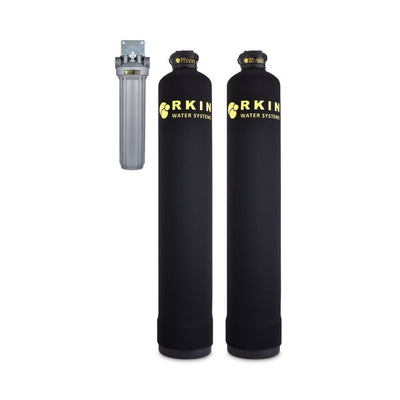
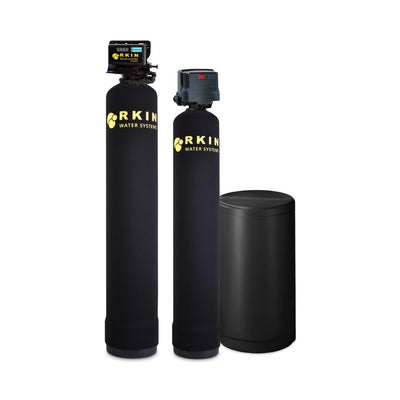
A carbon filter, iron-and-sulfur system, sediment filter, softener, ultraviolet unit, or well repair solves a different problem. Adding equipment before the test can hide symptoms without resolving the source.
If inspection shows a damaged cap or drainage problem, repair the well first. If the lab identifies bacteria or a local chemical concern, follow the well professional and public-health guidance. If the result points to iron, manganese, sulfur odor, or sediment, equipment can be selected and ordered around the confirmed water.
Retest after the repair or disinfection when the well professional or laboratory tells you to. A treatment decision based only on the pre-repair sample can describe a problem that no longer exists or miss one that remains.
Me personally, I would pay for the lab result before paying for another tank. The report narrows the decision and gives the installer something real to size.
Storm-Response Checklist
- Document rain, flooding, odor, color, taste, and timing.
- Inspect the cap, casing, drainage, and surrounding ground safely.
- Follow local restrictions when the well may be affected.
- Call a licensed well contractor for flood or component damage.
- Use a state-certified laboratory and its sampling instructions.
- Do not treat odor disappearance as proof of safety.
- Choose treatment only after the source and result are known.
Map Samples to the Plumbing
A sample before treatment describes the well and plumbing leading to that point. A kitchen sample after a softener, carbon tank, ultraviolet unit, or water heater describes a different system. Draw a simple diagram and label every device, bypass, storage tank, and sample tap.
When the odor is only hot, the water heater deserves its own review. When cold raw water smells at an outside tap, the well or source moves higher on the list. When only one faucet smells, clean and inspect that fixture before treating the whole house.
Ask the laboratory which tap to use and whether to remove aerators, disinfect the faucet, flush for a defined time, or collect the first draw. Follow its instructions instead of combining sampling methods from several websites.
Disinfection Is a Process, Not the Final Proof
After a flooded or repaired well, a professional may recommend disinfection. The chemical amount, contact time, flushing, and safety steps depend on the well and local guidance. More disinfectant is not automatically better, and household treatment equipment may need protection or separate service.
The final proof comes from follow-up sampling at the time the authority or laboratory specifies. Sampling too soon can measure the disinfection event rather than normal well conditions. Sampling too late can leave the household uncertain longer than necessary.
Keep the inspection, repair, disinfection, flushing, and sample dates in one timeline. If the follow-up result is not acceptable, the well professional needs that sequence to decide what comes next.
Reduce the Chance of a Repeat
After the immediate issue is resolved, correct drainage that sends runoff toward the well, repair a damaged cap or casing, and keep the area clear of stored chemicals and animal waste. A well professional can confirm whether the casing height and sanitary seal meet local requirements.
Add storm events and seasonal checks to the well record. A photo of the wellhead in dry weather makes it easier to see erosion or standing water after the next heavy rain. Keep the certified laboratory contact ready instead of searching while the water is already questionable.
Treatment can manage a confirmed ongoing water condition, but it should not replace a physical well repair. Protecting the source reduces the burden on every downstream filter and makes future results easier to interpret.
Keep a Well Event Record
A one-page well record should list the well depth if known, contractor, cap and casing work, pump service, treatment equipment, annual lab results, floods, heavy-rain symptoms, and disinfection dates. Attach photos of the wellhead and drainage in dry and wet conditions.
Over time, that record can show whether odor changes follow one season, one storm direction, irrigation demand, or a repair. It also gives a new well contractor information that is otherwise buried across invoices and phone notes.
Update the record even when the result is normal. A normal post-storm sample becomes a useful comparison if the next event changes the water. Good records do not replace testing; they make each test easier to interpret.
The reason I would test before treating is that a sulfur smell and storm entry can happen at the same time. One filter should not be expected to solve every possible cause.
Frequently Asked Questions
Why does well water smell different after heavy rain?
Rain can change groundwater conditions, move surface water toward the well, expose well damage, or stir existing sulfur, iron, or sediment issues. Inspect and test instead of diagnosing by odor.
Should I drink well water after flooding?
Follow state, local, and EPA flood guidance. A flooded or damaged well should be inspected, disinfected when directed, and tested before normal use resumes.
Will boiling fix storm-affected well water?
Boiling can address certain biological concerns when officials direct it, but it does not remove many chemicals, fuels, salts, or metals.
What should I test after a smell change?
Use a state-certified lab, describe the storm and odor change, and follow its recommended bacteria and locally relevant chemical panel.
Can I install an odor filter before the test?
That can mask one symptom while missing the source. Inspect the well and get the lab result before selecting treatment.
Test the Well Before Adding Equipment
Document the storm and water change, arrange a safe well inspection, and use the CDC and EPA guidance above to collect samples through a state-certified laboratory before selecting treatment.





0 comments