


can I water my lawn with softened water
Can I Water My Lawn With Softened Water? Homeowner Guide

You can water a lawn with softened water occasionally, but regular irrigation through a salt-based softener adds sodium to soil. Bypass the softener for outdoor taps when possible, especially for sodium-sensitive plants or poorly draining soil. Salt-free conditioners do not add sodium because they do not use ion exchange.
That does not mean every softener is bad for every yard. It means homeowners should know which taps are softened, whether the system uses salt, and when a bypass line makes sense. Summer irrigation uses a lot more water than drinking, bathing, or laundry, so a small plumbing detail can turn into a yard-wide issue.
Why Homeowners Ask This in Summer
Most families think about water softening inside the house: scale on faucets, spots on dishes, soap that will not rinse clean, or dry-looking residue on shower glass. Then June arrives. Sprinklers run more often, gardens need steady watering, and someone notices the outdoor faucet is connected to the same treated line as the rest of the home.
The question is simple: can I water my lawn with softened water? The best answer depends on the kind of softening system you have.
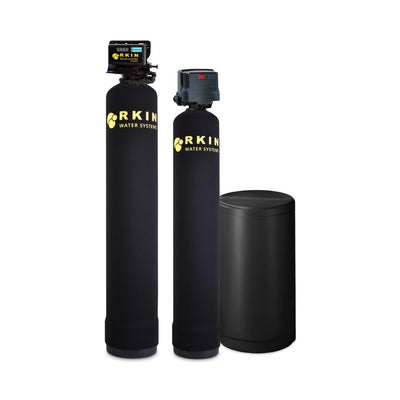
Traditional salt-based water softeners use ion exchange. They swap hardness minerals, mainly calcium and magnesium, for sodium or potassium ions. That exchange helps reduce scale inside plumbing and appliances. The tradeoff is that the treated water is no longer the same as the source water your turf, shrubs, and soil biology would normally receive.
Soil and plants respond to salinity differently than pipes do. Penn State Extension explains that irrigation water quality for turfgrass should be evaluated for salinity and sodium hazard, because those factors can affect soil structure and plant water uptake. University of Georgia Extension makes the same point for irrigation broadly: salts and sodium in water can build up in soil when drainage, rainfall, and soil type do not flush them away.
One or two accidental watering sessions are not usually the concern. The issue is routine summer irrigation through a softened line, especially in dry periods when sprinklers run often and rain does less natural flushing.
What Softened Water Can Do to Grass and Soil
Grass needs water, but it does not need extra sodium. In soil, sodium can compete with calcium and magnesium and may contribute to poorer soil structure over time. When soil structure declines, water can have a harder time moving through the root zone. The lawn may then look dry even when you are watering.
The risk is higher when several factors stack together:
- Your home uses a salt-based ion-exchange softener.
- Outdoor hose bibs or irrigation lines are plumbed after the softener.
- The lawn receives frequent irrigation during hot weather.
- Your soil drains slowly or already has salinity concerns.
- Rainfall is low enough that salts are not naturally rinsed through the soil.
UC IPM notes that turf irrigation should be based on plant need, soil type, and weather rather than a fixed daily habit. That matters here because overwatering with softened water can make two problems worse at once: added sodium and poor water efficiency.
There is also a practical cost issue. Outdoor watering can use a large volume of water. Sending all of that water through a salt-based softener can make the softener regenerate more often, use more salt or potassium, and put extra wear on a system that does not need to treat irrigation water in the first place.
For many homes, the best setup is simple: treat indoor water where hardness creates scale and comfort problems, but keep irrigation and hose bibs on untreated source water unless there is a specific reason to do otherwise.
What Does Not Work
A common workaround is to assume that if the grass still looks green, softened water must be fine. That is too short-term. Sodium buildup can be gradual, and turf stress often appears only after heat, drought, mowing stress, or compacted soil piles on.
Another mistake is watering more. If sodium is affecting soil structure or the lawn is being watered at the wrong time of day, extra water may not fix the root issue. It can waste water and increase runoff.
Some homeowners try to solve the problem by switching from sodium chloride to potassium chloride in a salt-based softener. Potassium can be a better fit for some plant concerns, but it is still a regenerant used by the same ion-exchange process. It also may not be right for every household or every system. If you are considering that switch, check your softener manual and talk with a water treatment professional.
The cleanest fix is usually plumbing, not guesswork. Identify which outdoor taps are softened. If they are, use the bypass during heavy irrigation or have a plumber route irrigation before the softener.
Better Ways to Manage Hard Water and Irrigation
Start with a quick map of your water lines. Find the softener, locate the bypass valve, and test whether outdoor spigots are before or after the softener. You can use a simple hardness test strip on water from an indoor sink and an outdoor hose. If both test the same after the softener is active, the hose may be receiving treated water.
Next, separate use cases:
- Indoor fixtures benefit from hardness control because scale can collect in plumbing, water heaters, dishwashers, faucets, and shower glass.
- Outdoor irrigation usually does not need salt-based softening.
- Pools, gardens, and lawns may need separate water-quality thinking depending on local conditions.
If your home has very hard water but you want to avoid sending sodium-added water across the yard, ask whether a salt-free conditioner is a better fit for your goals. Salt-free conditioners do not use ion exchange and do not add sodium as part of a regeneration cycle. They are designed to condition hardness minerals so they are less likely to form stubborn scale on surfaces.
That distinction matters. Salt-free conditioning is not the same as salt-based softening. If your main concern is slippery soft-water feel or removing hardness minerals from the water, a salt-based system is the classic route. If your main concern is scale control without salt use, regeneration water, or sodium exchange, salt-free conditioning may be a better match.
For lawns, the best practice is still to irrigate based on turf need. Water deeply and less often where local rules and soil allow, avoid midday watering, and adjust sprinklers after rain. A water treatment system should support the house, not make yard care more complicated.
Where RKIN Fits
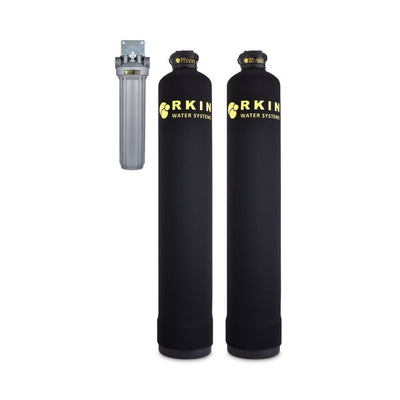
The RKIN OnliSoft Salt-Free Water Conditioner is designed for homeowners who want whole-house scale control without salt, electricity, or a drain line. Because it is a salt-free conditioner, it does not add sodium through an ion-exchange regeneration process.
For homes that also want whole-house carbon filtration, the RKIN OnliSoft Pro Salt-Free + Carbon Combo pairs salt-free scale control with carbon filtration in one whole-house approach. That can be a natural fit for homeowners who care about showers, fixtures, laundry, and overall household water quality while avoiding a salt-based softener setup.
If you already have a salt-based water softener, the answer is not always to replace it. Many homes simply need the irrigation line moved before the softener or a bypass routine for watering days. The right choice depends on your source water, plumbing layout, and what you want the system to solve.
How to Check Your Home This Week
Use this quick homeowner checklist before the hottest part of summer:
- Locate the water treatment system and bypass valve.
- Test hardness at an indoor tap and an outdoor hose bib.
- Check whether sprinkler zones run from softened water.
- Ask your plumber whether outdoor lines can be routed before the softener.
- Review irrigation timing and frequency for your grass type and local watering rules.
- If you want scale control without salt, compare salt-free conditioning options.
Do not ignore your local soil and water. Extension offices often publish region-specific irrigation guidance because clay soil, sandy soil, rainfall, drought rules, and turf type all change the answer.
Frequently Asked Questions
Can I water my lawn with softened water once?
One accidental watering is not usually the issue. The concern is repeated irrigation with water from a salt-based softener, especially during hot, dry weather when sprinklers run often and rain does not flush salts through the soil.
Is softened water bad for grass?
Softened water from a salt-based ion-exchange system can add sodium to irrigation water. Over time, sodium may contribute to soil and turf stress in some conditions. The risk depends on soil type, drainage, rainfall, source water, and how often you irrigate.
Should outdoor faucets bypass the water softener?
In many homes, yes. Outdoor hose bibs and irrigation lines are often best routed before a salt-based softener. That avoids treating high-volume irrigation water and keeps sodium-added softened water off the lawn and garden.
Is salt-free conditioning different from softened water?
Yes. A salt-free conditioner does not remove hardness minerals through ion exchange and does not add sodium as part of a regeneration cycle. It is built for scale control, not for producing the classic salt-softened water feel.
What RKIN system should I consider if I want scale control without salt?
The RKIN OnliSoft Salt-Free Water Conditioner is designed for whole-house scale control without salt. If you also want carbon filtration, the RKIN OnliSoft Pro Salt-Free + Carbon Combo combines both approaches.
Ready to Protect Your Home and Yard?
Hard water can be frustrating indoors, but your lawn does not need to become part of the solution. Check whether your outdoor taps bypass a salt-based softener, then choose a water treatment setup that matches how your home actually uses water.
Explore the RKIN OnliSoft Salt-Free Water Conditioner for salt-free whole-house scale control.





0 comentarios