


fridge water tastes different from RO
¿El agua del refrigerador sabe distinta a la de ósmosis inversa? Qué revisar

Respuesta corta: el agua de su refrigerador, el agua del fregadero y la máquina de hielo pueden no estar usando la misma línea de agua. Una cocina puede tener ósmosis inversa en el fregadero mientras el refrigerador sigue alimentado con agua del grifo, agua ablandada o un cartucho básico de refrigerador.
Por eso un vaso puede tener un sabor limpio mientras el hielo sabe insípido, salado, a cloro o a viejo. El agua no cambió de opinión. Cambió el recorrido de la plomería. En agosto, cuando las familias usan más hielo y rellenan más botellas, este pequeño problema de conexión de líneas se nota rápido.
Por qué el agua del refrigerador puede saber distinta al agua de RO
Un sistema de ósmosis inversa para agua potable suele tratar el agua en un solo punto de uso. Si está instalado bajo el fregadero, puede alimentar un grifo exclusivo junto al grifo principal de la cocina. A menos que una línea separada vaya de ese sistema de RO al refrigerador, el refrigerador no recibe automáticamente agua de RO.
Eso sorprende a los propietarios porque el refrigerador está a solo unos pies de distancia. Pero la línea del refrigerador a menudo está conectada al suministro de agua fría detrás del gabinete, debajo del fregadero o en la pared. Puede que nunca pase por la membrana de RO. En cambio, puede pasar por el propio cartucho del refrigerador. Puede pasar primero por un ablandador de agua si la casa tiene agua ablandada en la línea de agua fría.
La Water Quality Association explica la ósmosis inversa como un proceso basado en la presión que hace pasar el agua a través de una membrana semipermeable. Si la línea del refrigerador no pasa físicamente por ese proceso, el refrigerador está recibiendo un agua diferente a la del grifo de RO.
Así que la primera regla es simple: siga la línea, no la suposición. La etiqueta del filtro bajo el fregadero no le dice qué recibe el refrigerador.
Los tres recorridos más comunes del agua del refrigerador
La mayoría de los hogares entran en uno de tres recorridos.
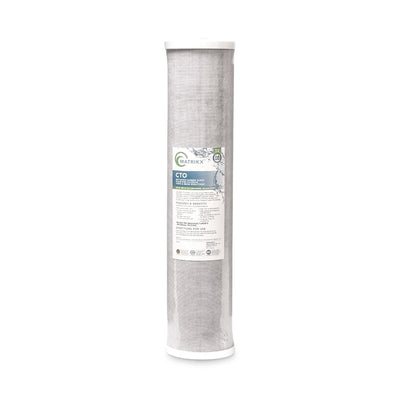
- Agua del grifo al cartucho del refrigerador: El refrigerador recibe agua de la ciudad o de pozo, y luego el cartucho integrado puede reducir ciertos sabores, olores o sustancias certificadas, según el filtro.
- Agua ablandada al cartucho del refrigerador: El refrigerador recibe el agua después de un ablandador para toda la casa. Esto puede reducir los síntomas de la dureza, pero no es lo mismo que la ósmosis inversa.
- Agua de RO a la línea del refrigerador: Una línea separada conecta el sistema de RO al refrigerador. Esto puede funcionar en algunos hogares, pero importan la presión, la distancia, la tubería y los requisitos del electrodoméstico.
Esos recorridos pueden hacer que el agua sepa distinta por razones legítimas. Los cartuchos de carbón pueden reducir el sabor a cloro, pero es posible que no reduzcan los sólidos disueltos como puede hacerlo la RO. El agua ablandada puede sentirse diferente porque los minerales de la dureza se han intercambiado. El agua de RO puede tener un sabor más ligero porque se han reducido muchos iones disueltos.
Si el hielo sabe distinto al agua del grifo de RO del fregadero, no empiece por reemplazar todos los filtros de la casa. Empiece por identificar cuál de estos tres recorridos tiene.
Lo que los filtros de refrigerador suelen hacer bien
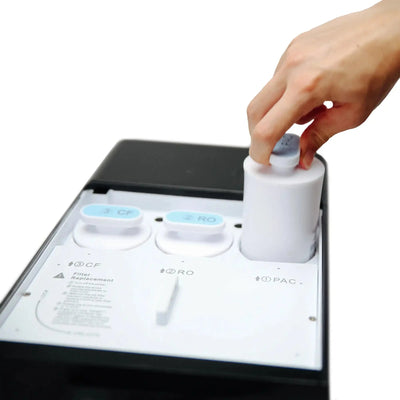
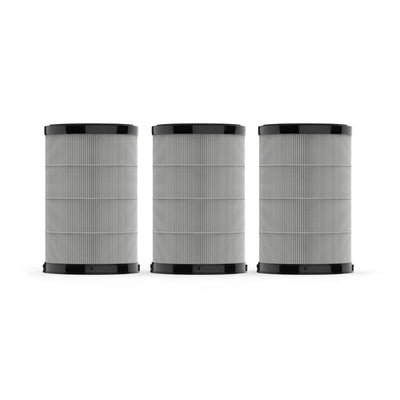
Un filtro de refrigerador puede ser útil cuando el problema es limitado. Si el agua sabe a cloro, huele a viejo al salir del dispensador o absorbe olores del refrigerador, un cartucho nuevo y un depósito de hielo limpio pueden ayudar. Muchos filtros de refrigerador están diseñados en torno al sabor, el olor, el cloro y ciertas afirmaciones certificadas.
Eso no los hace iguales a la ósmosis inversa. La hoja informativa sobre filtros de agua de 2024 de la EPA indica a los propietarios que elijan la tecnología del filtro según las sustancias que desean reducir. La palabra “filtro” no basta. Importan la etiqueta, los datos de las pruebas y la tecnología.
Además, un cartucho de refrigerador solo trata el agua que pasa por el electrodoméstico. No trata el grifo de la cocina, la cafetera, el agua para llenar ollas, el agua del baño ni el agua para cocinar, a menos que saque toda esa agua del dispensador del refrigerador.
Eso está bien si el refrigerador es el único problema. No es suficiente si la preocupación es el agua para beber y cocinar de toda la casa.
Cuándo la ósmosis inversa debe ir en el fregadero
La ósmosis inversa suele ir en el fregadero cuando el objetivo es mejorar el agua para beber y cocinar. El fregadero de la cocina es donde la gente llena ollas, prepara café, enjuaga frutas y verduras, mezcla bebidas y rellena botellas. Es el punto de agua potable de mayor uso en la mayoría de los hogares.
Si tiene agua de la ciudad, empiece por su Informe de Confianza del Consumidor. La EPA explica los Informes de Confianza del Consumidor como informes anuales sobre la calidad del agua de los sistemas comunitarios de agua, que enumeran los contaminantes detectados y la información de cumplimiento. Si tiene un pozo privado, la página de la EPA sobre pozos privados recuerda a los propietarios que los análisis y el mantenimiento son responsabilidad del dueño.
Esas fuentes le ayudan a decidir si su preocupación es el sabor a cloro, la dureza, los sedimentos, los PFAS, el plomo, el arsénico, el fluoruro, los nitratos, los TDS u otra cosa. Un cartucho de refrigerador podría bastar para el sabor. La RO puede ser la mejor opción cuando la preocupación por el agua potable incluye sustancias disueltas o una etapa amplia de reducción en el punto de uso.
El refrigerador puede formar parte de la instalación más adelante. Solo no deje que la línea del refrigerador tome la decisión sobre el agua de toda la cocina.
¿Qué pasa con las máquinas de hielo y el agua de RO?
Conectar el agua de RO a una máquina de hielo puede ser una instalación limpia cuando el sistema, el refrigerador y la plomería lo permiten. También puede volverse molesto si la presión no es la adecuada, el tramo es demasiado largo, el tanque de almacenamiento es demasiado pequeño o el manual del electrodoméstico indica no usar ese tipo de suministro.
Los sistemas de RO suelen usar un tanque de almacenamiento o un depósito. Las máquinas de hielo se llenan en pequeñas cantidades a lo largo del día. Si la línea es larga o la presión es baja, la máquina de hielo puede llenarse lentamente, hacer cubos más pequeños o funcionar de forma irregular. Algunos refrigeradores también dependen de un rango determinado de presión de entrada. Esa es una cuestión del electrodoméstico, no solo del filtro de agua.
También hay una cuestión de mantenimiento. Una línea de refrigerador detrás del electrodoméstico puede quedar olvidada. Si conecta la RO al refrigerador, use tubería apta para agua potable, mantenga el recorrido simple y siga tanto las instrucciones del sistema de RO como el manual del refrigerador.
En mi casa, primero resolvería el agua del fregadero. Luego conectaría el refrigerador solo si el electrodoméstico y la instalación de RO lo convierten en un recorrido compatible y fácil de mantener.
El agua ablandada no es lo mismo que el agua de RO
Un ablandador de agua y un sistema de RO resuelven problemas diferentes. Un ablandador suele instalarse por la dureza. Ayuda a reducir los síntomas del sarro al intercambiar los minerales de la dureza. La RO usa una membrana para el agua potable y puede reducir muchas sustancias disueltas en el punto de uso.
Esa distinción importa con el agua y el hielo del refrigerador. Si el refrigerador se alimenta con agua ablandada, el hielo puede dejar menos manchas o menos sarro que el agua dura del grifo. Pero aún puede saber distinto al agua de RO porque no ha pasado por la membrana de RO. Un ablandador tampoco hace innecesario el cartucho del refrigerador. Cambia una parte de la química del agua antes del electrodoméstico.
Si usa potasio en lugar de sodio en un ablandador, el sabor aún puede ser distinto al de la RO. El punto principal sigue siendo el mismo: el agua ablandada, el agua filtrada por el refrigerador y el agua de RO son tres caminos diferentes.
Para síntomas en toda la casa, como sarro por agua dura, sedimentos en varios grifos o sabor y olor en todos los grifos, considere el tratamiento de agua para toda la casa. Para el agua de beber y cocinar, considere primero la RO en el punto de uso.
Cómo encaja RKIN en la decisión
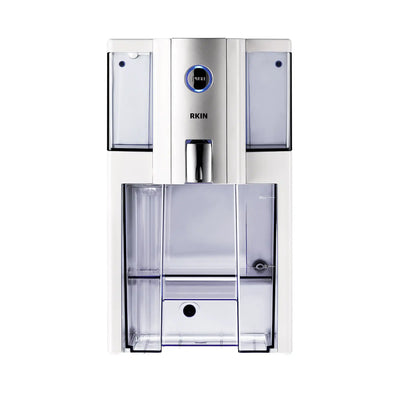
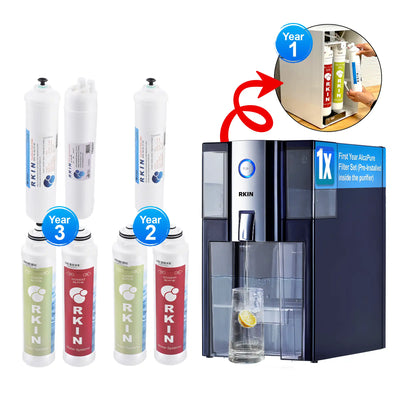
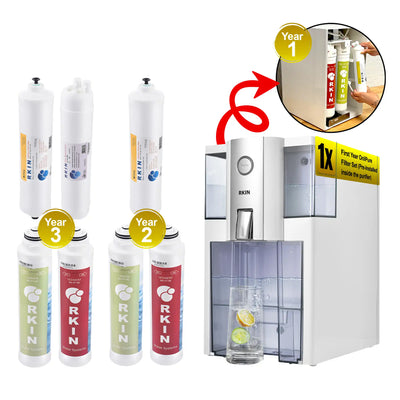
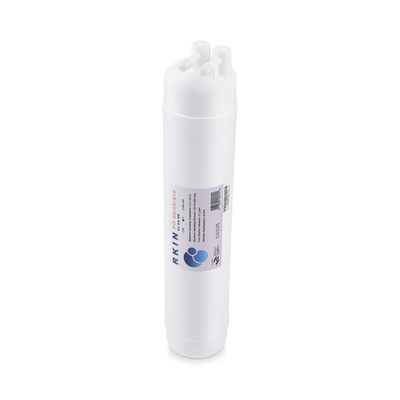
El filtro de agua de ósmosis inversa de encimera RKIN Zero Installation Purifier está diseñado para hogares que quieren agua potable de RO sin atar la decisión a la plomería del refrigerador. Se coloca sobre la encimera y no requiere una instalación permanente bajo el fregadero, lo que lo hace muy adecuado para inquilinos, apartamentos, oficinas y cocinas donde no quiera modificar la línea del refrigerador.
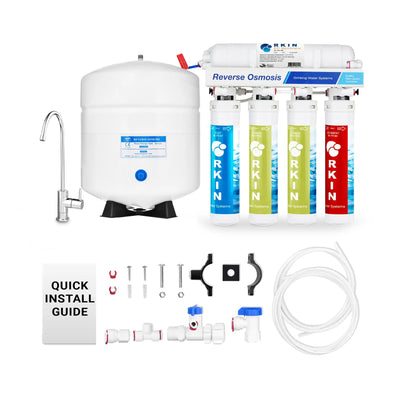
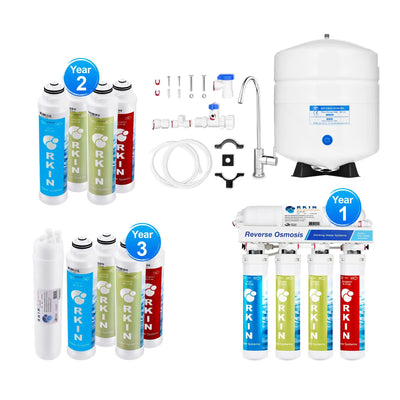
Si es dueño de la casa y quiere un grifo de RO exclusivo, el sistema de RO bajo el fregadero RKIN Flash es la opción bajo el fregadero. Se conecta debajo del fregadero y usa un tanque de almacenamiento compacto de 3.2 galones para el agua potable filtrada.
Ninguno de los dos productos resuelve automáticamente una máquina de hielo en una línea separada. El sistema proporciona la opción de agua potable; la conexión del refrigerador sigue siendo una decisión aparte de plomería y del electrodoméstico.
Una revisión de cinco minutos del agua del refrigerador
Antes de comprar nada, haga esta revisión rápida.
- Compare muestras: Pruebe el agua del grifo de RO, del grifo principal de la cocina, del dispensador del refrigerador y de hielo fresco derretido en un vaso limpio.
- Revise la antigüedad del filtro: Reemplace y purgue el cartucho del refrigerador si ya pasó su fecha de cambio.
- Limpie el depósito de hielo: El hielo viejo puede absorber olores del congelador y hacer que el agua buena sepa mal.
- Siga la línea: Mire debajo del fregadero y detrás del refrigerador para ver si realmente hay una línea que va del sistema de RO al refrigerador.
- Lea el informe: Consiga el informe de agua de su ciudad o el análisis de su pozo para saber si la preocupación es el sabor, la dureza, los sedimentos o una sustancia específica.
Esa secuencia evita que el problema se haga más grande de lo que es. A veces la solución es un cartucho de refrigerador y un depósito limpio. A veces el refrigerador está revelando que la casa necesita un mejor plan para el agua potable.
Preguntas frecuentes
¿Por qué el agua de mi refrigerador sabe distinta al agua de RO?
Es posible que su refrigerador no esté conectado al sistema de RO. Puede recibir agua del grifo, agua ablandada o agua filtrada solo por el cartucho del refrigerador. Siga la línea de suministro y compare muestras del grifo de RO, del grifo de la cocina, del dispensador del refrigerador y de hielo derretido.
¿Mi máquina de hielo usa automáticamente agua de ósmosis inversa?
No. Una máquina de hielo usa la línea que alimente al refrigerador, sea cual sea. Si no hay una línea separada que vaya del sistema de RO al refrigerador, probablemente la máquina de hielo no está usando agua de RO. Revise el recorrido de la plomería antes de suponer que el refrigerador y el fregadero comparten la misma agua tratada.
¿Puedo conectar agua de RO a la máquina de hielo del refrigerador?
A veces, si el sistema de RO, el refrigerador, la tubería, la presión y el manual del electrodoméstico permiten esa instalación. Un instalador calificado puede confirmar si el tramo es práctico. Si la instalación no está clara, mantenga la RO como fuente de agua potable y trate la integración con el refrigerador como un proyecto aparte.
¿El agua ablandada es buena para el hielo del refrigerador?
El agua ablandada puede reducir el sarro relacionado con la dureza, pero no es lo mismo que el agua de RO. Aún puede saber distinta a la de RO porque no ha pasado por una membrana. Si el sabor es el problema principal, revise también el cartucho del refrigerador, el depósito de hielo y el agua de origen.
¿Debo filtrar primero el refrigerador o el fregadero?
Empiece por el fregadero si la preocupación es el agua para beber y cocinar de toda la cocina. Empiece por el refrigerador si el único problema es el sabor del dispensador o el olor del hielo. Si el mismo problema aparece en varios grifos, mire más allá del refrigerador y analice el agua de origen.
¿Listo para corregir el recorrido del agua?
Si el agua de su refrigerador sabe distinta al agua de RO, no adivine. Confirme qué línea alimenta al refrigerador, limpie el recorrido del hielo y luego elija la opción de tratamiento de agua que corresponda a cómo su hogar realmente bebe agua.
Empiece con el filtro de agua de ósmosis inversa de encimera RKIN Zero Installation Purifier para tener agua potable de RO sin plomería, o elija el sistema de RO bajo el fregadero RKIN Flash si quiere un grifo exclusivo bajo el fregadero.




0 comentarios