


apartment water filter no installation
Filtro de agua temporal para mudanzas de apartamento: guía 2026

Para un apartamento temporal, elija el tratamiento menos permanente que se ajuste a la preocupación sobre el agua y a las reglas del contrato de arrendamiento. Comience con el informe del agua o el resultado de la prueba y luego compare las opciones portátiles con tanque de recarga, las jarras y las opciones de grifo aprobadas según su rendimiento documentado, el mantenimiento, el espacio y el esfuerzo al mudarse.
Eso importa más en 2026 porque las preguntas sobre el agua son cada vez más específicas. La EPA finalizó normas nacionales de agua potable para varios compuestos PFAS en 2024, y los inquilinos se hacen una pregunta práctica: ¿cómo mejorar el agua potable diaria cuando la plomería no es suya?
Por qué una vivienda temporal cambia la decisión sobre el filtro de agua
La mayoría de las guías de filtros de agua suponen que usted es dueño de la vivienda, que puede modificar el gabinete del fregadero y que planea quedarse el tiempo suficiente para justificar una instalación permanente. Los apartamentos temporales son diferentes.
Es posible que no le permitan perforar un orificio para un grifo. Es posible que no quiera tocar la línea de agua fría. Su contrato de arrendamiento puede exigir que la unidad luzca exactamente igual cuando se mude. Si está en una vivienda corporativa, un apartamento universitario, un alquiler de temporada o una reubicación familiar a corto plazo, el filtro tiene que resolver el problema del agua sin crear un problema con el arrendador.
El otro tema es el tiempo. Una estadía de cuatro meses es lo bastante larga como para que importen el sabor, el olor, las salidas a comprar agua embotellada y el agua para cocinar a diario. Es demasiado corta para arriesgarse con una instalación complicada que puede no servir en el siguiente lugar.
Por eso, el mejor filtro de agua para un apartamento temporal no siempre es el más pequeño. Es el que es reversible, fácil de trasladar y adecuado para el agua específica que usted más bebe.
Lo que la mayoría de la gente prueba primero
La primera opción suele ser un filtro de jarra. Puede estar bien para el sabor, para guardar en el refrigerador y para un uso ligero. La desventaja es la capacidad. Si dos adultos cocinan, llenan botellas y preparan café todos los días, una jarra puede convertirse rápidamente en una tarea constante de rellenado.
La segunda opción es el agua embotellada. Parece sencillo hasta que está subiendo cajas por las escaleras, haciendo espacio en una cocina pequeña y tirando más plástico del que esperaba. Tampoco ayuda con el agua para cocinar, a menos que esté dispuesto a verter agua embotellada en cada olla, hervidor y cafetera.
La tercera opción es un filtro montado en el grifo. Puede funcionar en algunos apartamentos, pero depende de la forma del grifo, del ajuste del adaptador, del espacio libre del fregadero y de si el rociador o el cabezal extraíble del grifo admite un accesorio. Muchos apartamentos más nuevos usan diseños de grifo que no se llevan bien con los filtros de sujeción.
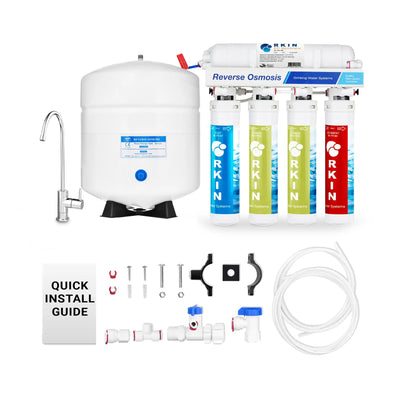
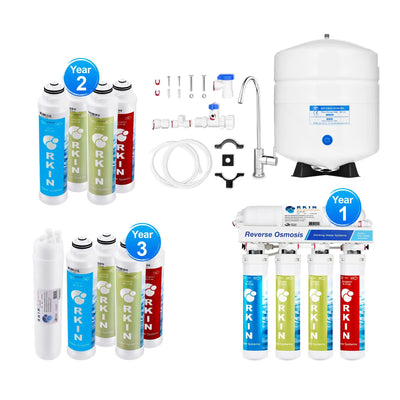
La cuarta opción es un sistema de ósmosis inversa bajo el fregadero. La ósmosis inversa es una tecnología sólida para el agua potable, pero un sistema permanente bajo el fregadero no suele ser la primera opción adecuada para un apartamento temporal, porque puede requerir un orificio para el grifo, una conexión de drenaje, espacio para el tanque y la aprobación del arrendador.
Qué buscar en un filtro para un apartamento temporal
Empiece por sus limitaciones antes de comprar. Una buena solución temporal debe cumplir cinco requisitos.
Primero, no debe requerir ningún cambio permanente en la plomería. Si necesita un taladro, una válvula de montura, una abrazadera de drenaje o un orificio en la encimera, probablemente no sea lo bastante temporal para un contrato de arrendamiento corto.
Segundo, debe ser fácil de empacar. Si el sistema no puede trasladarse a su próxima cocina sin un plomero, está comprando para una dirección en lugar de para su vida real.
Tercero, debe cubrir el volumen diario. Un filtro que técnicamente funciona pero no da abasto con el café, las botellas, la cocina y las mascotas terminará dejándose de lado.
Cuarto, debe ajustarse a su preocupación sobre el agua. Si la preocupación es el sabor a cloro, un filtro de carbón puede ser suficiente. Si la preocupación son contaminantes disueltos como PFAS, plomo, arsénico, fluoruro o sólidos disueltos totales, la ósmosis inversa suele ser la categoría de agua potable más sólida para evaluar. La EPA señala que, en algunas situaciones, las personas pueden reducir la exposición a PFAS del agua potable usando dispositivos de tratamiento domésticos debidamente certificados; consulte la guía para reducir la exposición a PFAS de la agencia.
Quinto, debe ser lo bastante sencillo como para que realmente lo use. Una vivienda temporal ya está llena de cajas de mudanza, trámites del contrato de arrendamiento y cambios de dirección. Su plan de agua no debería convertirse en otro proyecto.
Los mejores tipos de filtro para una estadía de cuatro meses en un apartamento
Para una estadía muy corta en la que el sabor es la única preocupación, una jarra o un dispensador puede ser suficiente. Implica poco compromiso, es fácil de guardar y no requiere instalación. Su límite es el rendimiento y la molestia de rellenarlo.
Para un apartamento con un grifo compatible y necesidades ligeras de agua potable, un filtro de carbón montado en el grifo puede funcionar. El riesgo es el ajuste. Si su grifo tiene un rociador extraíble o una rosca poco común, o si el fregadero es poco profundo, verifique la compatibilidad antes de comprar.
Para quien desea ósmosis inversa sin modificar el apartamento, un sistema de ósmosis inversa de encimera es la categoría más práctica. Mantiene el sólido enfoque de filtración de la ósmosis inversa, pero evita el problema de la instalación bajo el fregadero.
Para una familia que se reubica temporalmente, un sistema de ósmosis inversa de encimera suele ser la opción más limpia: sin plomería permanente, sin aprobación del arrendador y sin necesidad de abandonar el sistema cuando termine el contrato de arrendamiento.
Dónde encaja el RKIN Zero Installation Purifier
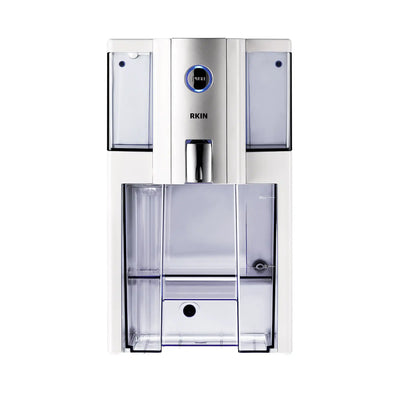
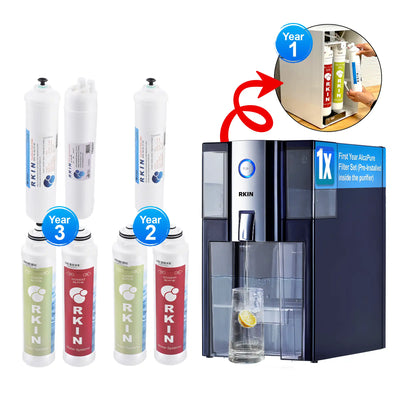
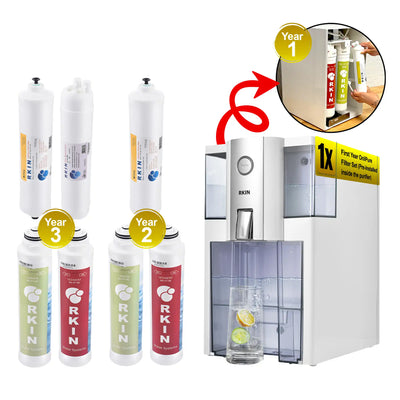
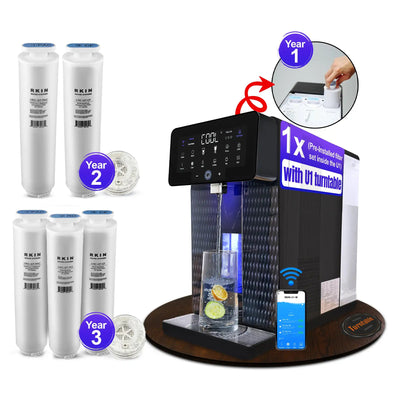
El filtro de agua de ósmosis inversa de encimera RKIN Zero Installation Purifier está diseñado para esto: personas que desean agua potable de ósmosis inversa sin una instalación bajo el fregadero.
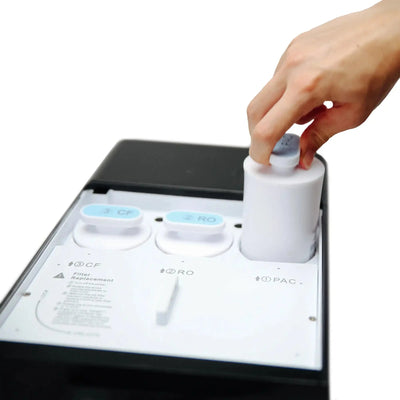
Se coloca sobre la encimera, usa un tanque de recarga sin conexión al grifo y puede mudarse con usted cuando termine su estadía en el apartamento. Eso lo convierte en una opción muy adecuada para inquilinos, viviendas temporales, estadías de temporada, estudiantes y familias entre una casa y otra.
La ventaja práctica no es solo "sin instalación". Es la reversibilidad. No necesita convencer a un arrendador, programar a un plomero ni dejar equipos atrás. El diseño de carga frontal también importa en cocinas pequeñas, porque usted lo llena a la altura de la encimera en lugar de levantar un tanque pesado hasta la parte superior o trasera de la unidad.
Si ya sabe que más adelante querrá un sistema permanente bajo el fregadero, un sistema de encimera móvil puede tener sentido de todos modos para la estadía corta. Úselo ahora, consérvelo después para un espacio de invitados o llévelo a la próxima cocina.
Plan de agua para apartamentos temporales según la situación
Si se va a quedar de uno a dos meses, manténgalo simple. Una jarra o el agua embotellada pueden ser aceptables si sus exigencias son modestas y no cocina mucho.
Si se va a quedar de tres a seis meses, elija una solución con la que pueda vivir todos los días. En este rango, el agua embotellada se vuelve molesta y una instalación permanente todavía parece excesiva. Un sistema de ósmosis inversa de encimera suele ser el mejor punto intermedio.
Si está en un alquiler amueblado, evite cualquier cosa que cambie la plomería o deje marcas. Incluso las modificaciones pequeñas pueden convertirse en disputas por el depósito de garantía.
Si se muda con niños o mascotas, o cocina con frecuencia, planifique para más agua de la que cree. El filtro que elija debe cubrir botellas, café, té, agua para pasta, el enjuague de frutas y verduras, y las cubetas de hielo.
Si su próxima vivienda es incierta, no compre un sistema que solo funcione en un gabinete de fregadero. Cuanto más portátil sea la solución, mejor.
Cómo evitar comprar de más
No necesita un sistema para toda la casa para una estadía de cuatro meses en un apartamento. El tratamiento para toda la casa es para viviendas en las que usted controla la línea principal de agua y quiere tratar el agua en todos los grifos. No es la herramienta adecuada para un contrato de arrendamiento corto.
Es posible que no necesite ósmosis inversa si su única queja es el olor o el sabor a cloro. Un filtro de carbón puede mejorar el sabor en muchas situaciones con agua de la ciudad. Pero si está comprando por los titulares sobre PFAS, por preocupaciones sobre el plomo de tuberías antiguas, por sólidos disueltos altos o porque desea un proceso más sólido para el agua potable, vale la pena considerar la ósmosis inversa.
Elija el sistema menos permanente que trate el agua que realmente bebe. Para un apartamento temporal, eso suele significar evitar un plomero, un nuevo orificio para el grifo y equipos que no pueda llevarse.
Preguntas frecuentes
¿Cuál es el mejor filtro de agua temporal para un apartamento?
El mejor filtro de agua para un apartamento temporal es uno que no requiere cambios permanentes en la plomería, se adapta a la cocina que tiene ahora y puede mudarse con usted más adelante. Para preocupaciones leves sobre el sabor, una jarra puede ser suficiente. Para una filtración más sólida del agua potable sin instalación, un sistema de ósmosis inversa de encimera como el filtro de agua de ósmosis inversa de encimera RKIN Zero Installation Purifier suele ser una mejor opción.
¿Pueden los inquilinos instalar ósmosis inversa?
Los inquilinos pueden usar ósmosis inversa, pero los sistemas bajo el fregadero pueden requerir la aprobación del arrendador porque pueden implicar orificios para grifos, conexiones de drenaje y cambios en la línea de agua fría. Un sistema de ósmosis inversa de encimera evita la mayor parte de esas complicaciones porque no requiere una instalación permanente.
¿Es suficiente un filtro de grifo para un contrato de arrendamiento corto de un apartamento?
Un filtro de grifo puede ser suficiente si su grifo es compatible y su principal problema es el sabor o el olor a cloro. Puede no ser la opción adecuada si el grifo tiene un rociador extraíble o una rosca inusual, o si usted desea ósmosis inversa para los contaminantes disueltos.
¿Debo comprar agua embotellada durante una mudanza de cuatro meses?
El agua embotellada es sencilla por unos días, pero se vuelve incómoda en estadías más largas. Tiene que almacenarla, cargarla, reponerla y usarla para cocinar si quiere consistencia. Un filtro portátil puede reducir esa diligencia semanal.
¿Un filtro de encimera también funcionará en mi próximo apartamento?
Por lo general, sí, si está diseñado para un uso temporal y no depende de una distribución personalizada bajo el fregadero. Verifique la compatibilidad con el grifo, el espacio en la encimera y las necesidades de reemplazo de filtros antes de elegir un sistema.
¿Listo para que su estadía corta sea más fácil?
Si se muda a un apartamento por unos meses, no construya una solución permanente para una dirección temporal. Elija una solución de agua que funcione ahora y que se mude con usted más adelante.
Comience con el filtro de agua de ósmosis inversa de encimera RKIN Zero Installation Purifier si desea agua potable de ósmosis inversa sin perforaciones, sin cambios en la plomería y sin dejar equipos atrás.




0 comentarios