






análisis de agua de pozo privado
Analice el agua de pozo después de lluvias intensas: guía 2026 para propietarios

Analice el agua de su pozo privado después de lluvias intensas cuando la inundación llegue al cabezal del pozo o cuando el agua cambie de color, sabor, olor, sedimentos o presión. Siga usando una fuente alternativa y segura de agua potable hasta que se inspeccione el pozo, se complete cualquier desinfección necesaria y la muestra de seguimiento sea aceptable.
Por eso “analizar el agua de pozo después de lluvias intensas” es una búsqueda inteligente, sobre todo durante la temporada de tormentas de finales del verano. Los propietarios de pozos privados son responsables de sus propios análisis y mantenimiento, y la guía de la EPA sobre pozos privados es clara: si su agua proviene de un pozo privado, debe gestionarla de forma diferente al agua de la ciudad.
Por qué la lluvia importa en los pozos privados
Un pozo bien construido está diseñado para proteger el agua subterránea de la contaminación superficial. El problema es que las tormentas ponen a prueba los puntos débiles.
Si el agua se acumula alrededor del cabezal del pozo, el agua superficial puede encontrar grietas, huecos o sellos deficientes. Si la tapa del pozo está dañada o suelta, los insectos, los sedimentos y los residuos tienen un camino más fácil para entrar. Si la inundación llega al cabezal del pozo, lo más seguro es suponer que el pozo necesita atención antes de volver al uso normal.
La lluvia también puede remover sedimentos en el acuífero o en la plomería. Eso puede manifestarse como agua turbia, arenilla, agua marrón o un cambio de sabor. A veces el cambio es temporal. A veces es una señal de que el pozo, el tanque de presión, el ablandador, el filtro de sedimentos o el sistema de tratamiento necesita una inspección.
La clave es no adivinar solo por la apariencia. El agua transparente también puede necesitar un análisis, y el agua turbia no le indica automáticamente qué contaminante está presente.
Cuándo hacer un análisis después de una tormenta
Debería considerar analizar el agua de pozo después de lluvias intensas cuando se cumpla alguna de estas condiciones:
- El agua de la inundación llegó al cabezal del pozo o se acumuló cerca de él.
- La tapa, el revestimiento, el conducto o el sello del pozo se ve agrietado, suelto o dañado.
- El agua de repente se vuelve turbia, marrón, amarilla, metálica, sulfurosa o arenosa.
- La presión cambia después de la tormenta.
- Hay un sistema séptico, una zona de ganado, un área de almacenamiento de productos químicos o un tanque de combustible cerca del pozo.
- Hace poco se realizaron trabajos en el pozo, la bomba, la plomería o el jardín.
- Un vecino con un pozo similar informa cambios después de la misma tormenta.
Para el mantenimiento de rutina, la EPA recomienda que los propietarios de pozos privados aprendan los conceptos básicos de construcción, protección y análisis de pozos mediante sus recursos educativos sobre pozos privados. Después de una tormenta, la pregunta se vuelve más urgente porque el evento puede haber cambiado las condiciones alrededor del pozo.
Si la inundación llegó a su pozo, comuníquese con el departamento de salud local, un contratista de pozos con licencia o un profesional del agua calificado antes de depender del agua para el uso doméstico normal. Las indicaciones estatales y del condado pueden variar, y las condiciones locales importan.
Qué revisar antes de comprar un equipo
Un filtro de agua no sustituye un análisis del agua. Es la decisión sobre el equipo que se toma después de que el análisis le indica qué hay realmente en el agua.
Empiece por fuera. Revise la tapa y el revestimiento del pozo. La tapa debe estar firme, intacta y por encima del agua estancada. El terreno debe tener pendiente en dirección contraria al cabezal del pozo, no hacia él. Esté atento a la erosión del suelo, conductos agrietados, cableado dañado o nuevos charcos que no estaban antes de la tormenta.
Luego revise el agua. Abra un grifo de agua fría y observe el color, el olor, los sedimentos, la presión y si el problema aparece en todos los grifos o solo en uno. Si solo se ve afectado un grifo, el problema puede limitarse a ese grifo. Si todos los grifos cambiaron al mismo tiempo después de la lluvia, el pozo o la plomería de toda la casa merecen más atención.
A continuación, documente la cronología. Anote cuándo ocurrió la tormenta, cuándo cambió el agua, qué cambió y si mejora después de varias horas. Esa información ayuda a un contratista de pozos o a un especialista en agua a no tener que adivinar.
Por último, haga un análisis antes de elegir un tratamiento. Un análisis de laboratorio puede identificar la categoría del problema para que no compre un filtro por el motivo equivocado.
Qué análisis tienen sentido después de lluvias intensas
El análisis adecuado depende de su ubicación, la profundidad del pozo, la geología local y el uso del suelo cercano. Para muchos propietarios, la primera conversación después de una tormenta empieza con indicadores de bacterias, nitratos, turbidez, hierro, manganeso, pH, dureza y sólidos disueltos totales.
Esa lista no es un diagnóstico. Es un punto de partida. Si su casa está cerca de actividades agrícolas, almacenamiento de combustible, actividad industrial o preocupaciones conocidas por PFAS, pregunte al departamento de salud de su condado o al laboratorio de análisis de agua qué más debería incluirse.
La guía Protect Your Home’s Water de la EPA es un punto de partida útil para los propietarios de pozos privados porque se centra en la prevención, los análisis y en conocer su fuente de agua. Para los propietarios que comparan opciones de filtros, esa mentalidad de prevención ante todo es importante. Los análisis le indican si el problema son los sedimentos, la dureza, el hierro, el olor a azufre, los taninos, los indicadores de bacterias o una categoría de contaminantes disueltos que necesita un enfoque de tratamiento diferente.
No dependa de un medidor de TDS portátil como único análisis. El TDS puede mostrar los sólidos disueltos, pero no identifica bacterias, PFAS, arsénico, nitrato, plomo, pesticidas ni muchas otras preocupaciones específicas. Un número bajo no garantiza que el agua esté bien, y un número alto no le indica qué tratamiento se necesita.
Cómo encaja un sistema para toda la casa después del análisis
Una vez que tiene los resultados del análisis, el tratamiento se vuelve mucho más claro.
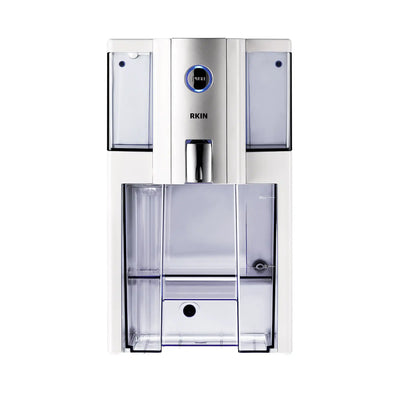
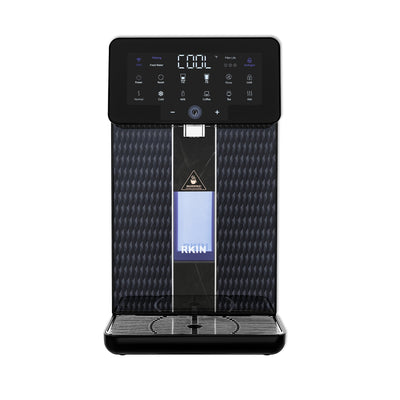
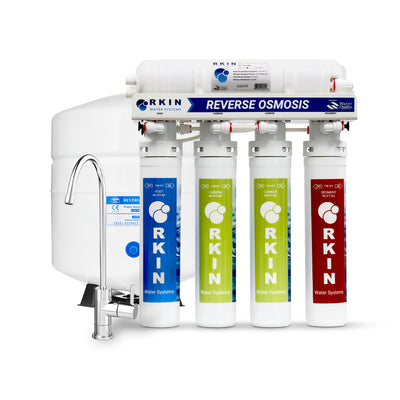
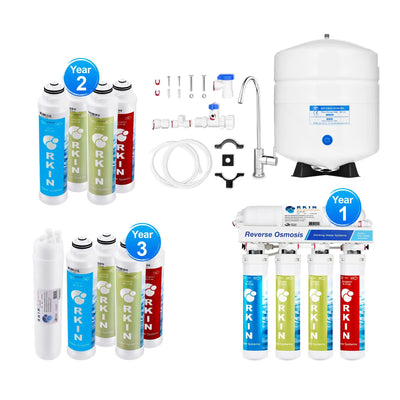
Si el problema son los sedimentos después de las tormentas, un prefiltro de sedimentos o un filtro con retrolavado puede ser parte del plan. Si el problema es la dureza, puede tener sentido hablar de un ablandador o de un acondicionador sin sal. Si el problema es el hierro, el olor a azufre, el manganeso o los taninos, el diseño del sistema depende de los niveles y de la química del agua. Si la preocupación sobre el agua potable son los contaminantes disueltos, un sistema de ósmosis inversa en el punto de uso puede ser más adecuado para el grifo de la cocina.
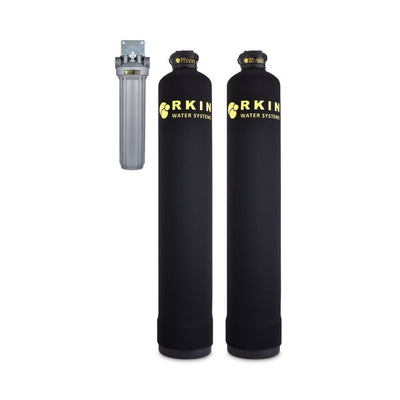
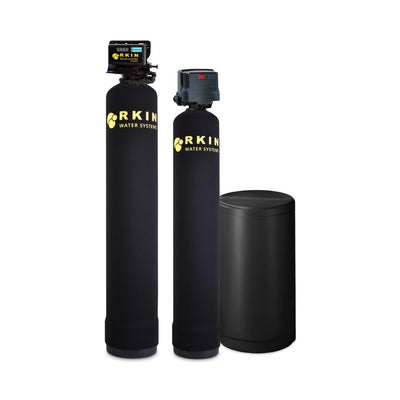
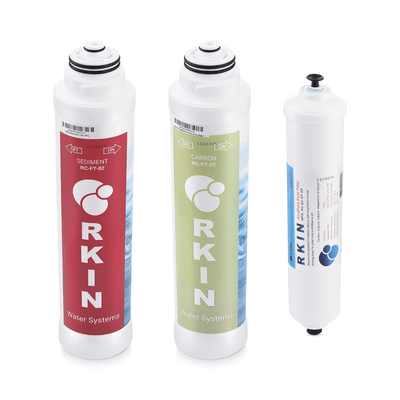
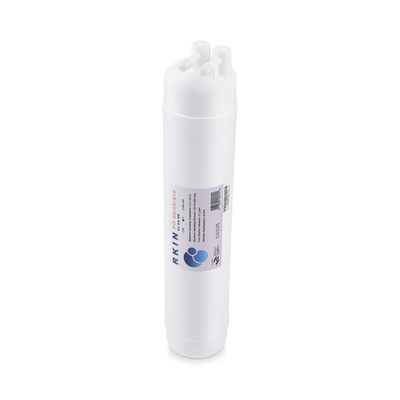
Aquí es donde un enfoque para toda la casa puede ayudar. La colección de tratamiento de agua para toda la casa de RKIN está diseñada en torno a adaptar el sistema al problema del agua, en lugar de obligar a un solo filtro a hacer todo el trabajo.
En los hogares con pozo, eso importa porque dos casas en la misma calle pueden tener agua diferente. Una puede necesitar tratamiento de sedimentos y hierro. Otra puede necesitar control de la dureza. Otra puede necesitar un sistema de ósmosis inversa para agua potable en el fregadero de la cocina y un plan aparte para toda la casa para la grifería y los electrodomésticos.
Un plan que empieza con el análisis lo protege de comprar de más. También lo protege de comprar de menos, algo igual de común cuando los propietarios toman un filtro genérico y esperan que cubra todas las preocupaciones posteriores a una tormenta.
Qué no hacer tras cambios en el agua relacionados con tormentas
No suponga que hervir el agua soluciona todos los problemas. Hervir puede formar parte de las indicaciones oficiales locales para ciertas preocupaciones microbiológicas, pero no elimina muchos contaminantes disueltos. Siga las instrucciones del departamento de salud local si emite un aviso.
No instale un filtro cualquiera antes de hacer un análisis. Un filtro puede mejorar una categoría y hacer poco por otra. Los sedimentos, el sabor a cloro, la dureza, las manchas de hierro, el olor a azufre, los PFAS y los indicadores de bacterias son problemas diferentes.
No ignore una tapa de pozo dañada. Una tapa suelta o agrietada no es un problema estético. Es una de las primeras cosas que debe inspeccionar después de un clima severo.
No tome un vaso de agua transparente como prueba de que el pozo está bien. La apariencia es un dato, no un resultado de laboratorio.
Y no espere a la próxima tormenta si ya notó un cambio. El mejor momento para resolver un problema del agua de pozo es mientras el patrón está reciente y es fácil de describir.
Una lista de verificación sencilla después de la lluvia
Siga este orden antes de tomar decisiones sobre equipos:
- Inspeccione el cabezal del pozo, la tapa, el revestimiento y la pendiente del terreno.
- Anote cualquier cambio de color, olor, presión, sedimentos o sabor.
- Compruebe si todos los grifos están afectados o solo uno.
- Pregunte a los vecinos con pozos privados si notaron un cambio similar.
- Comuníquese con el departamento de salud local o con un laboratorio certificado para obtener orientación sobre los análisis.
- Revise los resultados antes de elegir equipos para toda la casa o para el agua potable.
Esa secuencia mantiene la decisión con los pies en la tierra. También le da a un especialista en agua los detalles necesarios para recomendar el sistema adecuado más rápido.
Preguntas frecuentes
¿Debo analizar el agua de pozo después de lluvias intensas?
Sí, considere hacer un análisis si las lluvias intensas causaron inundaciones cerca del pozo, agua estancada alrededor del cabezal del pozo, un cambio repentino de sabor, olor, color, sedimentos o presión, o si la tapa o el revestimiento del pozo se ven dañados. Los pozos privados son responsabilidad del propietario, así que los cambios tras una tormenta merecen un enfoque que empiece por el análisis.
¿Qué tan pronto debo analizar el agua de pozo después de una tormenta?
Si el agua de la inundación llegó al pozo o el agua cambió de repente, comuníquese con el departamento de salud local, un laboratorio certificado o un contratista de pozos con licencia antes de depender del uso normal. Para cambios menos urgentes, documente la cronología y pregunte al laboratorio cuándo tomar la muestra para que el resultado refleje las condiciones actuales.
¿Puede un filtro de agua solucionar el agua de pozo turbia después de la lluvia?
Depende de la causa. La turbidez puede deberse a aire, sedimentos, minerales removidos u otro problema. Un filtro de sedimentos puede ayudar en algunos casos, pero primero deben hacerse el análisis y la inspección para que no trate el problema equivocado.
¿Basta con un filtro para toda la casa para el agua de pozo?
Un filtro para toda la casa puede ser parte de la solución, pero debe corresponder a los resultados del análisis. El agua de pozo puede presentar sedimentos, hierro, olor a azufre, dureza, taninos u otras preocupaciones. Algunos problemas del agua potable también pueden requerir ósmosis inversa en el punto de uso, en el grifo de la cocina.
¿A quién debo llamar si mi pozo se inundó?
Empiece por el departamento de salud local, un laboratorio certificado de análisis de agua o un contratista de pozos con licencia. Ellos pueden indicarle si debe realizarse una inspección, desinfección, reparación o análisis antes de reanudar el uso normal.
¿Listo para dejar de adivinar después de la próxima tormenta?
Si su pozo privado cambia después de lluvias intensas, no compre equipos basándose solo en el color. Inspeccione el pozo, haga el análisis adecuado y adapte el tratamiento a los resultados.
Cuando tenga el informe, revise la colección de tratamiento de agua para toda la casa de RKIN o comuníquese con RKIN para obtener ayuda para adaptar las condiciones de su agua al siguiente paso correcto.






0 comentarios