


countertop reverse osmosis
¿Fugas en su ósmosis inversa bajo el fregadero? Encuentre la causa antes de reemplazarla

Si su RO bajo el fregadero tiene una fuga, no lo reemplace por costumbre. Primero, identifique el modo de falla: tubería, conexión, tanque, abrazadera de desagüe, línea del grifo, carcasa del filtro o conexión del refrigerador. El siguiente sistema debe corregir el origen de la fuga, no solo copiar la distribución anterior.
Una fuga en el gabinete cambia la decisión. Antes de la fuga, estaba eligiendo un filtro de agua. Después de la fuga, está eligiendo lo que estará sobre el piso de su gabinete durante años. Esa es una compra diferente.
Primero: detenga la fuga y conserve las pistas
Empiece por lo práctico. Cierre la válvula de alimentación del sistema de RO si puede hacerlo de forma segura. Si el agua sigue saliendo, cierre la válvula de agua fría del fregadero o la llave de paso local de la casa y llame a un plomero. Luego tome fotos antes de desarmarlo todo.
Las fotos importan porque la zona mojada cuenta una historia. El agua debajo del tanque de almacenamiento apunta a una falla diferente que el agua en la línea del grifo. El agua cerca de la abrazadera de desagüe apunta a un problema diferente que el agua en la carcasa del filtro. El agua que aparece solo cuando el refrigerador pide agua apunta a la línea de alimentación del refrigerador o a una conexión posterior al sistema de RO.
No tire la tubería, las conexiones ni los cartuchos viejos hasta saber qué falló. Una pequeña conexión agrietada puede parecer que “el sistema tuvo una fuga” cuando el problema real era la tensión en una sola línea. Una válvula del tanque floja puede parecer un tanque averiado. Un goteo lento de la línea de desagüe puede extenderse por todo el piso del gabinete y confundir el panorama.
Es comprensible: una vez que el gabinete está mojado, quiere deshacerse de la unidad vieja. Tiene sentido. Pero el reemplazo más rápido no siempre es la decisión más segura al volver a elegir.
Modos de falla comunes debajo del fregadero
La mayoría de las fugas de RO bajo el fregadero no son misteriosas. Suelen provenir de un pequeño grupo de lugares.
- Tubería de conexión rápida: La tubería puede estar cortada torcida, rayada, tensionada o no totalmente asentada.
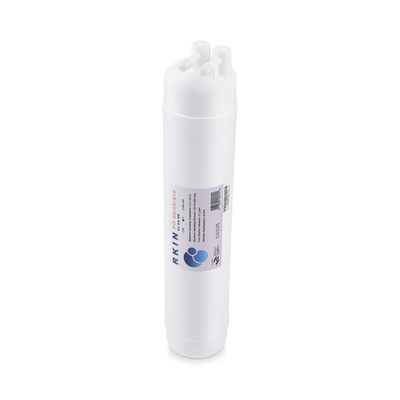
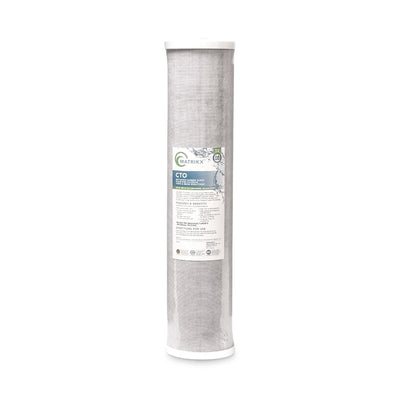
- Carcasa del filtro o sello del cartucho: Una junta tórica desgastada, una carcasa con la rosca cruzada o un cartucho mal asentado puede tener fugas después de un cambio de filtro.
- Conexión del tanque de almacenamiento: La válvula del tanque o la conexión de la tubería puede gotear lentamente y extender agua debajo del tanque.
- Abrazadera de desagüe: Si la conexión del desagüe se mueve o se instaló mal, el agua residual puede gotear dentro del gabinete.
- Línea del grifo exclusivo: La base del grifo, el espacio de aire o un tubo pequeño pueden tener fugas cuando el sistema funciona.
- Línea del refrigerador: Una conexión en T o una línea larga hacia el refrigerador agrega otro punto que puede fallar.
- Gabinete abarrotado: Los espacios reducidos pueden doblar la tubería, presionar las carcasas y dificultar los futuros cambios de filtro.
La descripción general de la ósmosis inversa de la Water Quality Association explica que los sistemas de RO usan varias piezas, entre ellas prefiltros, una membrana, un tanque de almacenamiento en muchos sistemas y etapas de postratamiento. Puede leer la descripción general aquí. Más piezas pueden significar más lugares que inspeccionar cuando algo tiene una fuga.
Lo que no funciona después de una fuga
No compre el mismo estilo solo porque encaja en los orificios viejos. Los orificios existentes no prueban que la distribución fuera buena. A veces, la distribución anterior creó la tensión que causó la fuga.
No se enfoque solo en las afirmaciones del filtro. Las pruebas de calidad del agua siguen importando, pero después de una fuga en el gabinete también debe pensar en el acceso, los recorridos de la tubería, las válvulas de cierre, el trazado del desagüe y el espacio para cambiar los filtros. La mejor afirmación de reducción de contaminantes no sirve de nada si la instalación está apretada y es difícil de mantener.
No ignore la línea del refrigerador. Una conexión al refrigerador puede ser útil, pero agrega longitud de tubería, conexiones y otro electrodoméstico al sistema. Si su RO anterior alimentaba el refrigerador y la fuga comenzó después de usar el refrigerador, esa línea merece su propia inspección.
No suponga que toda la casa necesita tratamiento porque una unidad bajo el fregadero tuvo una fuga. En mi casa, no instalaría un tratamiento para toda la casa por una sola fuga en el gabinete. Primero corregiría el origen de la falla y luego decidiría si el sistema de agua potable debe quedarse bajo el fregadero o pasar a la encimera.
La lista de verificación para el reemplazo: longevidad, localización de la fuga, lugar de instalación
Use la prueba de las 3 L antes de comparar sistemas nuevos.
Longevidad: ¿cuántos años tenía el sistema?
La antigüedad por sí sola no prueba una falla, pero cambia el riesgo. Un sistema que tuvo una fuga después de un cambio de filtro reciente apunta al mantenimiento, las juntas tóricas, las carcasas o la tubería. Un sistema que tuvo una fuga después de años en un gabinete estrecho puede apuntar a fatiga, tensión por presión o una pequeña pieza que finalmente cedió.
Revise el historial de mantenimiento si lo tiene. ¿Se cambiaron los filtros a tiempo? ¿Se le dio mantenimiento a la membrana? ¿El tanque perdió presión? ¿El caudal disminuyó antes de la fuga? ¿Cambió el sabor? Estas pistas le ayudan a no culpar a la pieza equivocada.
Localización de la fuga: ¿dónde empezó el agua?
Busque el punto mojado más alto, no solo la mancha de humedad más grande. El agua se extiende hacia abajo y hacia afuera. Un charco debajo del tanque puede haber empezado en un tubo que está encima. Un piso de gabinete mojado puede haber empezado en la línea del grifo, el espacio de aire o la conexión del desagüe.
Si no puede saberlo, seque el gabinete, coloque una toalla de papel debajo de cada punto sospechoso y ponga en marcha el sistema solo si es seguro. Si el agua vuelve rápidamente, deténgalo y documente dónde se mojó primero la toalla. Si no se siente cómodo haciendo esto, llame a un plomero.
Lugar de instalación: ¿el nuevo sistema encaja mejor?
Mida el gabinete antes de comprar. Fíjese en el triturador de basura, la profundidad del fregadero, el tubo de desagüe, el estante del gabinete, los productos de limpieza, la ubicación del tomacorriente y el recorrido de la línea del refrigerador. Un sistema que técnicamente cabe puede seguir siendo una mala opción si los cambios de filtro obligan a girar piezas contra una pared.
Piense también en dónde está la válvula de cierre. Si hay otra fuga, ¿puede llegar rápido a la válvula? Si la respuesta es no, corrija eso antes de instalar otro sistema.
¿Bajo el fregadero, de encimera o de encimera con tanque de llenado?
Elija la próxima instalación según por qué falló el sistema anterior y lo que debe hacer el reemplazo.
Un sistema de RO bajo el fregadero mantiene la encimera despejada y puede alimentar un grifo exclusivo. Es una buena opción cuando el gabinete tiene espacio, la conexión del desagüe está limpia y quiere el sistema fuera de la vista. La contrapartida es que la calidad de la instalación importa. La tubería, las conexiones y el acceso para el mantenimiento forman parte de la experiencia del producto.
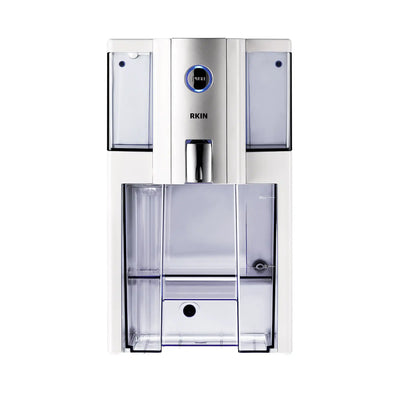
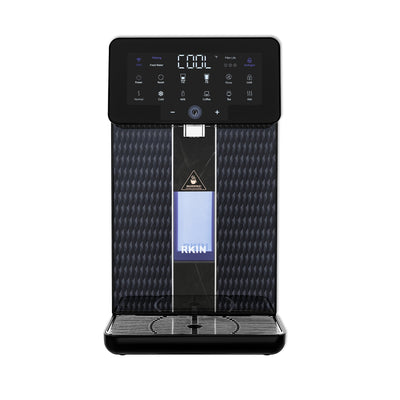
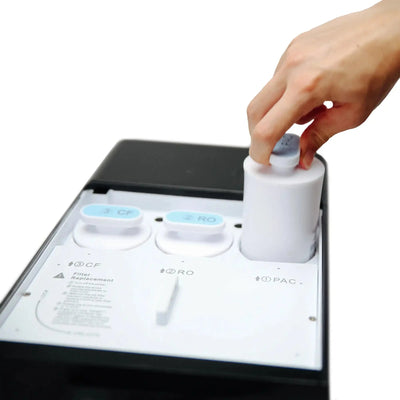
Un sistema de ósmosis inversa de encimera evita el gabinete. Esa puede ser la mejor opción para inquilinos, espacios reducidos bajo el fregadero, cocinas temporales o propietarios que no quieren otro sistema de agua sobre el piso del gabinete.
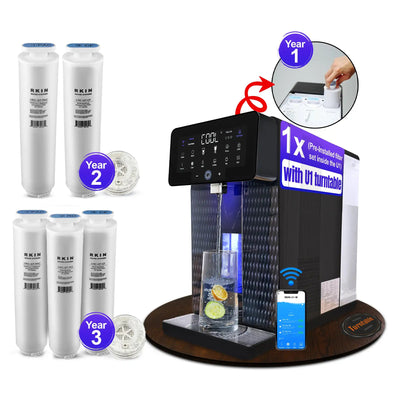
Un sistema de encimera con tanque de llenado es otra opción cuando las conexiones al grifo o los trabajos bajo el fregadero no son ideales. El sistema de filtro de agua 4 en 1 RKIN U1 es un sistema de encimera con tanque de llenado. No es una unidad bajo el fregadero, y esa distinción importa si toda su frustración es la plomería del gabinete.
Dónde encaja RKIN
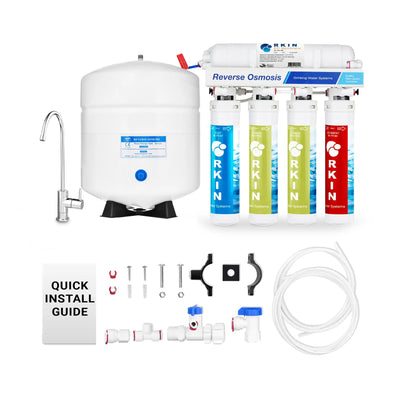
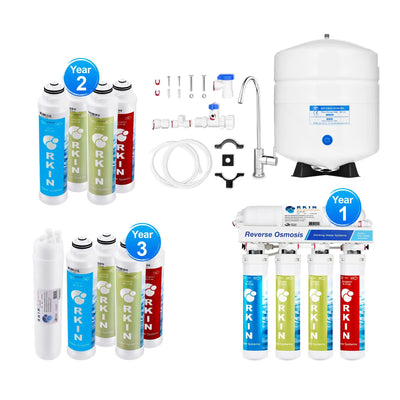
Si quiere seguir con un sistema bajo el fregadero, el sistema de RO bajo el fregadero RKIN Flash es la opción natural de RKIN para comparar. Está diseñado para agua potable de RO bajo el fregadero, así que su lista de verificación debe enfocarse en cómo cabe en el gabinete, el acceso para el mantenimiento, el trazado del desagüe y si una línea al refrigerador necesita un plan de instalación verificado.
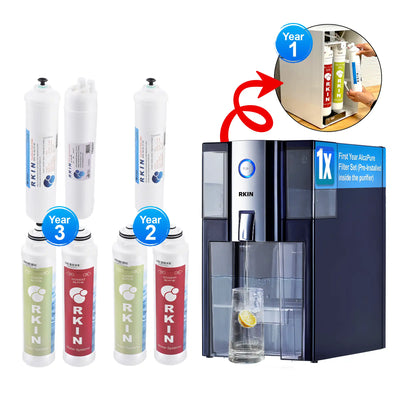
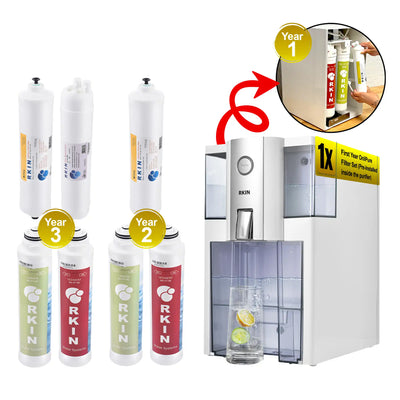
Si quiere evitar otra instalación debajo del gabinete, compare el filtro de agua de ósmosis inversa de encimera RKIN Zero Installation Purifier. Mantiene el sistema sobre la encimera y evita cambios permanentes de plomería bajo el fregadero.
Si un gabinete estrecho contribuyó a la fuga, una instalación de encimera puede ser más limpia. Si una conexión desgastada falló en un gabinete por lo demás amplio y de fácil mantenimiento, un reemplazo bajo el fregadero puede seguir siendo lo correcto.
No olvide el informe del agua
Una fuga le dice cómo falló el sistema anterior. No le dice lo que su agua necesita ahora.
Si tiene agua de la ciudad, consiga el Informe de Confianza del Consumidor más reciente. La EPA explica esos informes anuales aquí. Si tiene un pozo privado, la guía de la EPA sobre pozos privados aquí es un mejor punto de partida porque los pozos privados los gestionan sus propietarios.
Una vez que conozca la preocupación sobre su agua, compárela con las pruebas del nuevo sistema. No deje que la fuga lo lleve a comprar a ciegas. El reemplazo tiene que responder dos preguntas: ¿tratará el agua potable como usted quiere y cabrá en el espacio sin repetir el mismo origen de la falla?
Preguntas frecuentes
¿Qué debo hacer primero si mi RO bajo el fregadero tiene una fuga?
Cierre la válvula de alimentación de la RO si puede hacerlo de forma segura, proteja el gabinete y documente dónde aparece el agua. Si el agua sigue saliendo o no está seguro de qué válvula la controla, cierre el suministro local del fregadero o llame a un plomero. Guarde fotos antes de retirar piezas.
¿Por qué tiene fugas un sistema de ósmosis inversa bajo el fregadero?
Las causas comunes incluyen tubería suelta, sellos desgastados, problemas en la carcasa del filtro, una conexión del tanque, el movimiento de la abrazadera de desagüe, problemas en la línea del grifo o una línea de alimentación del refrigerador. La ubicación de la fuga importa más que la marca de la unidad.
¿Debo reemplazar un sistema de RO con fugas por uno del mismo estilo?
No automáticamente. Si la distribución anterior del gabinete era apretada o difícil de mantener, copiarla puede repetir el mismo riesgo. Si la fuga provino de una pieza envejecida en una distribución limpia y amplia, otro RO bajo el fregadero todavía puede tener sentido.
¿Puede un RO de encimera reemplazar a un RO bajo el fregadero?
Para el agua de beber y cocinar, un RO de encimera puede ser una buena alternativa cuando no quiere plomería bajo el fregadero o no puede modificar el gabinete. No tendrá la misma distribución, así que revise el espacio en la encimera, las necesidades del grifo, la alimentación eléctrica y cómo usa el agua filtrada.
¿Puede un RO bajo el fregadero alimentar un refrigerador?
Algunas instalaciones de RO bajo el fregadero pueden alimentar un refrigerador, pero los detalles importan: presión, longitud de la tubería, conexiones y requisitos del electrodoméstico. Antes de reemplazar una instalación con fugas, verifique el plan con las instrucciones del sistema o con un instalador calificado.
¿Listo para reemplazarlo de la manera correcta?
Un RO con fugas le da información útil. Aprovéchela. Encuentre el modo de falla, revise la distribución y luego elija el sistema que resuelva tanto la preocupación sobre el agua como el problema del gabinete.
Compare el sistema de RO bajo el fregadero RKIN Flash si quiere seguir bajo el fregadero, o el filtro de agua de ósmosis inversa de encimera RKIN Zero Installation Purifier si quiere evitar otra instalación en el gabinete.





0 comentarios