


Water Softener Bypass Mode: When and Why to Use It

If you have a water softener, there's a valve or dial on the unit labeled "bypass." Many homeowners install their softener, start enjoying softer water, and never think about that bypass again. But knowing when to engage bypass mode — and actually doing it — can protect your system, extend its life, and save you from unnecessary problems.
This guide covers exactly what bypass mode does, when you should use it, and how to operate it correctly so your softener keeps working well for years.
What Is Water Softener Bypass Mode?
A water softener bypass valve redirects your home's water supply around the softener — so water flows directly from the main supply line to your household plumbing without passing through the softener's resin tank.
When the softener is in normal service, water enters the inlet, passes through the resin bed where ion exchange happens, and exits as softened water. When bypass is engaged, the inlet and outlet ports are blocked and a bypass port opens, sending water around the unit entirely. Your home still has water pressure and flow, but the water is unsoftened (exactly as it comes from the municipal supply or well).
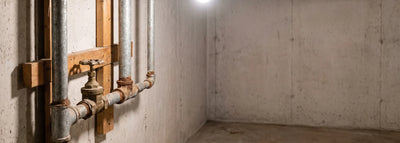
Most modern water softeners use a single bypass valve that can be operated with a turn of a dial or the push of a lever. Older systems may use two or three separate valves — one to close the inlet, one to close the outlet, and one to open the bypass line. Check your softener's manual if you're not sure which type you have.
7 Situations When You Should Use Bypass Mode
1. Watering Your Garden or Lawn
Softened water contains elevated sodium levels — the sodium that was exchanged for calcium and magnesium during the softening process. Sodium in irrigation water is not great for plants or soil. Over time, watering with softened water can raise soil sodium concentrations, which disrupts plant nutrient uptake and degrades soil structure.
If you're watering a vegetable garden, flower beds, or lawn with water from a tap that's downstream of your softener, you're giving your plants sodium-laden water. Most outdoor spigots are plumbed before the softener specifically for this reason — but if yours aren't, putting the softener in bypass before watering protects your soil and plants.
This is especially relevant for vegetable gardens where you're growing food. Leafy greens and root vegetables are particularly sensitive to sodium in irrigation water.
2. Washing Your Car
Softened water is excellent for many household uses — it doesn't spot dishes, doesn't leave scale on shower tiles, and produces great lather with soap. Car washing is an exception. Soft water tends to leave a slightly soapy residue on vehicle surfaces that can be harder to rinse completely. The sodium content can also leave faint white residue on dark-colored vehicles when the water dries.
Many car enthusiasts and detailers prefer to wash with either hard water or purified water. If you're hand-washing your vehicle at home using an outdoor hose, check whether that spigot is downstream of your softener. If it is, engaging bypass before washing and rinsing can give you a cleaner result.
3. Plumber or Service Technician Visits
Any time a plumber, HVAC technician, or other service professional needs to work on your water lines, you should consider putting your softener in bypass — and your plumber will often ask you to do this themselves.
Here's why: when work is being done on plumbing, pipes are opened, drained, and reconnected. Air pockets form. Debris can enter the line. When water flow is restored after service work, that initial rush of water can carry sediment, pipe scale, flux residue from soldering, or other debris. If that debris enters your softener's resin bed, it can foul the resin and reduce the system's effectiveness.
Bypassing the softener during plumbing work, and running the taps to clear the lines before taking the softener back online, protects the resin from contamination.
Additionally, if the plumber needs to shut off and restore the main water supply, the pressure surge when water comes back on is absorbed by the supply line rather than being pushed directly through your softener's media.
4. Extended Vacation or Time Away
If you're leaving your home for two weeks or more, putting your softener in bypass before you go is a sensible precaution for several reasons:
- No water is flowing through the resin: Stagnant water sitting in the resin tank for weeks can create conditions for bacterial growth. Bypassing allows the water to sit still in the tank without the risk of consuming it.
- Regeneration cycles won't fire unnecessarily: Time-clock softeners regenerate on a schedule regardless of water usage. If nobody's home and the softener triggers a regeneration cycle, it wastes salt and water for no benefit. Putting the unit in bypass while you're away pauses unnecessary cycles (for timer-based systems).
- Reduced risk during extended shutdowns: If there's any issue with your main water supply while you're gone, the softener won't be processing untreated water continuously.
When you return, take the softener out of bypass, run a manual regeneration cycle if needed, and let it resume normal service.
5. Adding Salt or Servicing the Brine Tank
This one is situational, but if you need to do a thorough cleaning of your brine tank — including dumping out old brine, cleaning out sediment or salt bridges, and refilling with fresh salt — it's good practice to bypass the softener during that process. This ensures the unit doesn't attempt to regenerate or draw brine while the tank is partially disassembled or empty.
For routine salt top-offs (just adding bags of salt to an existing brine level), you don't need to bypass. But for full brine tank service, putting the unit in bypass first prevents any unintended regeneration cycles from running mid-maintenance.
6. Water Testing
If you want to test your raw source water hardness — either for diagnostic purposes, to re-evaluate your softener settings, or if you suspect your water supply has changed — you'll need to bypass the softener to get an accurate reading of your untreated water.
Testing water after it's already been softened only tells you how well your softener is performing, not what the source water looks like. Bypass the system, run the tap for a couple minutes to flush softened water from the lines, then collect your sample from cold water tap for an accurate source reading.
7. Softener Malfunction or Unusual Symptoms
If you notice your softener is behaving oddly — salt bridges forming repeatedly, unusually high salt consumption, water that suddenly feels different, or strange noises during regeneration — bypass the unit immediately. This keeps you supplied with water while you diagnose the problem.
Running a malfunctioning softener can make problems worse. If the control valve is stuck in regeneration mode, for example, it could be drawing large amounts of salt into your water supply. Bypassing stops the problem from compounding while you figure out what's wrong.
How to Engage and Disengage Bypass Mode
The specific procedure depends on your softener model, but the general pattern for a single-valve bypass (most common on modern systems like the RKIN whole-house water softener) is:
- To engage bypass: Locate the bypass valve on the back or side of the control head. Turn the dial or push the lever to the "Bypass" position. Water will now flow around the softener. Your home has full water pressure but unsoftened water.
- To return to service: Move the valve back to the "Service" position. Water will again flow through the resin tank. If your softener was in bypass for an extended period, consider running a manual regeneration cycle to refresh the resin before returning to normal use.
Some older installations have separate inlet and outlet isolation valves plus a bypass valve. In that case: close the inlet valve, close the outlet valve, then open the bypass valve. Reverse the sequence to return to service (open inlet, open outlet, close bypass).
If you're not certain which type of bypass your system has, check the manual or look up your model number online. The RKIN whole-house water softener uses a standard single-handle bypass that's easy to operate without tools.
Common Mistakes to Avoid
- Forgetting to take the unit out of bypass: It's easy to put the softener in bypass for a plumber visit and forget about it for weeks. Your water will feel harder, your soap won't lather as well, and scale will start forming in your appliances. Set a reminder when you engage bypass so you remember to restore service.
- Bypassing during a regeneration cycle: If your softener is in the middle of regenerating when you need to bypass, wait for the cycle to complete first (or let it run through), then engage bypass. Interrupting a regeneration cycle mid-process can leave the resin partially rinsed.
- Assuming outdoor spigots are always bypassed: In a well-designed installation, outdoor hose bibs are plumbed before the softener so lawn and garden water is never softened. But this isn't universal — older installations or DIY plumbing may not follow this practice. Know your plumbing layout.
Does Bypass Mode Affect the Softener's Programming?
Putting your softener in bypass mode doesn't reset its programming or affect its control settings. When you return to service, it picks up where it left off — your hardness setting, regeneration frequency, and salt dosage are all preserved.
For timer-based systems: if the softener was in bypass and a scheduled regeneration time passed, the softener may attempt to regenerate when it detects water flow resuming. This is normal and not harmful — just be aware you may hear the unit cycle shortly after returning to service.
For demand-initiated regeneration systems: these track actual water usage to determine when to regenerate. Time spent in bypass doesn't count toward usage, so the system simply resumes counting when it returns to service.
The RKIN Whole-House Water Softener
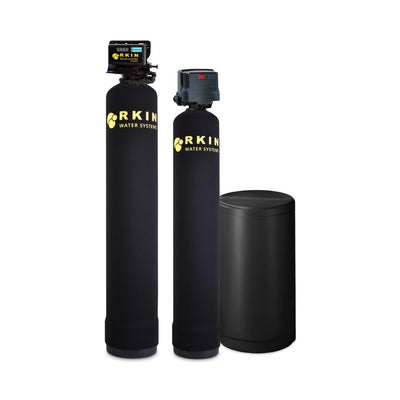
The RKIN whole-house salt-based water softener includes a user-friendly bypass valve that operates without tools. The system uses demand-initiated regeneration — it tracks actual water usage rather than regenerating on a fixed timer, which reduces salt and water consumption compared to older timer-based designs.
For homeowners with moderate to high water hardness who want the full softening experience — softer water feel, no scale on dishes, extended appliance life — a salt-based system with a properly configured bypass is still the most effective solution available.
Understanding when and why to use bypass mode is one of the small details that separates homeowners who get 15 years out of their water softener from those who run into avoidable problems at year 7.
Frequently Asked Questions
What happens when a water softener is in bypass mode?
When a water softener is in bypass mode, the water supply routes around the resin tank entirely. Your home still has water pressure and flow, but the water is unsoftened — it has the same hardness as your source water (municipal supply or well). The softener is effectively offline but not damaged.
Should I put my water softener in bypass when I go on vacation?
Yes, for vacations longer than two weeks, putting your softener in bypass is recommended. It prevents unnecessary regeneration cycles from firing when no one is using water, reduces the risk of stagnant water sitting in the resin tank, and is a good precaution during extended periods when the home is unoccupied.
Can I water my garden with softened water?
It's not ideal. Softened water has elevated sodium content, which can accumulate in soil over time and negatively affect plant health and soil structure. For regular garden or lawn irrigation, bypass the softener or use an outdoor spigot that's plumbed before the softener (which is the recommended installation practice).
Do I need to bypass my water softener when a plumber visits?
It's strongly recommended. Plumbing work can introduce debris, sediment, or flux residue into water lines. When water flow is restored after work, that debris can enter your softener's resin tank and foul the media. Bypassing the softener during plumbing work protects the resin from contamination.
How do I put my water softener back into service after bypass?
Move the bypass valve back to the "Service" position. If the softener was bypassed for an extended period (more than a few days), consider running a manual regeneration cycle before returning to normal use. This refreshes the resin bed so it's ready to soften your water immediately.
Will bypass mode reset my softener's settings?
No. Bypass mode doesn't affect your softener's programming, hardness settings, or regeneration schedule. When you return the unit to service, it resumes with all settings intact. Time-based systems may trigger a regeneration cycle shortly after returning to service if a scheduled time was missed during bypass.



0 comments