


chloramine in drinking water filter
Chloramine in Drinking Water: Filter Guide for Homes

If your city water tastes flat, chemical, or slightly swimming-pool-like even after it passes through a basic pitcher, chloramine may be the reason. The EPA says more than one in five Americans uses drinking water treated with chloramines, a longer-lasting disinfectant made when ammonia is added to chlorine.
That does not mean your tap water is automatically a problem. EPA says water that contains chloramines and meets regulatory standards is suitable for drinking, cooking, bathing, and normal household use. The real question for homeowners is more practical: if chloramine is allowed in city water, why does your filter still leave the taste behind, and what kind of filtration is actually built for it?
What Chloramine Is and Why Cities Use It
Chloramine is not the same as free chlorine. Both are disinfectants, but they behave differently once the water leaves the treatment plant. Free chlorine reacts quickly and fades faster as water travels through miles of pipe. Chloramine is more stable, so utilities use it as a secondary disinfectant to keep a residual disinfectant in the distribution system.
EPA notes that chloramines have been used by water utilities since the 1930s. Many public water systems moved from free chlorine to chloramine because it lasts longer in pipes and can help utilities manage regulated disinfection byproducts. For a large city with long mains, storage tanks, and distant neighborhoods, that stability matters.
For the person filling a glass at home, the tradeoff is taste and filter fit. Chloramine is harder for many small carbon filters to reduce because it needs more contact time with the right carbon media. A filter that works well for chlorine taste under NSF/ANSI 42 may not be the right tool for chloramine unless the product label or performance sheet names chloramine reduction.
The simplest way to find out what your utility uses is to read the annual Consumer Confidence Report or search your utility site for “chloramine,” “monochloramine,” or “disinfectant residual.” If the report lists “chloramine” as the residual disinfectant, use that word when comparing filters. Do not assume a chlorine filter is enough.
Why Basic Filters Often Miss Chloramine
Most entry-level pitcher and refrigerator filters are built around activated carbon. Carbon is useful for taste and odor, especially when the issue is free chlorine. The problem is that “carbon filter” is a broad category, not a performance claim.
Chloramine reduction depends on carbon type, cartridge size, water flow rate, and how long the water stays in contact with the media. A small cartridge with fast flow may improve taste somewhat but still let enough chloramine through for you to notice it in coffee, tea, ice, or plain water.
The CDC tells consumers to check the NSF certification and label because different filters remove different substances. That advice matters here. “Certified to reduce chlorine taste and odor” is not the same as “tested for chloramine.” The label, product data sheet, or certification listing needs to match the contaminant you care about.
Also remember that chloramine is not the only reason filtered water can taste off. Old refrigerator tubing, stale filter cartridges, new plumbing parts, a dirty dispenser, or water sitting in a pitcher too long can all create taste issues. If the taste is strongest only from one appliance, troubleshoot that appliance first. If every cold tap has the same chemical taste, your city disinfectant or whole-home plumbing is more likely involved.
How to Confirm Chloramine Before You Buy Anything
Start with the utility. Look for the water quality report, water treatment page, or FAQ from your city or water provider. You want the disinfectant type and the latest reported residual range, not a guess from smell alone. Chlorine and chloramine can smell similar at the tap.
Next, compare taps. Fill one glass from the kitchen cold tap, one from a bathroom cold tap, and one after your existing filter. If the filtered glass tastes nearly the same as the unfiltered glass, the filter may not be designed for chloramine or the cartridge may be spent. If only one fixture tastes strange, check the aerator, supply line, or dispenser before blaming the source water.
Then check the cartridge label. Look for the exact words “chloramine reduction” or a performance sheet that names monochloramine. NSF/ANSI 42 is often tied to aesthetic effects like chlorine taste and odor, but the standard number alone is not enough. Read the reduction claims attached to that exact model.
Finally, decide whether the problem is drinking water only or the whole house. If you mainly notice taste in coffee, tea, ice, or cooking, a point-of-use system at the kitchen may be the right scope. If the odor shows up in showers, laundry, and every faucet, a whole-house carbon approach may fit better. Scope keeps you from buying a system that is either too small or bigger than you need.
What Filtration Works for Chloramine Taste
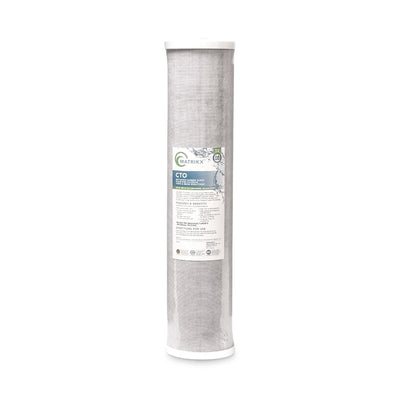
For chloramine, the most common home treatment path is properly sized carbon, often catalytic carbon. Catalytic carbon is still carbon, but it is processed to react more effectively with chloramine than standard activated carbon. The point is not a magic media name; the point is contact time and a verified reduction claim.
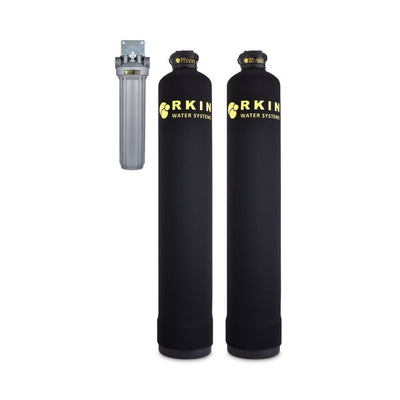
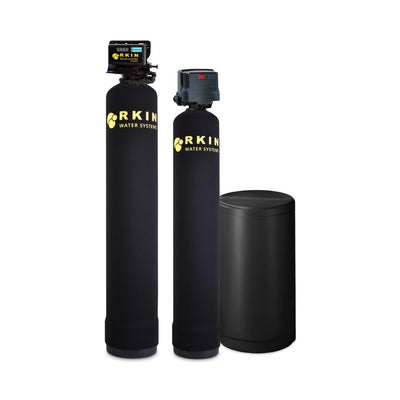
Whole-house systems can be useful when chloramine taste or odor is a whole-home issue. A large carbon bed gives water more time in contact with the media than a small fridge cartridge. If you are evaluating a whole-house system, ask what media it uses, what flow rate it is rated for, and whether chloramine is named in the performance information.
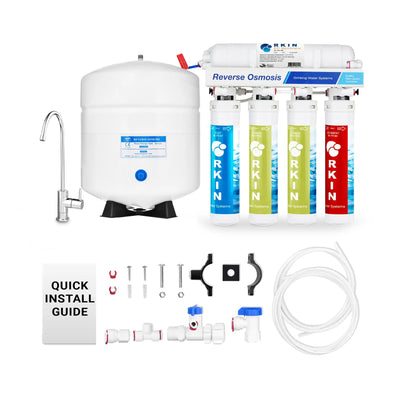
Reverse osmosis can also be a strong drinking-water strategy, but the design matters. The CDC explains that reverse osmosis systems can reduce some chemicals and that labels should be checked for the specific chemicals a system removes. In many residential RO designs, carbon stages before and after the membrane improve taste and help protect the membrane. If chloramine is your specific concern, confirm the carbon stage and chloramine claim instead of assuming the RO membrane alone is the answer.
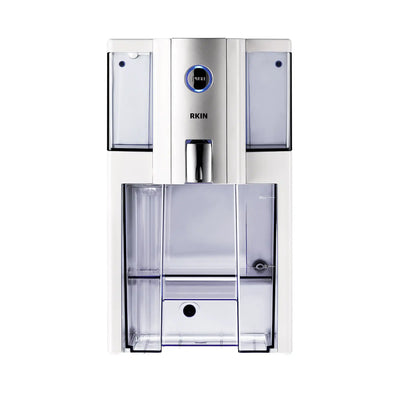
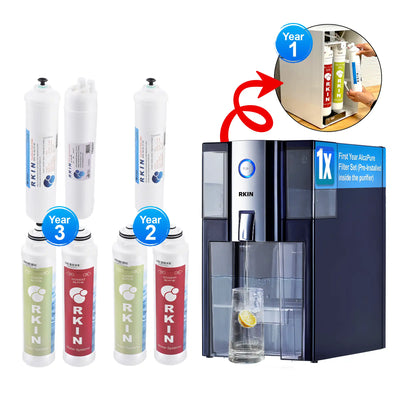
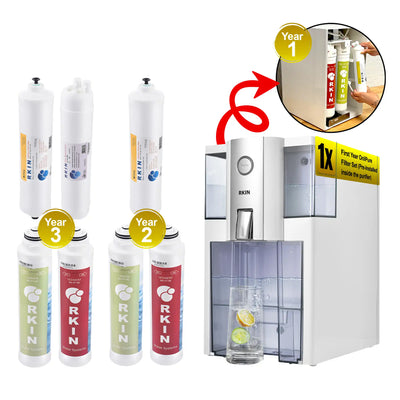
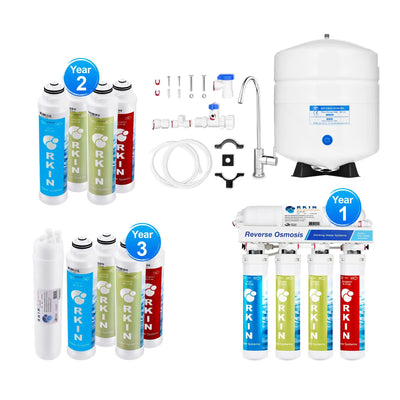
For renters or homeowners who want drinking-water filtration without changing plumbing, the RKIN Zero Installation Purifier Countertop Reverse Osmosis Water Filter is a no-plumbing countertop option for drinking and cooking water. For a permanent kitchen setup, the RKIN Flash Undersink RO System keeps the system under the sink with a dedicated faucet. If your concern includes whole-home taste, odor, and water feel, start with RKIN’s whole house water treatment collection and match the system to your utility report.
Chloramine vs. Other Tap Water Problems
Chloramine is easy to confuse with other water complaints. A swimming-pool smell points toward disinfectant residual, but a rotten egg smell usually points somewhere else. A metallic taste may come from plumbing, iron, manganese, corrosion, or a water heater. A plastic taste can come from new tubing or a refrigerator line. Cloudy water may be trapped air, sediment, or a pressure change.
That is why the sequence matters. Identify the pattern before buying equipment:
- Does it affect hot water, cold water, or both?
- Did it start after utility work, a filter change, or a vacation?
- Does the taste show up at every tap or one appliance?
- Does your utility report list chloramine as the disinfectant?
- Does your current filter name chloramine on the label?
If the answer points to chloramine, choose a system with a chloramine reduction claim and enough media contact time for your home’s flow. If the answer points to a localized issue, fix that fixture, appliance, or cartridge first.
Me personally, I would confirm chlorine or chloramine with the utility before choosing carbon media.
Frequently Asked Questions
Is chloramine in drinking water allowed?
Yes. EPA says chloramines are used as drinking water disinfectants and that water containing chloramines within regulatory standards is suitable for drinking, cooking, bathing, and household use. The homeowner question is usually taste and filter selection, not whether chloramine is automatically a violation.
Does a regular carbon filter remove chloramine?
Some carbon filters may reduce chloramine, but many basic pitcher or refrigerator filters are built mainly for chlorine taste and odor. Check the exact product label or performance sheet. For chloramine, catalytic carbon or a larger carbon system with enough contact time is often the better fit.
Does reverse osmosis remove chloramine?
A home RO system should be judged by the full design, not the membrane alone. Carbon stages in the system are important for taste and membrane protection. If chloramine is your concern, check whether the system or its carbon stages make a chloramine reduction claim.
How do I know if my city uses chloramine?
Read your utility’s annual water quality report or search the utility website for “chloramine,” “monochloramine,” or “disinfectant residual.” You can also call the utility and ask what residual disinfectant is used in the distribution system.
Should I filter chloramine at one tap or the whole house?
If the issue is drinking water, coffee, tea, ice, or cooking, start with point-of-use filtration at the kitchen. If the taste or odor affects showers, laundry, and every tap, a whole-house carbon system may be the better scope.
Ready to Improve Your Tap Water?
If your water report shows chloramine and your current filter is not built for it, upgrade based on the contaminant claim, not the filter category. For drinking and cooking water, compare the RKIN Zero Installation Purifier Countertop Reverse Osmosis Water Filter and the RKIN Flash Undersink RO System. For whole-home taste and odor goals, review RKIN’s whole house water treatment options and choose from your report, not guesswork.






0 comments