




hard water shower filter
Do Shower Head Filters Help with Hard Water? RKIN Guide

A shower head filter can make your shower feel better, but it usually cannot solve hard water at the source. The 2024 USGS Water Science School explains that water hardness comes mainly from dissolved calcium and magnesium. Those minerals do not disappear just because water passes through a small cartridge at the shower arm.
So, do shower head filters help with hard water? They can help with some shower-specific issues, especially chlorine taste or odor in water vapor and sediment caught by the cartridge. But if your real problem is white scale on glass, crusty fixtures, stiff laundry, or mineral buildup across the home, a shower head filter is only a small point-of-use fix.
The Problem: Hard Water Is a Whole-Home Issue
Hard water starts before the bathroom. As water moves through rock and soil, it can pick up calcium and magnesium. The USGS describes hardness as a natural part of water chemistry, especially in areas with limestone, chalk, or gypsum. That is why two homes in different regions can have very different shower glass, faucet buildup, and soap performance.
Hardness is usually measured in grains per gallon or milligrams per liter as calcium carbonate. The higher the hardness, the more likely you are to notice scale on fixtures, cloudy spots on dishes, and soap that does not rinse the way you expect. The EPA treats hardness as an aesthetic and operational concern rather than a primary drinking water contaminant. That does not make it harmless to your home routine; it just means it is not managed like regulated contaminants under the Safe Drinking Water Act.
The challenge is that hard water touches everything connected to plumbing. A shower head filter only treats water at one outlet. It does nothing for the water heater, dishwasher, washing machine, kitchen faucet, refrigerator line, guest bath, or hose bib. If scale is forming around the shower head, it is probably forming in other places you cannot see.
That is why the right answer depends on the symptom. If you only dislike the smell of shower water, a shower filter may help. If you are tired of mineral scale throughout the house, the solution needs to start closer to the main water line.
What Doesn’t Work: Expecting a Shower Filter to Soften Water
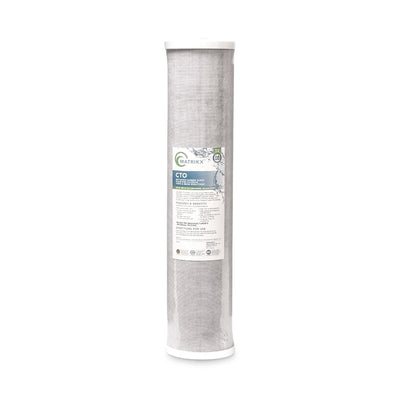
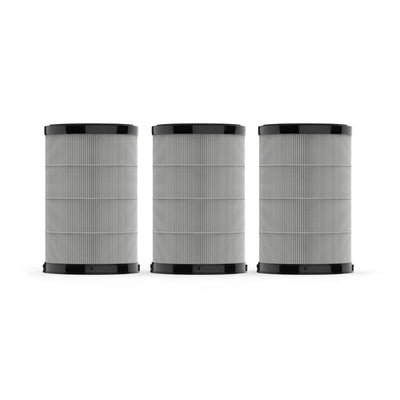
Most shower head filters are small cartridges filled with carbon, KDF media, ceramic balls, or similar materials. Some can reduce chlorine taste and odor or trap visible sediment. Those are useful jobs, but they are not the same as softening or conditioning hard water.
A true softening process removes hardness minerals through ion exchange. A salt-free conditioning process changes how minerals behave so they are less likely to stick to surfaces as hard scale. A shower head cartridge usually does neither at a home-wide level. Its size, contact time, and flow rate are limited.
That is where confusion starts. A product may say it is “for hard water” because it is installed in a hard-water shower, not because it removes calcium and magnesium. If mineral spots return after wiping down glass, or the shower head keeps clogging, the cartridge is not addressing the root cause.
Boiling water does not fix household hardness. Vinegar can clean existing scale from a fixture, but it is not prevention. Replacing shower heads again and again treats the visible endpoint instead of the mineral behavior moving through the plumbing.
The Solution: Match the Technology to the Job
Start by separating three different goals: filtering, softening, and conditioning.
- Filtering: Reduces particles, tastes, odors, or specific contaminants depending on the media and design.
- Softening: Removes calcium and magnesium through ion exchange, usually with salt-based regeneration.
- Conditioning: Changes the way hardness minerals form so they are less likely to attach as hard scale.
For shower comfort, a shower head filter can be a reasonable add-on if chlorine odor or visible sediment is the main complaint. The CDC notes that water quality concerns vary by source and location, so testing and local water reports are useful starting points. If your public water report shows disinfectant levels and your main concern is odor, point-of-use filtration may be enough for that single shower.
For scale, you need to think bigger. The NSF consumer guidance on water softeners explains that softeners address hardness minerals, while other treatment devices may target different water quality issues. A whole-house conditioner is installed at or near the main water line, so it treats water before it reaches showers, sinks, and appliances.
A salt-free conditioner is not the same as a salt-based softener. It does not remove minerals from the water or create the slippery feel some people associate with softened water. Instead, template-assisted crystallization media is designed to convert dissolved hardness minerals into microscopic crystals that are less likely to bond to surfaces. That makes it a fit for homeowners who want scale control without salt bags, brine discharge, or the feel of traditional softened water.
Before choosing, check your hardness level. You can use a home test strip for a quick estimate or request a local water report. The EPA’s Consumer Confidence Report page can help public-water customers find annual water quality reports. If you use a private well, testing is your responsibility, and results can vary by season and location.
How RKIN Fits Hard Water and Shower Scale
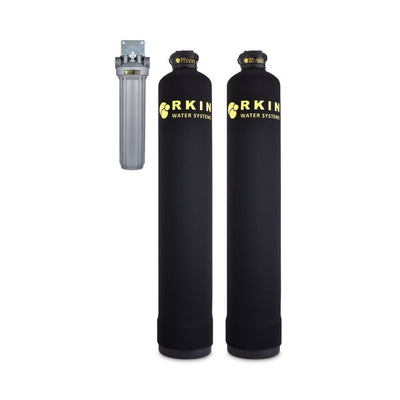
This is what the RKIN OnliSoft Salt-Free Water Conditioner is designed for: reducing hard-water scale behavior before water reaches the shower. It is installed on the main water line and uses salt-free conditioning media, so the bathroom is not the only treated point.
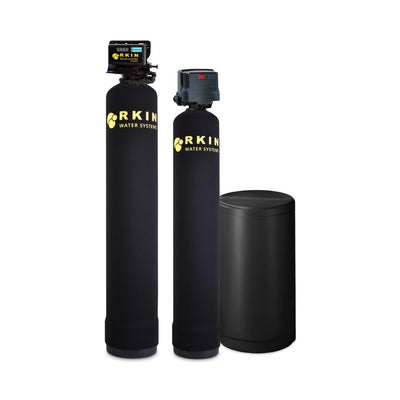
For homes that also want whole-house carbon filtration, the RKIN OnliSoft Pro Salt-Free + Carbon Combo pairs salt-free scale control with carbon filtration in one home-wide setup. That can make sense when your water concerns include both hardness-related scale and taste or odor issues tied to chlorine or other common aesthetic concerns.
If you are still comparing options, the RKIN whole-house water treatment collection is a better place to start than another shower cartridge when symptoms show up in more than one room.
When a Shower Head Filter Is Still Worth Using
A shower head filter is not useless. It is just often oversold as a hard-water cure. It may be worth using when you rent, cannot access the main water line, or want a low-commitment way to address one shower. It can also be a short-term layer while you plan a whole-house project.
Here is a practical decision guide:
- One shower smells like chlorine: A shower head filter may help at that fixture.
- Every faucet has scale: Look at a whole-house conditioner or softener approach.
- Shower heads clog repeatedly: Hardness minerals are likely moving through the plumbing before the filter.
- You rent and cannot modify plumbing: A shower filter can be a reasonable temporary option.
- You own the home and want less scale everywhere: Treat water near the main line instead of at one shower.
Also consider flow rate and maintenance. Shower filters add media between the pipe and shower head, so clogged cartridges can reduce flow. Replacement timelines vary by product and water quality. If you choose a shower filter, follow the maker’s cartridge schedule and inspect it regularly. An old cartridge can become a flow restriction even if it helped at first.
For a homeowner, the bigger question is not “Can I attach something to the shower?” It is “Where does the problem begin?” If the problem begins with hardness minerals entering the home, treating one endpoint will always leave gaps.
Frequently Asked Questions
Do shower head filters help with hard water?
They can help with some shower-specific issues, such as chlorine odor or sediment, depending on the cartridge. Most shower head filters do not remove calcium and magnesium at the level needed to truly soften water or stop whole-home scale.
Can a shower filter remove calcium from water?
Most shower filters are not built to remove meaningful amounts of calcium at shower flow rates. Removing hardness minerals usually requires ion exchange softening. Salt-free conditioning uses a different process to reduce scale behavior rather than removing minerals.
Why do I still see white spots after using a shower filter?
White spots usually come from hardness minerals left behind as water dries. If the shower filter does not remove or condition those minerals, spots can return. Whole-house treatment is often a better fit when scale appears on glass, faucets, and appliances.
Is a salt-free conditioner the same as a water softener?
No. A salt-free conditioner does not remove calcium and magnesium. It changes how hardness minerals behave so they are less likely to stick as hard scale. A traditional softener removes hardness minerals through ion exchange.
What is the best solution for hard water in the shower?
If only one shower has an odor concern, a shower filter may be enough. If the issue is mineral scale, clogged shower heads, or spots throughout the home, a whole-house conditioner or softener approach is usually more suitable.
Does RKIN offer a whole-house hard water option?
Yes. The RKIN OnliSoft Salt-Free Water Conditioner is designed for salt-free scale control at the main water line. The RKIN OnliSoft Pro Salt-Free + Carbon Combo adds whole-house carbon filtration for broader taste and odor concerns.
Ready to Tackle Hard Water at the Source?
A shower head filter can be a useful add-on, but hard water usually needs a main-line strategy if scale shows up throughout the home.
Explore the RKIN OnliSoft Salt-Free Water Conditioner for salt-free hard-water scale control designed to work before water reaches your shower, faucets, and appliances.





0 comments