


freeze-protection
Water Filter in Garage: How to Prevent Freeze Damage

Installing a water filter in garage space requires a temperature plan for the equipment and its connections. The U.S. Geological Survey's Water Density explainer, reviewed on 10/20/2026, describes water's freezing point as 32°F and explains that ice is less dense than liquid water. Water takes up more space as it freezes, which matters inside enclosed plumbing.
Inspect a garage installation before cold weather arrives. The goal is not to guess how many hours a filter can withstand freezing. It is to keep every component within its approved conditions or arrange a manufacturer-approved shutdown before exposure becomes a problem.
Why Garage Filters Need Their Own Cold-Weather Plan
An attached garage is not automatically a conditioned room. Its temperature can differ from the rest of the house, especially near a large door, an exterior wall, or an opening around a pipe. A warm hallway tells you little about the air beside the filter housing overnight.
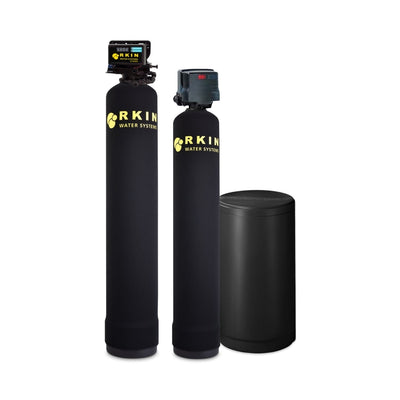
Walk through the complete installation. A whole-house setup may include a media tank, a separate sediment housing, bypass valves, connecting hoses, and exposed pipe. Depending on the equipment, it may also have a control valve, drain line, or other components. The largest tank is only one part of the inspection.
The manufacturer's operating limits matter before freezing occurs. Confirm the approved temperature range for the RKIN Whole House Carbon Water Filter System and every separate component with RKIN before choosing a garage location. Do not use water's freezing point as the equipment's minimum operating temperature.
Measure the actual area with a suitable thermometer or temperature logger, including the coldest period you can observe. Tell the installer where you measured. A sensor near the interior doorway may miss a colder corner beside the garage door.
A useful plan covers both ordinary winter operation and a loss of heat or power. The National Weather Service's winter preparation guidance, reviewed on 10/20/2026, identifies loss of heat and power among the main concerns at home. Water-treatment planning should account for those interruptions rather than assuming the building will always stay warm.
What Does Not Guarantee Freeze Protection
Wrapping a tank in a blanket does not prove that the valves, housing, or nearby pipes will remain within their temperature limits. Insulation can slow heat transfer, but it is not a source of heat. A covering also makes leaks and some connections harder to inspect if it is poorly fitted.
Turning a bypass valve is not the same as draining a filter. A bypass changes the route water takes; it does not establish that every chamber, valve pocket, cartridge, or hose is empty. The correct shutdown procedure depends on the equipment. Never assume that an isolated tank is protected just because the house still has running water.
Leaving a faucet dripping is not a complete equipment plan either. Whether water moves through every component depends on the plumbing layout and valve positions. Follow your local utility's freeze guidance, but ask the manufacturer separately how the treatment equipment must be protected.
Improvised heat adds another problem. Do not put an open flame near plumbing, wrap an unapproved heating product around a plastic housing, or leave a portable heater as an unattended substitute for a proper installation. Any heating method needs to be suitable for the location, materials, electrical conditions, and manufacturer's instructions. Have a qualified installer resolve those details before relying on it.
Build a Freeze-Protection Plan Around the Exact System
The first recommendation is simple: establish whether the installation can stay within every component's approved limits. If it's okay, take a few clear photos and collect the model information before asking for a winter plan. That gives the installer something more useful than a description of a blue tank.
Map the equipment and the exposure
Record the model of each treatment unit and identify its manual. Include separate housings, powered controls, and any small lines running away from the main assembly. Photograph the inlet, outlet, shutoffs, and visible drain connections without changing valve positions.
List the nearby sources of cold air: garage doors, wall penetrations, crawl-space connections, and outdoor sections of pipe. Ask whether relocation to a suitable protected area or an approved enclosure is the better long-term approach. Keep required ventilation, access, service clearance, and local codes in that decision.
Choose operation or shutdown deliberately
For a home used throughout winter, the plan must keep the whole installation within its specified conditions. Ask how temperature will be maintained and how you will detect a problem if heat fails. A thermometer documents conditions; it does not protect the equipment by itself.
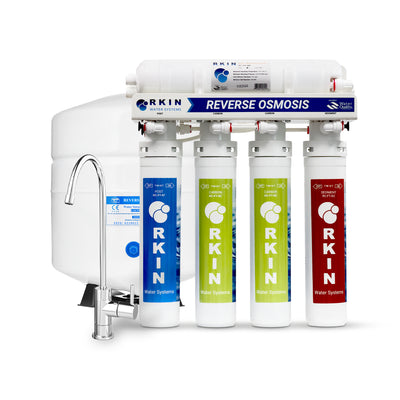
For a seasonal home or unheated garage, obtain a written, model-specific winter shutdown procedure. It should identify isolation, pressure relief, draining, storage or preservation requirements, and spring restart. Do not loosen a housing that may be pressurized. Media tanks, cartridge filters, and RO systems do not share one universal draining procedure.
Do not add antifreeze or other chemicals to drinking-water treatment equipment unless the manufacturer explicitly provides an approved procedure for that exact system. General advice about winterizing a building's drain traps is not an instruction for preserving a filter or membrane.
Include a restart check
Ask what inspection, flushing, sanitizing, or replacement steps apply after storage or suspected freezing. These instructions vary by product. Record them with the shutdown plan so the person reopening the home does not have to reconstruct the process.
If you discover a leak, damaged housing, or suspected frozen equipment, keep people away from wet electrical equipment and contact a qualified professional. Do not force valves, apply sudden high heat, or restore pressure simply to see whether a crack appears. Arrange inspection before returning the affected system to service.
Planning an RKIN Whole-House Installation
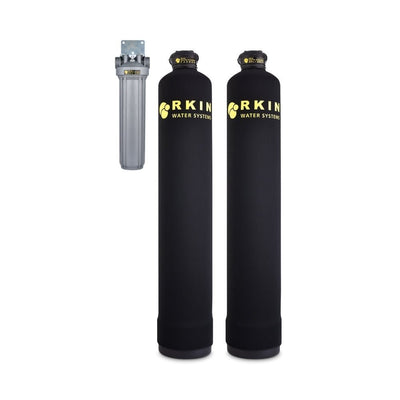
This is where the RKIN Whole House Carbon Water Filter System needs to be considered as an installation, not just a tank. The live product page lists a carbon tank, a separate ZEE Pro sediment housing, and a bypass among the supplied components. The temperature plan must account for the full assembly and its connections.
Confirm the system's approved operating temperature range with RKIN before choosing the installation location. Do not assume the equipment is suitable for a garage that may freeze. Confirm the location, local winter conditions, service access, and any shutdown requirements before choosing where it will go. A smaller drinking-water unit would also require its own approved location and storage conditions; changing treatment type does not remove the need for planning.
We would review the water problem and the installation environment together before recommending equipment. The right filtration design and the right location are separate checks. Both need to fit the home. Ask for the exact model's current instructions rather than applying a generic winter checklist to every RKIN system.
Frequently Asked Questions
Can a whole-house water filter be installed in a garage?
It may be possible if the location satisfies the exact equipment's installation and operating requirements, along with local codes. A garage is not suitable merely because it is attached to the house. Check temperature exposure, access, support, plumbing connections, and any electrical or drain requirements with the manufacturer and installer before choosing the location.
At what temperature will my water filter freeze?
Water's freezing point is 32°F, but that is not a safe operating target for equipment. The manufacturer's minimum operating temperature may be higher. Confirm the approved limits for the RKIN Whole House Carbon Water Filter System and every separate component with RKIN. Local conditions, exposure duration, and temperatures at individual components all matter; there is no universal countdown to damage.
Will insulating my filter tank keep it from freezing?
Insulation alone is not a guarantee. It can slow heat loss, but it does not supply heat, and exposed connections may be colder than the wrapped tank. Have the installer evaluate the full system and choose a method consistent with its instructions. Keep valves and service points accessible, and avoid coverings that hide leaks or interfere with equipment operation.
Does putting the filter in bypass winterize it?
Not necessarily. Bypass routes the water differently but can leave water trapped inside the treatment equipment. Winterization may require additional isolation, pressure relief, draining, or preservation steps. Those steps depend on the exact model. Obtain the manufacturer's procedure instead of assuming a valve position proves that a housing or media tank is empty.
Should I drain a garage filter before leaving for winter?
If freezing exposure is possible, arrange the plan before leaving. The answer may involve maintaining approved conditions, relocating equipment, or performing a model-specific shutdown. Do not drain or dry media and membranes by guesswork; storage requirements differ. Have the installer document what to do, who will check the property, and how the system will be restarted.
Can I use a filter again after it has frozen and thawed?
Do not treat thawing as proof that the equipment is undamaged. A professional should assess the housing, fittings, valves, and treatment components before pressure is restored. Ask the manufacturer which parts require replacement and which performance checks apply. Normal appearance, taste, or water flow alone does not verify the condition of equipment after a freeze event.
Ready to Upgrade Your Water?
Before selecting a whole-house filter, bring the water report, proposed installation photos, and expected winter temperature conditions into the same conversation. That makes it easier to match the treatment to your water and the location to the equipment. Review the RKIN Whole House Carbon Water Filter System product page with your installer, including its operating specifications and supplied components. Confirm a suitable location and a written cold-weather plan before scheduling installation in a garage or other exposed space.




0 comments