


hard water shower head clog
Low Shower Pressure From Hard Water: What to Check

Low shower pressure is not always a plumbing-line problem. If one shower is weak and the shower head has white crust around the spray holes, hard water scale may be choking the flow before you ever need to blame the main line.
That white crust is your water leaving evidence. It is usually calcium and magnesium scale — minerals that were dissolved in the water until heat, evaporation, and time pulled them out onto the fixture. If the same crust shows up on faucets, glass, and appliances, the shower is probably not the only place it is building.
Can hard water cause low shower pressure?
Yes, hard water can cause low shower pressure at the fixture level. Hardness minerals can form scale inside the shower head, around spray nozzles, in the arm connection, and sometimes inside valves or mixing parts.
Penn State Extension’s water softening guide explains that calcium and magnesium are the minerals that make water hard, and that hard water can form scale deposits in plumbing and appliances. In a shower, those deposits do not need to block a large pipe to be noticeable. They only have to narrow tiny spray openings.
That is why the symptom often starts small. One spray pattern gets crooked. Then a few holes stop spraying. Then the shower feels weaker even though the rest of the house still seems normal.
The key is location. If every fixture in the home suddenly has low flow, treat that as a broader pressure issue. If one shower head is crusted over and the bathroom faucet still runs normally, start local.
Why shower heads clog before you notice other problems
A shower head is built with small passages. That is the point: it turns a water line into a controlled spray pattern. The downside is that tiny openings are easy places for minerals to collect.
Hard water becomes more visible where water heats, dries, or sprays. A shower does all three. Hot water leaves the heater, runs through the valve, exits through small holes, and then dries on metal, plastic, glass, and tile. Each cycle can leave a small deposit behind.
Over time, the pattern changes. You may see:
- White crust around the face of the shower head
- Spray that shoots sideways instead of straight down
- One weak shower while other fixtures feel normal
- A shower head that works better for a week after cleaning, then clogs again
- Cloudy spots on glass doors or tile after water dries
- A faucet aerator in the same bathroom that also needs cleaning often
That last clue matters. If the shower head and faucet aerator both clog, you are probably seeing a water pattern, not just a bad shower head.
What to check before replacing the shower head
Start with the easiest test: remove the shower head if you can do it without damaging the finish. Turn on the water briefly with the head removed and aim it safely into the tub or shower.
If the flow from the open shower arm is strong, the shower head is the restriction. Clean it, replace it, or upgrade it if it is worn out.
If the flow from the open shower arm is still weak, the restriction may be upstream: the shower valve, cartridge, shutoff, pressure-balancing part, supply line, or a broader home pressure issue. That is when a plumber makes more sense.
Next, check whether the problem is hot water, cold water, or both. If only hot water is weak, hardness scale inside hot-water equipment or the mixing valve may be part of the story. If both hot and cold are weak only at the shower, the shower head or valve is more likely.
Then look at timing. Did the pressure drop suddenly after plumbing work? Did it happen slowly over months? Sudden changes point to debris, a stuck valve, a failed cartridge, or municipal work. Slow changes with white crust point more toward scale.
No right way or wrong way here — just do the simple checks before buying parts.
What usually does not solve the root cause
Soaking the shower head in vinegar can remove visible scale. That may be the right first move. But if the shower clogs again a few weeks later, the water is still bringing minerals to the fixture.
Replacing the shower head can also help, especially if the old one has internal buildup that will not clean out. But a new shower head in the same hard-water home is still being fed by the same water.
A shower filter is another common move. It can help with some taste, odor, or chlorine concerns depending on the filter design. It is not usually the main answer for hardness scale. Most shower filters do not soften water, and many are not sized to stop calcium and magnesium scale throughout the bathroom.
That is the honest limitation: a shower-head fix can clean the symptom, but it does not treat the water entering the bathroom. If only one fixture bothers you, that may be enough. If scale is showing up around the house, keep looking upstream.
When low shower pressure points to a whole-home issue
One clogged shower head is normal maintenance. Multiple hard-water signs across the house are different.
Look beyond the bathroom:
- Kitchen faucet aerators clog or need frequent cleaning
- Dishwasher leaves spots or white film
- Kettle, coffee maker, or humidifier develops white crust
- Shower glass clouds quickly after cleaning
- Laundry feels stiff or towels lose absorbency
- Water heater pops, rumbles, or seems less steady over time
The EPA’s secondary drinking water standards guidance separates aesthetic and nuisance issues from primary health standards. Scale, taste, odor, and mineral-related complaints often fall into that nuisance category: not always an emergency, but still worth fixing when they affect fixtures, appliances, and daily use.
That framing helps. Low shower pressure from scale is rarely the only data point. It is usually part of a pattern you can see with your eyes.
What works for hard-water shower scale
If the shower head is already clogged, clean or replace the fixture first. A whole-home system will not magically open spray holes that are packed with old scale. Fix the current restriction, then address the water so the cycle slows down.
For the water side, the main choices are a salt-based softener or a salt-free conditioner.
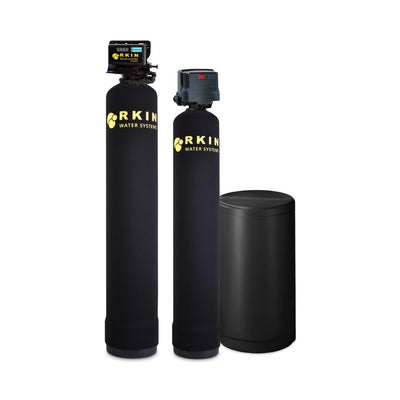
A salt-based softener removes hardness minerals inside the system before the water reaches the fixtures. It is the traditional answer when you want true soft water throughout the house.
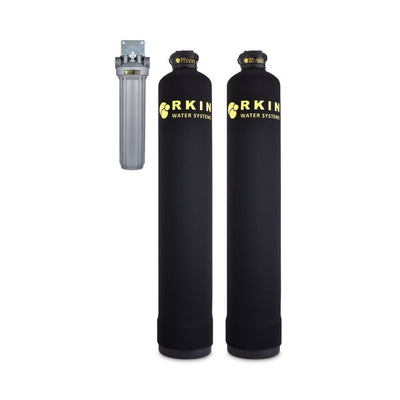
A salt-free conditioner does not remove calcium and magnesium the same way. It changes the way scale-forming minerals behave so they are less likely to stick to surfaces. That can be a strong fit when the main complaint is white crust on fixtures, shower glass, and appliances, and you want to avoid salt handling.
Which one fits depends on your water test, hardness level, plumbing layout, and personal preference. In my house, I would start with the test result and the symptom list. If the issue is mostly fixture scale, a conditioner may be enough. If the issue is hard-water feel, poor lather, and laundry performance, true softening may make more sense.
Where RKIN fits
RKIN’s Whole House Water Treatment options are built for this exact diagnostic path: find out whether the shower head is the problem, or whether the shower head is only reporting what the whole house is seeing.
The RKIN Water Softener System is the salt-based route for true softening. The RKIN OnliSoft Salt-Free Water Conditioner is the salt-free route for scale control. If your home also has chlorine taste, sediment, or other city-water concerns, a broader whole-home setup may make more sense than a hardness-only answer.
The reason I would not jump straight to a product is simple: low shower pressure has multiple causes. We want the right fix, not the most expensive fix. Clean the shower head, check flow at the arm, test hardness, then choose the water treatment that matches the pattern.
Frequently Asked Questions
Why is my shower pressure low but other faucets are fine?
If only one shower is weak, the restriction is often local: the shower head, shower arm, cartridge, valve, or mineral buildup around the spray holes. If the shower head has white crust and the open shower arm flows well, hard water scale may be the main issue.
Can a clogged shower head reduce water pressure?
Yes. A shower head has small spray openings that can clog with mineral scale or debris. The home’s water pressure may be fine, but the water cannot pass through the shower head evenly, so the shower feels weak.
Does hard water damage shower heads?
Hard water can shorten the useful life of a shower head by leaving mineral deposits in and around the spray openings. Cleaning can help, but repeated clogging often means the water feeding the fixture still needs attention.
Will a shower filter fix hard water pressure problems?
Usually no. Many shower filters are designed for taste, odor, or chlorine-related concerns, not true hardness reduction. If scale is clogging the shower head, clean the fixture first and consider whole-home hardness treatment if the issue keeps coming back.
Should I get a water softener or a salt-free conditioner?
Choose based on the job. A salt-based softener removes hardness minerals and creates true soft water. A salt-free conditioner focuses on scale control. For shower-head scale, either may fit depending on water hardness, home layout, and whether you want the feel of soft water.
When should I call a plumber for low shower pressure?
Call a plumber if the flow is weak even with the shower head removed, if hot and cold behave differently in a way you cannot explain, if pressure changed suddenly after plumbing work, or if multiple fixtures across the home lost flow at once.
Ready to Stop Cleaning the Same Shower Head?
If the shower head clogs once, clean it. If it keeps clogging and the house has other hard-water signs, test the water and solve the pattern.
Start with RKIN’s Whole House Water Treatment options, or contact RKIN if you want help deciding whether a softener, conditioner, or broader setup fits your home.




0 comments