


how to service an abandoned water system
Water Filter Installer Ghosted You? Here's How to Protect Yourself

The call goes to voicemail. The inbox bounces. The website is down. The installer who sold you a twelve-thousand-dollar whole-house water treatment system six months ago — and was scheduled to come back this week to swap filters and check the softener — has disappeared.
It happens more often than the industry likes to admit. Water treatment is a local, fragmented business, and local businesses close. A homeowner posted this week that the contractor who installed his family's system shut down mid-job, leaving the equipment sitting in a garage and no one willing to finish the work. A 2024 trade association survey estimated that roughly eight percent of small residential water treatment contractors change ownership or close every year. If you own a home long enough, the odds catch up with you.
You still have a working system in your basement or utility room. You still have filters that need changing and media that needs servicing. And you almost certainly still have a warranty on paper, even if the warranty holder has vanished. Here is exactly what to do, in order, when your installer ghosts you.
Step One: Find Out What You Actually Own
Before you call anyone, figure out what is sitting in your utility room. Most abandoned-installer situations get harder because the homeowner cannot answer the first question any replacement company asks: what brand and model is your equipment?
Walk down to the system and take photos of every sticker, label, and serial plate on:
- The control valve head (the plastic cap at the top of the resin or media tank)
- The media tank itself
- The brine tank, if there is one
- Any inline cartridge housings
- The reverse osmosis unit, if applicable
- The UV chamber, if applicable
The control valve is the most important. Major brands in this space — Clack, Fleck, Autotrol, Pentair — all stamp their name on the valve body. If you see one of those names, the equipment itself is still supported by the manufacturer, even if your installer is not. That is the single most valuable piece of information you can gather in the first 10 minutes.
If the equipment has no brand name visible anywhere, it is what the industry calls "private label." A private-label system was built by a factory that sells to dealers, who put their own sticker on it. When the dealer disappears, the private label often becomes effectively orphaned — parts are still available, but only a tech familiar with that factory line can identify them.
Step Two: Dig Up Your Paperwork
Find your original sales contract, warranty card, and any permits filed with the city or county. Check your email for the order confirmation and the installation day photos the installer may have texted you. If you financed the system, the finance company has a copy of the contract on file — a quick call to them can usually recover it.
What you are looking for:
- The manufacturer name and model number of every major component
- Warranty terms — who issued the warranty (the installer or the manufacturer), how long, and what it covers
- Media type and quantity — how many cubic feet of resin, carbon, or specialty media are in each tank
- Installation date — this determines where you are in the warranty window
- Any financing or lien documentation — some installers file liens against the home
If the warranty was from the manufacturer, not the installer, it usually transfers with the equipment and stays in force even if the seller is out of business. Call the manufacturer directly with the model and serial number and ask for a list of certified service companies in your zip code. Most major manufacturers run an installer-locator tool on their website and will refer you for free.
If the warranty was only from the installer — which is common for house-brand equipment — it is almost certainly void the moment they close. Painful to hear, but better to know.
Step Three: Get the System Serviced
The immediate practical need is usually a filter change or a salt refill. Both are doable without the original installer.
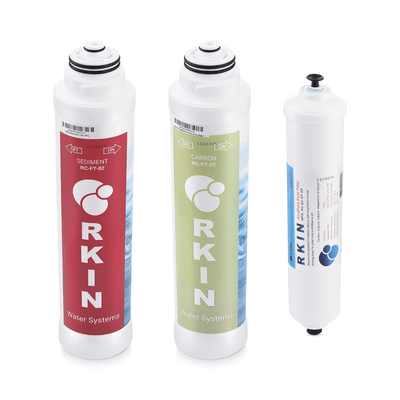
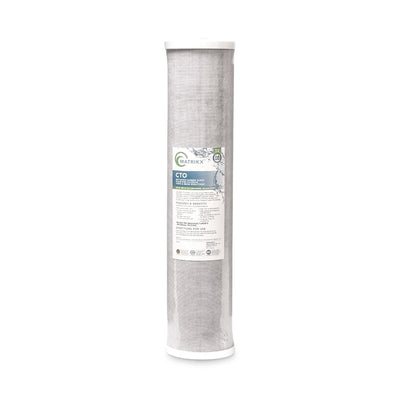
- Cartridge filters — Look at the housing size and the gasket. Most residential housings take standard 10-inch or 20-inch cartridges in 2.5-inch or 4.5-inch diameters. Any well-stocked plumbing supply house can match it. Write the dimensions on a piece of tape and bring the old cartridge as a reference.
- Softener salt — If your unit takes salt, any big-box store carries solar or pellet salt. Check your brine tank for a fill line; if it was set up correctly, the line is visible about two-thirds up the tank.
- Media replacement — This is where you need a technician. Resin and carbon swaps require draining the tank, removing the head, and measuring media cubic footage. Do not attempt it without prior experience.
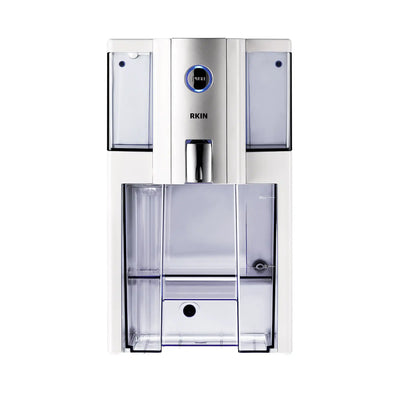
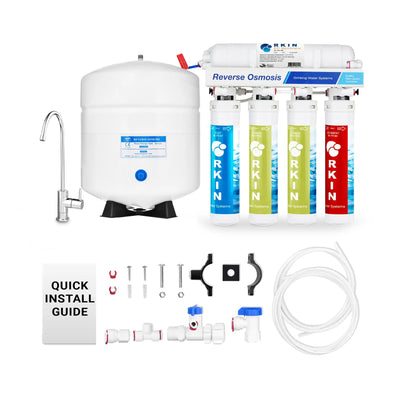
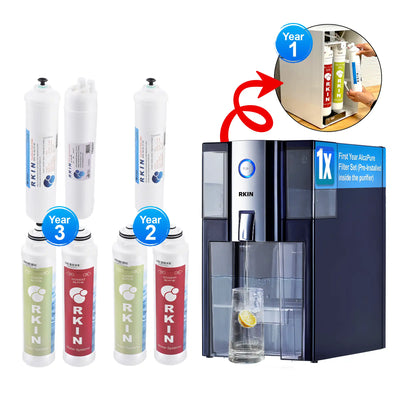
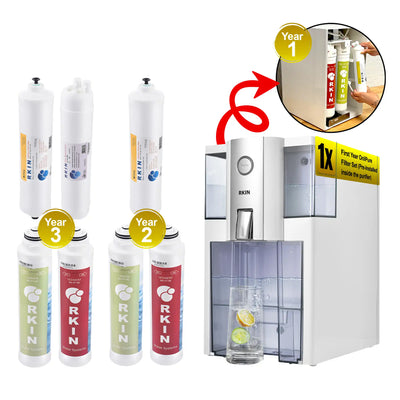
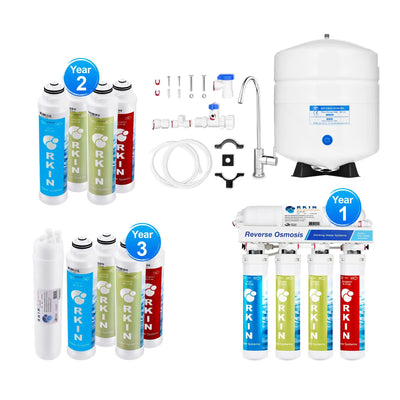
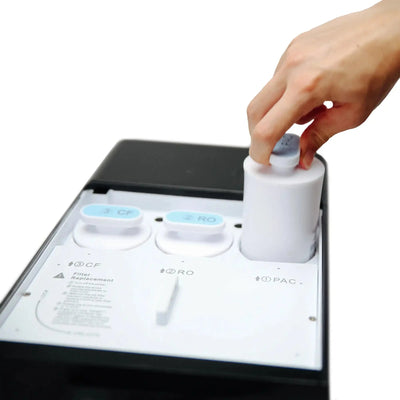
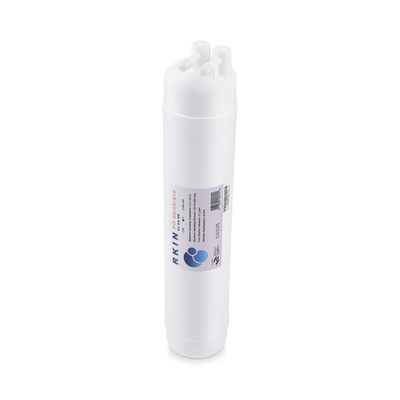
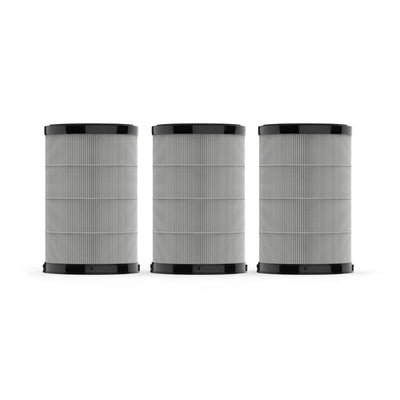
- Reverse osmosis membranes and cartridges — Most under-sink RO systems use standard-size components. A countertop unit like the RKIN Zero Installation Purifier does not require a technician at all — cartridges twist out from the front panel and the homeowner swaps them in a few minutes. That independence is one of the reasons many families choose countertop filtration over a big installed system in the first place.
To find a service tech, call three or four established local water treatment companies and describe what you have. Be honest that your original installer is gone — established companies deal with this regularly and usually have a flat service-call fee for diagnosing orphaned systems. Avoid the cheapest quote. Pick the company that answered the phone quickly, asked specific questions, and committed to a written estimate.
A good diagnostic visit costs between one and three hours of labor plus any parts needed. The tech should test water hardness and chlorine before and after the system, inspect the control valve, check the brine float, and verify media condition. Ask for written notes so you have a record of the system's state for future service.
Step Four: Protect Your Paper Trail
If your installer's disappearance cost you money — refund owed, deposit kept, job left half-finished, defective equipment under warranty — document everything now, before memory fades and records are harder to retrieve.
- Save every email, text, and voicemail from the company in a dedicated folder
- Screenshot the company's website while it is still up, or use the Wayback Machine if it is already gone
- Keep photos of the installation, including date stamps
- Save payment receipts, credit card statements, and financing paperwork
- Check your state's consumer protection office and the Better Business Bureau for a consumer complaint option
- If you paid with a credit card within the last 60 days, consider a chargeback for services not delivered
- If you financed the system, notify the finance company in writing — some lenders will suspend payments on orphaned jobs
Many states have a contractor recovery fund that reimburses consumers for deposits or incomplete work from a licensed contractor. Whether water treatment installers qualify depends on the state. Check your state attorney general's office for the specifics.
Step Five: Decide Whether to Keep, Fix, or Replace
Once you have the paperwork and a diagnostic report in hand, you can make a real decision about the equipment itself.
Keep and service it if:
- The equipment is a known brand (Clack, Fleck, Pentair, etc.) with standard parts
- The media and resin are still within their expected life
- A local company will support it going forward
- The diagnostic found no mechanical failures
Replace it if:
- The equipment is private-label with no serviceable identification
- The tank or control valve has visible damage
- The media is fouled, channeling, or at the end of its life
- The system was sized incorrectly for your home and produces poor results
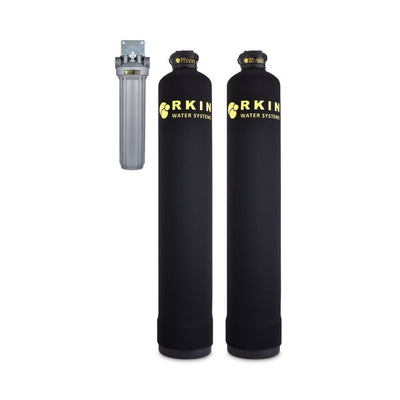
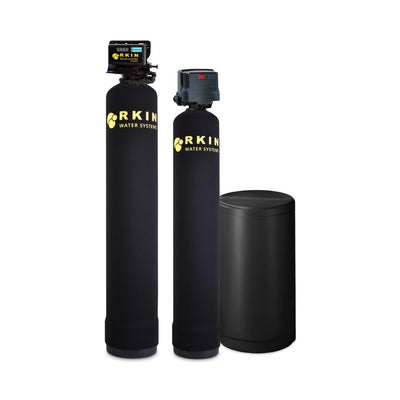
A replacement decision is a chance to choose equipment from a company that will still be around in five years. Look for a manufacturer that sells directly to consumers, publishes full specifications on its product pages, and stocks replacement parts independent of any single installer network. The RKIN whole-house lineup covers softening, filtering, and specialty removal with equipment designed to be serviced by any competent plumber — not locked to a single dealer.
How to Avoid the Trap Next Time
Most homeowners only learn these rules after getting burned. If you are in the market now, or you are helping a family member shop:
- Ask for the manufacturer name on the written quote. If the installer refuses to disclose the brand, walk away.
- Ask for a manufacturer warranty in writing — not just the installer's warranty. Manufacturer warranties survive dealer closures.
- Check how long the installer has been in business. Two years of state license history is a minimum; five is better.
- Verify the installer is licensed and bonded through your state's contractor license board, not just their own website.
- Read the service contract carefully. A legitimate prepaid service plan is held by the manufacturer or a third party, not the installer alone.
- Prefer equipment that a homeowner can maintain. Twist-in cartridges, standard connections, and publicly documented specs all reduce your dependence on a single installer.
The single best protection against installer disappearance is to choose equipment that any competent water professional — or in many cases the homeowner — can service with off-the-shelf parts. That design choice is worth more than the warranty card.
Frequently Asked Questions
My installer is out of business. Is my warranty still good?
It depends on who issued it. A manufacturer warranty usually remains in force — call the manufacturer directly with your model and serial number. An installer-only warranty almost always ends when the installer closes, especially if the business had no successor.
How do I identify a "private label" water softener with no brand name?
Look at the control valve head closely. Even private-label systems are typically built on Clack, Fleck, or Autotrol valves, and the valve itself carries the real manufacturer's logo molded into the plastic. Photograph it and run a reverse image search or call a local dealer for identification.
Can I service my own water softener?
You can refill salt, clean the brine tank, and replace standard cartridge filters yourself. Media replacement, control-valve repair, and resin swaps should be left to a technician unless you have prior experience. Working on plumbing under pressure without the right tools can flood the room quickly.
Are refrigerator and countertop systems easier to service than whole-house systems?
Yes. Countertop reverse osmosis units and refrigerator filters use standard cartridges that the homeowner swaps without tools in a few minutes. Whole-house systems involve larger tanks, pressurized fittings, and specialty media. That is one reason many families keep a countertop filter even after installing a whole-house unit — it remains serviceable no matter what happens to the installer.
What should I do if the installer left the job half-finished?
Document the state of the work, call a replacement company for a diagnostic and completion quote, save every payment record, and file a complaint with your state contractor board. If you paid by credit card recently, you may be able to dispute the charge for services not delivered.
How do I pick a replacement installer I can trust?
Check state license history for at least three years of clean record, verify insurance and bonding, read at least ten recent reviews, and ask for the manufacturer name on the written quote. A legitimate company answers these questions without friction. A sketchy one deflects or refuses.
A Water System You Can Count On
When your installer is gone, the value of your equipment is measured in how easily someone else can keep it running. That is a question worth asking before you buy, not after.
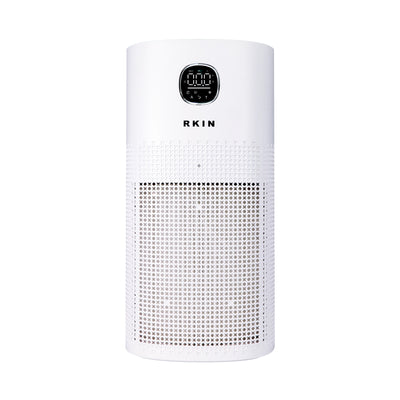
The RKIN Zero Installation Purifier sits on the counter, connects to a standard outlet, and uses cartridges the homeowner replaces in minutes — no installer, no technician, no single point of failure. For whole-house needs, the RKIN whole-house lineup is built on standard, serviceable components so any licensed plumber can maintain it. See the full selection at rkin.com.






0 comments