




agua de pozo marrón tras el ablandador
Brown Well Water After Softener? What to Check First

Brown well water after a softener usually means the softener is not the piece that handles the problem you are seeing. A softener is built for hardness minerals. Brown, amber, orange, or tea-colored water points more toward iron, manganese, sediment, tannins, disturbed well water, or a maintenance issue.
That matters because the wrong next purchase can make the system more frustrating. If your water changed after heavy rain, after opening a seasonal home, after a filter change, or after a long period of low use, slow down and test before adding another cartridge.
Why can well water turn brown after a softener?
A water softener does one main job: it exchanges hardness minerals for sodium or potassium ions. That process can reduce scale buildup, soap scum, and hard-water staining, but it is not a catch-all treatment system for every color, odor, or particle problem in a private well.
The EPA's private well guidance puts testing, maintenance, and treatment decisions on the well owner because private wells are not managed the same way as public water systems. That means the first question is not "which filter should I buy?" It is "what changed in the water?"
Brown or tea-colored water after a softener often comes from one of five buckets:
- Iron or manganese moving through the system.
- Fine sediment stirred up by rain, pump cycling, plumbing work, or a low well level.
- Tannins or natural organic color from nearby leaves, soil, peat, or swampy ground.
- A spent, undersized, or misordered cartridge.
- A softener, pressure tank, or plumbing component that needs service.
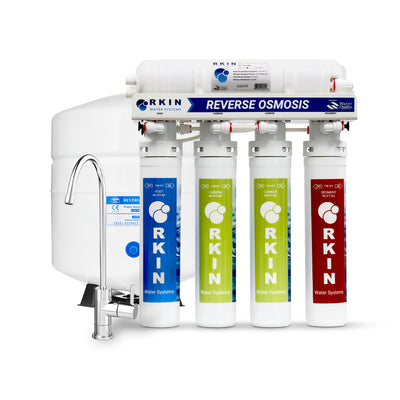
The fix is different for each one. A sediment cartridge can catch grit, but it will not solve dissolved iron. A softener can help with hardness, but it will not remove tannin color. A drinking-water reverse osmosis system can polish water at one faucet, but it is not a whole-home fix for every bathroom, hose bib, and appliance.
What does the color tell you?
Color is a clue, not a diagnosis. Still, the shade and timing can help you choose the next test.
Orange, rusty, or brown water often points toward iron. Iron can be dissolved in clear water and then turn rusty after it meets oxygen, or it can show up as visible particles. Penn State Extension notes that iron and manganese in private water systems commonly create staining, metallic taste, and colored water problems. That is a treatment question, not a softener-only question.
Black or dark brown particles can point toward manganese, old carbon fines, deteriorating rubber parts, or sediment from the well and plumbing. If the particles smear, stain, or collect in toilet tanks, take a photo and save a sample before replacing parts at random.
Tea-colored water that looks clear but amber can point toward tannins or organic color. This is common in some shallow wells and in areas with decaying vegetation. A standard softener is not built to remove that color. Some tannin treatments use specialty resin, but the right call depends on pH, iron, hardness, and the full test report.
Cloudy brown water after heavy rain can point toward surface influence, well-cap issues, disturbed sediment, or a water table change. Rainy season makes this more visible because more water is moving through soil around the well. If the color shows up after storms, do not file it away as a normal cosmetic issue until the well is inspected and tested.
Start with a test, not a filter cart
The fastest way to waste time is to buy a finer filter before you know whether the problem is particulate or dissolved. A cartridge filter catches particles. It does not magically remove everything that causes color.
A useful starting test for brown well water usually includes iron, manganese, hardness, pH, total dissolved solids, turbidity, and bacteria indicators. If your area has known concerns, add the local contaminant panel your county, state, or lab recommends. The EPA's drinking water contaminant overview is a good reference point for how different contaminants are grouped, but your local lab or county extension office can help tailor the test to your well.
In my house, I would not start by buying the smallest micron cartridge on the shelf. I would first collect water from three places:
- A raw-water tap before treatment, if you have one.
- A tap after the softener and whole-home filters.
- The specific faucet where the brown water is most obvious.
Use clean glass jars, label them, and take photos at 5 minutes, 30 minutes, and several hours. If the water clears from the top down or sediment settles at the bottom, particles are likely involved. If the water stays evenly amber, dissolved color may be part of the issue.
What your softener can and cannot do
A softener can be part of a well-water plan, but it should not be asked to do every job.
It can help with hardness, scale, and some low-level dissolved iron when the water chemistry and equipment are right. It cannot reliably solve heavy sediment, tannins, many odor problems, or every iron and manganese condition. If it is overloaded with iron or sediment, it can also foul earlier than expected.
Check the simple items before you blame the entire system:
- Is the bypass valve fully open or partly bypassed?
- Is the brine tank forming a salt bridge?
- Is the softener regenerating on schedule?
- Has the sediment prefilter been replaced on time?
- Did the problem start right after a cartridge change?
- Did the home sit unused for weeks or months?
- Did the problem start after heavy rain, plumbing work, or pump service?
Those questions do not replace testing, but they can prevent an obvious miss. Seasonal homes are especially prone to surprises because stagnant water, changed usage, and storm patterns can expose problems that were not visible during regular use.
A practical checklist for brown well water
Use this order before you commit to a treatment plan.
First, confirm where the color starts. If raw water is brown before any treatment, the well or source water is involved. If raw water is clear but treated water is brown, look at the softener, filter housings, cartridges, pressure tank, and downstream plumbing.
Second, check whether hot and cold water behave differently. Brown hot water can point toward the water heater or hot-side plumbing. Brown cold water at every faucet points more toward the well, main line, or whole-home treatment train.
Third, replace only the cartridge that is due, and keep the old one for inspection. A cartridge packed with orange slime, black fines, or mud tells a different story than a clean cartridge that simply reached the end of its service window.
Fourth, test the water. Do not rely on color alone. Iron, manganese, pH, hardness, TDS, turbidity, and bacteria indicators give you the first decision layer. If you are in a known PFAS, arsenic, nitrate, or agricultural area, add those to the lab order rather than assuming a basic test covers everything.
Fifth, separate whole-home goals from drinking-water goals. Brown water in toilets, showers, and laundry is a whole-home question. Drinking water at the kitchen sink is a point-of-use question. Many homeowners need both lanes, but they should not be mixed together.
Where RKIN fits
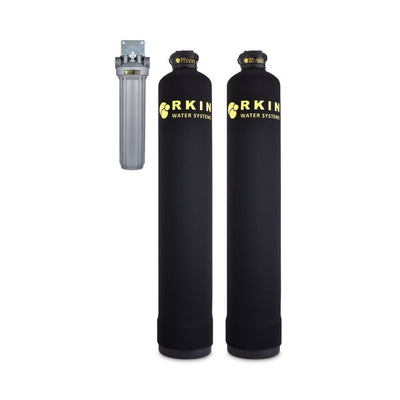
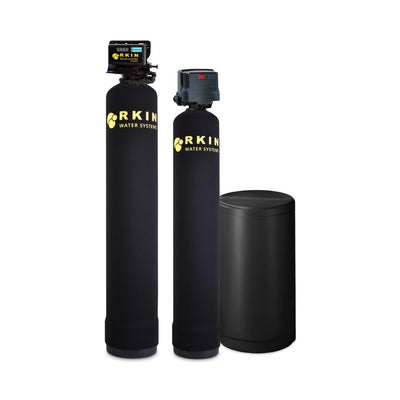
This is where lane selection matters. If your main issue is color, sediment, staining, or well-water behavior throughout the house, start with a whole-home water review. The RKIN whole-house water treatment collection is built around matching the system to the water problem instead of guessing from a single symptom.
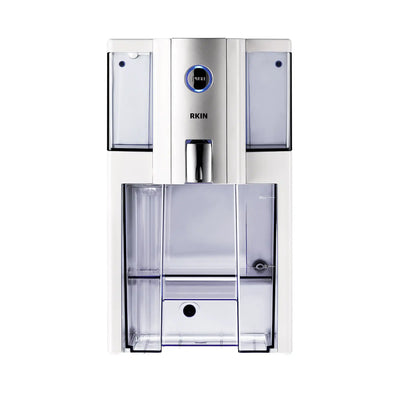
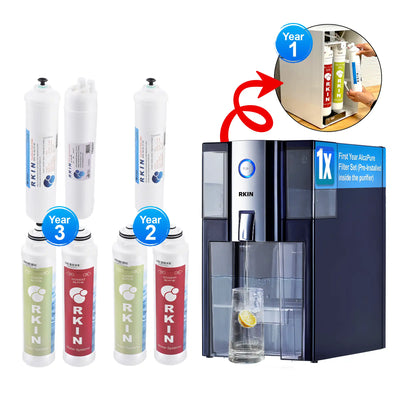
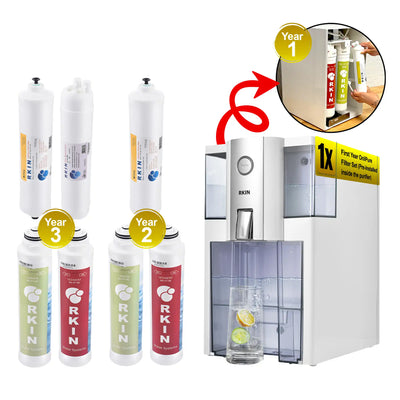
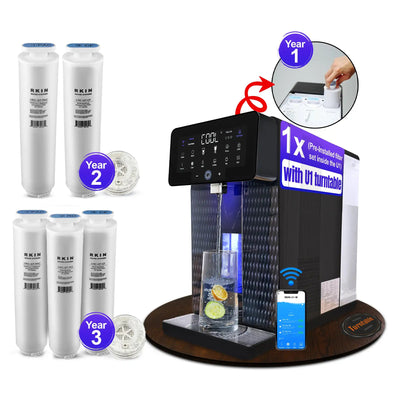
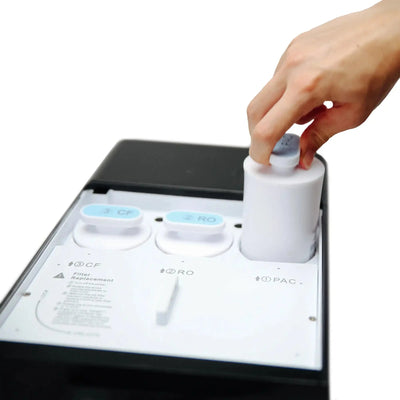
If your whole-home water is stable enough but you want a separate drinking-water layer at the kitchen counter, the RKIN Zero Installation Purifier Countertop Reverse Osmosis Water Filter is designed for countertop drinking water without plumbing changes. That is useful for renters, seasonal homes, or anyone who wants a drinking-water solution while the well treatment plan is being tested.
You may not need a new drinking-water system first when brown water appears throughout the house. Me personally, I would diagnose the well and whole-home treatment first, then consider a countertop or under-sink drinking-water system once the source problem is understood.
Frequently Asked Questions
Why is my well water brown after a softener?
Brown water after a softener usually means the cause is not hardness alone. Iron, manganese, sediment, tannins, a dirty cartridge, or a plumbing issue may be involved. A softener can reduce hardness, but it is not designed to remove every source of color in well water.
Can a water softener remove iron from well water?
Sometimes, in limited conditions, a softener may handle low levels of dissolved iron. It is not the right fix for heavy iron, iron bacteria, sediment, tannins, or water that turns brown after storms. Test iron, manganese, hardness, pH, and turbidity before choosing treatment.
Is tea-colored well water the same as rusty water?
Not always. Rusty orange or brown water often points toward iron. Tea-colored water that stays evenly amber can point toward natural organic color such as tannins. The treatment path is different, so a lab test matters more than the color name.
Should I use reverse osmosis for brown well water?
Reverse osmosis is best treated as a drinking-water solution, not the first whole-home fix for brown water at every faucet. If the brown water is present throughout the house, diagnose the well and pretreatment first. Then consider reverse osmosis for the kitchen drinking-water lane.
When should I call a well professional?
Call a well professional if brown water appears suddenly, follows heavy rain, comes with pressure changes, shows particles, or appears in both hot and cold water throughout the house. Also call if you do not have a raw-water sample point or are unsure how your treatment train is plumbed.
Ready to Fix the Right Water Problem?
Brown well water is a clue, not a shopping list. Test first, separate whole-home treatment from drinking-water treatment, and choose the system that matches the actual water report.
Start with the RKIN whole-house water treatment collection if the problem is throughout the home, or review the RKIN Zero Installation Purifier Countertop Reverse Osmosis Water Filter if you need countertop drinking water with no plumbing changes.






0 comentarios