
reverse-osmosis
Is Reverse Osmosis Water Safe to Drink? Myths vs Facts
Yes, reverse osmosis water is safe to drink. But if you've spent any time reading about it online, you've probably run into claims that it's "dead water," that it strips your body of minerals, or that its acidity is slowly harming you. None of that holds up under scrutiny.
The global residential reverse osmosis market is expected to reach $15.7 billion by 2028, growing at over 9% annually, according to Fortune Business Insights (2021). More households than ever are turning to RO for drinking water — and the misinformation is growing just as fast.
This article separates fact from fiction so you can make an informed decision about the water you and your family drink every day.
Why People Worry About Reverse Osmosis Water
Reverse osmosis works by forcing water through a semi-permeable membrane with pores as small as 0.0001 microns. That's small enough to block dissolved salts, heavy metals, and organic compounds that most conventional filters miss entirely.
The concern? RO membranes don't just remove contaminants — they also reduce dissolved minerals like calcium, magnesium, and potassium. For some people, this triggers alarm bells. If those minerals are good for you, doesn't removing them make the water somehow harmful?
This worry has been amplified by two specific sources. First, companies that sell alkaline ionizer machines have a financial incentive to paint RO water as inferior. Their marketing often frames RO as producing "acidic, mineral-free dead water" that leaches nutrients from your body. Second, social media wellness influencers frequently repeat these claims without checking the underlying science.
Here's what the data actually shows: drinking water contributes only about 1-20% of your daily calcium and magnesium intake under normal dietary conditions, according to a WHO review on nutrients in drinking water (2005). The other 80-99% comes from food. A single serving of yogurt contains roughly 200 mg of calcium. You'd need to drink 8-10 glasses of even hard, mineral-rich tap water to match that.
So while RO does reduce mineral content, the gap is nutritionally minor for anyone eating a reasonably balanced diet. And the tradeoff — removing lead, arsenic, PFAS, nitrates, and hundreds of other contaminants — is significant.
Common Myths About RO Water (and Why They're Wrong)
Myth: RO Water Leaches Minerals From Your Body
This is the most persistent claim, and it misunderstands basic physiology. The idea is that because RO water has low total dissolved solids (TDS), it acts as a "magnet" that pulls minerals out of your cells and bones.
In reality, your body regulates mineral balance through the kidneys, hormones, and intestinal absorption — not through the mineral content of the water you drink. A 2016 study published in the Journal of the Indian Medical Association found no clinically significant mineral depletion in populations regularly consuming low-TDS water. Your kidneys adjust mineral excretion based on intake, regardless of water type.
Myth: RO Water Is "Acidic and Dangerous"
RO water typically has a pH between 6.0 and 7.0 — slightly acidic, but well within the range the EPA considers safe for drinking water (6.5 to 8.5). For context, coffee has a pH around 5.0, orange juice around 3.5, and your stomach acid sits near 1.5-3.5.
Your blood pH is tightly regulated between 7.35 and 7.45 by your respiratory and renal systems. Drinking slightly acidic water does not change your blood pH. If it could, a glass of orange juice would be a medical emergency.
Myth: You Need Mineral Water for Good Health
While minerals in water can contribute to daily intake, no major health organization has established a minimum mineral requirement specifically for drinking water. The CDC's guidance on drinking water (2024) focuses on contaminant removal, not mineral content. The minerals most people worry about — calcium, magnesium, potassium — are abundantly available in common foods like leafy greens, nuts, dairy, and bananas.
The Facts: What Reverse Osmosis Actually Does
Now that the myths are addressed, here's what RO is actually good at — and the evidence is strong.
Reverse osmosis is considered the gold standard for point-of-use water purification. A properly designed RO system reduces or removes:
- Lead: Up to 95-99% removal. The EPA reports that no level of lead exposure is safe, especially for children.
- PFAS ("forever chemicals"): RO membranes remove 90-99% of PFAS compounds, according to a 2020 Duke University and NC State study. Standard carbon filters reduced PFAS by only 73% on average in the same study.
- Arsenic: Up to 95% removal, relevant for the estimated 2.1 million Americans on private wells with arsenic above EPA limits (USGS, 2021).
- Nitrates: 83-92% removal, important for rural households near agricultural runoff.
- Chromium-6: Effectively reduced, even though the EPA has not yet set a federal maximum contaminant level for this compound.
- Dissolved salts and heavy metals: Sodium, fluoride, mercury, cadmium, and barium are all significantly reduced.
The key certification to look for is NSF/ANSI Standard 58, which specifically tests and verifies reverse osmosis system performance. Systems certified to this standard have been independently tested for contaminant reduction claims.
For households concerned about mineral content, many modern RO systems include a remineralization stage that adds calcium and magnesium back into the purified water. This addresses taste preferences (some people find pure RO water "flat") and adds back trace minerals — giving you clean water without the flat taste.
The bottom line: RO removes what you don't want in your water while keeping the process safe, well-studied, and backed by decades of use in homes, hospitals, and municipal treatment plants worldwide.
RKIN Systems That Deliver RO Protection
If you want the protection of reverse osmosis without a complicated installation, RKIN offers three systems designed for different setups.
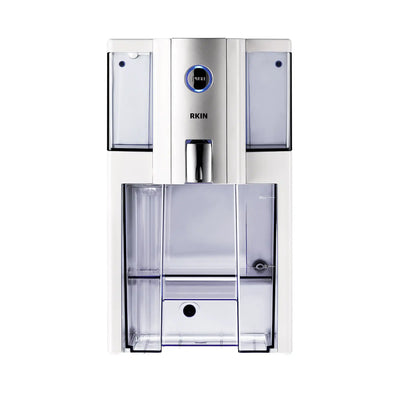
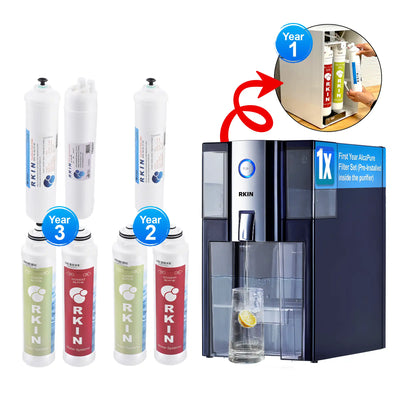
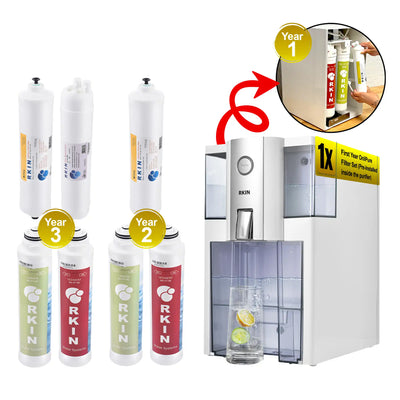
RKIN Zero Installation Purifier — This is a countertop reverse osmosis system that requires zero plumbing. Fill the tank, plug it in, and it produces purified water on your counter. It's designed for renters, apartment dwellers, or anyone who doesn't want to modify their plumbing. The Zero Installation Purifier is also compatible with the AlcaPure remineralization filter, which adds calcium and magnesium back into the water for those who prefer a mineral boost and improved taste.
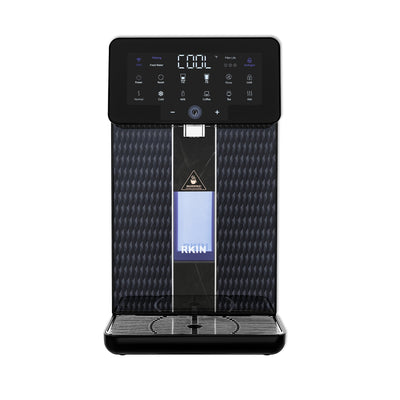
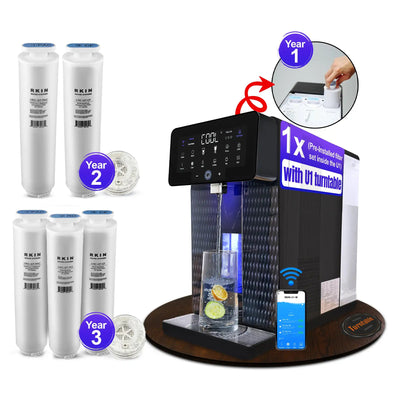
RKIN U1 4-in-1 Water Filter System — Another countertop option, the U1 combines five stages of filtration in a single unit: sediment, carbon block, reverse osmosis membrane, UV sterilization, and a post-carbon filter. You fill the tank, plug it in, and it handles the rest. The U1 has been 3rd-party tested for contaminant reduction and adds UV treatment for an extra layer of protection against bacteria and viruses.
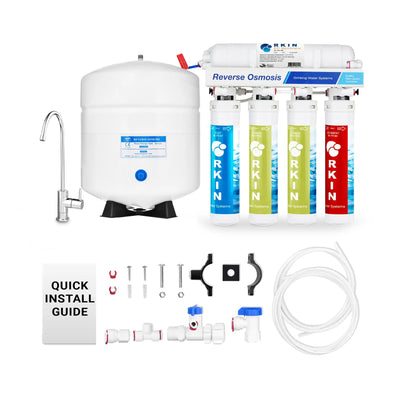
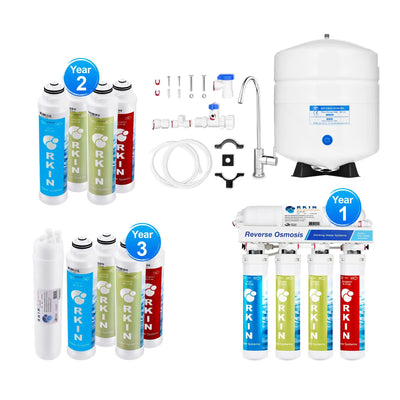
RKIN Flash Undersink Reverse Osmosis System — If you prefer an under-sink setup with a dedicated faucet, the Flash includes a 3.2-gallon storage tank and connects to your existing cold water line. It's a good fit for homeowners who want RO water on demand without taking up counter space.
Frequently Asked Questions
Is reverse osmosis water safe to drink every day?
Yes. RO water is safe for daily consumption. It has been used in homes, hospitals, and food production for decades. The removal of minerals is nutritionally insignificant for most people because 80-99% of dietary mineral intake comes from food, not water, according to a WHO review (2005).
Does reverse osmosis remove healthy minerals?
RO does reduce dissolved minerals like calcium and magnesium. However, these minerals are present in much higher concentrations in common foods — a cup of milk provides about 300 mg of calcium, while a liter of hard water provides roughly 50-80 mg. If mineral content matters to you, a remineralization filter adds them back after purification.
Is RO water acidic?
RO water typically falls between pH 6.0 and 7.0. This is mildly acidic but well within the EPA's acceptable range for drinking water. It is less acidic than coffee, juice, sparkling water, and most soft drinks. It does not affect your blood pH, which is regulated by your lungs and kidneys.
Do I need to add minerals back to RO water?
Not for safety — RO water without added minerals is safe. Some people prefer the taste of remineralized water, and adding minerals back is easy with a post-filter like the AlcaPure stage available for the RKIN Zero Installation Purifier. It's a preference, not a necessity.
What contaminants does reverse osmosis remove?
RO systems certified to NSF/ANSI 58 are tested to reduce lead, arsenic, PFAS, nitrates, fluoride, chromium-6, dissolved salts, and many other contaminants. A 2020 Duke University study found RO removed 90-99% of PFAS compounds, outperforming standard activated carbon filters.
How is RO different from a regular water filter?
Standard carbon filters (like those in most pitchers and fridge filters) reduce chlorine, some VOCs, and improve taste. They do not effectively remove dissolved solids, heavy metals, PFAS, or nitrates. RO uses a semi-permeable membrane with 0.0001-micron pores to block contaminants that carbon filters miss entirely. It's a different class of filtration.
Ready to Upgrade Your Water?
Now that you know the facts — RO water is safe, the mineral concern is overblown, and the contaminant removal is backed by solid science — the next step is choosing the right system for your home.
The RKIN Zero Installation Purifier gives you reverse osmosis protection with no plumbing required. Set it on your counter, fill, and pour. Add the AlcaPure remineralization filter if you want minerals and improved taste. Ships free.






0 comments