


alkaline water filter
Kangen Water vs Reverse Osmosis: Honest Comparison

If you've been researching water filtration, someone has probably told you about Kangen water. Maybe a friend. Maybe someone on social media. Maybe someone who really wants you to buy a $4,980+ machine.
And look — we get it. You want the best water for your family. That's why you're here reading comparison articles instead of watching Netflix. We respect that.
So let's break this down honestly. What does a Kangen machine actually do? How does it compare to a reverse osmosis system like the RKIN U1? And what gives you the cleanest, best-tasting water without emptying your savings account?
U1 vs Standard Countertop RO: Fast Comparison
If you're deciding between the U1 and a basic countertop RO unit, this is the practical breakdown:
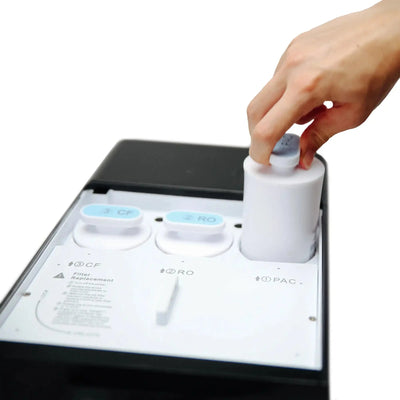
- Filtration core: both use RO, but U1 adds a 5-stage stack (pre-filter, RO, remineralization, UV, hydrogen mode).
- Water output options: U1 gives hot, cold, and room-temp from one unit; many standard countertop RO units are room-temp only.
- Daily convenience: U1 is built for quick dispensing and family use; budget countertop RO models are usually slower and more manual.
- Taste profile control: U1 includes post-treatment options (alkaline/mineral + hydrogen mode) beyond baseline RO output.
- Footprint tradeoff: U1 has a premium countertop footprint; basic units can be smaller but with fewer features.
- Upfront price: U1 costs more than entry-level countertop RO, but bundles multiple functions into one appliance.
- Best fit: choose U1 if you want one all-in-one daily-use station; choose basic countertop RO if your goal is lowest-cost RO only.
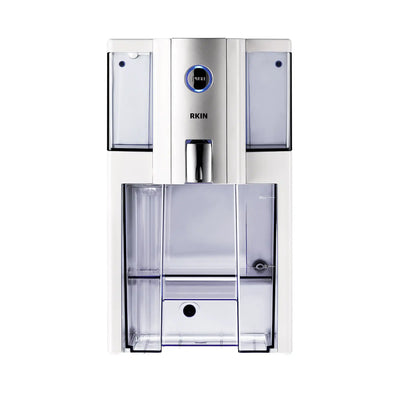
Relevant product paths: - U1-W Space-Saving 4-in-1 Water Filter System - Zero Installation Purifier
Quick FAQ: Is U1 overkill if I just want cleaner drinking water?
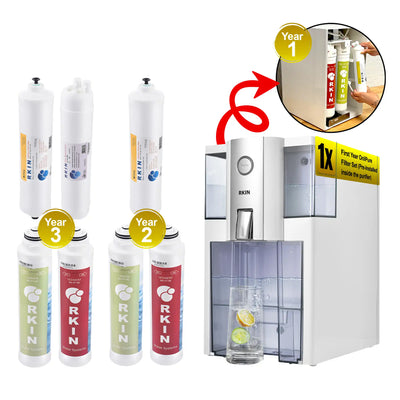
If you only want low-cost RO output, a basic countertop RO (or Zero Installation Purifier) can be enough. U1 makes sense when you want daily convenience features (hot/cold + advanced post-treatment) in one system.
Quick FAQ: Shipping, Filter Life, and Installation
How long does RKIN shipping take?
Most RKIN systems ship within 1 business day from our U.S. warehouse. Standard delivery is typically 2-5 business days in the continental U.S.
How long do RKIN filters last?
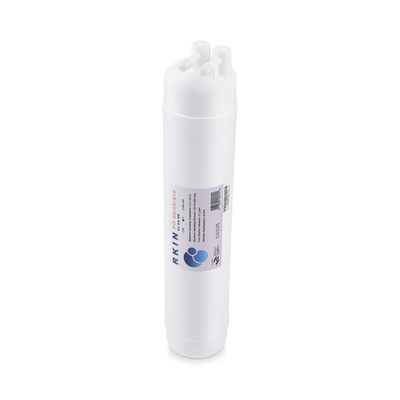
Most pre/post filters last about 6-12 months depending on water quality and usage. RO membranes typically last 12-24 months. Replacing on schedule keeps performance consistent.
Is installation complicated?
No for countertop systems. Zero Installation Purifier and U1 are zero-install designs: fill the tank, plug in, and run. Flash is an undersink system and is still straightforward for most homeowners, usually 30-60 minutes.
What Is a Kangen Water Machine?
Kangen water machines are made by Enagic, a Japanese company that's been around since the 1970s. The machines use electrolysis to split water into alkaline and acidic streams. You drink the alkaline water (typically pH 8.5-9.5). The acidic water can be used for cleaning.
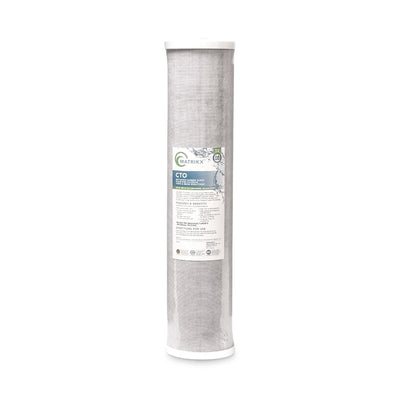
Here's the part that trips people up: Kangen machines are ionizers, not purifiers. They change the pH of your water. They don't remove contaminants like lead, fluoride, PFAS, or chlorine through membrane filtration. Most models include a basic carbon filter, but that's about it.
The flagship Leveluk K8 runs $4,980 as of September 2025 (prices went up due to tariffs on Japanese imports). The SD501 is $3,980. Even the entry-level JRIV costs $2,380.
And here's the part that makes people uncomfortable: Kangen machines are sold through a multi-level marketing (MLM) distribution model. A significant chunk of what you pay goes to commissions for distributors — not toward better filtration technology.
What Is Reverse Osmosis?
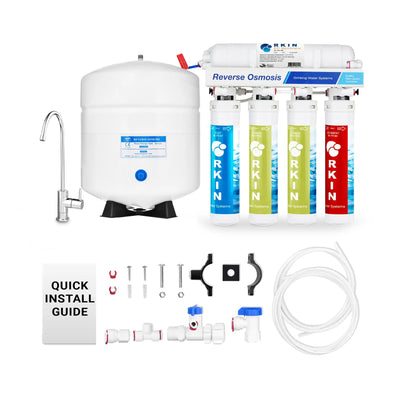
Reverse osmosis (RO) pushes water through a semi-permeable membrane with pores so tiny that virtually nothing gets through except water molecules. We're talking about removing up to 99% of dissolved solids, including:
- Lead and heavy metals
- Fluoride
- Chlorine and chloramines
- PFOA/PFOS (forever chemicals)
- Hexavalent chromium
- Bacteria and viruses
RO is the same technology used by water bottling companies and NASA on the International Space Station. Not new. Not exotic. Just very effective at making water as clean as possible.
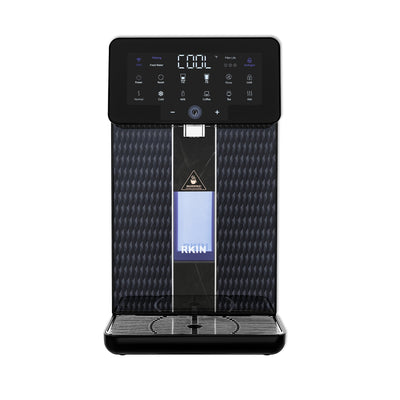
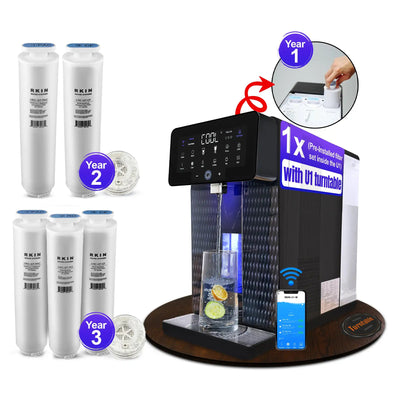
The RKIN U1 takes this further with a 5-stage filtration system that combines sediment filtration, carbon filtration, reverse osmosis, alkaline remineralization, and UV sterilization — all in a single countertop unit. No plumbing required. Fill the tank, place it on the system, press a button. Done.
Worried about contaminants like nanoplastics? Our article on what the 2026 Ohio State nanoplastics study found breaks down the science of how RO membrane filtration addresses this growing concern.
The Real Difference: Ionization vs. Purification
This is where the conversation gets real.
Kangen machines change your water's properties. They make it more alkaline, which some people like for taste. But they don't fundamentally clean your water. If your tap water contains lead, your Kangen water still contains lead — just at a different pH.
Reverse osmosis systems remove what shouldn't be in your water. The RO membrane doesn't care about marketing claims or pH levels. It physically blocks contaminants from passing through.
One common criticism of RO: it strips minerals along with the bad stuff. That's fair — and it's exactly why the RKIN U1 includes an alkaline remineralization post-filter. It adds back calcium and magnesium after purification, bringing the pH to a balanced 7-8. You get the thorough cleaning of RO plus the mineral content and alkaline properties that Kangen talks about.
The U1 also produces hydrogen-enriched water with a negative ORP (oxidation-reduction potential) of -340. If antioxidant water matters to you, the U1 has it built in — no separate machine required.
Head-to-Head Comparison
| Feature | Kangen K8 (Flagship) | RKIN U1 |
|---|---|---|
| Price | $4,980 | See rkin.com |
| What It Does | Electrolysis/ionization | 5-stage RO + alkaline + UV + hydrogen |
| Removes Contaminants | Basic carbon filter only | Up to 99% (lead, fluoride, PFAS, chromium) |
| Alkaline Water | Yes (pH 8.5-9.5) | Yes (pH 7-8 via remineralization) |
| Hydrogen/ORP Water | No | Yes (-340 ORP) |
| Hot Water | No | Yes (instant hot, up to 200°F) |
| Cold Water | No | Yes (chilled to 59°F/15°C) |
| Installation | Connects to faucet with diverter valve | Zero installation — countertop |
| 3rd Party Testing | Not for contaminant removal | Tested for TDS, fluoride, lead, PFOA/PFOS, chromium |
| NSF Certification | No | NSF 372 (lead-free design) |
| Smart Features | No | App-enabled, touch panel, filter monitoring |
| Distribution | MLM (direct sales) | Direct to consumer (rkin.com) |
| Annual Filter Cost | ~$60–$80 (cleaning cartridge) | ~$80–$120 (replacement filters) |
| Dimensions | 15" × 13" × 9" (plus faucet hookup) | 9.5" × 17" × 19" (self-contained) |
The price difference is dramatic — enough to cover a decade of replacement filters and then some.
If you want a simpler option focused purely on RO purification without the hot/cold and hydrogen features, the RKIN Zero Installation Purifier is NSF/ANSI 58 certified and costs even less — making the price gap with Kangen even wider.
All Current Kangen Prices (Updated September 2025)
Enagic raised prices across the board in September 2025 due to tariffs on Japanese imports. Here's the current U.S. price list:
- Leveluk Super 501: $5,980
- Leveluk K8: $4,980
- Leveluk SD501U: $4,280
- Leveluk SD501DX: $4,680
- Leveluk SD501 Platinum: $5,380
- Leveluk SD501: $3,980
- Leveluk JRIV: $2,380
Every Kangen model costs several times what the RKIN U1 costs. None of them include reverse osmosis filtration, UV sterilization, hot/cold water dispensing, or smartphone app control. Check rkin.com for current U1 pricing.
Why Are Kangen Machines So Expensive?
The answer isn't complicated: MLM distribution costs money.
When you buy a Kangen machine, a portion goes to the person who sold it to you. And the person who recruited them. And the person above them. This multi-tiered commission structure adds significantly to the retail price.
That's not a judgment call — it's how the business model works. The technology inside a Kangen machine (electrolysis plates and a carbon filter) isn't worth thousands more than competing technologies. The price reflects the distribution model, not the filtration capability.
RKIN sells direct to consumers through rkin.com. No distributors. No commissions. No upselling. The savings go to you — which is how a system with more technology and features costs a fraction of the price.
The Alkaline Water Question
Let's address the elephant in the room. A lot of Kangen marketing focuses on alkaline water and its health benefits. We're not going to make health claims here — the science on alkaline water benefits is still evolving.
What we can say: if you want alkaline water, you don't need to spend thousands to get it. The RKIN U1's post-filtration alkaline filter produces water at pH 7-8, which is actually closer to natural spring water than the pH 9.5+ that Kangen machines produce.
Here's a detail that often gets overlooked: alkaline water is only as good as the water it started from. If you're ionizing water that hasn't been properly filtered first, you're just making contaminated water more alkaline. The U1's approach — purify first, then remineralize — makes more sense from a water quality standpoint.
For a deeper look at how water quality fits into overall health, including the research on hydrogen-enriched water, check out our biohacking water quality guide.
Installation and Daily Use
Kangen machines connect to your kitchen faucet with a diverter valve and hose. It works, but you end up with a hose running from your faucet to a machine on your counter. You need to switch the diverter every time you want filtered vs. unfiltered water.
The RKIN U1 needs zero installation. You take it out of the box, fill the removable water tank, place it on the system, and press a button. It filters a half gallon of water in under 7 minutes. At just 9.5 inches wide, it's smaller than most coffee makers. Move it to a different room, take it to a vacation rental, or bring it to the office.
You also get hot and cold water from the same unit. Instant hot water for tea, baby formula, or oatmeal. Chilled water on demand at 59°F. The touch control panel and RKIN smartphone app let you monitor water quality and filter life from anywhere — you can even dispense water remotely.
Try doing that with a Kangen ionizer.
Who Should Consider Each Option?
A Kangen machine might fit if: - You specifically want electrolyzed water for both drinking and cleaning purposes - You're interested in the Enagic business opportunity - Budget isn't a concern
The RKIN U1 fits if: - You want the cleanest possible drinking water (99% contaminant removal) - You want alkaline, hydrogen-enriched water without the MLM markup - You don't want to deal with installation or plumbing - You want hot and cold filtered water from one system - You'd rather pay a fraction of the Kangen price - You value third-party testing and certifications
For most families looking for clean, great-tasting water, the U1 does more for less. That's not a sales pitch — it's arithmetic.
Frequently Asked Questions
Is Kangen water the same as reverse osmosis water?
No. Kangen machines use electrolysis to change water's pH, while reverse osmosis uses membrane filtration to physically remove contaminants. They're fundamentally different technologies. Kangen produces alkaline ionized water; RO produces purified water. The RKIN U1 combines RO purification with alkaline remineralization — so you get both clean and mineral-rich water.
Why is a Kangen machine so expensive?
Kangen machines are sold through a multi-level marketing model, which means multiple layers of distributor commissions are baked into the price. The Leveluk K8 is $4,980 and the entry-level JRIV is $2,380. The actual ionization technology — electrolysis plates and a carbon filter — doesn't cost anywhere near that. Comparable ionizers from other brands sell for $200–$400.
Can reverse osmosis water be alkaline?
Yes. RO naturally produces slightly acidic water because it removes mineral buffers. But systems like the RKIN U1 include an alkaline remineralization filter that adds calcium and magnesium back after purification, bringing the pH up to 7-8 — the same range as natural spring water — while keeping full contaminant-removal benefits.
Does the RKIN U1 require installation?
No. The U1 is self-contained — no plumbing, no faucet connections, no diverter valves, no drilling. Fill the removable water tank, place it on the unit, and it filters automatically. It's 9.5 inches wide and 26 pounds, so it fits on most kitchen counters with room to spare.
What contaminants does the RKIN U1 remove that Kangen doesn't?
The RKIN U1 is third-party tested for reduction of TDS, fluoride, lead, PFOA/PFOS (forever chemicals), hexavalent chromium, and trivalent chromium — removing up to 99% of dissolved solids. Kangen machines don't use reverse osmosis or membrane filtration and don't remove these contaminants. Most Kangen models include only a basic activated carbon filter.
Is Kangen water worth the money?
That depends on your goals. If you want a business opportunity through Enagic's MLM program, the investment may make sense. But if you want clean, great-tasting, alkaline drinking water, you can get equal or better water quality from systems costing 85-90% less. The RKIN U1 removes far more contaminants and includes hot/cold dispensing and hydrogen-enriched water that Kangen machines don't offer. See rkin.com for current pricing.
What's the cheapest countertop RO system that removes the same contaminants?
The RKIN Zero Installation Purifier is NSF/ANSI 58 certified for TDS, fluoride, lead, PFOA/PFOS, and chromium reduction. It doesn't include the hot/cold or hydrogen features of the U1, but it delivers the same RO purification quality at an even lower price point. Check rkin.com for current pricing.
The Bottom Line
We've been in the water filtration business a long time, and we've seen every trend come and go. Here's what stays constant: people want water that's clean, tastes great, and doesn't cost a fortune.
The Kangen system is a fine ionizer. But it's not a purifier. It doesn't remove the contaminants that matter most — lead, fluoride, PFAS, chromium — and it costs 8-10x what it should because of how it's sold.
The RKIN U1 was built around one idea: give people better water without the hassle. Zero installation, 5-stage RO filtration removing 99% of contaminants, alkaline remineralization, hydrogen infusion, UV sterilization, and instant hot and cold — all in a countertop unit you can set up in two minutes.
It's not just a Kangen alternative. For most people, it's a better solution — at a fraction of the price.
→ See the RKIN U1 Space-Saving 4-in-1 Water Filter System
Questions? Our team is here to help — no sales pitch, just honest answers about water filtration. Contact us or call 1-800-803-4551, Mon-Fri 9AM-5PM EST.





1 comment
quiero agua hidrogenada y filtrada en Sant Cugat del Valles Bcn