
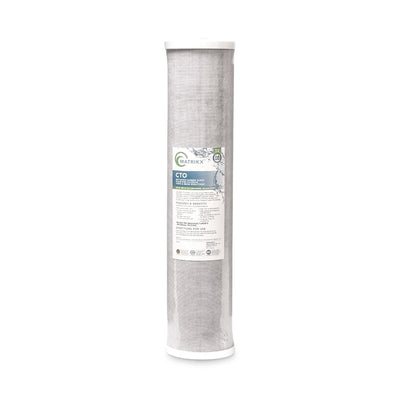
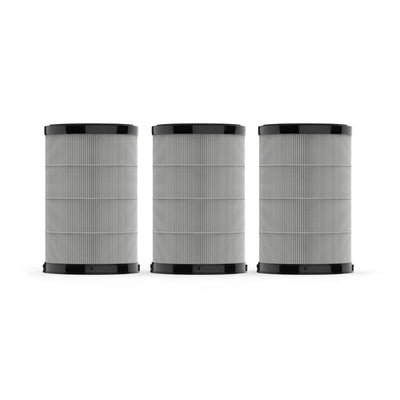


1 micron vs 5 micron water filter
1 Micron vs 5 Micron Water Filter: Which Fits Wells?

A 1 micron water filter is finer than a 5 micron filter, but finer is not automatically better for a well. If the cartridge is too fine for the sediment load, it can clog quickly, reduce flow, and leave the actual water problem unsolved.
That is the trap homeowners run into when the water looks dirty after storms, irrigation season starts, or a seasonal house comes back online. The right micron rating depends on what is in the water, where the cartridge sits, and how much flow the home needs.
What does micron rating mean on a water filter?
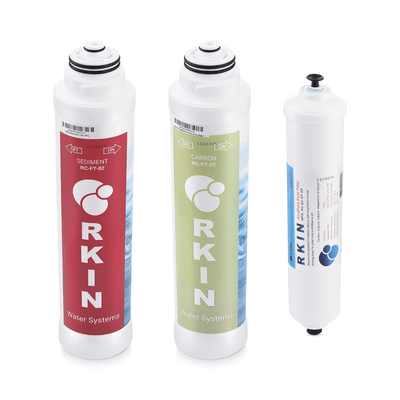
A micron is one-millionth of a meter. In home water filters, the micron rating tells you the approximate particle size the cartridge is designed to catch. A 5 micron sediment filter catches larger particles than a 1 micron sediment filter. A 1 micron filter is built for finer particles.
That sounds simple until you put it on a well system. A well can send sand, silt, rust, clay, pipe scale, or iron particles into the treatment train. Some particles are easy to catch. Some are fine enough to pass through a coarse cartridge. Some color problems are dissolved, which means a sediment cartridge is the wrong tool by itself.
The EPA's private well guidance is clear on the bigger point: private well owners are responsible for testing and maintaining their own water systems. A micron rating is not a substitute for a water test. It is one design choice after you know what the water is doing.
Two filters can also share the same micron number and behave differently because of construction. A pleated sediment cartridge, melt-blown cartridge, string-wound cartridge, and depth cartridge may load with sediment in different ways. Micron rating matters, but cartridge style and placement matter too.
Is a 1 micron filter better than a 5 micron filter?
Not always. A 1 micron filter catches finer particles, but it also creates more resistance. If your well sends a lot of grit, orange iron particles, or post-storm sediment, jumping straight to 1 micron can plug the cartridge fast.
A 5 micron filter is often a better first stage when the water has visible sediment, sand, rust flakes, or debris. It protects the equipment downstream without choking the whole home as quickly. If the 5 micron cartridge is filling with heavy material in a short time, that is useful information. It tells you the system may need better pretreatment, a larger housing, staged filtration, or a well inspection.
A 1 micron filter may make sense as a polishing stage after larger sediment has already been removed. It can help catch finer particles before drinking-water equipment or a sensitive appliance. But if it is the first and only barrier after a high-sediment well, it may become a maintenance headache.
In my house, I would not choose the smallest number just because it sounds cleaner. I would choose the first cartridge to protect flow and equipment, then add a finer stage only if the test results and symptoms call for it.
What symptoms point to 5 micron first?
A 5 micron filter is often the more forgiving first choice when the issue looks physical and visible.
Common signs include:
- Sand or grit in faucet aerators.
- Rust-colored flakes after plumbing work.
- Sediment that settles at the bottom of a glass.
- Rapid clogging after heavy rain.
- Dirty toilet tanks or washing-machine inlet screens.
- A cartridge that turns brown quickly but water flow stays acceptable.
Those clues point toward particles large enough to catch before they reach softeners, carbon filters, reverse osmosis systems, or appliances. The goal is not to make one cartridge do every job. The goal is to protect the rest of the system without creating a flow problem.
A 5 micron cartridge can also be useful when you do not yet know the sediment load. If it plugs quickly, the well may be producing more debris than a small cartridge housing can handle. That is a design clue, not just a filter-change reminder.
Do not ignore the timing. If the problem appears after heavy rain, after a pump was serviced, after the well ran low, or after a long shutdown, the source condition may have changed. That is different from a normal replacement schedule.
What symptoms point to 1 micron?
A 1 micron filter makes more sense when larger particles are already under control and you are trying to reduce finer suspended material.
Common signs include:
- Water looks mostly clear but has fine haze.
- A 5 micron cartridge is not catching enough fine material.
- Sediment is reaching a drinking-water system or appliance after earlier filtration.
- The well test does not show a dissolved color issue, but turbidity remains.
- You have enough cartridge surface area and flow capacity for a finer stage.
The last point matters. Whole-house water flow is not the same as a single drinking-water faucet. A family taking showers, running laundry, and using the kitchen can pull far more water than a small point-of-use filter. A cartridge that works fine for one sink may be too restrictive as the only whole-home cartridge.
There is also a difference between fine sediment and dissolved minerals. Iron and manganese can create colored water, staining, and particles under certain conditions. Penn State Extension's private water guidance on iron and manganese explains why these problems can show up as color, stains, or particles. If the problem is dissolved iron that turns color after oxidation, changing from 5 micron to 1 micron may not fix the root cause.
Use staging when the well is doing more than one thing
Many well-water problems are not one clean issue. You may have grit after storms, iron staining in fixtures, hardness scale, and a drinking-water taste concern at the kitchen sink. One cartridge cannot carry that whole plan.
Staging means the treatment train handles the easiest, largest, or most damaging material first. A simple staged sediment approach might use a coarser filter first, then a finer filter later. A more involved well system may need sediment filtration, oxidation, carbon, softening, or point-of-use reverse osmosis depending on the test report.
The order matters. You generally do not want fine filtration doing the dirty work that a larger prefilter should handle. That is how cartridges clog too soon and flow drops across the house.
The EPA's overview of drinking water contaminants is a useful reminder that water issues fall into different groups. Particles, metals, disinfectants, microbes, and other contaminants are not all treated the same way. The filter train has to match the category.
For homeowners, that means the best first question is not "1 micron or 5 micron?" It is "what am I trying to stop, and at what point in the house?"
Where RKIN fits
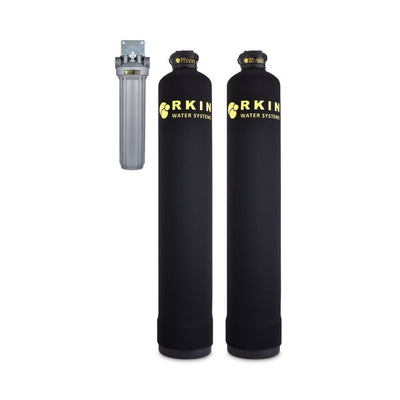
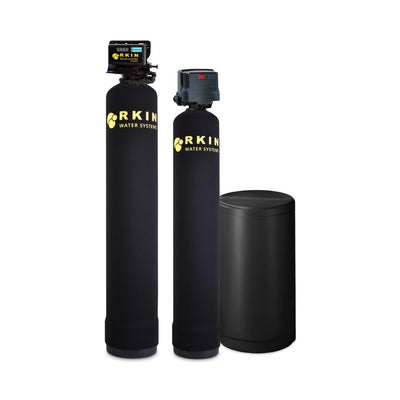
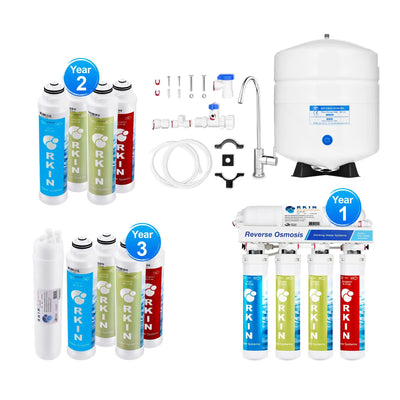
If your question is whole-house sediment, start with the whole-home lane. The RKIN whole-house water treatment collection is designed around matching treatment to the water source, the home, and the lab report. That is the right place to think through sediment, hardness, staining, and well-water behavior before you narrow the cartridge decision.
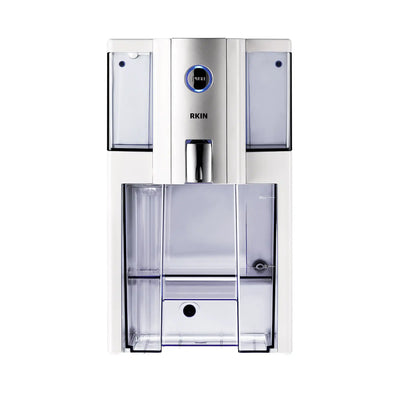
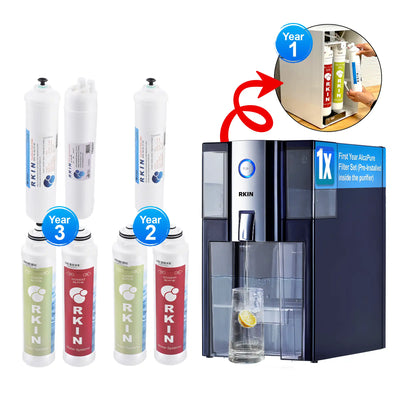
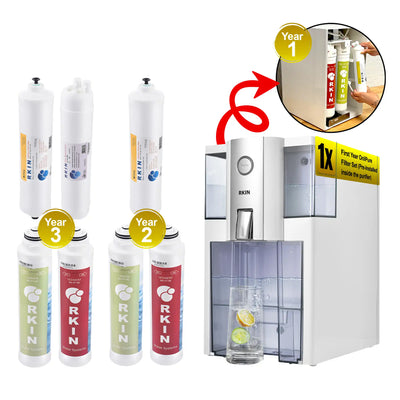
If your whole-home setup is stable but you want a separate drinking-water layer, the RKIN Zero Installation Purifier Countertop Reverse Osmosis Water Filter gives you countertop reverse osmosis without plumbing changes. That can make sense for seasonal homes, renters, or kitchens where you want a dedicated drinking-water solution.
The honest limitation: a countertop drinking-water system is not meant to solve sediment at every faucet. Me personally, I would protect the whole house first if the well is carrying visible particles, then use reverse osmosis where drinking water is the goal.
Frequently Asked Questions
Is 1 micron or 5 micron better for well water?
Neither is automatically better. A 5 micron filter is often better as a first sediment stage when the well has visible particles or heavy sediment. A 1 micron filter is finer and can work as a polishing stage after larger material has already been removed.
Will a 1 micron filter reduce water pressure?
It can if the cartridge is undersized, loaded with sediment, or installed as the only whole-home stage on a high-flow system. Finer cartridges create more resistance. If pressure drops soon after installation, the water may need a larger filter housing, staged filtration, or a different treatment plan.
Can a sediment filter remove iron from well water?
A sediment filter can catch iron particles, but it will not solve all iron problems. Dissolved iron may pass through and then turn color later. If you see orange staining, metallic taste, or brown water, test for iron, manganese, pH, hardness, and turbidity before choosing a cartridge.
Should I put a 1 micron filter before or after a water softener?
In many homes, larger sediment is removed before the softener to protect the softener from grit. A finer polishing cartridge may go later depending on the system design. The right order depends on the test report, flow rate, cartridge size, and equipment already installed.
How often should I replace a well water sediment filter?
Replace it based on pressure drop, visible loading, water quality changes, and the manufacturer's schedule for your specific system. If a cartridge clogs unusually fast, do not just keep replacing it. Read that as a sign to test the water and inspect the well or pretreatment setup.
Ready to Choose the Right Filter Lane?
A micron number is only useful after you know the water problem. Start with testing, protect whole-home flow, and use finer filtration only where it fits the actual sediment load.
Review the RKIN whole-house water treatment collection for whole-home well-water planning, or compare the RKIN Zero Installation Purifier Countertop Reverse Osmosis Water Filter if your next step is dedicated countertop drinking water.





0 comments