


atmospheric water generator vs reverse osmosis
Atmospheric Water Generator vs RO: Homeowner Guide

Air-to-water machines are getting attention because the idea feels simple: pull moisture from the air and turn it into drinking water. The question homeowners actually need to ask is more practical: do you need a machine that creates a limited amount of water from humidity, or a system that filters the tap water already coming into your home?
That difference matters. The EPA explains that drinking water comes from surface water and groundwater sources before it reaches homes through public systems or private wells. An atmospheric water generator starts with indoor air instead. Reverse osmosis starts with your existing water line or a countertop reservoir and focuses on reducing dissolved contaminants.
What an Atmospheric Water Generator Actually Does
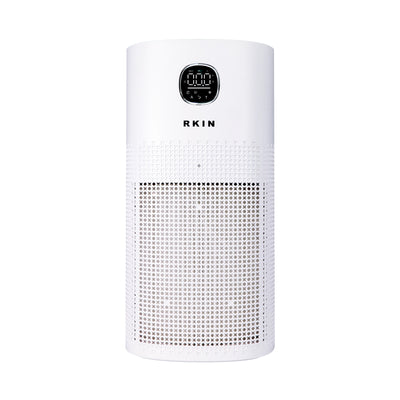
An atmospheric water generator, often called a water-from-air machine, uses a refrigeration or desiccant process to collect moisture from the air. In plain English, it cools air until water vapor condenses, captures that water, and then typically routes it through post-filtration before dispensing.
That can be useful in narrow cases. If the air is warm and humid, the machine has more moisture to work with. If the room is dry, cool, or heavily air-conditioned, output can fall. The machine also needs electricity, airflow, regular cleaning, and enough humidity to make the process worthwhile.
The key point: an atmospheric water generator is a water source plus a filter. It is not just a filter. You are relying on the device to produce the water first, then polish it afterward.
That is why the comparison with reverse osmosis can get confusing. Both products may sit in a kitchen and dispense drinking water. But they solve different problems. One asks, “Can I produce drinking water from the air in this room?” The other asks, “How do I reduce contaminants in the water my home already has?”
What Reverse Osmosis Does Differently
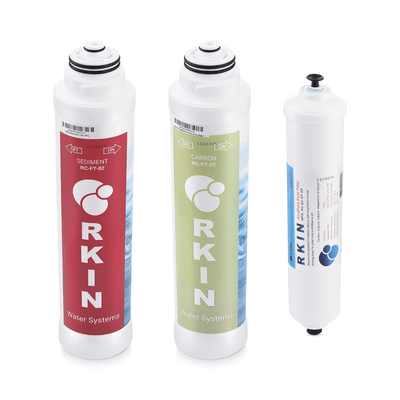
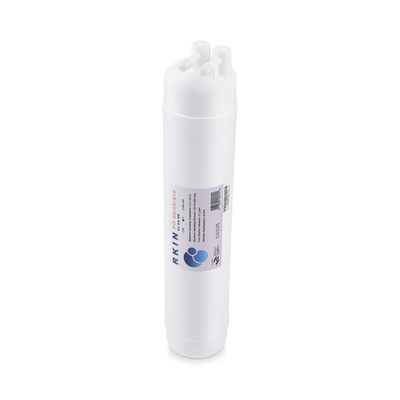
Reverse osmosis is a filtration process. It pushes water through a semipermeable membrane that can reduce many dissolved substances that ordinary carbon filtration does not target well. Depending on the system design, RO may be paired with sediment filtration, carbon filtration, post-filtration, UV, or remineralization.
For homeowners, the advantage is predictability. You already have tap water or well water entering the home. A reverse osmosis system treats that known source. If you receive a city water report, you can compare the concerns listed in that report against the system you are considering.
The EPA requires most community water systems to publish annual Consumer Confidence Reports. Those reports can show detected contaminants, disinfectants, source water details, and compliance information. You can look up the EPA’s overview of Consumer Confidence Reports before shopping for any drinking-water system.
Reverse osmosis is not magic, and no single filter is the right answer for every home. But when the concern is tap water taste, dissolved solids, PFAS reduction, lead reduction, arsenic reduction, fluoride reduction, or a more serious countertop drinking-water setup, RO is usually the category homeowners compare first.
The Big Difference: Source Water vs Filtered Water
The cleanest way to compare atmospheric water generator vs reverse osmosis is to separate the source from the treatment.
An atmospheric water generator starts with air. Its output depends on humidity, temperature, runtime, electricity, and machine capacity. If your home is in a humid climate, production may be better. If your home is dry or the machine is in an air-conditioned room, production may be lower.
Reverse osmosis starts with water. A countertop system uses water you pour into a reservoir or connect through a faucet-style setup. An undersink system connects to the cold water line. Either way, the system’s job is filtration, not water creation.
That difference affects daily use. A family that fills bottles, makes coffee, cooks, and serves guests may care more about refill speed and storage than the novelty of where the water came from. A single person testing an off-grid idea may care more about standalone water production. Neither question is wrong. They are just different use cases.
If your home already has a working water supply and your main concern is reducing what may be in that water, reverse osmosis is the more direct path.
What to Check Before Buying Either Type
Before choosing between a water-from-air machine and RO, ask five plain questions.
First, what is your actual water concern? Taste, odor, chlorine, PFAS, lead, hardness, sediment, and well-water minerals are different problems. A filter should match the problem, not the other way around.
Second, what is your source? City water users should read their latest water report. Private well owners should test their water because the homeowner is usually responsible for monitoring well quality.
Third, how much drinking water do you need per day? Countertop RO systems are built around repeatable household use. Atmospheric machines are more sensitive to room conditions.
Fourth, what upkeep will you realistically do? Any system that touches drinking water needs filter changes, cleaning, and basic care. If a machine has a tank, condenser, tubing, or humid air path, you need to keep it clean according to the manufacturer’s instructions.
Fifth, where will it live? A countertop reverse osmosis unit needs counter space and an outlet if it is powered. An undersink RO system needs cabinet space and a cold-water connection. An atmospheric water generator needs room for airflow and should not be boxed into a tight corner.
Where PFAS and Other Contaminants Fit In
PFAS is one reason many homeowners are comparing better drinking-water systems in 2026. The EPA finalized the first national drinking water standards for several PFAS chemicals in 2024, and the agency explains that PFAS can persist in the environment over time on its PFAS drinking water page.
That does not mean every home has the same PFAS level, and it does not mean every filter handles PFAS the same way. It means you should treat PFAS as a specification question. Look for systems with clear contaminant-reduction testing, readable documentation, and technology that matches the concern.
For many drinking-water contaminants, reverse osmosis has an advantage because the membrane is designed for dissolved substances. Carbon alone can help with taste and certain chemicals, but it is not the same category as RO. An atmospheric water generator may include post-filters, but the buyer still needs to read what those filters are tested to reduce.
The practical question is not “Which machine sounds more advanced?” It is “Which system is tested for the water problem I am trying to solve?”
When an Atmospheric Water Generator Makes Sense
An atmospheric water generator may be worth researching if you are specifically interested in producing a small supply of water from humid air, you understand the energy and maintenance requirements, and your expectations match the machine’s output rating in real room conditions.
It can also appeal to homeowners who like backup concepts, technology experiments, or water independence projects. Just be careful not to treat the category as a direct replacement for every home filtration need. Output, cleaning, and indoor air conditions matter.
If you go this route, read the manual before buying. Look for the required humidity range, output assumptions, cleaning schedule, filter replacement schedule, tank materials, electrical needs, and whether the device has independent testing for its finished water.
Also think about placement. A machine that needs airflow may not perform well in a cramped pantry or a dry, cold laundry room. A device that stores collected water also needs cleaning discipline. The machine is handling drinking water after pulling moisture from air, so upkeep is part of the product, not a side note.
When Reverse Osmosis Is the Better Fit
Reverse osmosis is usually the better fit when your home already has water and you want a stronger drinking-water treatment step at the point of use.
That covers common situations: city water that tastes heavily treated, a water report that lists contaminants you want to reduce, a private well after testing, bottled-water replacement, or a kitchen where you want repeatable filtered water for cooking, coffee, ice, and daily bottles.
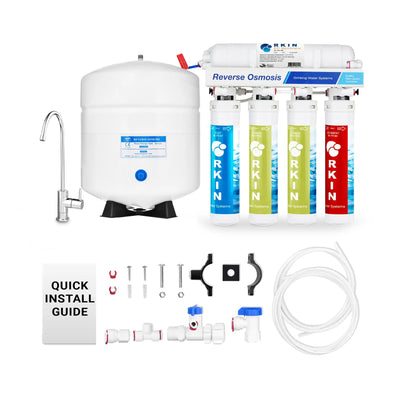
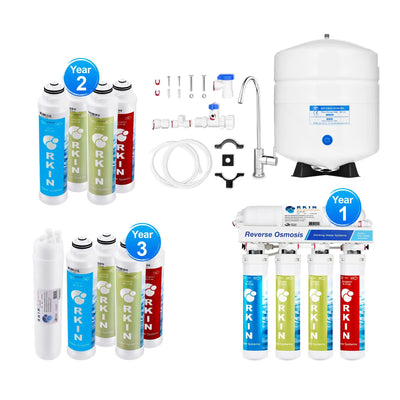
RO also gives you more form-factor choices. If you rent, do not want plumbing work, or want to avoid drilling, a countertop system can make sense. If you own the home and want filtered water from a dedicated faucet, an undersink system may fit better.
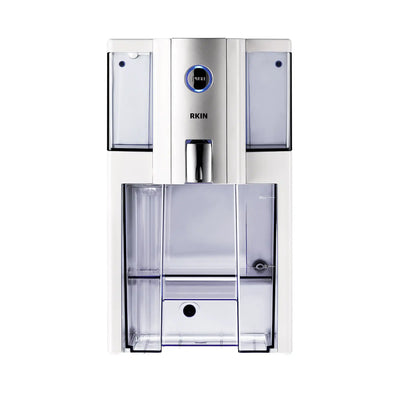
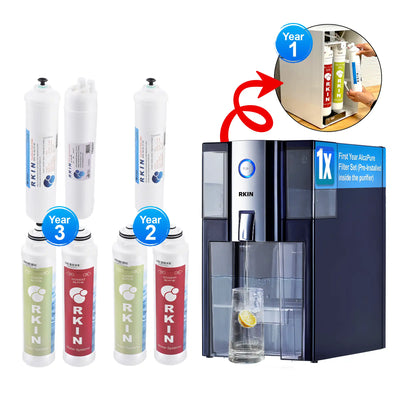
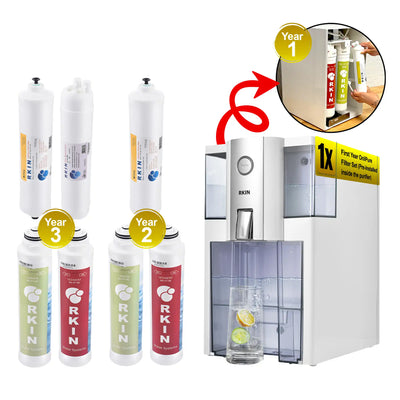
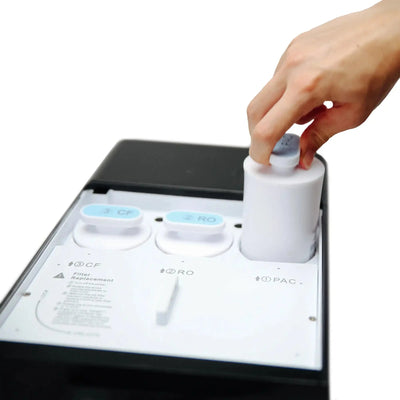
This is where the RKIN Zero Installation Purifier Countertop Reverse Osmosis Water Filter is designed to sit: a countertop RO option for homeowners who want stronger filtration without taking on a full undersink install. It is a practical fit for apartments, condos, offices, and kitchens where the drinking-water problem is filtration rather than making water from air.
A Simple Decision Guide
Choose an atmospheric water generator if your main goal is to experiment with producing water from humid air and you are comfortable with output variability, electricity use, and cleaning.
Choose reverse osmosis if your main goal is to reduce contaminants in the water your home already receives and you want a drinking-water system designed around that job.
Choose a countertop RO system if you want strong filtration without plumbing changes. Choose an undersink RO system if you want a built-in setup and are ready for a cold-water-line connection.
The wrong move is buying based on the most futuristic description. Drinking water is too practical for that. Start with your source, your test results or water report, your daily use, and the space you actually have.
Frequently Asked Questions
Is an atmospheric water generator the same as reverse osmosis?
No. An atmospheric water generator produces water by collecting moisture from air, then usually filters the collected water. Reverse osmosis filters water from an existing source, such as tap water or well water. They may both dispense drinking water, but they start from different sources and solve different problems.
Does reverse osmosis remove PFAS?
Reverse osmosis is one of the treatment categories homeowners often consider for PFAS reduction, but performance depends on the specific system and its testing. Check the product’s contaminant-reduction data instead of assuming every RO unit performs the same way. The EPA’s PFAS page is a good starting point for understanding why PFAS is a growing water concern.
Is water from air always cleaner than tap water?
Not automatically. Finished water quality depends on the machine design, air conditions, collection surfaces, storage tank, filters, and cleaning routine. Tap water quality also varies by source. For city water, read your Consumer Confidence Report. For private wells, use water testing before choosing equipment.
Which option is better for apartments?
For most renters who already have tap water and cannot modify plumbing, a countertop reverse osmosis system is usually the more direct fit. It focuses on filtering the water you already have and avoids permanent installation. An atmospheric water generator may need more counter space, airflow, and cleaning attention.
Do I still need to test my water before buying a filter?
Yes, especially if you use a private well. City water users should start with the annual water report, then test if they have a specific concern such as lead from older plumbing. A filter works best when it is chosen for a known water problem.
Ready to Upgrade Your Drinking Water?
If your main concern is the quality of the water already coming into your home, start with filtration before chasing a water-from-air machine. The RKIN Zero Installation Purifier Countertop Reverse Osmosis Water Filter gives you a countertop RO path without permanent plumbing changes.
Check your source, read your water report, and choose the system that matches the problem you are trying to solve.





0 comments