


boil water advisory
Boil Water Advisory Just Hit Your Town: What to Do Now

Your phone lights up with an emergency alert. The city has issued a boil water advisory for your service area, effective immediately. Maybe a main broke overnight. Maybe pressure dropped at the treatment plant. Maybe a routine sample tested positive for bacteria. Whatever triggered it, the practical question is the same for everyone on the notice: what do you actually do right now, and how do you keep your household safe until it lifts?
Boil water advisories are more common than most homeowners realize. The EPA tracks thousands of them in the United States every year, and a 2023 analysis from the Environmental Policy Innovation Center found that more than 50 million Americans have been affected by at least one in the past five years. They can last a few hours or stretch into weeks, as residents in Corpus Christi are learning this month after a chloramine disinfection failure pushed the city onto bottled water for days.
This is the plan to run the moment the notice hits, what to do over the next 24 hours, and how to get your plumbing and appliances back to normal once the all-clear arrives.
What a Boil Water Advisory Actually Means
A boil water advisory is issued when the local water utility can no longer guarantee that the water leaving your tap is free of harmful microbes. It is a precaution, not a confirmation that you have been drinking contaminated water — but it should be treated seriously until the utility confirms otherwise.
The three most common triggers, according to the CDC guidance on drinking water advisories, are:
- Loss of pressure. Main breaks, fire-suppression demand, or pump failures can drop pressure below the threshold that keeps groundwater and sewer infiltration out of the distribution pipes.
- Treatment interruption. Disinfection failures, power outages at the plant, or equipment malfunctions that interrupt the chlorine or chloramine feed.
- Positive sample results. Routine bacterial sampling detects E. coli, total coliforms, or other indicator organisms above the action level.
The advisory is a precautionary tool. By the time the sample clears the lab and the notice goes out, you may have already consumed water from the affected period. That is part of the design — regulators would rather over-notify than miss a real contamination event.
The First Hour: Stop Drinking, Stop Cooking, Stop Ice
The instant you see the notice, treat every tap in your home as if it is serving untreated water. That means:
- Stop drinking from the tap. This includes filtered pitchers and faucet-mount filters that are not certified for microbial removal. Most pitcher filters are designed for taste and chlorine, not for bacteria or viruses.
- Stop cooking with tap water. Rinsing produce, boiling pasta, and mixing baby formula all need to switch to boiled or bottled water until the notice lifts.
- Empty your ice bin. Ice made before or during the advisory period is suspect. Dump it, and switch the icemaker to off if you have one.
- Check your beverage maker. Coffee machines, instant-hot taps, and sparkling water dispensers draw from the same suspect supply. Shut them down.
Take one minute to text everyone in your household — especially anyone who is out of the house and might stop by for a glass of water — so no one drinks before seeing the alert.
How to Boil Water the Right Way
The advisory name is literal. Boiling is the simplest way to neutralize the bacteria, viruses, and parasites that advisories are designed to warn against. The key number is one minute: bring water to a rolling boil and let it stay there for at least 60 seconds. At elevations above 6,500 feet, extend that to three minutes to account for the lower boiling point.
Boil in a clean pot, then transfer to a clean, covered container to cool. Label the container so nobody in the house mistakes it for untreated tap water. You can boil a few gallons ahead so you are not standing over the stove every time someone wants a glass of water.
Boiling does not remove chemical contaminants, heavy metals, or nitrates. If the advisory is specifically a "do not drink" or "do not use" notice (as opposed to a standard boil advisory), boiling will not help and bottled water is the only safe option until it clears.
What Is and Is Not Safe to Use From the Tap
The advisory does not mean your plumbing is useless. It means the water inside it is not safe to drink. Most household uses are still fine:
- Safe: Flushing toilets, washing laundry, running the dishwasher on a hot cycle (above 150°F final rinse), watering outdoor plants.
- Use caution: Bathing and showering are generally acceptable for adults, but keep it short and avoid swallowing water. Children and infants should be sponge-bathed with boiled or bottled water.
- Not safe: Drinking, cooking, brushing teeth, rinsing fruit and vegetables, making ice, filling a Brita pitcher, preparing infant formula, filling a CPAP humidifier, rinsing contact lenses.
Pets drink the same water you do. Switch them to boiled or bottled water for the duration of the advisory.
The First 24 Hours: Supply and Communication
Once the immediate tap lockdown is in place, the next priority is making sure your household has enough safe water to last the advisory. Utilities typically estimate duration when the notice goes out, but estimates slip. Plan for at least twice the stated window.
A reasonable rule of thumb is one gallon per person per day for drinking and cooking. For a family of four over a three-day advisory, that is twelve gallons minimum. Pets and anyone with medical needs add to that figure.
Sources in order of reliability:
- Water you boiled and stored. Free, safe, and already in your kitchen.
- Sealed bottled water. Store-bought cases are fine for short advisories.
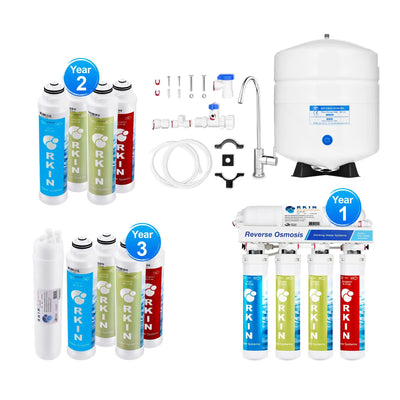
- A certified countertop RO system that was running before the advisory. A reverse osmosis unit with a valid sediment, carbon, and membrane stack removes the bacterial and viral contaminants that trigger most advisories. See the next section for the caveat on systems that lost pressure.
- Community distribution sites. Most utilities open free bottled water distribution within 24 hours of a widespread advisory. Check the utility website, local news, and neighborhood text threads.
Subscribe to your utility's text or email alert system if you have not already. Boil water advisories are lifted the same way they are issued — by notification — and missing the lift notice means running on bottled water longer than you need to.
What About My Existing Water Filter?
This is the question every homeowner asks, and the answer depends on the filter.
Standard pitcher filters and faucet-mount cartridges are rated for taste, odor, chlorine, and sometimes lead. They are not certified to remove bacteria or viruses. During an advisory, treat them as if they are not there.
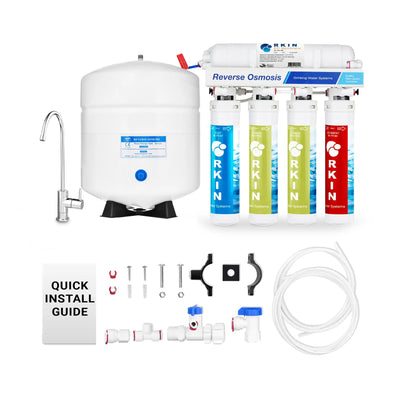
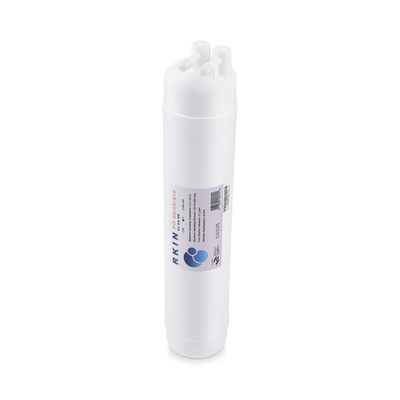
Reverse osmosis systems are different. A properly maintained RO membrane has a pore size of roughly 0.0001 microns, which physically excludes bacteria, viruses, and protozoa. If your RO system was running normally before the advisory and the advisory is triggered by bacterial contamination rather than a pressure loss, the RO output is generally considered safe. However, two caveats matter:
- If your whole house lost pressure during the event, contaminants may have entered the plumbing between the street and your RO unit. Sanitize the system per the manufacturer's instructions once the advisory lifts.
- RO membranes degrade over time. If yours is past its recommended replacement window, do not rely on it during an advisory.
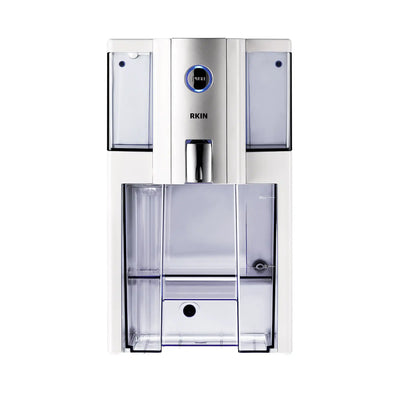
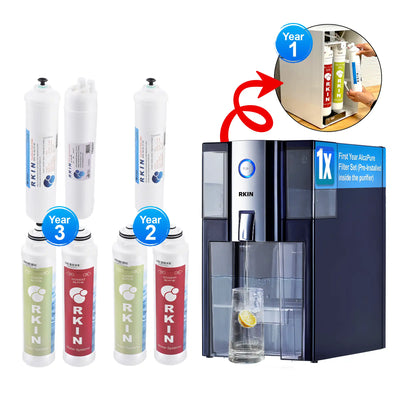
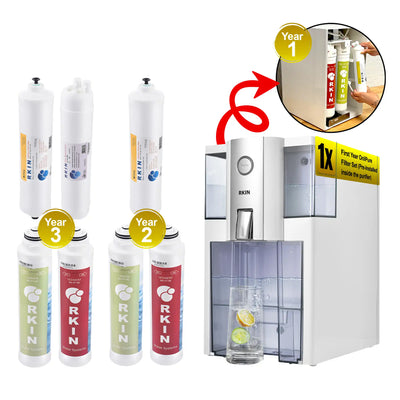
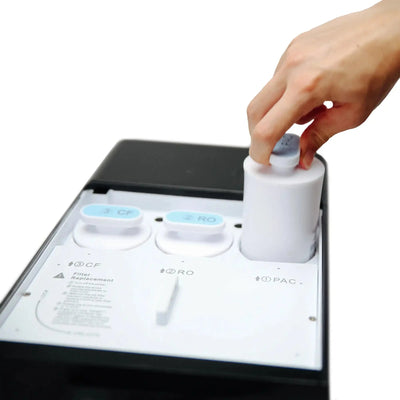
A countertop RO unit like the RKIN Zero Installation Purifier is a useful fallback because it sits on the counter, runs off a standard outlet, and produces filtered water without plumbing into the main line. For households that want continuous safe drinking water regardless of municipal conditions, having one already installed means the advisory does not disrupt coffee, cooking, or water bottles — you just keep using the countertop tap while the municipal supply sorts itself out.
When the Advisory Lifts: Flush, Sanitize, Reset
The all-clear notice is not the end of the process. The water in your home's plumbing is the same water that was flowing during the advisory. Before you drink from it or use it for cooking, flush it through.
- Flush cold lines first. Run each cold-water tap for at least five minutes, starting with the highest-volume fixture (bathtub or outdoor spigot) and working through kitchen and bathroom sinks.
- Flush hot lines next. Run each hot tap for at least 15 minutes to cycle fresh water through the water heater. If your water heater is older than ten years, consider a full drain and refill.
- Flush the icemaker. Dump the first two full bins of ice after the advisory lifts. The third bin is safe to keep.
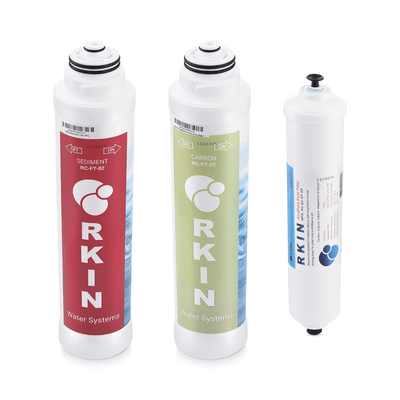
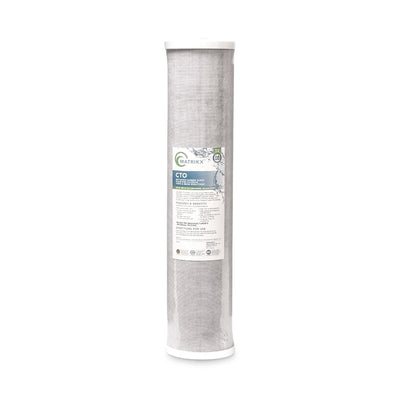
- Change sediment and carbon cartridges. If any particulate material pushed through your plumbing during the event, the pre-filter on your main system is the first thing to catch it. Swap it.
- Sanitize appliances. Run a vinegar cycle through your coffee maker and a sanitize cycle on the dishwasher and washing machine if they have one.
If you have an RO system, many manufacturers recommend a full sanitization after any boil water event. Check the owner's manual — on most systems this means a short bleach dose on the pre-filter housings with the membrane bypassed, followed by a full flush.
Frequently Asked Questions
How long do I need to boil water?
Bring water to a rolling boil and keep it there for one full minute. At elevations above 6,500 feet, extend to three minutes. Boiling longer than that does not add safety — it just wastes energy and evaporates water.
Can I shower during a boil water advisory?
Adults and older children can shower briefly, but should avoid swallowing water. Infants, young children, and anyone with open wounds or compromised immune systems should sponge-bathe with boiled or bottled water. Keep showers short and skip baths for the duration of the advisory.
Is my refrigerator filter safe during an advisory?
No. Standard refrigerator filters are not certified to remove bacteria or viruses. Shut off the icemaker, stop using the water dispenser, and switch to bottled or boiled water until the advisory lifts.
Does a reverse osmosis system work during a boil water advisory?
A properly maintained RO membrane physically excludes bacteria and viruses, so a unit that was running normally before the advisory generally produces safe water during one. Sanitize the system after the advisory lifts as an extra precaution, especially if your home lost pressure during the event.
How do I know when the advisory is lifted?
Your utility will send the same type of notification that triggered the advisory — phone alert, email, or text. Do not rely on neighbors or social media to confirm. Check the utility's official website for the lift notice before you stop boiling.
What do I do if I drank the water before I saw the notice?
Most healthy adults have no symptoms from short exposure to water covered by a precautionary advisory. Watch for nausea, diarrhea, or cramping over the next 24 to 48 hours and contact a doctor if any develop, especially for infants, the elderly, or anyone with a compromised immune system.
Be Ready Before the Next One
Boil water advisories are no longer rare events. Aging infrastructure, storm damage, and treatment-plant disruptions mean most households will see at least one in the next decade. The families who handle them easily are the ones who already have a countertop filtration system on the counter, a stored supply of boiled water in the fridge, and a cell phone subscribed to utility alerts.
If you would rather not depend on your municipal supply for drinking water at all, the RKIN Zero Installation Purifier produces filtered water on the counter without any installation — useful before, during, and after an advisory. Visit rkin.com to see the full lineup of countertop and whole-house systems.




0 comments