


best water for coffee at home
Coffee Water TDS and Hardness: Brewing Checklist

Coffee troubleshooting gets easier when water is treated as one measured variable, not the default explanation for every bad cup. Total dissolved solids, hardness, and alkalinity affect extraction and scale, but grind, dose, time, temperature, beans, and cleanliness still matter.
This checklist helps you run a controlled comparison. Record the water source and basic measurements, keep the recipe fixed, and change one factor at a time so a sweeter cup is not mistaken for proof of a filter claim.
How Water Chemistry Changes Extraction
Coffee brewing is extraction. Hot water pulls soluble compounds from ground coffee. If the water already carries strong taste, odor, or heavy mineral character, the brew starts from a different baseline.
Chlorine or chloramine can create a pool-like or medicinal edge. Hardness minerals can make coffee feel heavy, chalky, or muted. Very low-mineral water can make coffee taste thin or sharp because it interacts with the grounds differently. High total dissolved solids can make the cup taste dull, metallic, salty, or mineral-heavy depending on what is in the water.
The hard part is that people often blame the wrong thing. They buy fresher beans, change grind size, switch brewers, or clean the machine again. Those steps matter, but they will not fix tap water that smells like disinfectant or leaves scale in the kettle.
A simple clue: smell the cold tap before brewing. If the water smells like a swimming pool, sulfur, musty leaves, or metal, expect at least some of that to carry into coffee. The flavor may be weaker after heating, but it rarely disappears completely.
Separate TDS, Hardness, Alkalinity, and Disinfectant Taste
The first issue is disinfectant taste. Public water systems often use disinfectants to protect water as it moves through pipes. That is normal utility practice, but some people notice chlorine-like taste or smell at the kitchen tap. Carbon filtration is commonly compared for taste and odor concerns, but the right filter depends on the specific claim and the system’s documentation.
The second issue is hardness. The U.S. Geological Survey explains that hard water comes mainly from calcium and magnesium. In coffee, hardness can change mouthfeel and can leave scale inside kettles and brewers. Scale is not just cosmetic. It can slow heating, change flow, and make machines harder to clean.
The third issue is total dissolved solids. TDS is a broad measure, not a contaminant list. It tells you that dissolved material is present, but not exactly what the material is. That is why a TDS meter can be useful for tracking changes, but it cannot replace a water report or lab test.
The fourth issue is plumbing pickup. Older pipes, stagnant water, faucet aerators, and building plumbing can affect taste before water reaches your mug. If taste is much worse first thing in the morning, flush the cold tap for a short period and compare again. If the change is sudden or tied to color, particles, or a utility notice, treat it as a water-quality question before treating it as a coffee question.
Rule Out Stale Beans and Dirty Equipment
Boiling tap water is not a filter. Heating can drive off some volatile smells, but it can also concentrate minerals as steam leaves the kettle. If your kettle has white crust, boiling is showing you the mineral issue rather than solving it.
A paper coffee filter is not a water filter. It catches coffee grounds and oils depending on the brew method. It does not treat the water before brewing.
Bottled water can make one batch taste better, but it creates a new routine: buying, storing, hauling, and recycling bottles. It also adds inconsistency because bottled waters vary by source and mineral profile.
A refrigerator filter may help with taste when it is fresh and matched to the concern. It may not be enough if you brew a lot, use water from the sink, or want reverse osmosis for drinking and cooking. Always check the filter’s stated reduction claims instead of assuming the word “filter” means the same thing across categories.
Build a Repeatable Water Comparison
Start with the problem you can actually observe. If your water smells like chlorine, look at taste and odor filtration. If your kettle scales quickly, hardness is involved. If coffee tastes salty, metallic, or flat, read your local water report and consider testing. If you use a private well, testing matters more because there is no utility report that covers your kitchen tap.
The EPA Consumer Confidence Report page explains how public water systems report detected substances and other water data. That report will not tell you exactly how your coffee will taste, but it gives you a better baseline than guessing.
Next, decide whether the coffee problem is part of a larger home problem. If your shower glass spots, your dishwasher leaves film, your kettle scales, and coffee tastes mineral-heavy, point-of-entry treatment may be worth comparing. If the issue is only drinking, cooking, ice, and coffee, point-of-use treatment is usually the more direct path.
Then choose the treatment category:
- Carbon filtration is commonly used for taste and odor concerns.
- Reverse osmosis uses a membrane-based process for drinking-water treatment.
- UV addresses specific microbial concerns but does not reduce dissolved minerals by itself.
- Whole-house conditioners and softeners address hardness behavior across the home.
Do not chase a perfect number from the internet. Coffee forums love exact mineral targets, but home water starts with your actual source. The best setup is the one that makes your daily water consistent and matches the concerns shown in your report or test.
When RO Becomes a Useful Starting Point
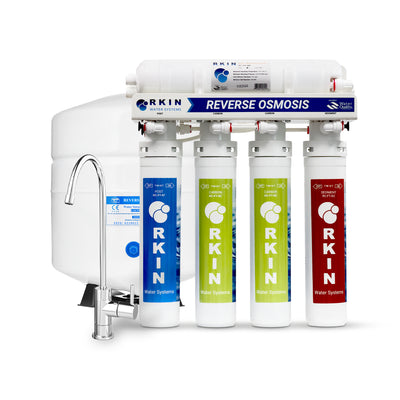
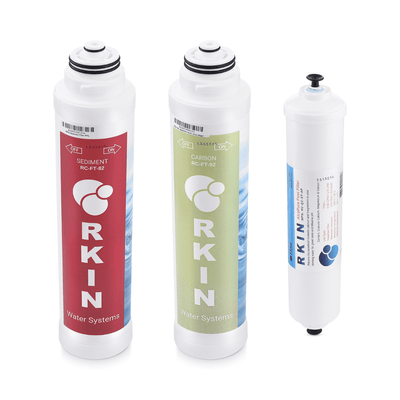
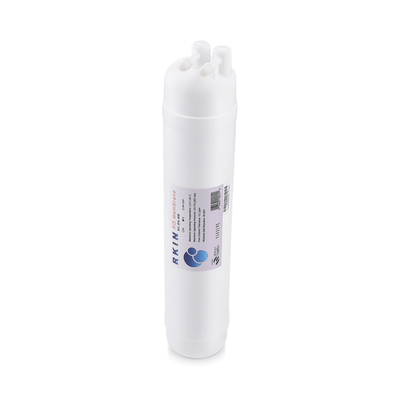
Reverse osmosis is popular with coffee drinkers because it creates a more controlled starting point for drinking and brewing water. In a typical RO system, water passes through pre-filtration, an RO membrane, and post-filtration stages. The membrane is the key difference between RO and a basic carbon-only filter.
That does not mean every coffee drinker needs the same system. Some people prefer remineralized RO water. Some use RO for drinking and cooking, then adjust brewing recipes. Others only need carbon filtration because their main issue is disinfectant taste. The right answer depends on the water and the palate.
Look for clear documentation. NSF explains that water treatment standards apply to different claims, so a system should state what it is designed to do. Avoid vague labels that promise everything without showing the category, test data, or maintenance requirements.
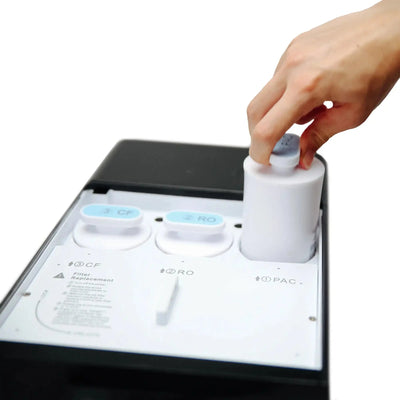
Maintenance matters too. A filter that is overdue can make water taste worse, not better. If coffee quality slowly declines over months, check filter age, storage tank condition if applicable, faucet aerators, and brewer cleanliness before blaming the beans.
How RKIN Can Fit a Coffee Station
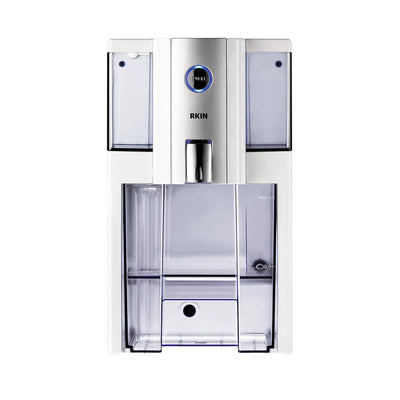
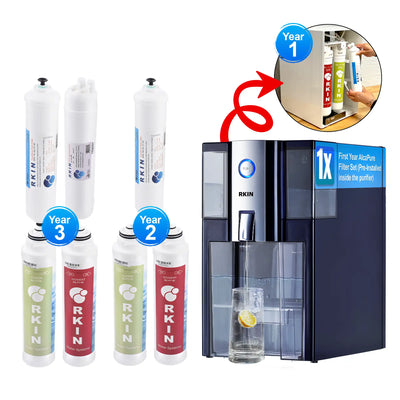
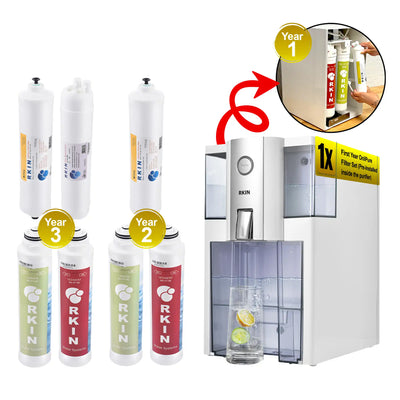
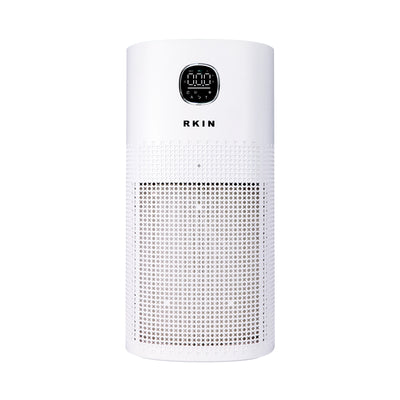
This is what the RKIN Zero Installation Purifier Countertop Reverse Osmosis Water Filter is designed for: drinking, cooking, and brewing water without permanent installation. It is a countertop reverse osmosis option, so it can fit homeowners, renters, and anyone who wants a point-of-use setup without modifying under-sink plumbing.
For a compact fill-tank approach, compare the RKIN U1 4-in-1 Water Filter System. It sits on the countertop and focuses on daily drinking-water use, which includes coffee, tea, ice, and cooking.
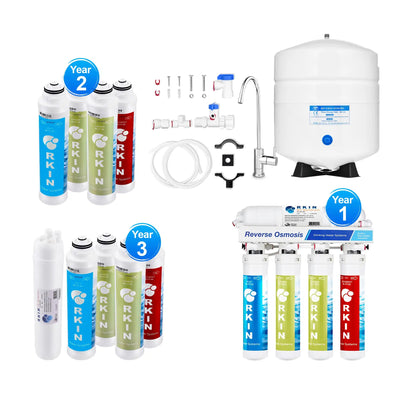
If you own the home and prefer an under-sink setup, the RKIN Flash Undersink RO System is another point-of-use path to compare. It keeps the system out of sight and supplies filtered water from the sink area.
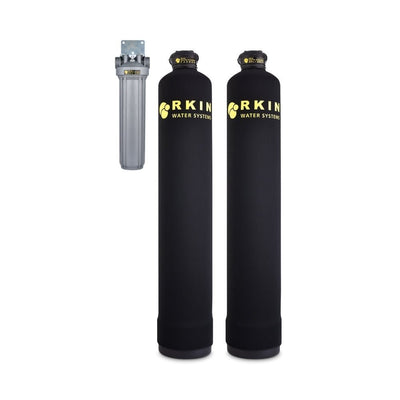
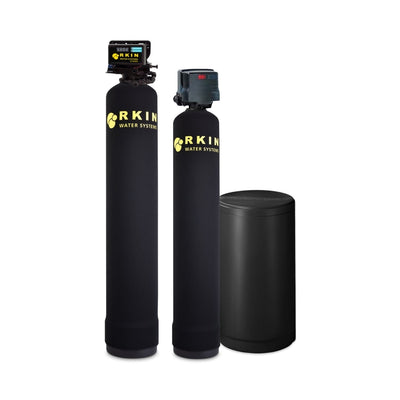
If coffee taste is only one symptom of hard water across the home, start with the RKIN whole house water treatment collection. Whole-home treatment belongs in the conversation when scale shows up in the dishwasher, shower, laundry, and kettle.
Log the Brew Before Adjusting Again
Use this order before replacing your brewer:
- Smell and taste the cold tap before brewing.
- Clean the brewer, kettle, and carafe according to the manufacturer’s instructions.
- Read your local Consumer Confidence Report if you are on public water.
- Test your water if you use a private well or suspect a home-specific issue.
- Check whether the problem is taste and odor, hardness, TDS, or plumbing pickup.
- Match the treatment category to the issue.
- Track filter replacement dates so water stays consistent.
Consistency is the real goal. Better coffee at home is not only about fancy beans. It is about giving those beans water that does not fight them.
Run a Side-by-Side Brew Test
Use the same beans, grinder setting, coffee dose, water mass, brew time, and temperature for both cups. Change only the water. Label the cups before tasting.
A handheld TDS meter can show that two waters differ in dissolved-ion conductivity, but it does not identify which minerals or contaminants are present. Pair the number with hardness and alkalinity information when possible.
- Clean the brewer and grinder before the test.
- Use the same fresh beans and recipe for both cups.
- Record water source, TDS, hardness, and alkalinity if available.
- Taste after both cups cool to the same range.
- Adjust mineral content or treatment only after a repeatable result.
For espresso machines, follow the manufacturer's water specifications. Water that tastes good but falls outside the machine's hardness or alkalinity limits can still contribute to scale or corrosion.
Frequently Asked Questions
Does a TDS meter tell me whether water is safe?
No. It estimates conductivity related to dissolved ions; it does not identify contaminants or determine safety.
Why does hardness matter for coffee equipment?
Calcium and magnesium contribute to scale and can affect extraction. Machine manufacturers may specify an acceptable range.
Is zero-TDS water always best for coffee?
No. Many brewers prefer some controlled mineral content for flavor and equipment compatibility.
How do I test whether water is changing my coffee?
Brew two cups with identical beans, grind, ratio, time, and temperature, changing only the water source.
Can RO water be remineralized for brewing?
Yes. Some systems or recipes add controlled minerals after RO, but follow equipment guidance and use food-safe methods.
Build a Repeatable Water Starting Point
RKIN's RO formats can provide a consistent treatment step for drinking and brewing water. Compare the current model's output and remineralization approach, then match it to the coffee-machine manufacturer's water limits.


0 comments