


flush faucets after being away
How Long to Flush Tap Water After Vacation? 2026 Guide

After a vacation, run the cold tap until the water turns noticeably cooler, usually a few minutes, then flush each drinking-water fixture. Follow any utility advisory first, remove and clean aerators if debris appears, and flush filters or appliances according to their manuals.
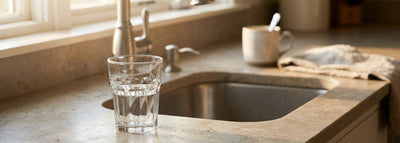
Summer travel makes this more common. A house may sit for a week or two with little water use, warmer indoor plumbing, and filters that have not seen normal flow. Before you drink from the kitchen tap, run a simple flush routine and check the fixtures you use most.
Why Water Can Taste Different After Vacation
Water quality is not only about what leaves the treatment plant or private well. It is also about what happens between the service line and your glass. When water sits in household plumbing, it can warm up, lose fresh disinfectant residual faster, pick up taste or odor from pipes and fixtures, and carry tiny particles that settled while flow was low.
The EPA has specific guidance for buildings with low or no use because stagnant water can create quality problems after extended shutdowns or low-flow periods. A single-family home after vacation is smaller than a school or office, but the same basic idea applies: water that sits should be moved out before normal use resumes.
The CDC also focuses on water management in buildings because warm, stagnant water can allow unwanted microbial growth in some plumbing conditions. For a homeowner, that does not mean panic. It means flushing fixtures, paying attention to hot-water settings, and maintaining filters and appliances that touch drinking water.
If your home was empty during a hot week, the first draw from the tap may come from water that sat in pipes, faucet lines, refrigerator tubing, or a reverse osmosis storage tank. A short, intentional reset is better than guessing.
How Long Should You Flush Tap Water?
For a typical home after a short vacation, start by flushing cold water at the kitchen tap for at least several minutes, then flush other frequently used fixtures. If the home sat unused for longer, if water tastes or smells unusual, or if your utility issued any notice while you were away, extend the flush and follow local guidance.
A practical homeowner routine looks like this:
- Open the cold side of the kitchen faucet and let it run until the water turns noticeably cold and steady.
- Flush bathroom sinks, tubs, showers, and laundry taps that sat unused.
- Run hot water at fixtures after cold lines have been cleared, being careful around hot water.
- Discard the first batch from refrigerator water dispensers and ice makers according to the appliance manual.
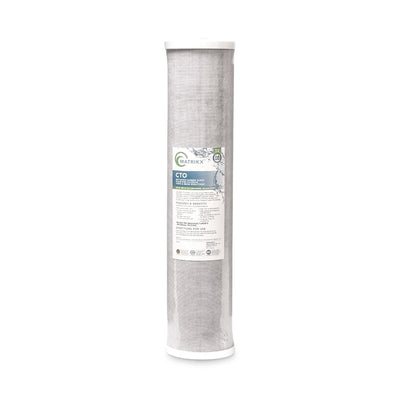
- If you use a drinking water filter, follow the filter manufacturer’s restart instructions.
The exact time depends on your plumbing length, home size, temperature, and how long the home was empty. A small condo may clear faster than a large two-story house. A home with long branch lines to guest bathrooms may need extra fixture-by-fixture flushing.
Use your senses, but do not rely only on them. Water can look clear and still have sat too long in a dead-end line. The goal is to replace stagnant water in the home plumbing with fresh water from the main or well system.
What Does Not Work
Boiling is not a reset for stale household plumbing. Boiling can be useful under specific public notices, but it does not remove every taste issue, and it does not flush stagnant water out of pipes, fixtures, refrigerator lines, or filters.
Letting only one tap run may also fall short. If a guest bathroom, laundry sink, or shower line sat unused, that branch line still contains old water. Flush the fixtures you expect to use, especially showers and faucets near drinking or cooking areas.
Another common mistake is forgetting appliances. Refrigerator dispensers, ice makers, humidifiers, coffee makers, and point-of-use filters may hold water in small internal lines. Check manuals when available. If ice was made while the home sat empty, discard it and let the appliance make a fresh batch after flushing.
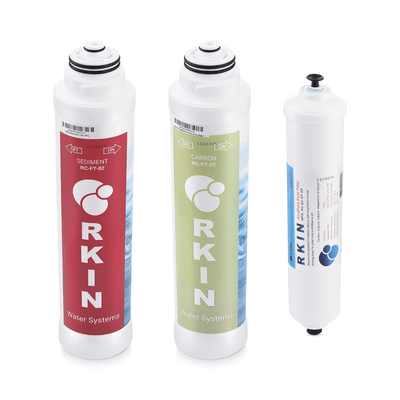
Do not use taste alone to decide whether a filter is fine. A filter near the end of its service life may still improve taste while performing less consistently. If the vacation lines up with the replacement window, change the filter before returning to normal use.
A Better Return-Home Water Checklist
Before leaving, you can make the return easier. If you will be gone for more than a few days, clean the sink area, empty standing water from countertop appliances, and note when filters are due. If your home has a private well, make sure the well cap, power, and treatment equipment are in good condition before storm season trips.
After returning, move from whole-house to point-of-use:
- Check for local water notices from your utility or county.
- Inspect under sinks and near water treatment equipment for leaks.
- Flush cold water first at the kitchen tap, then other fixtures.
- Flush hot-water lines after cold lines are moving fresh water.
- Discard old refrigerator ice and the first dispenser water.
- Restart or rinse filters according to the product manual.
- If water remains cloudy, discolored, or strongly odorous, contact the utility, a plumber, or a water professional.
If your water comes from a private well and the area had flooding, power loss, or heavy storm activity while you were away, treat that as a separate issue. Follow local health department guidance for well inspection and testing before relying on the water for drinking.
For municipal water, look for alerts about main breaks, flushing programs, pressure loss, or boil-water notices. If a notice was active while you were gone, follow the utility’s instructions rather than a generic vacation routine.
Where Reverse Osmosis Helps
Flushing moves stagnant water out of plumbing. Filtration handles a different job: improving the water you use after the lines are cleared. For drinking and cooking water, reverse osmosis is a strong point-of-use option because it uses a semipermeable membrane and supporting filters to reduce a broad range of dissolved and suspended substances.
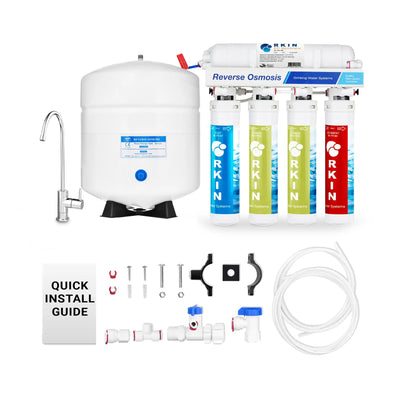
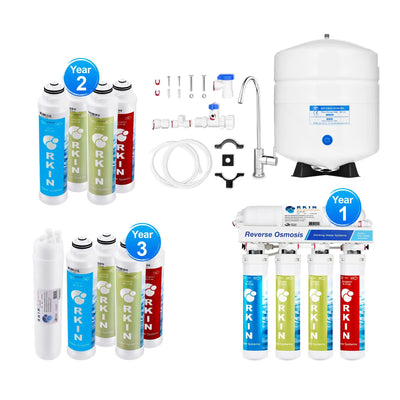
The RKIN Flash Undersink RO System is designed for homeowners who want filtered water at the kitchen sink with an under-sink setup. It includes a compact storage tank and connects to the cold water line, making it a fit for households that want a dedicated drinking water system.
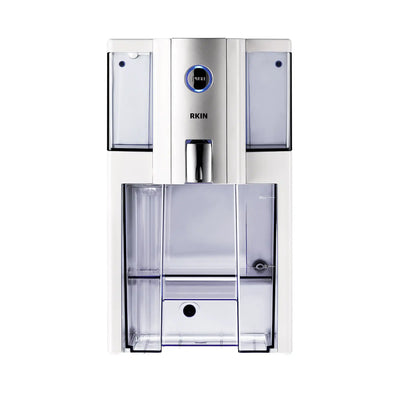
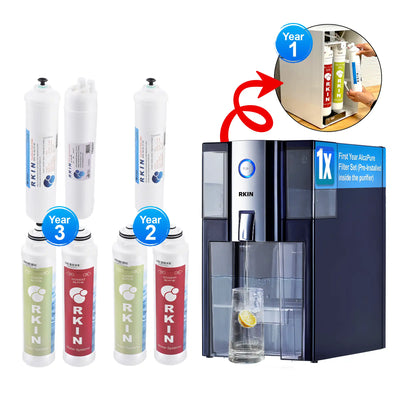
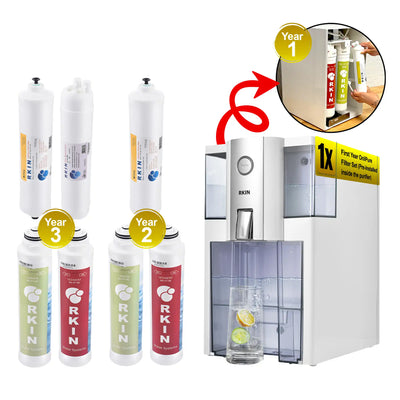
For renters, condos, or homes where plumbing changes are not ideal, the RKIN Zero Installation Purifier offers countertop reverse osmosis without permanent installation. That can be helpful for summer travel homes, apartments, or kitchens where you want a point-of-use system that does not require modifying the plumbing.
A filter is not a substitute for flushing stagnant lines. Think of it as step two: first refresh the home plumbing, then use a properly maintained drinking water system for the water you drink most often.
When to Do More Than Flush
Most post-vacation water issues are solved by flushing and basic filter maintenance. Some signs deserve extra attention:
- Brown, red, or black discoloration that does not clear after flushing.
- Strong sewage, fuel, chemical, or rotten-egg odor.
- Sudden loss of pressure.
- Nearby flooding, main breaks, or utility notices.
- A private well that lost power or may have been exposed to floodwater.
- Filters that are overdue or have sat unused beyond the manufacturer’s instructions.
If any of those apply, pause before using the water normally. Contact your water utility for municipal supply questions. For plumbing or treatment equipment concerns, call a licensed plumber or water treatment professional.
Frequently Asked Questions
How long should I run the faucet after vacation?
Run cold water at the kitchen faucet until it is cold and steady, then flush other fixtures you use often. For a short trip, several minutes at key taps may be enough. For longer low-use periods, flush each branch line carefully and follow local utility guidance.
Should I flush hot water too?
Yes, but start with cold water first. After cold lines are refreshed, run hot water at sinks and showers to move old water out of those lines. Use care around hot water and check manufacturer guidance if you changed water heater settings while away.
Is water sitting in pipes unsafe?
Stagnant water can have taste, odor, disinfectant, and plumbing-contact issues, especially after longer low-use periods. The EPA recommends steps to restore water quality in buildings with low or no use. Homeowners can apply the basic idea by flushing fixtures before normal use.
Do refrigerator water lines need flushing after vacation?
Usually, yes. Discard old ice, run the dispenser, and follow the appliance manual. Small internal lines can hold water while you are away, so a fresh batch is a safer habit for taste and quality.
Should I replace my RO filter after being away?
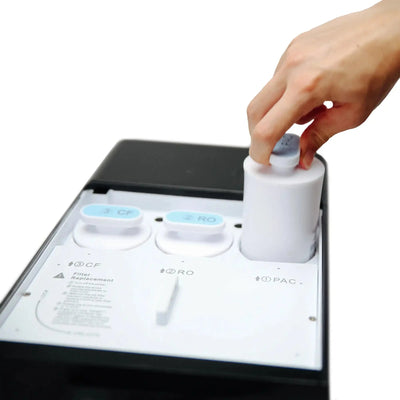
Check the system manual and replacement schedule. If the filter is due or water tastes unusual after flushing, replace it before relying on it. If the system has a storage tank, follow the manufacturer’s restart or sanitizing guidance.
Can a reverse osmosis system replace flushing?
No. Flushing clears stagnant water from the plumbing before the filter. Reverse osmosis is for the drinking water you use after the plumbing has been refreshed and the filter is maintained.
Ready for Better Drinking Water After Every Trip?
A simple flush routine can clear stagnant water from your home plumbing after vacation. Pair that habit with a maintained drinking water system, and your kitchen tap becomes easier to trust when you return.
Explore the RKIN Flash Undersink RO System for under-sink reverse osmosis at the kitchen sink.




0 comments