


bad tasting ice diagnosis
Bad Ice at One Appliance or Every Faucet? Diagnose It

Bad ice is easier to diagnose when you map where the taste appears. If only one appliance is affected, investigate its filter, supply tube, reservoir, ice bin, and stored-food odors before treating the whole house.
If the same taste appears at multiple cold-water taps, check utility notices and the building supply. This guide uses a location comparison to separate appliance maintenance from a broader drinking-water issue.
Why Freezing Can Concentrate an Existing Taste
Ice is a slow-motion taste test. Water sits in a line, freezes in a tray or mold, then melts directly on your tongue. Mild taste issues that are easy to miss from the faucet can stand out once they are trapped in ice.
Four causes show up again and again:
- Minerals and dissolved solids: EPA's secondary standard for total dissolved solids is 500 mg/L, and higher levels are associated with hardness, deposits, colored water, staining, and salty taste.
- Chlorine taste or odor: Municipal disinfectant can be noticeable in cold drinks, especially if water sits in a refrigerator line before freezing.
- Iron or manganese: EPA lists iron at 0.3 mg/L and manganese at 0.05 mg/L as secondary standards because they can affect color, taste, sediment, and staining.
- Old ice or freezer odors: Ice can absorb smells from open food, stale bins, or a freezer that needs cleaning.
The key point: an ice taste problem is not one single problem. It can be aesthetic water chemistry, equipment upkeep, or both.
Start With Appliance Maintenance and Storage
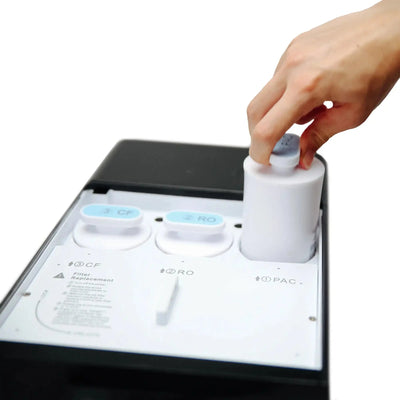
Before buying anything, empty the ice bin, clean it with unscented dish soap, rinse it well, and make a fresh batch. If the freezer has open seafood, onions, herbs, or leftovers, seal them and give the freezer time to air out. Replace any refrigerator filter that is past its stated service life, then flush the water dispenser according to the appliance manual.
Next, compare three glasses:
- Fresh cold tap water: poured straight from the faucet.
- Refrigerator water: dispensed after the line has run for a minute.
- Melted ice: cubes melted in a clean glass at room temperature.
If only the melted ice tastes bad, focus on the ice maker, bin, and freezer odors. If refrigerator water and ice both taste bad but faucet water is fine, the issue may be the refrigerator line or filter. If all three taste off, the source water deserves a closer look.
For homes under a boil water advisory, follow public instructions first. CDC advisory materials tell consumers not to use ice from ice trays, ice dispensers, or ice makers during an advisory and to throw out ice made with tap water CDC advisory FAQ. A home filter is not a substitute for emergency guidance from your water utility.
Verify What the Refrigerator Cartridge Is Designed to Do
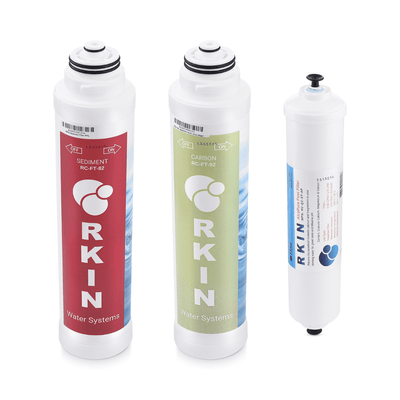
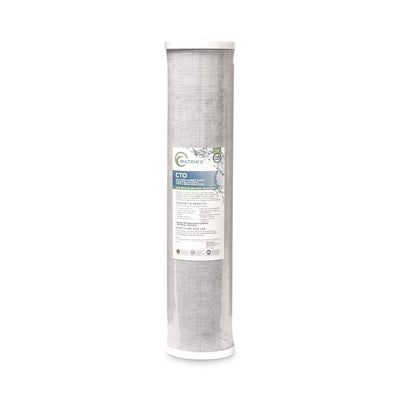
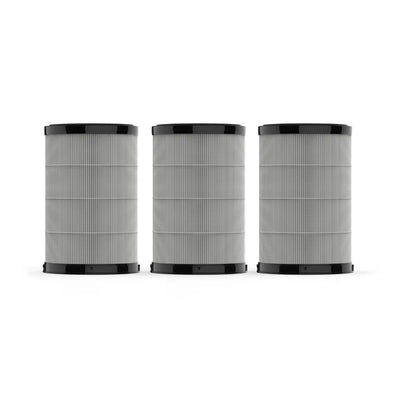
A refrigerator filter can make a real difference for chlorine taste and odor when it is the right filter, installed correctly, and replaced on schedule. NSF explains that NSF/ANSI 42 covers aesthetic impurities such as chlorine and taste or odor NSF standards overview.
But many refrigerator filters are small carbon filters. They are designed for convenience and flow, not for every water-quality concern. A refrigerator filter may not be the right tool if your main complaint is salty taste, high dissolved solids, heavy mineral scale, or a mix of issues that starts before the refrigerator.
That is why the question should not be, "Do I need a better fridge filter?" A better question is, "What am I trying to reduce before this water becomes ice?"
If your water smells like chlorine, a carbon-based filter may be enough. If water tastes mineral-heavy, leaves white residue, or reads high on a TDS meter, reverse osmosis may be a better fit. NSF describes reverse osmosis systems under NSF/ANSI 58 as using pressure to force water through a semi-permeable membrane, usually with other filters before or after the membrane NSF reverse osmosis standard summary.
When a Separate Drinking-Water System Is Relevant
Reverse osmosis is a point-of-use approach. Instead of treating every gallon entering the home, it treats the water you drink, cook with, and freeze. That makes sense for a lot of ice complaints because the problem is concentrated in drinking water and beverages.
RO can be a good direction when you notice:
- Ice that tastes salty, bitter, or flat.
- White specks or cloudy meltwater from dissolved minerals.
- Cold drinks that taste better with bottled water than tap water.
- Recurring refrigerator-filter changes that do not solve the problem.
- A water report showing elevated secondary contaminants tied to taste, odor, or dissolved solids.
RO is not magic, and it is not a replacement for a water test when you have a specific concern. It is a practical way to improve the water used most often for drinking, coffee, cooking, and ice.
Look for the details that matter: the system type, installation needs, filter schedule, capacity, and whether it fits the way your kitchen works. A countertop system can be the easiest path for renters or anyone avoiding plumbing changes. An under-sink system can be better when you want filtered water from a dedicated faucet and a tucked-away setup.
How RKIN Can Supply Water Before It Reaches the Ice Tray
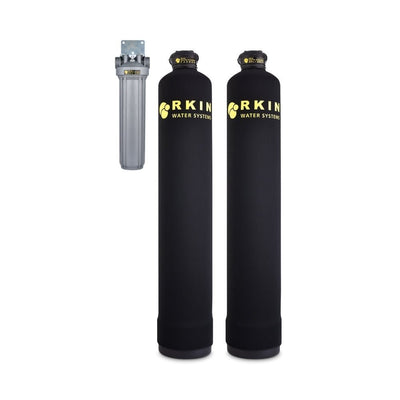
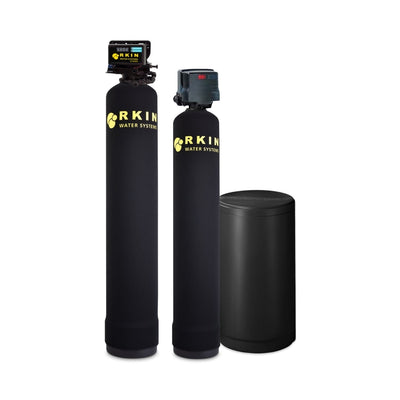
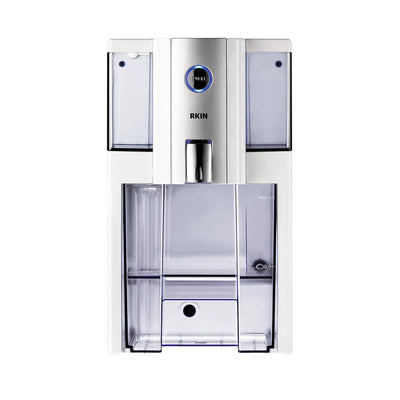
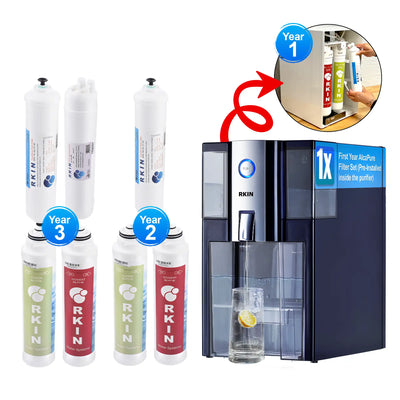
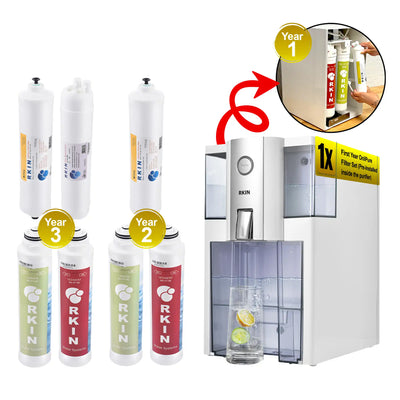
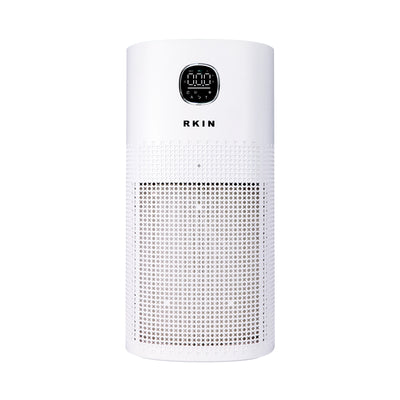
If you want filtered water for ice trays, pitchers, coffee, and everyday drinks without changing plumbing, the RKIN Zero Installation Purifier is designed for countertop reverse osmosis. It is a fit for apartments, rentals, offices, and kitchens where you want RO water without an under-sink install.
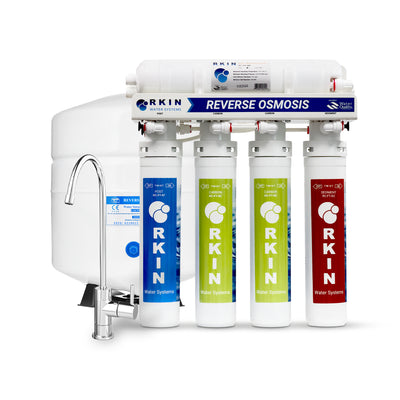
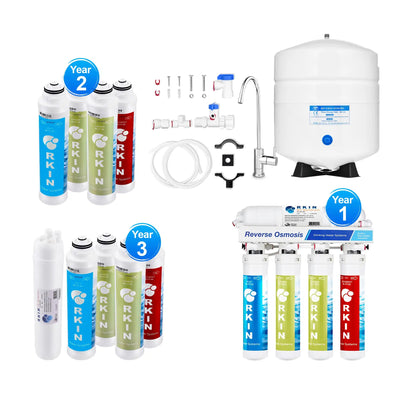
If you prefer an installed under-sink setup, the RKIN Flash Undersink RO System is the cleaner long-term option for many homeowners. It keeps the system under the sink and supplies filtered water from a dedicated faucet.
For ice makers that connect directly to a refrigerator line, check your appliance setup before routing any treated water to the fridge. Some households use RO water for trays and drinks first, then decide later whether a direct refrigerator connection is worth the plumbing work.
Test the Pattern Before Choosing Equipment
A basic water test can save you from buying the wrong system. If you are on city water, download your annual water quality report and look for disinfectant residual, hardness, total dissolved solids, iron, manganese, chloride, sulfate, and any local notices. If you are on a private well, test through a certified lab, especially if taste changed suddenly.
For a fast in-home screen, use these clues:
- Chlorine pool smell: points toward disinfectant taste and odor.
- Salty or mineral taste: points toward dissolved solids, chloride, sulfate, or hardness.
- Orange, black, or brown staining: points toward iron or manganese and needs source-specific treatment.
- Musty freezer smell: points toward storage, old ice, or odor transfer.
Sudden changes deserve more caution. If your water changes color, pressure drops, your utility issues an alert, or flooding affects a well, follow local instructions first. Do not assume taste is only a comfort issue.
Run a Four-Glass Location Test
Taste cold water from the refrigerator dispenser, the kitchen faucet, and another cold tap using clean identical glasses. Melt a fresh ice cube in a fourth glass and compare it after the samples reach a similar temperature.
If the taste is limited to the ice, clean the bin, discard old cubes, inspect food odors, and follow the appliance maker's sanitation and filter instructions.
- Check the refrigerator filter model and replacement date.
- Inspect the supply line for age, kinks, or unsuitable material.
- Clean the ice bin and discard old ice.
- Compare water from two cold-water faucets.
- Review utility notices if the taste appears throughout the home.
Do not connect equipment or replace plumbing based on taste alone if there is an active water advisory, visible contamination, or a sewage or solvent odor. Follow official or professional guidance.
Use Fresh Ice for the Final Check
After cleaning or replacing an approved component, flush the appliance and discard ice exactly as the manufacturer directs. Then repeat the location test with fresh samples. Record what changed and what did not. A confirmed improvement at the appliance is stronger evidence than a taste impression taken before the system was flushed.
Frequently Asked Questions
Why does only my refrigerator ice taste bad?
The filter, supply line, reservoir, ice bin, stored-food odors, or appliance sanitation may be involved when other taps taste normal.
How long should I discard ice after replacing a filter?
Follow the refrigerator manufacturer's flushing and ice-discard instructions for the exact model.
Can a plastic supply line affect taste?
Age, material, stagnation, and installation can affect taste. Inspect the line and use appliance-approved replacement parts.
What if every cold-water faucet tastes the same?
Check utility notices, ask whether neighbors notice the change, and investigate the building or source rather than only the ice maker.
Should I use taste as a safety test?
No. Taste and odor cannot determine whether water is safe. Use official notices and qualified testing for safety questions.
Treat the Location Where the Problem Begins
If appliance maintenance does not solve a drinking-water taste problem, compare a dedicated point-of-use system for beverages and ice. RKIN offers countertop and under-sink RO formats; confirm installation details before routing treated water to an appliance.


0 comments