


best water filter for biohacking
Water Quality and Biohacking: Why Your Water Matters More Than You Think

You track your sleep with an Oura ring. You time your morning light exposure. You've tuned your supplement stack down to the microgram. But when you reach for that glass of water — the substance that makes up 60% of your body — do you have any idea what's actually in it?
Most people who call themselves biohackers don't.
Water is the single most consumed substance in your life. You drink it, cook with it, brew your morning coffee with it. Yet it rarely gets the same attention as a bottle of NMN or a CGM sensor. That's a blind spot, because what's in your tap water may be quietly working against every other optimization you're making.
Quick FAQ: Shipping, Filter Life, and Installation
How long does RKIN shipping take?
Most RKIN systems ship within 1 business day from our U.S. warehouse. Standard delivery is typically 2-5 business days in the continental U.S.
How long do RKIN filters last?
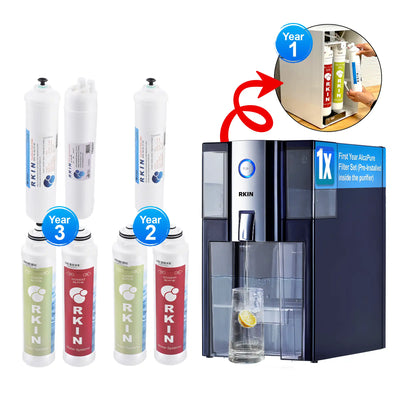
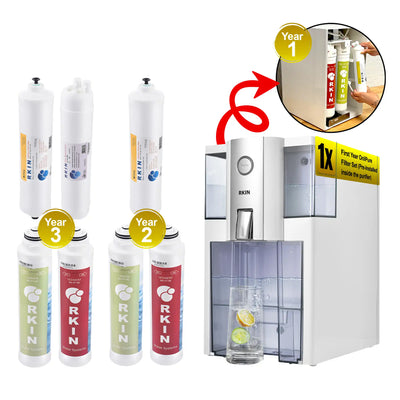
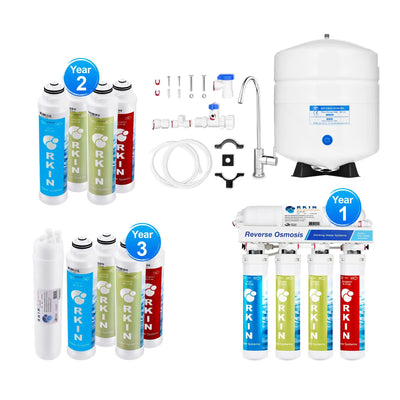
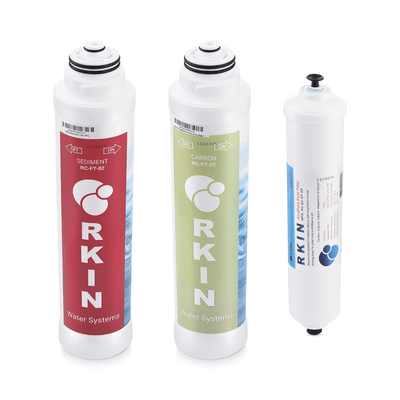
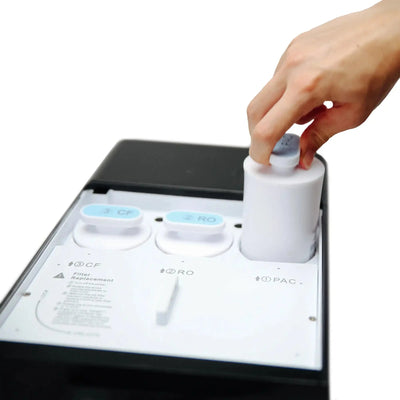
Most pre/post filters last about 6-12 months depending on water quality and usage. RO membranes typically last 12-24 months. Replacing on schedule keeps performance consistent.
Is installation complicated?
No for countertop systems. Zero Installation Purifier and U1 are zero-install designs: fill the tank, plug in, and run. Flash is an undersink system and is still straightforward for most homeowners, usually 30-60 minutes.
What's Actually in Your Tap Water
The Environmental Working Group's Tap Water Database — updated in 2025 with data from nearly 50,000 water systems — identified 324 contaminants in U.S. drinking water. Many fall below the EPA's legal limits, but here's the thing: those federal standards are outdated. Some haven't changed since the 1990s. The levels often far exceed what independent scientists consider safe.
Here's a sample of what's showing up:
PFAS ("forever chemicals"): In 2024, the EPA set maximum contaminant levels for six PFAS compounds at just 4 parts per trillion for PFOA and PFOS — acknowledging that even trace amounts pose health risks. Public water systems have until 2029 to comply. Until then, your tap water may contain these persistent synthetic chemicals that build up in the body over time.
Chlorine and chloramine byproducts: These disinfectants do their job at the treatment plant, but by the time water reaches your glass, their byproducts — trihalomethanes (THMs) and haloacetic acids — are associated with health risks at chronic exposure levels.
Microplastics and nanoplastics: No federal regulation yet. A February 2026 Ohio State University study found bottled water contains 3x more nanoplastics than tap water — and that even treated municipal water has detectable levels. Research into long-term health effects is still catching up.
Pharmaceuticals and hormones: Trace amounts of prescription drugs, birth control hormones, and antibiotics show up in municipal water supplies. Treatment plants weren't designed to remove these.
Heavy metals: Lead from aging pipes, chromium-6 (the "Erin Brockovich" chemical), and arsenic all appear in water systems across the country — sometimes at levels exceeding health guidelines while remaining technically "legal."
The uncomfortable reality: "legal" doesn't mean "optimal." If you're spending real time and money to optimize your biology, drinking unfiltered tap water is like putting regular gas in a finely tuned engine.
Why Reverse Osmosis Is the Biohacker's Filtration Method
Not all water filters do the same thing. Pitcher filters and basic faucet attachments cut chlorine taste, but they leave most serious contaminants untouched. Reverse osmosis works on a different level.
RO forces water through a semipermeable membrane with pores small enough to block dissolved solids, heavy metals, PFAS, pharmaceuticals, and microplastics. Quality RO systems remove up to 99% of total dissolved solids, giving you a clean baseline.
The common objection: "RO removes minerals too." That's true — and it's actually a feature, not a bug. Municipal water mineral content varies wildly by region and season. Rather than accepting whatever random mineral profile your local utility delivers, RO gives you a blank slate. From there, an alkaline remineralization filter adds back calcium, magnesium, and potassium at consistent levels while raising pH.
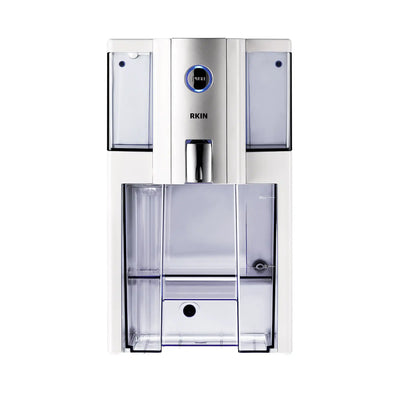
This is the approach the RKIN U1 takes: a 5-stage countertop reverse osmosis system with integrated alkaline remineralization, UV sterilization, hydrogen infusion, and hot/cold dispensing. No plumbing required — it sits on your counter and you fill the tank. For a detailed comparison of how RO stacks up against popular ionizer systems, see our Kangen vs reverse osmosis comparison.
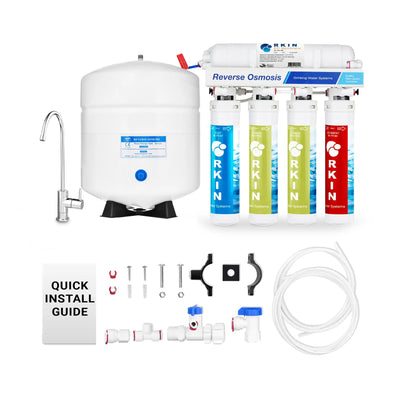
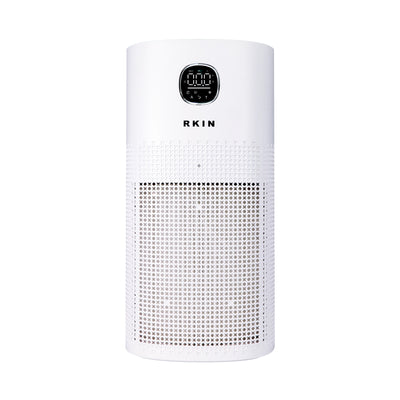
If you want straightforward, certified RO filtration without the extra features, the RKIN Zero Installation Purifier (Zero Installation Purifier) is NSF/ANSI 58 certified and available at rkin.com — a solid entry point for anyone getting serious about water quality.
Hydrogen Water: What the Research Actually Says
Hydrogen-rich water — water infused with dissolved molecular hydrogen (H₂) — has generated genuine interest in both wellness and clinical research circles. Rather than repeating marketing claims, let's look at what peer-reviewed studies report.
A 2024 systematic review published in Frontiers in Nutrition examined randomized controlled trials on molecular hydrogen supplementation and exercise-induced oxidative stress in healthy adults. The findings suggest that H₂ may help reduce markers of oxidative damage following intense physical activity.
Additional research published in Frontiers in Physiology (2024) studied elite fin swimmers and found that hydrogen-rich water supplementation appeared to support muscle recovery between strenuous same-day training sessions — a randomized, double-blind, placebo-controlled crossover trial. A separate study on female juvenile soccer players showed that two months of hydrogen-rich water consumption was associated with changes in inflammatory markers and antioxidant capacity.
A systematic review in PMC (2024) compiled evidence across multiple studies, noting that while results are promising around exercise recovery, oxidative stress reduction, and potential body composition effects, most studies involve small sample sizes. Researchers consistently call for larger trials.
What we can say: molecular hydrogen is the smallest molecule in existence, which allows it to cross cell membranes readily. It appears to act as a selective antioxidant, potentially targeting harmful reactive oxygen species without disrupting beneficial ones. The oxidation-reduction potential (ORP) of hydrogen-rich water is typically negative, indicating antioxidant properties.
What we can't say: that hydrogen water may support recovery from or may help address any specific condition. The research is preliminary but genuinely interesting — exactly the kind of emerging science that biohackers pay attention to.
The RKIN U1 generates dissolved H₂ on demand from already-purified RO water. No tablets, no separate devices, no recurring costs. The hydrogen function produces a negative ORP of approximately -340, and you can toggle it on or off with a button press.
Temperature Control: The Overlooked Variable
If you follow a structured morning routine — and most biohackers do — water temperature matters more than you'd think.
Instant hot water means your morning lemon water, herbal tea, or warm water + electrolytes habit doesn't require boiling a kettle. The U1 dispenses hot water up to 200°F immediately. That's not a luxury — it's friction reduction that makes good habits easier to maintain.
Cold water post-workout supports your body's natural cooling process after training. Having chilled, filtered water (59°F/15°C) ready immediately after exercise eliminates the temptation to grab a plastic bottle of questionable quality from the gym fridge.
Both temperatures from the same system — already filtered, remineralized, and optionally hydrogen-infused — means fewer devices and fewer steps in your routine.
The Math: What Clean Water Actually Costs
Let's talk numbers.
Branded hydrogen water is paid for bottle by bottle, and one a day adds up over a year. Premium bottled spring water, and even basic bottled water, are recurring costs too — before you account for the plastic waste and the nanoplastics you're drinking from those bottles.
The RKIN U1 is a one-time purchase, plus replacement filters each year depending on usage (see current pricing at rkin.com). That's RO-purified, alkaline-remineralized, hydrogen-infused, temperature-controlled water — effectively unlimited — for less than the annual cost of bottled hydrogen water.
For even lower upfront cost, the Zero Installation Purifier gives you NSF/ANSI 58 certified RO purification with alkaline remineralization — no hot/cold or hydrogen, but the same purification quality.
Compare that to supplement stacking: many biohackers spend money every month on supplements targeting inflammation, oxidative stress, and recovery. Clean water won't replace targeted supplementation, but it addresses the foundational input that every cell in your body depends on. If your water quality is poor, you're building on a compromised foundation.
A Practical Biohacking Water Protocol
Here's how to actually integrate better water into a daily routine:
Morning (6:00-8:00 AM)
- Wake up: 16 oz room-temperature RO water with a pinch of sea salt and lemon. Rehydrate after 7-8 hours of sleep. The U1's instant hot water mode makes warm lemon water effortless.
- With supplements: Take your morning stack with clean, filtered water. No chlorine or contaminants interacting with what you're ingesting.
Midday (12:00-2:00 PM)
- Hydrogen mode: Dispense hydrogen-infused water around your training window. Based on published research, H₂ appears most relevant around periods of physical stress.
- Consistent hydration: 80-100 oz throughout the day is a common target. A countertop system means you refill at home without thinking about it.
Post-Workout
- Cold filtered water immediately after training. Skip the plastic bottle. Skip the tap.
- Electrolyte mix in clean RO water — no competing contaminants diluting your LMNT or Element packet.
Evening (8:00-10:00 PM)
- Herbal tea or warm water from the hot dispense function. Wind down without the microwave or kettle step.
- Final hydration 60-90 minutes before sleep. Clean input, clean recovery.
This isn't complicated. That's the point. The best health protocols are the ones you actually follow, and reducing friction is how you make them stick.
Frequently Asked Questions
Does reverse osmosis water lack minerals?
RO removes minerals along with contaminants, yes. But quality systems add them back. The RKIN U1 includes an alkaline remineralization post-filter that returns calcium and magnesium to purified water, bringing pH to 7-8 — similar to natural spring water. You get consistent mineral content rather than whatever your local utility happens to deliver that day.
Is hydrogen water actually backed by science?
There's a growing body of peer-reviewed research, primarily around exercise recovery and oxidative stress reduction. A 2024 systematic review in Frontiers in Nutrition found positive results in randomized controlled trials. However, most studies have small sample sizes, and researchers call for larger trials. The science is promising but not conclusive — no one should claim hydrogen water may help address or may support recovery from specific conditions.
How does the RKIN U1 compare to bottled hydrogen water?
Bottled hydrogen water is paid for bottle by bottle and generates plastic waste. The U1 produces hydrogen-enriched water on demand from RO-purified water for a one-time purchase plus annual filter replacements (see current pricing at rkin.com). It also gives you hot and cold dispensing, UV sterilization, and alkaline remineralization — none of which come in a bottle.
What's the best water filter for biohacking?
Look for a system that does three things: removes contaminants (RO membrane filtration), adds back minerals (alkaline remineralization), and fits your routine without friction (zero installation, countertop). The RKIN U1 checks all three and adds hydrogen infusion and temperature control. The Zero Installation Purifier is a strong choice if you want certified RO without the extra features.
Can I use RO water for coffee and cooking?
Absolutely. RO water produces cleaner-tasting coffee because there are no chlorine or mineral off-flavors competing with the beans. For cooking, it means your pasta water, soups, and rice aren't concentrating whatever contaminants are in your tap supply. The U1's hot water function also speeds up cooking prep.
How do I check what's in my tap water?
The EWG Tap Water Database at ewg.org/tapwater lets you search by ZIP code and see what contaminants have been detected in your local water system. It compares detected levels against both legal limits and health guidelines — which are often very different numbers.
The Bottom Line
Water quality isn't glamorous. It doesn't have a podcast sponsor code. But it's the most fundamental input to your biology — more basic than any supplement, device, or protocol.
If you're serious about health optimization, start with what you're drinking. Check the EWG Tap Water Database for your ZIP code. Understand that municipal treatment was designed for minimum safety, not optimization.
Then decide whether your daily water deserves the same attention you give everything else.
The RKIN U1 handles reverse osmosis purification, alkaline remineralization, hydrogen infusion, UV sterilization, and instant hot and cold — in one countertop unit, no plumbing, no installation. It's the water system that belongs in a biohacker's kitchen because it was designed to address every variable that matters.
Your water is either working for you or against you. At 60% of your body, it's worth getting right.
→ See the RKIN U1 Space-Saving 4-in-1 Water Filter System
Questions? Reach out to our team — Contact us or call 1-800-803-4551, Mon-Fri 9AM-5PM EST.





0 comments