


inherited reverse osmosis system
Old Reverse Osmosis System: What to Replace Before Use

An old reverse osmosis system under the sink is not something to trust blindly. If you moved into a house, inherited a filter from the last owner, or found a system that has been sitting unused for months, the safest first move is not to drink from it. It is to inspect, replace, flush, and test.
The issue is not that reverse osmosis is a bad technology. RO is a proven way to reduce many dissolved solids when the system is installed and maintained correctly. The issue is unknown service history. You may not know when the filters were changed, whether the membrane dried out, whether the storage tank is clean, or whether the tubing has been sitting with stagnant water. Treat the system like an appliance with missing records.
Why Old Reverse Osmosis Systems Need a Reset
Reverse osmosis systems are made of parts that age differently. A sediment prefilter can clog. Carbon filters can exhaust. A membrane can foul, dry out, or lose performance. A storage tank can lose pressure. Tubing and fittings can drip after years under a sink. None of that is dramatic, but it does mean a quick sip is not a real test.
The first question is simple: do you have documentation? Look for the brand, model number, filter labels, install date, and any service sticker. If the previous owner left filter boxes or receipts, save them. If there is no record, assume the consumable parts are overdue.
City-water homes should also check the local Consumer Confidence Report so the filter choice lines up with the source water. EPA explains the annual report system on its Consumer Confidence Reports page. If the home uses a private well, EPA notes that the homeowner is responsible for testing and maintenance; its private wells guidance is the better starting point.
What to Check Before You Drink From It
Start with a flashlight, a towel, and a notepad. Do not open housings until you know where the shutoff valve is.
Check the visible system first:
- Water under the cabinet, swelling on the cabinet floor, or mineral crust around fittings
- Tubing that is kinked, brittle, yellowed, or pushed against sharp cabinet edges
- Filter housings with dates written on them
- A storage tank that feels heavy even after the faucet runs for a while
- A faucet that sputters, smells unusual, or produces very slow flow
- Any electrical parts, pumps, or UV components if the system includes them
Then check what the system is supposed to be. Some older under-sink units use standard cartridges; others use proprietary filters that may be hard to find. Some are RO systems; some are only carbon filters with an RO-style faucet. Do not order replacement parts until you confirm the exact model.
If the system is connected to a refrigerator or ice maker, trace that line too. A filter reset is less useful if old tubing downstream remains full of stale water.
What Doesn't Work
Do not replace only the easiest cartridge and call the job done. If the membrane, carbon post-filter, storage tank, or tubing is old, one new prefilter will not reset the system.
Do not judge the system by taste alone. Water can taste fine while the membrane is underperforming. Water can also taste flat or stale after sitting in a tank without telling you which part is the problem.
Do not use a TDS meter as the only answer. A TDS meter can help compare tap water to RO water, but it does not identify individual contaminants. If you have a well, old plumbing, or a known local concern, use lab testing or the relevant water report instead of guessing.
Do not boil RO water to fix an old system. Boiling may be part of official boil-water guidance for certain situations, but it does not replace filter service, membrane checks, tank cleaning, or source-water testing.
The Practical Reset Plan
Here is the clean sequence for an old reverse osmosis system with unknown history.
- Turn off the feed-water valve and close the storage tank valve.
- Open the RO faucet to release pressure.
- Take photos of the tubing layout before disconnecting anything.
- Identify the brand, model, and filter set.
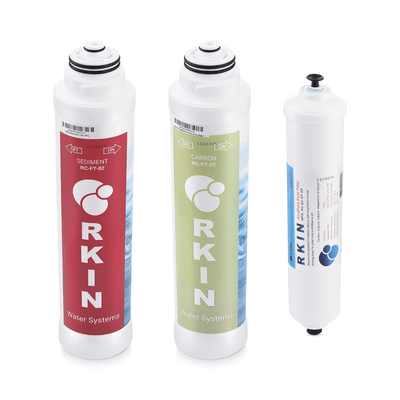
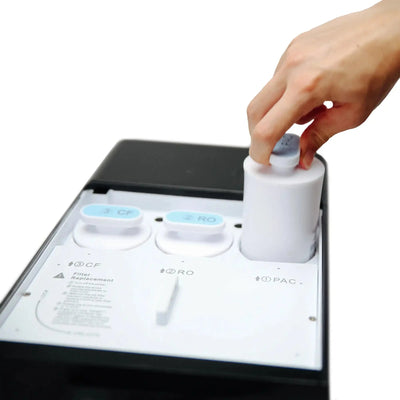
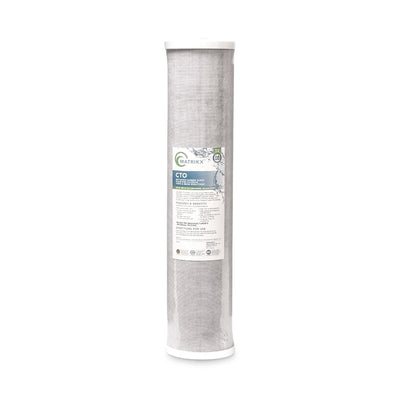
- Replace all filters that are due or unknown, including the carbon post-filter.
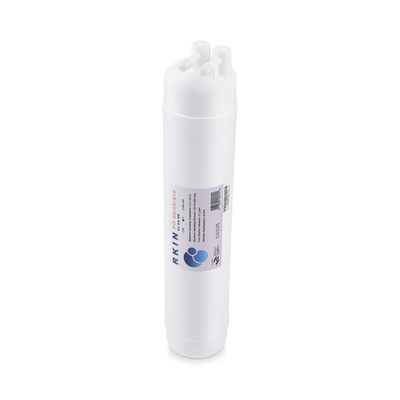
- Replace the membrane if the age is unknown or if TDS reduction is poor after flushing.
- Inspect tubing and fittings; replace brittle or stained lines.
- Check storage tank pressure according to the manufacturer instructions.
- Flush the system fully after service before drinking the water.
- Test the water if you have a specific concern or private well.
If you are not comfortable opening housings or reconnecting lines, call a plumber or water-treatment technician. Under-sink leaks can damage cabinets quickly, and old fittings do not always reseal neatly.
The point of the reset is not to make the old system perfect. It is to answer whether the system is worth keeping. Write down what you changed, when you changed it, and what the water looked like after flushing. If replacement filters are hard to find, the system has no clear model number, the tank will not hold pressure, or the cabinet shows old leak damage, starting over may be the simpler path.
How to Decide Between Repair and Replacement
Keep the old system if the model is identifiable, parts are available, the cabinet is dry, the faucet and tank work normally, and post-service testing looks reasonable for your source water.
Replace it if the system has no clear service path, leaks at multiple fittings, uses obsolete cartridges, has a failed tank, or still produces poor readings after a full reset. Also consider replacement if the install no longer fits how you use the kitchen. A family that cooks daily may value steady under-sink storage. A renter or small apartment may value no plumbing changes more than a permanent installation.
For public water, compare the system to your CCR and the current concerns in your area. For private wells, test before choosing equipment. EPA's drinking water regulations page is useful background for regulated contaminants in public systems, but private wells need their own testing because they are not managed like city water.
Where RKIN Fits
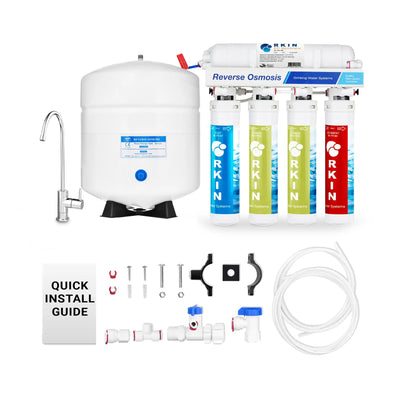
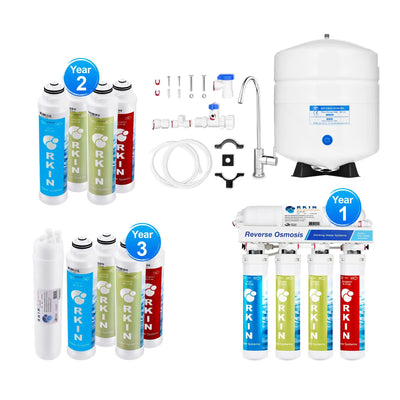
If you want to replace an old under-sink RO system with a current under-sink option, the RKIN Flash Undersink RO System is designed for homeowners who want reverse osmosis under the sink with a compact storage tank. It connects to the cold-water line and keeps the counter clear.
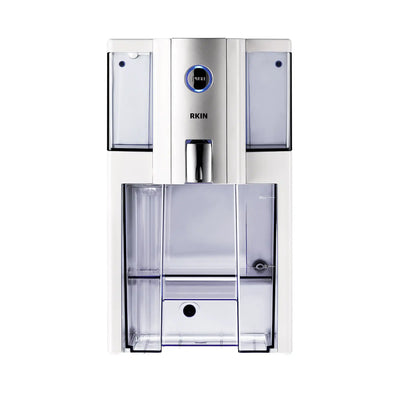
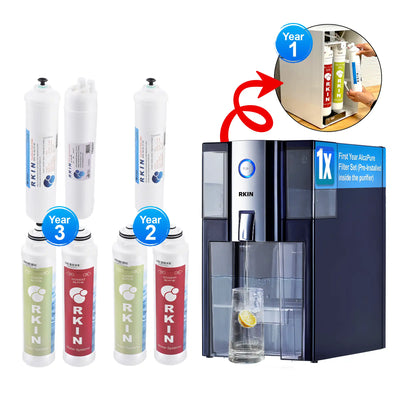
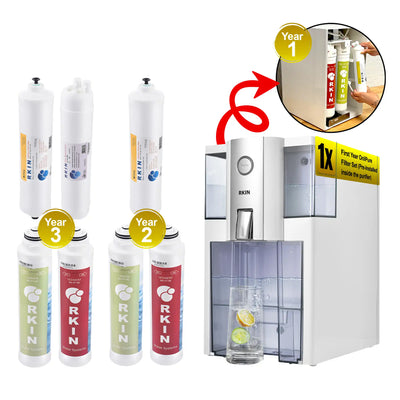
If the old system makes you want less plumbing, the Zero Installation Purifier Countertop Reverse Osmosis Water Filter is the no-install route. It uses a refill tank on the counter and does not connect to the faucet, so there is no need to drill, mount, or modify the cabinet.
If you want a compact countertop setup with a fill tank, the RKIN U1-W Space-Saving 4-in-1 Water Filter System is a countertop RO option with sediment, carbon, reverse osmosis, UV, and post-filter stages. It sits on the counter and does not mount under the sink.
Frequently Asked Questions
Is an old reverse osmosis system safe to use?
Do not assume it is ready to drink from if the service history is unknown. Inspect for leaks, identify the model, replace overdue filters, flush the system, and test when needed. If the system has been unused for months or years, treat it as a reset project, not a normal glass of water.
What should I replace in an old RO system first?
Start with all consumable filters if the dates are unknown: sediment prefilter, carbon prefilter, RO membrane if performance is poor or age is unknown, and carbon post-filter. Also inspect tubing, fittings, and the storage tank. One new cartridge is not a full reset.
Can I just run the faucet for a while and use it?
Flushing is needed after service, but flushing alone does not fix expired filters, a weak membrane, tank issues, or old tubing. If you do not know the maintenance history, inspect and service the system before relying on it.
How do I know if the RO membrane still works?
Compare tap-water TDS to RO-water TDS after the system has been serviced and flushed. A large reduction suggests the membrane is doing its job, but TDS does not identify every contaminant. If you have a specific concern, use a water test that measures it directly.
Should I repair or replace an inherited RO system?
Repair makes sense when the model is clear, parts are available, the cabinet is dry, and the system performs after service. Replacement makes more sense when parts are obsolete, leaks are present, the tank fails, or you want a no-plumbing countertop option instead.
Ready to Stop Guessing?
An old RO system can be worth keeping, but only after you know what it is, what was replaced, and what the water test shows.
If you want a fresh start, compare the RKIN Flash Undersink RO System for under-sink replacement with the Zero Installation Purifier Countertop Reverse Osmosis Water Filter if you want reverse osmosis without changing the plumbing.





0 comments