


chlorine smell in bath water
Cloudy Bath Water: Why It Happens and What to Check

Cloudy bath water usually comes from trapped air, hardness minerals, sediment, or a recent change in utility treatment. Fill a clear glass: water that clears from the bottom up is usually air, while water that stays cloudy or leaves residue calls for a closer look.
The timing matters too. In summer, homes use more water for showers, laundry, irrigation, guests, and kids home from school. Utilities may flush lines, adjust treatment, or respond to storms. A tub fill moves a lot of water at once, so it can make small changes more obvious than a drinking glass.
Start With the Clear-Glass Test
Before assuming the water is unsafe or buying a filter, fill a clear glass from the same tap and set it on the counter. Watch it for two minutes.
If the cloudiness clears from the bottom upward, the likely cause is trapped air. Tiny air bubbles can make water look white or milky when pressure changes in the line. As the bubbles rise and escape, the water turns clear. This can happen after plumbing work, hydrant flushing, utility maintenance, or changes in water temperature and pressure.
If the water stays cloudy, leaves particles at the bottom, or has flakes floating in it, the issue may be sediment, scale, water heater debris, or pipe material. If the water clears but leaves a chalky ring on the tub, hardness minerals may be part of the problem.
If the water smells like chlorine, pay attention to where and when. A faint pool-like smell can be more noticeable in hot water or when a large volume runs quickly. City water systems use disinfectants to manage microbial risk in the distribution system. The EPA national primary drinking water regulations include rules for disinfectants and disinfection byproducts, which is why chlorine or chloramine can be part of normal municipal treatment.
The clear-glass test will not identify every contaminant. It does help separate trapped air from visible material, and that changes your next move.
Why the Bathtub Shows Problems First
A bathtub fills faster than most sinks. That high flow can stir up air, loosen small particles, or make odors more noticeable. It also gives you a larger white surface to compare against. Water that looks clear in a glass may look different across a whole tub.
The tub may also be downstream from older plumbing, a mixing valve, or a water heater line that does not affect the cold kitchen tap in the same way. If cloudy water appears only when the hot side runs, the water heater should be on your checklist. Sediment can collect at the bottom of a tank over time. When hot water demand is high, some of that material can move.
If cloudiness appears only on the cold side, look at the incoming line, recent utility work, or a fixture-specific issue. Remove the tub spout screen if it has one, check nearby sink aerators, and ask whether neighbors noticed the same change.
If every fixture in the home shows the same cloudy water, the issue is broader. That is when a water test, utility call, and whole-house treatment conversation make more sense than replacing a single faucet or tub spout.
Common Causes of Cloudy Bath Water
The first cause is air. Air bubbles are common after pressure changes, main repairs, or plumbing work. This is the case most likely to clear quickly in a glass.
The second cause is hardness. Hard water contains minerals such as calcium and magnesium. Those minerals can leave a white film on tubs, shower glass, faucets, and dishes. Hardness does not usually make water smell like chlorine, but it can make bath water look dull and leave residue after the water drains.
The third cause is sediment. Sediment can come from utility work, old plumbing, a water heater, well water, or disturbed lines. Sand, rust, flakes, or dark particles are clues that you are seeing material, not air.
The fourth cause is disinfectant smell. Chlorine or chloramine odor can seem stronger when water is warm, aerated, or moving fast. A tub creates all three conditions. The smell alone does not tell you whether the water needs treatment, but it does tell you to compare fixtures and check for utility notices.
The fifth cause is a recent storm or flood event. Even if city water service stays on, heavy rain and flooding can stress water systems and create more flushing, testing, or treatment changes. If your utility issues a boil water notice, follow that notice. A filter is not a substitute for official emergency instructions.
What Does Not Fix the Real Problem
Boiling bath water is not a practical solution, and it does not remove hardness minerals. Boiling can drive off some odors in small amounts of water, but a bathtub problem needs diagnosis, not a pot on the stove.
A refrigerator filter will not fix cloudy bath water. It only treats water dispensed by the fridge. If your tub, shower, and bathroom sink all show the same issue, the fridge is not where the problem enters.
A pitcher filter is also too narrow for a whole-bathroom issue. It may improve drinking water taste, but it does nothing for the tub, shower, laundry, or water heater.
Replacing the tub spout without checking the rest of the home can waste time. If particles show up at every fixture, a new spout will not change incoming water. If the problem is only at that tub, then the fixture deserves attention.
The main mistake is treating cloudy bath water as one problem. It is a symptom. Air, hardness, sediment, disinfectant smell, and water heater debris call for different fixes.
What to Check Before You Buy a Filter
First, run cold water only. Fill a glass and watch whether it clears. Then run hot water only and repeat the same test. If the issue is hot-side only, inspect or service the water heater before blaming incoming city water.
Second, check more than one fixture. Try the bathroom sink, kitchen sink, shower, laundry sink, and an outdoor spigot if you have one. Write down where the issue appears. One fixture points local. Several fixtures point upstream.
Third, look for residue. White chalky film suggests hardness. Orange or brown particles may point toward rust, iron, or sediment. Black flecks can come from rubber parts, carbon fines from a filter, or plumbing material. Do not guess based on color alone; use it as a clue.
Fourth, check your utility’s alerts. If the water department is flushing lines, repairing a main, or responding to storm damage, temporary cloudiness or odor changes may show up. If there is a boil water notice, follow it exactly.
Fifth, test the water if the issue persists. A basic home test can screen for hardness, chlorine, pH, iron, and other common concerns. For private wells, lab testing is the safer route, especially after flooding.
When a Whole-House Filter Makes Sense
If cloudy bath water is really trapped air that clears fast and leaves no residue, you may not need a filter for that issue. Monitor it, check utility notices, and see whether it fades.
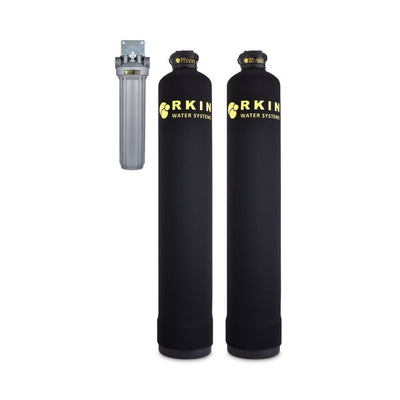
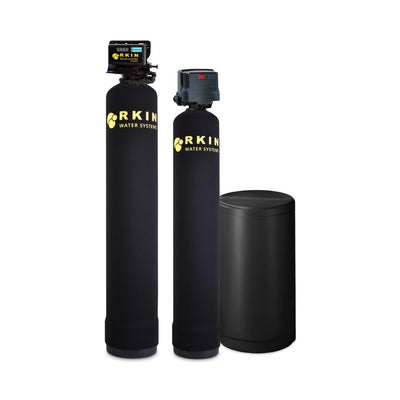
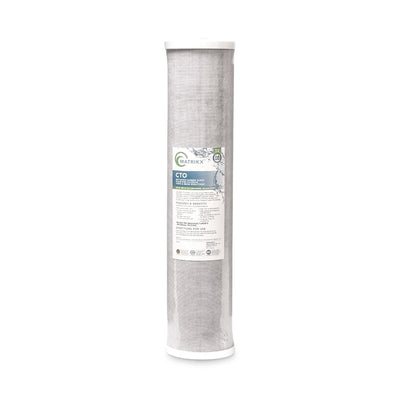
If the problem includes chlorine smell across multiple fixtures, sediment in aerators, or residue in tubs and showers, the main line deserves attention. A whole-house system treats water before it reaches bathrooms, laundry, water heaters, and appliances. That is the difference between treating one symptom and reducing the issue throughout the home.
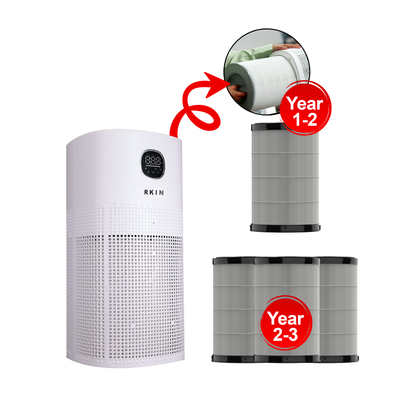
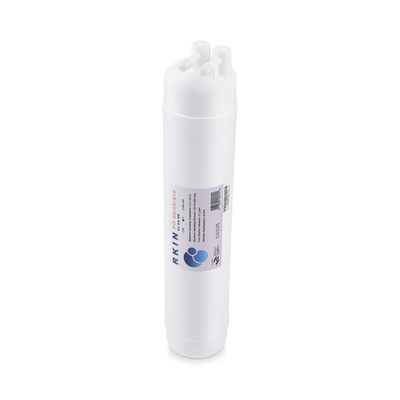
For city water homes dealing with taste, odor, sediment, or hardness-related residue, the RKIN whole house water treatment collection is the right place to start. The best fit depends on your water source, test results, flow rate, and whether the main concern is chlorine, scale, sediment, or a mix.
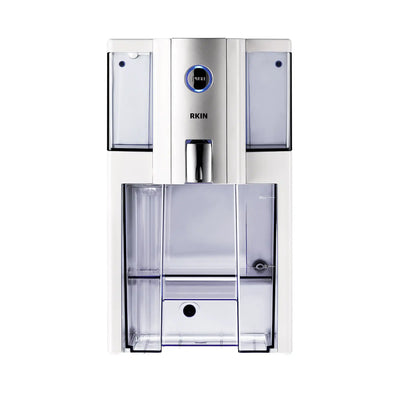
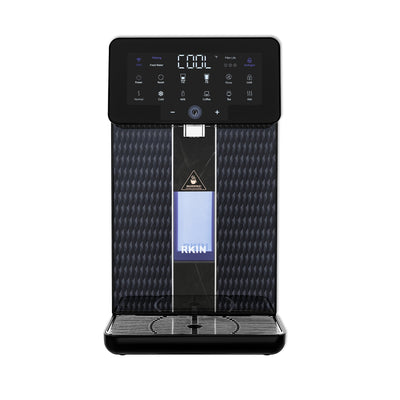
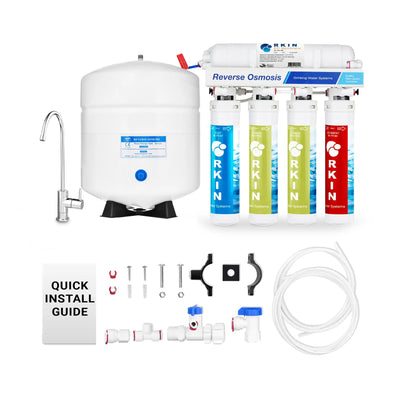
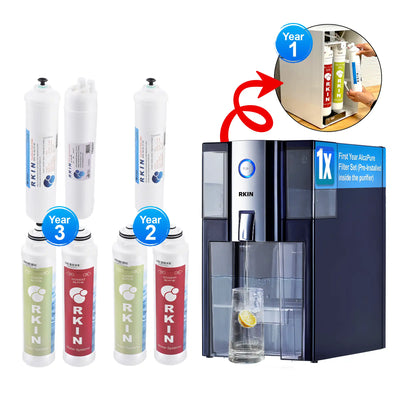
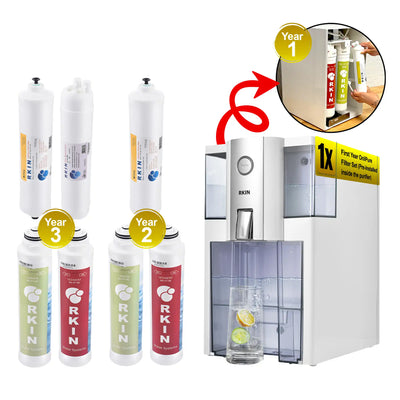
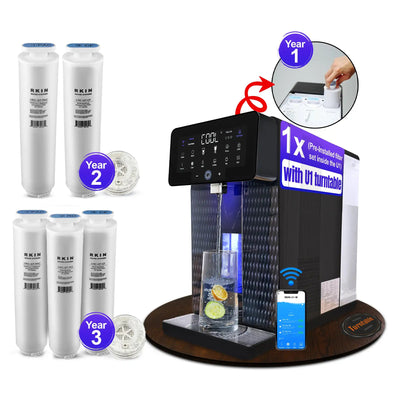
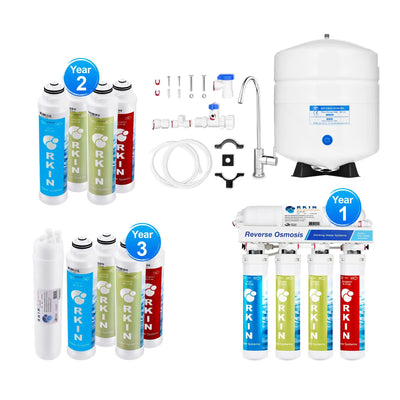
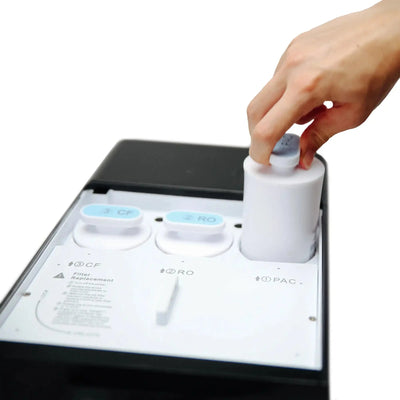
For drinking and cooking water, use a point-of-use system built for that job. The RKIN Zero Installation Purifier Countertop Reverse Osmosis Water Filter is designed for homeowners and renters who want reverse osmosis drinking water without plumbing changes. The RKIN Flash Undersink RO System is the under-sink option for homes where a dedicated drinking water tap makes more sense.
In my house, I would not pick a filter based only on a cloudy tub. I would run the glass test, compare hot and cold, check other fixtures, and test the water if it does not resolve. Then I would choose the smallest system that matches the cause.
Frequently Asked Questions
Why is my bath water cloudy but my sink water is clear?
A tub moves more water faster, so it can show air bubbles, sediment, or odor more clearly than a sink. The white tub surface also makes cloudiness easier to see. Test the same water in a clear glass and compare hot versus cold before deciding what caused it.
Is cloudy bath water always dangerous?
No. Cloudiness that clears from the bottom up is often trapped air. Water that stays cloudy, leaves particles, smells unusual, or appears after a utility alert deserves more attention. If your utility issues emergency instructions, follow those first.
Why does cloudy bath water smell like chlorine?
Chlorine or chloramine smell can become more noticeable in warm, fast-moving water. A tub fill aerates a large volume, which can make disinfectant odor stand out. If the smell is strong across the whole home or suddenly changes, check utility notices and consider testing.
Will a whole-house filter fix cloudy bath water?
It depends on the cause. A whole-house filter may help when the issue is sediment, chlorine taste and odor, or water entering the home with visible material. It will not change trapped air caused by temporary pressure changes. Test first so the system matches the problem.
Do I need reverse osmosis for cloudy bath water?
Reverse osmosis is usually for drinking and cooking water, not filling bathtubs. If your main concern is what you drink, a point-of-use RO system can make sense. If the issue affects showers, tubs, laundry, and appliances, look at whole-house treatment first.
Ready to Stop Guessing?
Cloudy bath water is a clue, not a diagnosis. Start with the glass test, compare fixtures, and check whether the issue is air, hardness, sediment, or disinfectant odor.
If it shows up across the home, review the RKIN whole house water treatment collection. If your main concern is drinking water, compare the RKIN Zero Installation Purifier Countertop Reverse Osmosis Water Filter and the RKIN Flash Undersink RO System for the setup that fits your home.





0 comentarios