


brackish well water reverse osmosis
Does Reverse Osmosis Remove Salt from Water at Home?

Yes, reverse osmosis can reduce salt in water, but a home RO system is not the same thing as a marine desalinator. That distinction matters if your tap water tastes salty, your coastal well has rising TDS, or you are trying to compare boat equipment to a kitchen drinking-water system.
The Water Quality Association explains reverse osmosis as a membrane process that uses pressure to reduce dissolved solids. Salt is dissolved material. RO is the right category to understand. The next question is whether your water is ordinary tap water, brackish well water, or true seawater.
Why Salt in Water Is Not One Problem
When people say water tastes salty, they may be talking about several different things. It could be sodium, chloride, high total dissolved solids, softener-related taste, coastal intrusion, road-salt influence, or a private-well issue that needs testing. The taste is a clue, not a diagnosis.
The EPA's secondary drinking water standards list chloride, sulfate, and total dissolved solids as nuisance chemicals tied to taste, odor, color, or household-use concerns. Secondary standards are not the same as primary legal limits, but they are useful because they explain why water can be legally supplied and still taste wrong.
If you are on city water, start with your Consumer Confidence Report. The EPA explains Consumer Confidence Reports as annual reports from community water systems that show detected substances and compliance information. If you are on a private well, the EPA private wells guidance puts testing and maintenance on the homeowner.
That is the first rule: test before treating. Salty taste may point toward RO, but the water report tells you how hard the job is.
What Reverse Osmosis Does to Salt
Reverse osmosis uses a semi-permeable membrane. Water molecules pass through more easily than many dissolved ions and minerals. That is why RO is commonly used to reduce TDS, sodium, chloride, fluoride, arsenic, nitrate, lead, PFAS, and other dissolved substances depending on the system design and certification or testing data.
For normal household drinking water, RO is often the practical point-of-use answer when the issue is dissolved material at the kitchen tap. It filters the water you drink and cook with instead of trying to filter every gallon used for showers, toilets, laundry, and irrigation.
But RO performance depends on the incoming water. Very salty water needs higher pressure, more pre-treatment, and a membrane design built for that load. That is why a boat desalinator costs more than a kitchen RO unit. It is not just a filter in a different box. It is built to push much saltier water through a membrane in a harsher environment.
So yes, RO reduces salt. No, you should not assume a regular under-sink or countertop RO system can turn seawater into household drinking water.
Why Marine Desalination and Home RO Are Different
A marine desalinator starts with seawater. Seawater carries far more dissolved salt than normal tap water or most residential wells. To overcome that salt load, marine units use specialized high-pressure pumps, corrosion-resistant components, brine management, intake protection, and service routines designed for a boat.
A home RO system usually starts with treated city water or a private well that has already been tested and often pre-treated. The job is different. It is drinking-water polishing at the point of use, not open-water desalination.
This is where online advice gets messy. Someone sees that both systems use reverse osmosis and assumes the equipment is interchangeable. The membrane category is shared. The duty cycle, feed-water quality, pressure, materials, safety controls, and maintenance plan are not.
If I were dealing with true seawater or a coastal well that tested very high for TDS and chloride, I would not guess from a product page. In my house, I would get the water tested first, then size the system from the numbers. That is the only way to avoid buying a filter for a job it was not built to do.
What Does Not Work for Salty Tap Water
Do not use taste alone as the test. Some dissolved minerals have a clear taste. Others do not. A salty note may be obvious, but it does not tell you whether sodium, chloride, sulfate, TDS, or a softener setting is driving it.
Do not expect a refrigerator filter or simple pitcher to solve high dissolved solids. Many basic carbon filters are built mostly around chlorine taste and odor. That can improve flavor without solving salt or high TDS.
Do not add a softener to fix salty drinking water. A salt-based softener is for hardness minerals such as calcium and magnesium. It can change the mineral balance of water, but it is not a desalination device. If salty taste is already the complaint, a softener is the wrong mental model.
Do not install whole-home reverse osmosis just because one kitchen glass tastes off. Whole-home RO is a large designed system. For many houses, the better starting point is targeted drinking-water RO plus testing to understand whether a broader problem exists.
When a Home RO System Makes Sense
A home RO system makes sense when the goal is better drinking and cooking water from city water or a tested well, especially when the report points toward dissolved substances or high TDS at a level a residential system is designed to handle.
Look for three things:
- Source-water data: Know whether you are treating city water, well water, high TDS, chloride, sulfate, nitrate, PFAS, or something else.
- System fit: Decide whether you want countertop, under-sink, or a larger designed setup.
- Documented performance: Read certification, testing, and maintenance details instead of relying on vague claims.
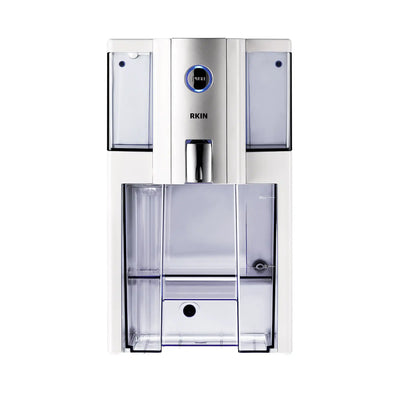
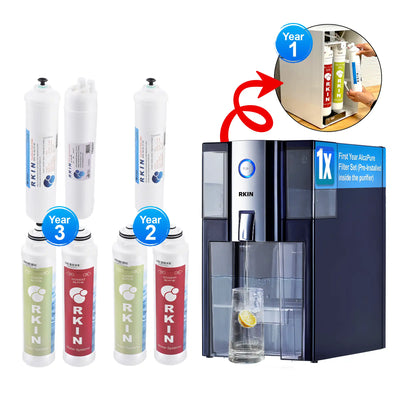
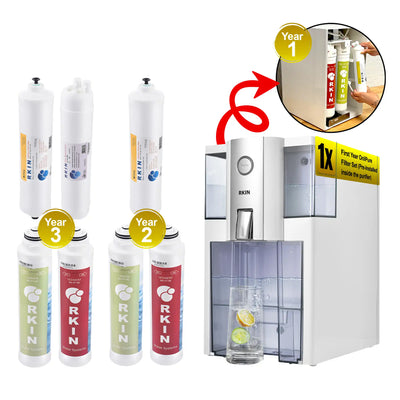
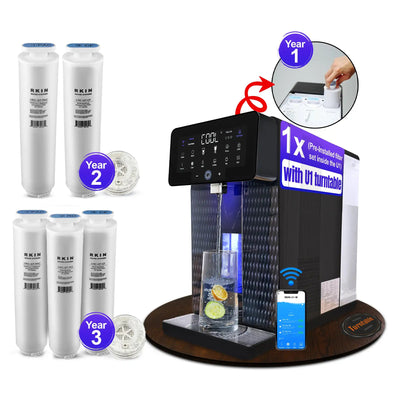
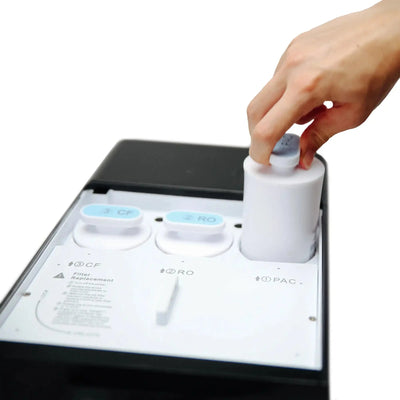
If you rent, have a condo, or do not want a plumbing project, the Zero Installation Purifier Countertop Reverse Osmosis Water Filter is the simple starting point for RO drinking water at the counter. It avoids a permanent sink-cabinet change and focuses on the water you drink most.
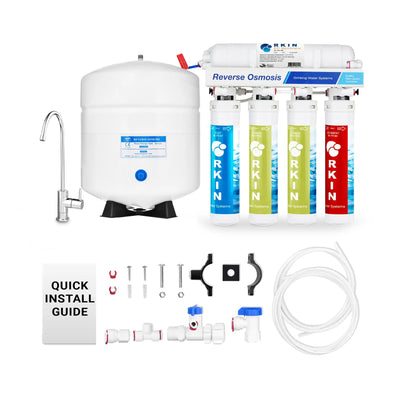
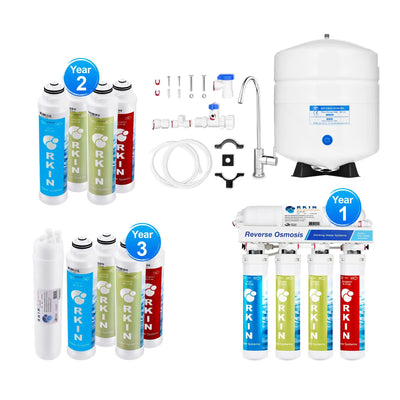
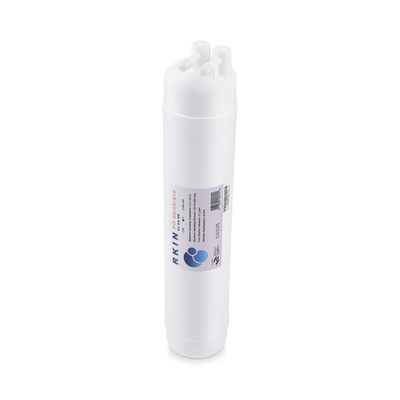
If you own the home and want the counter clear, the RKIN Flash Undersink RO System is the built-in kitchen direction. It connects under the sink and stores filtered water in a compact tank. For many homeowners, that is the cleaner long-term kitchen setup.
Base the recommendation on the water test and the installation you can live with.
What to Test Before Choosing a Salt-Removal Filter
If salty taste is new, sudden, or getting worse, treat it as a diagnostic issue first. Collect the basic facts before buying equipment.
- Water source: City supply, private well, shared well, coastal well, or seasonal home.
- TDS: A useful screening number, not a complete water-quality answer.
- Chloride and sodium: The key pair when salty taste is the complaint.
- Sulfate: Can create taste issues and is listed in EPA secondary standards.
- Hardness: Helps separate scale problems from salt problems.
- Well location and age: Coastal or low-lying wells may need closer review.
For private wells, use a qualified lab or local health department guidance. For city water, start with the CCR, then test at the tap if the taste does not match the report. That gives you a real baseline and helps RKIN or any water professional recommend the right product class.
Frequently Asked Questions
Does reverse osmosis remove salt from water?
Yes, reverse osmosis can reduce dissolved salt because the membrane rejects many dissolved ions. The result depends on feed-water quality, pressure, membrane design, and maintenance. Home RO is for household drinking water, not a substitute for marine seawater desalination.
Can a countertop RO system desalinate seawater?
No. A countertop RO system should not be used as a seawater desalinator. Seawater requires specialized high-pressure equipment, corrosion-resistant parts, intake protection, and brine handling designed for that job.
Why does my tap water taste salty?
Common possibilities include chloride, sodium, high TDS, softener-related taste, coastal well influence, or a local source-water change. Taste is only a clue. Use your city water report or a private-well test to identify the cause.
Will a water softener remove salt from water?
No. A salt-based softener is designed to address hardness minerals, not remove salt from drinking water. If salty taste is the concern, start with testing and compare reverse osmosis options instead.
Should I choose countertop or under-sink RO?
Choose countertop RO if you rent, want no permanent plumbing change, or want flexibility. Choose under-sink RO if you own the home, have room in the cabinet, and prefer a built-in drinking-water faucet.
Ready to Check Your Drinking Water Setup?
If your water tastes salty, test first. If the issue is household drinking water and the numbers fit a residential RO system, compare the Zero Installation Purifier Countertop Reverse Osmosis Water Filter for a countertop path or the RKIN Flash Undersink RO System for a built-in kitchen setup.





0 comentarios