


faucet water tastes like plastic
Tap Water Tastes Like Plastic? Causes and Filter Fixes

Plastic-tasting tap water often comes from a new faucet or supply line, stagnant plumbing, refrigerator tubing, a reusable bottle, or soap residue. Compare taps, flush the cold line, and stop drinking the water if the taste is sudden, strong, solvent-like, or present throughout the home.
The good news is that a plastic taste often has a fix. The important part is not guessing. The EPA tracks drinking water contaminants by category, including disinfectants, disinfection byproducts, inorganic chemicals, organic chemicals, and microorganisms. Taste alone does not identify which category you are dealing with, but it does tell you when to slow down and check the basics.
Why Tap Water Can Taste Like Plastic
Start with the simple causes. If the taste shows up only in one glass, wash or replace the glass. If it shows up only from a reusable bottle, the bottle or cap may be the source. If it shows up only from the refrigerator dispenser, the tubing, filter, or ice maker may be involved.
If every cold-water tap has the same taste, look wider. Plastic-like taste can come from stagnant water sitting in plumbing, a new faucet or supply line, new PEX plumbing, a refrigerator water line, a garden hose used by mistake, or a change in disinfectant levels from the utility. Hot weather can make off tastes more noticeable because warmer pipes and longer stagnation times can amplify odors at the tap.
There is also a difference between “plastic,” “chemical,” “rubber,” and “burnt plastic.” A mild plastic taste after a new faucet install is not the same as a sudden solvent-like odor throughout the house. If the odor is strong, sudden, or paired with visible discoloration, stop using that water for drinking and check with your water utility or a licensed plumber.
The goal is not to panic. It is to narrow the source.
Quick Checks Before You Buy Anything
Use a simple isolation test. Run cold water from the problem tap for two to three minutes, then fill a clean glass. If the taste improves, stagnant water in the faucet, fixture, or nearby line may be part of the issue. If it does not improve, test another cold-water tap. If only one tap tastes off, the problem may be local to that fixture.
Next, compare filtered and unfiltered sources. If refrigerator water tastes like plastic but the kitchen faucet does not, change or inspect the refrigerator filter and line. If bottled water tastes normal from the same glass, the taste is more likely in the home water path. If every source tastes strange, including bottled water in that glass, clean the glassware or check for soap residue.
For homes with private wells, a sudden taste change deserves more attention after heavy rain, flooding, plumbing work, or a long vacancy. For city water, check whether your utility posted flushing, main repair, treatment change, or boil advisory notices. Utilities often adjust operations after storms or repairs, and short-term taste changes can follow.
Do not use a garden hose for drinking water unless it is rated for potable water. Standard hoses can add strong plastic or rubber taste, especially after sitting in the sun.
What Doesn't Work Well
Chilling water can make a taste less noticeable, but it does not identify the cause. Lemon, drink mixes, or ice can cover an odor, but they do not solve the water path. Boiling may help with some concerns, but it can make certain chemical tastes more concentrated because water evaporates while nonvolatile substances remain.
A basic pitcher filter may improve taste if chlorine is the main issue. It may not address the wider list of dissolved substances that can affect taste or confidence. Refrigerator filters can be useful, but they are easy to forget, and old cartridges can become a source of stale flavor.
Also be careful with “one test strip answers everything” thinking. A strip may check chlorine, hardness, or pH, but it will not tell you the full story. If the plastic taste is strong, sudden, or across the whole home, a certified lab test or utility call is a better next step than buying random cartridges.
The Better Fix: Match the Filter to the Cause
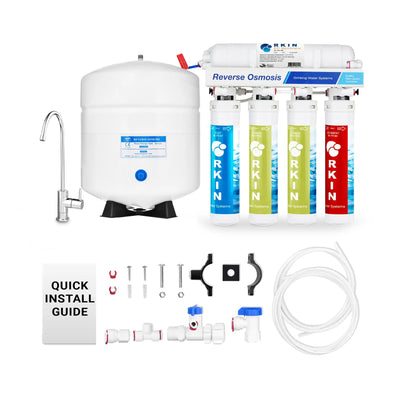
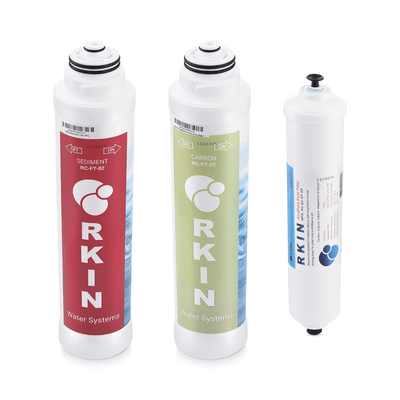
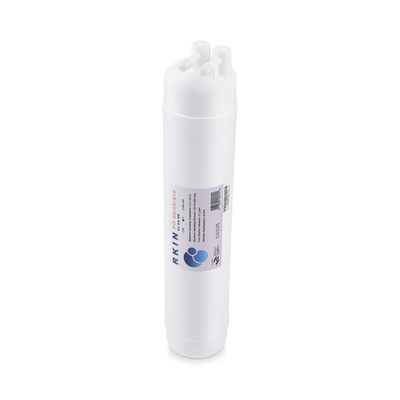
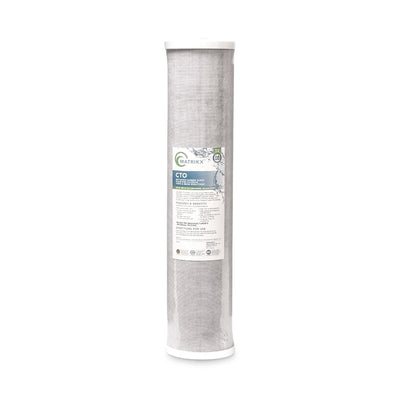
If chlorine or chloramine taste is the issue, activated carbon is often the first technology people look at. Carbon can improve taste and odor when the cartridge is maintained and sized correctly. If your concern goes beyond taste, reverse osmosis is usually the stronger drinking-water approach because it uses a membrane to reduce many dissolved substances that carbon alone may not handle.
The EPA's information on volatile organic compounds explains that VOCs are chemicals that can come from many products and materials. That does not mean a plastic taste in water is automatically a VOC problem. It means smell and taste are not enough to name the contaminant. If you suspect a chemical intrusion, use a lab test and local guidance.
For normal taste issues, think in layers:
- Source: City water, private well, refrigerator line, faucet, or bottle.
- Timing: First draw in the morning, after vacation, after plumbing work, after storms, or all day.
- Scope: One tap, one appliance, or the whole home.
- Goal: Better taste only, broader contaminant reduction, or whole-house treatment.
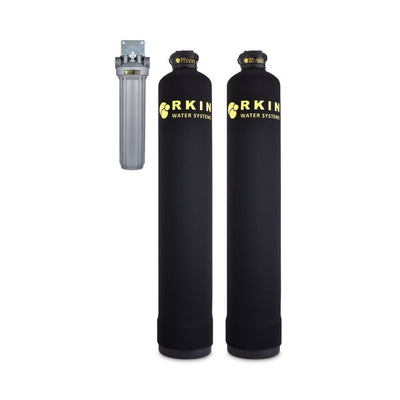
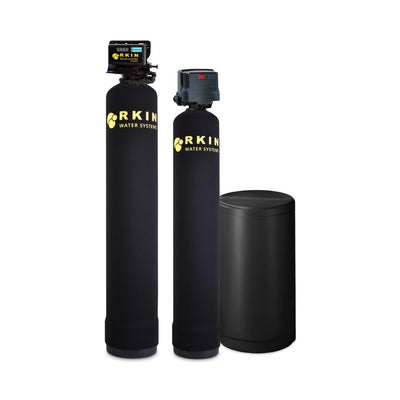
That approach keeps you from overbuying. A whole-house system may make sense if the issue affects showers, laundry, fixtures, and every tap. A countertop or undersink reverse osmosis system may be the better first move if your main concern is drinking and cooking water.
When To Call the Utility or Test the Water
Call your utility if the plastic taste is sudden, strong, chemical-like, or neighborhood-wide. Ask whether there was a main break, hydrant flushing, treatment change, pressure loss, or advisory. If you are on a private well, consider testing after flooding, repairs, or any sharp change in taste, odor, or color.
A lab test is also smart if the home has older plumbing, recent pipe work, unexplained stains, or a baby, pregnant person, or immune-compromised person in the household. In those situations, testing reduces the chance of missing a plumbing or water-quality problem.
For city water, read the annual Consumer Confidence Report and compare it with what you notice at the tap. The report shows regulated results at the system level. Your faucet may still differ because of premise plumbing, old service lines, fixtures, or stagnant water inside the home.
The RKIN Fit: Better Taste Without Plumbing Guesswork
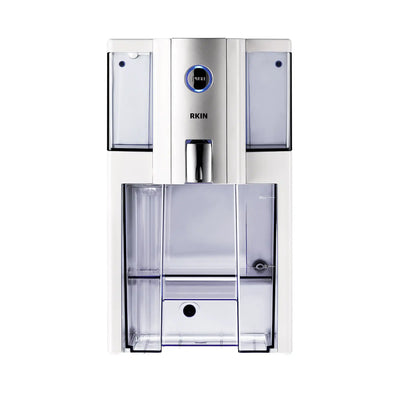
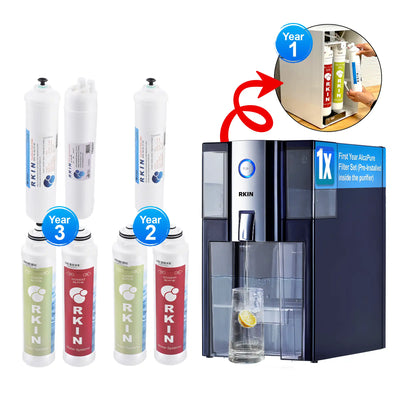
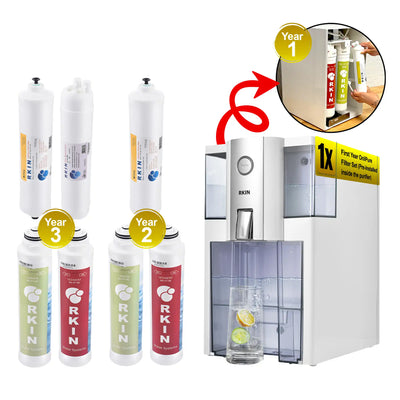
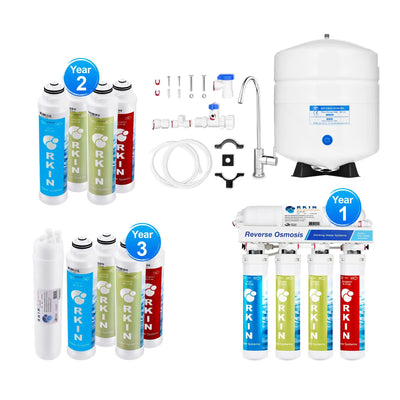
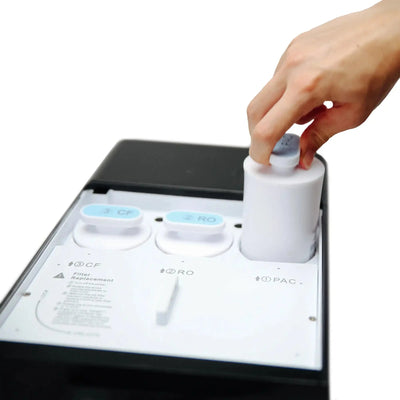
This is where the Zero Installation Purifier Countertop Reverse Osmosis Water Filter makes sense for many homeowners and renters. It gives you reverse osmosis drinking water at the countertop without drilling, an undersink install, or permanent plumbing changes.
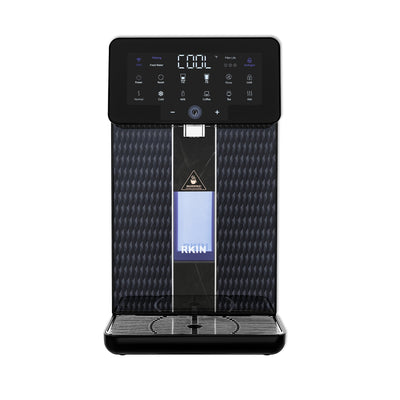
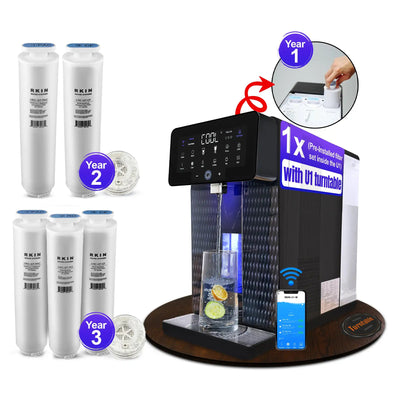
If counter space is tight, the RKIN U1-W Space-Saving 4-in-1 Water Filter System is another countertop option. It uses sediment filtration, carbon filtration, reverse osmosis, UV, and post-filtration in a compact fill-tank design.
Neither product is a substitute for a utility advisory or a lab test when something is clearly wrong. They are daily drinking-water tools for people who want water that tastes cleaner and gives them more control at the sink.
Frequently Asked Questions
Why does my tap water taste like plastic?
Common causes include a new faucet, new supply line, refrigerator tubing, stagnant water in plumbing, a reusable bottle, a non-potable hose, or a recent utility change. Start by testing different taps and flushing cold water for a few minutes to see whether the taste improves.
Is plastic-tasting tap water always unsafe?
Not always. Taste alone cannot confirm safety or identify a contaminant. If the taste is mild and tied to a new fixture, flushing may help. If it is sudden, strong, chemical-like, or whole-home, contact your utility or test the water before using it for drinking.
Will a water filter remove plastic taste?
It depends on the cause. Carbon can improve many taste and odor issues. Reverse osmosis can reduce a broader set of dissolved substances. If the source is a dirty bottle, old refrigerator line, or new faucet part, fix that source too.
Can hot weather make water taste like plastic?
Hot weather can make odors more noticeable, especially when water sits in pipes, hoses, or appliance lines. If the taste is strongest after the water sits and improves after flushing, stagnation may be part of the problem.
Should I choose countertop or whole-house filtration?
If the issue is only drinking and cooking water, a countertop reverse osmosis system may be enough. If every tap, shower, appliance, and fixture is affected, look at whole-house treatment and test the water first so the system matches the problem.
Ready for Better-Tasting Water at the Sink?
If your tap water tastes like plastic, do the quick checks first: clean glass, flush the tap, compare sources, and look for local notices. Then choose filtration based on the specific water problem you actually have.
For no-plumbing reverse osmosis, start with the Zero Installation Purifier Countertop Reverse Osmosis Water Filter. If you want a compact fill-tank design, compare it with the RKIN U1-W Space-Saving 4-in-1 Water Filter System.




0 comentarios