




city water quality
2026 PFAS & Tap Water Watchlist: What's Actually in Your City's Water?

Municipal water quality varies dramatically by city, state, and even street. You can live two miles from a neighbor and face completely different contaminant levels — depending on your water source, your utility's treatment process, and the age of the pipes between the plant and your tap.
In 2026, three categories of contaminants are drawing the most attention from researchers, regulators, and homeowners: PFAS compounds, heavy metals like lead and arsenic, and nitrates. This guide covers what they are, where they show up most often, and what filtration actually removes them.
PFAS: What the New Limits Mean for Your Household
The EPA finalized the first-ever national drinking water standard for six PFAS compounds in 2024, with utilities required to comply by 2029. The new maximum contaminant level (MCL) for PFOA and PFOS individually is 4 parts per trillion — a threshold that an estimated 40,000+ water systems may currently exceed.
PFAS (per- and polyfluoroalkyl substances) are synthetic chemicals used in manufacturing, food packaging, and firefighting foam. They don't break down in the environment or the body, which is why they've been called "forever chemicals." Exposure has been linked to increased cholesterol, thyroid disruption, certain cancers, and immune system effects.
Where PFAS contamination is highest: - Communities near military bases that used AFFF firefighting foam (Michigan, North Carolina, Colorado, Pennsylvania) - Areas near industrial manufacturing facilities (Ohio River corridor, New England) - Cities drawing drinking water from rivers or lakes with upstream agricultural or industrial discharge
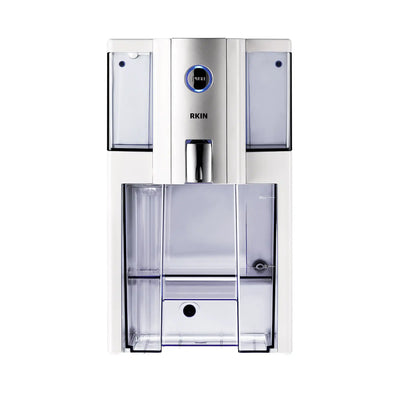
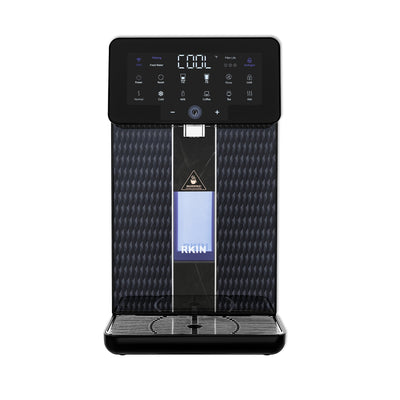
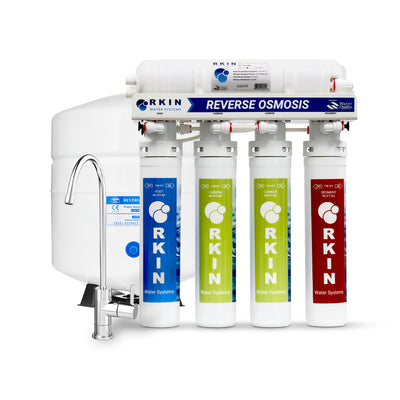
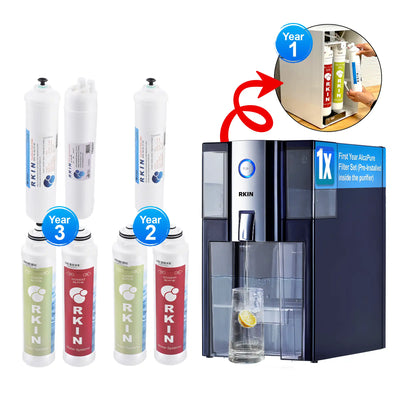
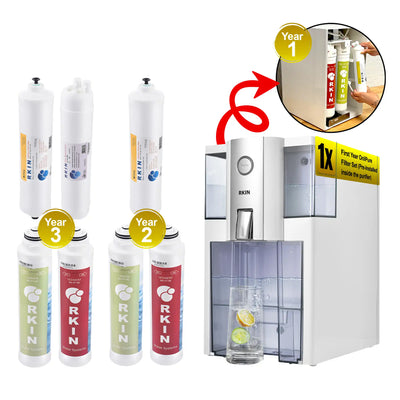
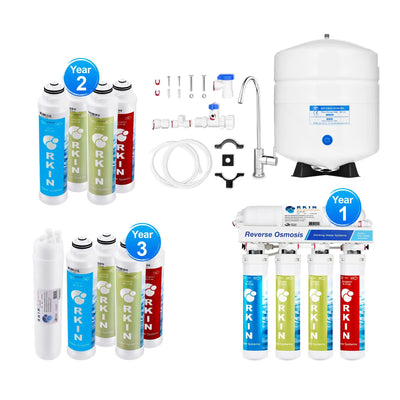
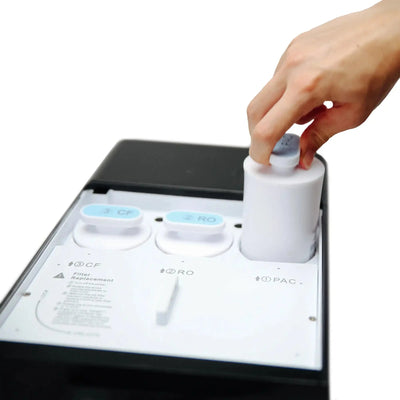
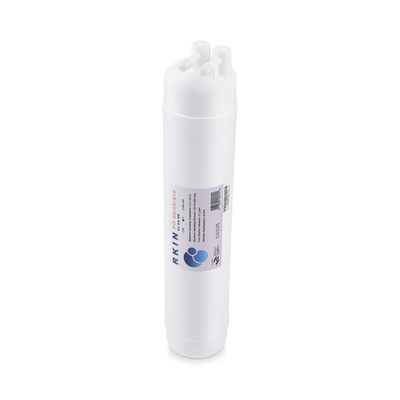
What removes PFAS: Reverse osmosis is one of the most effective point-of-use treatment methods for PFAS. Certified RO systems — like the RKIN Zero Installation Purifier (countertop, no installation required) or the RKIN Flash Undersink RO System — push water through a semi-permeable membrane that physically rejects PFAS molecules along with other dissolved contaminants.
Standard pitcher filters with carbon media have limited PFAS reduction and are not reliable for PFAS removal at the levels now regulated.
Lead: Still a Problem in Millions of Homes
Lead in drinking water is almost never a source-water issue. It enters at the tap — through lead service lines, lead solder in older plumbing, or brass fixtures containing lead. The EPA's Lead and Copper Rule Improvements (2021) require utilities to identify and replace lead service lines, but the process is slow.
Cities with documented lead service line concerns: - Chicago (an estimated 400,000+ lead service lines, one of the highest in the country) - Cleveland, Detroit, Milwaukee, Pittsburgh — older Rust Belt cities with aging infrastructure - Newark, NJ (experienced a lead crisis in 2019, remediation ongoing) - Parts of Baltimore, St. Louis, and Philadelphia
Who's most at risk: Homes built before 1986 are most likely to have lead-containing plumbing. The older the home, the higher the chance of lead solder or original lead pipes.
What removes lead: RO membranes reject dissolved lead ions effectively. Both the RKIN Zero Installation Purifier and RKIN Flash are designed to address lead along with other heavy metals. Whole-house lead reduction requires a different approach — some whole-house carbon block filters rated for lead reduction can help, but point-of-use RO at the drinking water tap is typically the most cost-effective and reliable solution.
Arsenic: A Groundwater Issue in 25+ States
Arsenic occurs naturally in rock and soil. In areas where groundwater contacts arsenic-bearing geology, it can leach into wells and aquifer-fed municipal systems. EPA's current MCL for arsenic is 10 ppb — but research suggests health effects may begin at lower concentrations.
States with the most arsenic detections in drinking water: - New England (Maine, New Hampshire, Vermont) — private wells especially - Upper Midwest (Michigan, Wisconsin, Minnesota) - Southwest (Nevada, Arizona, New Mexico) - Texas and parts of the Southeast
Arsenic is predominantly a well-water concern, but some municipal systems drawing from groundwater sources also exceed or approach the 10 ppb limit.
What removes arsenic: RO is effective at reducing arsenic (both trivalent and pentavalent forms) from drinking water. If you're on a private well with arsenic concerns, a point-of-use RO system at your kitchen tap is the standard recommended approach.
Nitrates: The Invisible Farm Runoff Risk
Nitrates enter water supplies primarily through agricultural fertilizer runoff and septic system leachate. They're especially dangerous for infants (causing methemoglobinemia, or "blue baby syndrome") and have been associated with colorectal cancer risk in adults at high levels.
Areas with high nitrate readings: - Central Valley, California (one of the highest agricultural nitrate levels in the country) - Iowa, Nebraska, Kansas, and the broader Corn Belt - Eastern North Carolina and parts of the Mississippi Delta - Rural counties in any state with intensive livestock or crop production nearby
EPA's MCL for nitrates is 10 mg/L. Utilities in agricultural areas sometimes struggle to stay below this limit seasonally, particularly after spring fertilizer application and heavy rainfall.
What removes nitrates: Carbon filtration does not reduce nitrates. Reverse osmosis does. If you're in an agricultural area and draw from a municipal source or private well, an RO system is the recommended solution for nitrate reduction at the tap.
Chlorine and Chloramines: Present in Almost Every City
Virtually every U.S. municipal water system uses chlorine or chloramines to disinfect water through the distribution system. This is a public health necessity — it prevents waterborne illness from bacteria like E. coli and Legionella.
But chlorine has downsides at the household level:
- Distinctive taste and odor that makes water unpleasant to drink
- Reaction with organic matter in the distribution system to form disinfection byproducts (DBPs), including trihalomethanes (THMs) and haloacetic acids (HAAs) — compounds with their own regulatory limits
- Skin and hair dryness when showering in chlorinated water
- Gradual degradation of rubber seals and o-rings in appliances
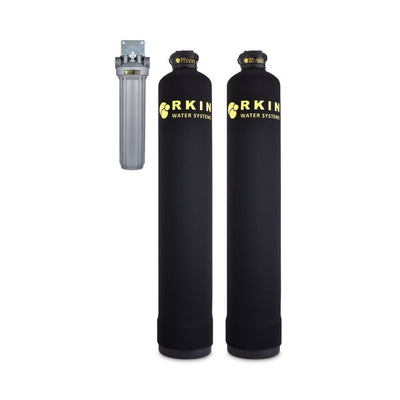
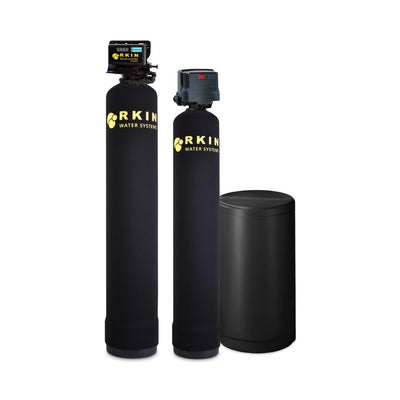
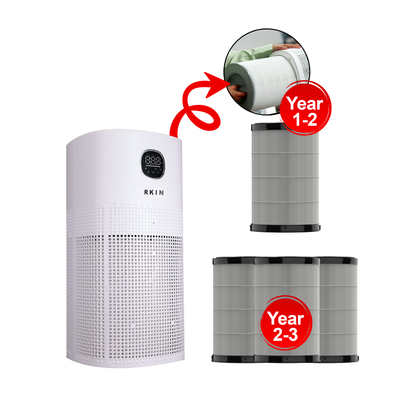
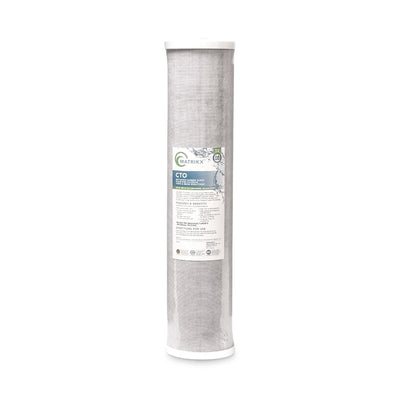
Carbon filtration handles chlorine and chloramines well at the point-of-use level. For whole-house chlorine removal, a whole-house carbon system is the right tool. The RKIN OnliSoft Pro combines whole-house carbon filtration with salt-free scale prevention in one integrated system — addressing both chlorine and hard water from a single installation point.
How to Find Your City's Actual Water Quality Data
Every U.S. municipal water utility is required to publish an annual Consumer Confidence Report (CCR) — sometimes called a Water Quality Report. It's mailed to customers and usually available on the utility's website by July each year.
What to look for: - Any contaminants detected above MCL (maximum contaminant limit) - PFAS or emerging contaminant testing results (not all utilities are required to test for all PFAS yet) - Lead action level exceedances - Source water type (surface water vs groundwater — affects arsenic risk)
For private well owners: the CCR doesn't apply to you. You're responsible for your own testing. A full water test from a state-certified lab is the baseline for understanding what treatment you actually need.
Choosing the Right Filter Based on Your Concern
| Contaminant | Best Solution |
|---|---|
| PFAS | Point-of-use RO (Zero Installation Purifier, Flash) |
| Lead | Point-of-use RO (Zero Installation Purifier, Flash) |
| Arsenic | Point-of-use RO (Zero Installation Purifier, Flash) |
| Nitrates | Point-of-use RO (Zero Installation Purifier, Flash) |
| Chlorine/taste | Carbon filtration (whole-house or countertop) |
| Hard water scale | Salt-free TAC conditioning (OnliSoft, OnliSoft Pro) |
For most homeowners on city water, the most practical setup is an RO system at the kitchen tap for drinking and cooking water — addressing PFAS, lead, nitrates, and other dissolved contaminants — combined with a whole-house carbon or conditioning system if chlorine taste or scale are also concerns.
Start with drinking water: The RKIN Zero Installation Purifier sits on the counter, connects to your existing faucet, and requires no permanent installation. It's the fastest way to get RO-quality water at home without a plumber or a lease clause violation.
For under-sink: The RKIN Flash installs under the sink with its own dedicated faucet, keeps the counter clear, and delivers pressurized RO water on demand.
For whole-home protection: The RKIN OnliSoft Pro handles chlorine and scale throughout the house — every shower, every appliance, every tap — in a single integrated system.
Frequently Asked Questions
Does my city water have PFAS? Possibly. As of 2024, tens of thousands of U.S. water systems have detected at least one PFAS compound. Check your utility's most recent Consumer Confidence Report and look for PFAS or PFOA/PFOS test results. The EPA's PFAS Analytical Tools website also maps known contamination sites.
Do pitcher filters remove PFAS? Standard carbon pitcher filters have limited and inconsistent PFAS reduction. RO-based systems are significantly more reliable for PFAS removal. NSF/ANSI 58 (RO systems) and NSF P473 (specifically for PFOA/PFOS) are the certifications to look for.
Will an RO system remove nitrates from well water? Yes. Reverse osmosis reduces nitrates effectively. If you have a private well in an agricultural area, RO at the kitchen tap is the standard recommended approach. Whole-house RO exists but is expensive — point-of-use RO at the drinking tap is cost-effective and addresses the primary health risk.
Does the RKIN Zero Installation Purifier require installation? No. The Zero Installation Purifier is a standalone appliance similar to a coffee maker. No plumbing, no drilling, no tools. It sits on the counter and can be taken when you move — making it suitable for renters and owners alike.
Is boiling water effective against PFAS? No. Boiling does not remove PFAS, lead, arsenic, or nitrates. It can actually concentrate some contaminants by evaporating water volume. Boiling is effective only against biological threats like bacteria and some viruses.
How often should I test my well water? At minimum, once per year for bacteria, nitrates, and pH. If you're in an area with known PFAS, arsenic, or industrial contamination, add those to the panel. A state-certified lab test typically costs $50–$200 depending on the contaminant panel.






0 comments