


does reverse osmosis remove fluoride
Does Reverse Osmosis Remove Fluoride From Tap Water?

If you searched “does reverse osmosis remove fluoride,” you are probably not looking for a chemistry lecture. You want to know whether the water coming out of your tap can be filtered in a practical way at home.
The short answer: reverse osmosis is one of the most common home filtration technologies used for dissolved minerals and ions, including fluoride. The better answer is that results depend on the system design, membrane condition, water pressure, starting fluoride level, and filter maintenance.
Why Fluoride Questions Are Back in Home Water Searches
Fluoride has been part of U.S. drinking-water discussions for decades. The CDC fluoridation overview explains community water fluoridation as a public-water practice, while the EPA regulates drinking-water contaminants and lists fluoride in its drinking water regulations and contaminants resources.
Homeowners usually land on this topic for one of four reasons:
- They received a local water-quality report and saw fluoride listed.
- They use well water and are not sure what is naturally present.
- They want more control over what they drink and cook with.
- They are comparing pitcher, refrigerator, carbon, and reverse osmosis filters.
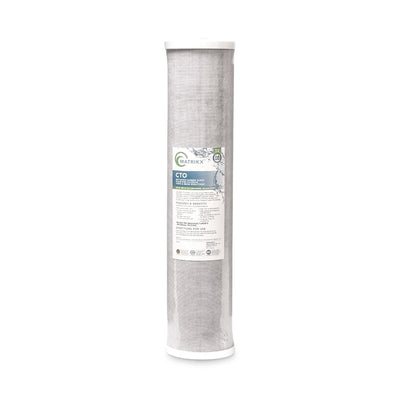
That last point matters. Not every filter is built for the same job. A carbon filter that improves taste and odor is not the same as a reverse osmosis system built around a membrane.
What Fluoride Is in Drinking Water
Fluoride is a naturally occurring mineral that can also be present because a public water system adjusts levels. Public systems publish water-quality data, but private well owners need their own testing because wells are not managed the same way as municipal water.
Fluoride is measured in parts per million or milligrams per liter. The number on your water report matters more than a generic yes-or-no answer. A home with a low level has a different filtration question than a home with naturally high fluoride in groundwater.
If you are on city water, start with your Consumer Confidence Report. If you are on a private well, order a lab test that includes fluoride. If you already have an RO system, test both tap water and filtered water so you can see actual performance.
How Reverse Osmosis Works
Reverse osmosis uses pressure to push water through a semi-permeable membrane. Water molecules pass through, while many dissolved substances are rejected and routed to drain.
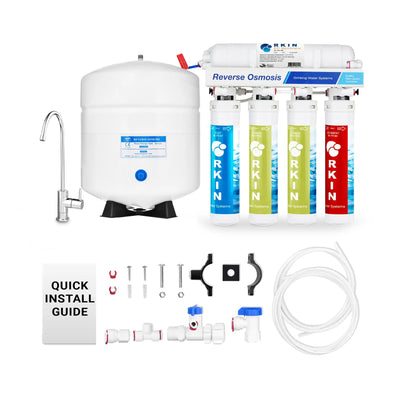
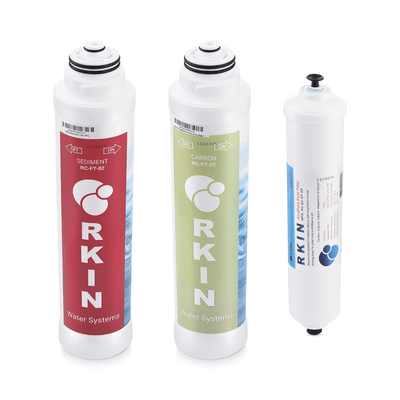
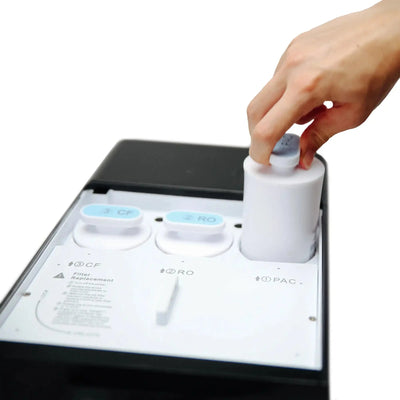
A typical RO system also includes prefilters and post-filters. The prefilters protect the membrane from sediment and chlorine. The membrane does the heavy lifting for dissolved solids. The post-filter polishes taste before water reaches the faucet or dispensing tank.
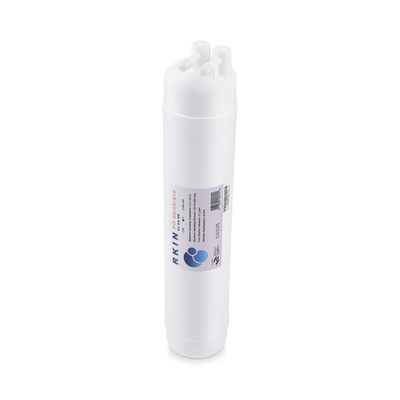
That structure is why RO is used for more than taste. It is built for dissolved contaminants that simple carbon filtration may not address well. For fluoride, the membrane is the key part of the system.
Maintenance matters. A worn membrane, clogged prefilter, poor pressure, or long-neglected system can reduce performance. That is why filter changes and occasional TDS checks are worth doing, even when the water tastes fine.
What Does Not Work the Same Way
Pitcher filters can be useful for taste, chlorine, and convenience, but many are not designed around a reverse osmosis membrane. Refrigerator filters often focus on taste, odor, and certain certified claims, but capacity and contaminant scope vary by model.
Boiling water is not a fluoride-removal method. Boiling can reduce some biological concerns when guidance calls for it, but it does not make dissolved minerals vanish. In some cases, evaporation can leave dissolved substances more concentrated in the remaining water.
Bottled water is not a clean long-term answer either. Labels and sources vary, plastic waste adds up, and you still may not know the full treatment path unless the brand publishes details.
If fluoride reduction is the goal, compare technologies by what they are built to remove and how they are maintained.
How to Choose a Reverse Osmosis Fluoride Filter
Start with testing. If you do not know your starting fluoride level, you cannot judge whether a system is performing well. Test tap water first, then retest filtered water after installation.
Next, look at the system format. Countertop RO systems are useful when you rent, do not want plumbing changes, or need a setup that can move with you. Under-sink RO systems make sense when you want a dedicated faucet and are comfortable with installation under the sink.
Then compare maintenance. A system is only as good as the filters you replace on schedule. Look for clear replacement guidance, accessible filters, and a design you will actually maintain.
Finally, think about total water goals. Fluoride may be the search query, but the same household may also care about PFAS, lead, arsenic, chlorine taste, TDS, or microplastics. A broader drinking-water test helps you choose a system once instead of buying around one concern at a time.
RKIN Options for Fluoride-Focused Searches
This is what the RKIN reverse osmosis lineup is designed for: practical drinking-water filtration without turning the buying process into a science project.
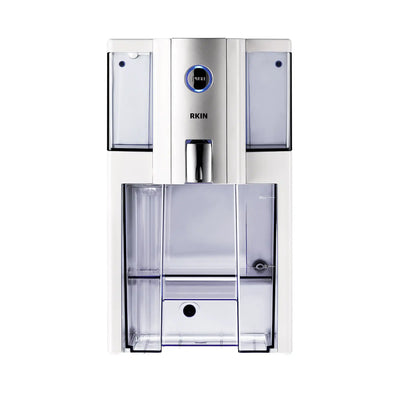
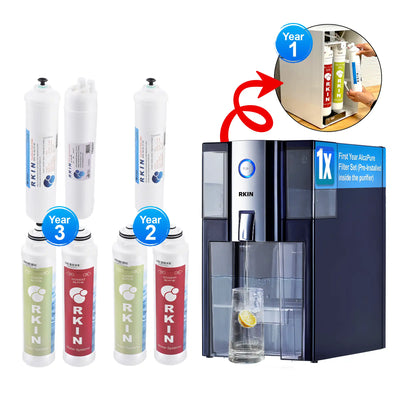
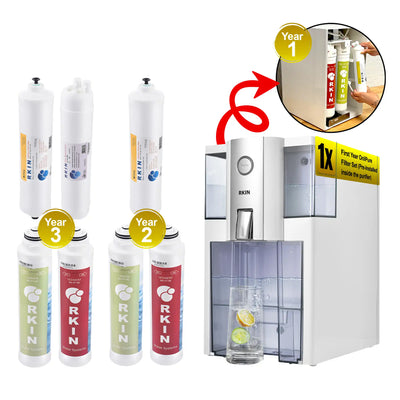
The RKIN Zero Installation Purifier is a countertop reverse osmosis system for homes that need filtration without plumbing changes. It is especially useful for renters, apartments, offices, and anyone who wants a front-loading countertop format at counter height.
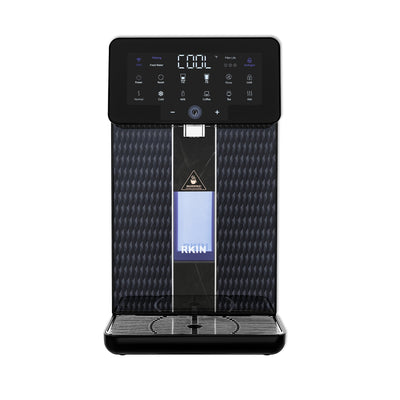
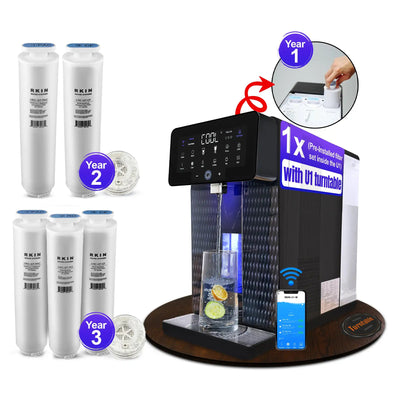
The RKIN U1 4-in-1 Water Filter System is another countertop RO option with a five-stage design: sediment, carbon, reverse osmosis, UV, and post-filter. It sits on the countertop and uses a fill tank, so it is not an under-sink system.
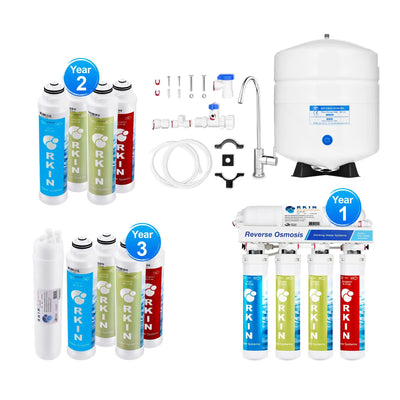
The RKIN Flash Undersink Reverse Osmosis System is a fit for homeowners who want an under-sink RO setup with a dedicated faucet and storage tank.
Choose based on your installation preference, space, and test results. The right system is the one you will use and maintain.
What to Test Before and After Installation
Before installing any fluoride-focused RO system, test your incoming water. Include fluoride, TDS, pH, hardness, lead, arsenic, nitrate, and any local contaminants your lab recommends. If you are on a private well, ask about bacteria and region-specific minerals too.
After installation, test filtered water once the system has been flushed according to instructions. Keep that result as your baseline. Retest after membrane changes, after major plumbing work, or if taste, flow, or TDS changes suddenly.
TDS is not the same as fluoride, but it is a useful quick check for RO performance. If filtered-water TDS rises sharply from your normal baseline, the membrane or maintenance schedule deserves attention.
Frequently Asked Questions
Does reverse osmosis remove fluoride from tap water?
Reverse osmosis is commonly used to reduce dissolved substances, including fluoride. Actual reduction depends on membrane quality, pressure, source-water chemistry, system design, and maintenance. Test your tap water and filtered water if you want a real number for your home.
Do carbon filters remove fluoride?
Standard carbon filters are mainly used for taste, odor, chlorine, and certain organic compounds. Some specialty media can target more contaminants, but a basic carbon pitcher or refrigerator filter should not be assumed to reduce fluoride unless its documentation says so.
Is boiling water a way to remove fluoride?
No. Boiling is not a fluoride-removal method. Fluoride is dissolved in the water, so boiling does not remove it the way an RO membrane can. Follow boil-water guidance when issued for biological concerns, but use the right filtration technology for dissolved minerals.
Should I test for fluoride if I have city water?
Yes, if fluoride is a deciding factor for your filtration choice. Start with your city's Consumer Confidence Report, then order a home or lab test if you want confirmation at your specific tap. Plumbing and treatment equipment can affect what reaches the glass.
Which RKIN system should I choose for fluoride reduction?
If you want no plumbing changes, compare the RKIN Zero Installation Purifier and RKIN U1 4-in-1 Water Filter System. If you prefer an under-sink setup, look at the RKIN Flash Undersink Reverse Osmosis System. Use your water test and installation preference to choose.
Ready to Filter Fluoride at Home?
Fluoride questions are easier when you start with a test, choose the right technology, and keep the system maintained. Reverse osmosis is a strong fit when dissolved contaminants are part of the concern.
Compare RKIN reverse osmosis options at rkin.com, starting with the RKIN Zero Installation Purifier for countertop filtration or the RKIN Flash Undersink Reverse Osmosis System for an under-sink setup.





0 comments