




how often change RO filters
How Often to Change U1 and Zero Installation Purifier Filters (And Signs You Waited Too Long)

One of the best things about owning a premium reverse osmosis (RO) system is knowing exactly what you are drinking. But the advanced filtration that removes lead, arsenic, PFAS, and fluoride from your water doesn't last forever.
Your system’s filters are constantly trapping physical dirt, absorbing chemical contaminants, and forcing water through microscopic membrane pores. If you ignore the maintenance schedule, you aren’t just drinking worse water—you could be damaging the RO membrane itself.
Here is the exact schedule for changing the filters on your RKIN U1 or Zero Installation Purifier, the signs that you might be overdue, and why sticking to the timeline matters.
The Filter Replacement Schedule
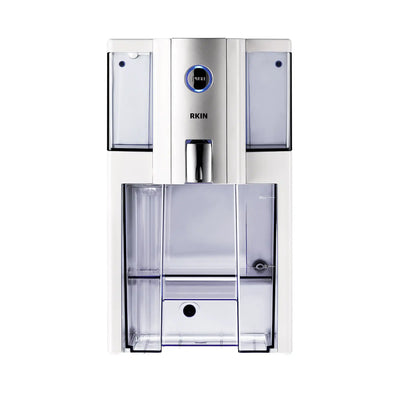
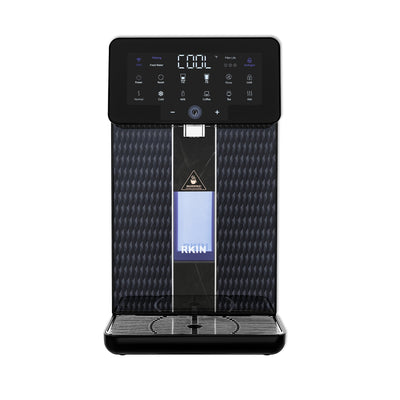
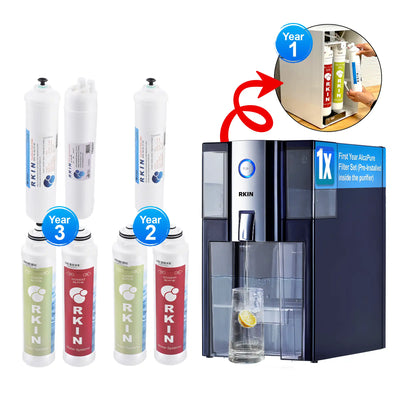
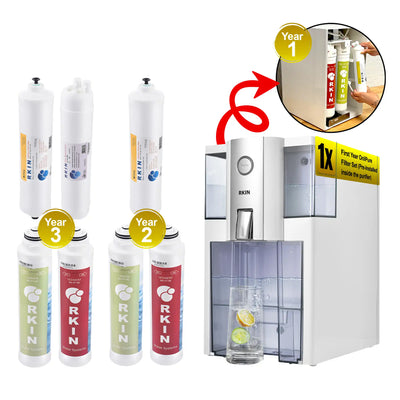
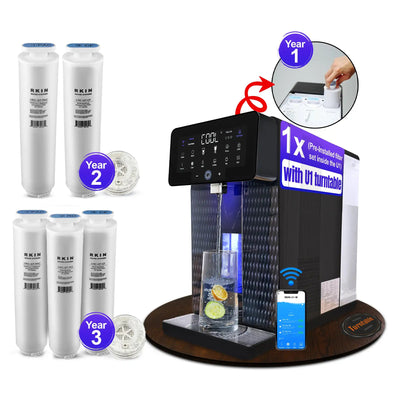
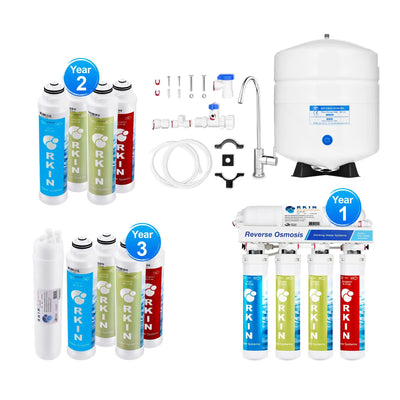
Both the RKIN U1 4-in-1 Water Filter System and the RKIN Zero Installation Purifier (Zero Installation Purifier) use a multi-stage filtration process. Each stage does a different job, which means they need to be replaced at different intervals.
Stage 1: The Pre-Filters (Every 6 to 12 Months)
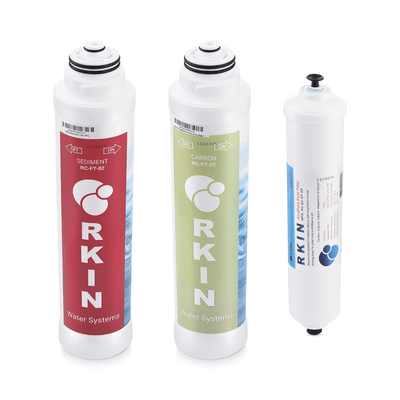
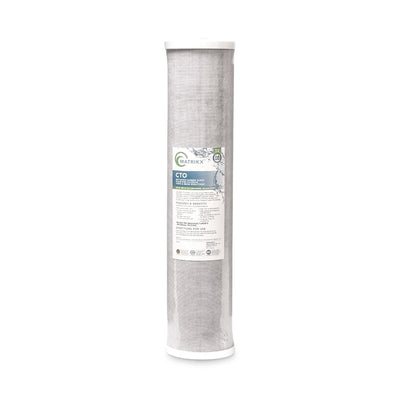
The first line of defense is the sediment and carbon pre-filter block. This stage catches large physical particles like sand, rust, and dirt, while the carbon absorbs harsh chemicals like chlorine and chloramines.
- Why it matters: Chlorine permanently damages an RO membrane. The pre-filter sacrifices itself to protect the most expensive part of your system.
- The Schedule: Replace every 6 to 12 months. If your city water has high levels of chlorine or sediment, lean toward the 6-month mark.
Stage 2: The RO Membrane (Every 1 to 2 Years)
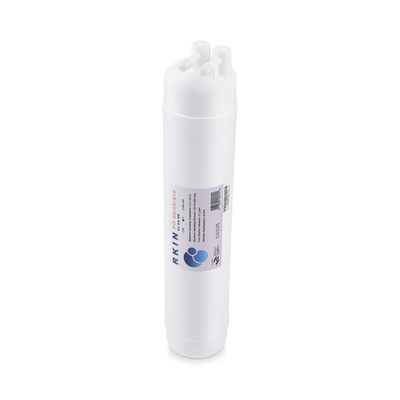
This is the heart of the system. The reverse osmosis membrane forces water under pressure through tiny pores (0.0001 microns), physically rejecting dissolved heavy metals, PFAS, fluoride, nitrates, and total dissolved solids (TDS).
- Why it matters: This is what separates RO water from basic filtered water.
- The Schedule: Replace every 1 to 2 years (or 12 to 24 months). As long as you change your pre-filters on time to protect it from chlorine, the membrane should last at least a full year.
Stage 3: The Post-Filter / AlcaPure (Every 6 to 12 Months)
After the water is purified, the AlcaPure post-filter adds beneficial minerals like calcium and magnesium back into the water, raising the pH and giving it a fresh, crisp, alkaline taste.
- Why it matters: RO water can taste flat without remineralization.
- The Schedule: Replace every 6 to 12 months to maintain the optimal mineral balance and taste profile.
4 Signs You Waited Too Long to Change Your Filters
Are you overdue? If you haven't been tracking your filter dates, your system will usually give you a few hints that it’s struggling.
1. The Water Tastes or Smells Off
This is the most obvious sign. If your RO water starts tasting like tap water, smelling like chlorine, or taking on a flat, metallic flavor, your carbon pre-filter or AlcaPure post-filter is likely exhausted.
2. The RO Unit Runs Constantly
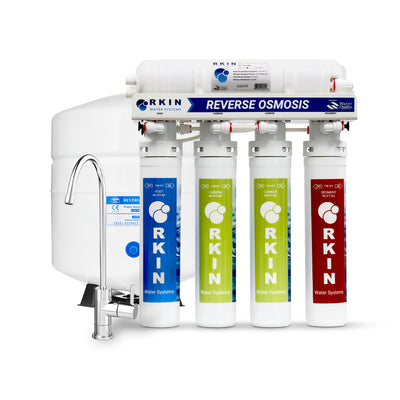
For tank-based under-sink systems like the Flash, if you hear water constantly running down the drain long after you’ve stopped using the tap, the membrane may be scaled over or compromised, preventing the system from building enough pressure to shut off.
3. High TDS Readings
If you own a TDS (Total Dissolved Solids) meter, you can test your water periodically. A sudden spike in the TDS reading indicates that the RO membrane is no longer rejecting dissolved solids effectively.
The Ultimate Protection: A Complete Stack
While changing your RO filters on time is critical for drinking water, your kitchen tap isn't the only place where water quality matters.
To extend the life of your RO filters and protect your entire home's plumbing and appliances, consider adding a whole-house pre-treatment system.
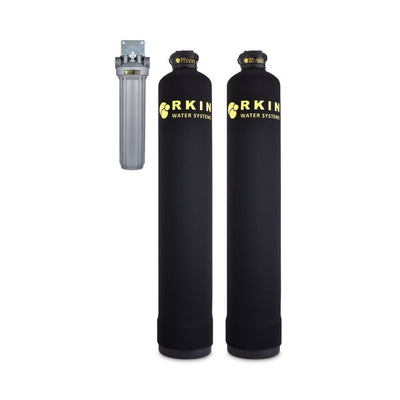
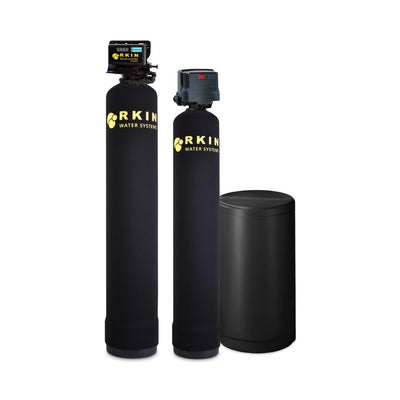
The RKIN OnliSoft Pro Salt-Free Water Conditioner and Whole House Carbon Filter System treats every drop of water entering your home. By removing chlorine at the main water line with a large carbon block and conditioning hard water scale with Template Assisted Crystallization (TAC), you provide cleaner, softer water to your U1 or Zero Installation Purifier RO system.
This whole-house approach protects your expensive RO membrane, improves your shower water, and prevents scale buildup in your water heater—all without adding sodium to your diet.
Don't Guess—Get on a Schedule
The easiest way to ruin a premium RO system is to forget about it. When you purchase an RKIN U1, Zero Installation Purifier, or Flash, take a moment to set a calendar reminder on your phone for 6 months, 12 months, and 24 months.
Or better yet, sign up for RKIN's filter subscription service to have the exact replacement cartridges you need delivered to your door right when it’s time to swap them out. Your water quality is an investment—protect it.
Frequently Asked Questions
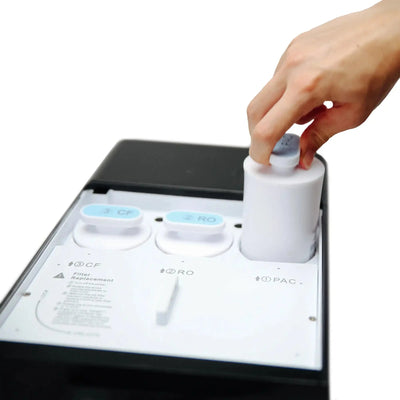
How long does it take to change the filters on a Zero Installation Purifier or U1? Replacing the filters on an RKIN countertop system takes less than five minutes. The twist-and-lock design means you don’t need any tools or a plumber.
Can I wash and reuse my RO pre-filters? No. Once a carbon block has absorbed its maximum capacity of chlorine and chemicals, it cannot be washed out or regenerated. Sediment filters also become permanently clogged with microscopic debris.
Does hard water ruin an RO membrane faster? Yes. High levels of calcium and magnesium can scale over the tiny pores of an RO membrane, reducing its lifespan. If you have extremely hard water, pairing your RO system with a whole-house conditioner like the OnliSoft Pro is highly recommended.
Why does my new filter make the water look cloudy? This is completely normal. The cloudiness is caused by harmless micro-bubbles of trapped air being flushed out of the new carbon and AlcaPure filters. It will clear up after a few tanks or a few days of use.
How do I know which replacement filter cartridge to buy? Always use genuine RKIN replacement cartridges designed specifically for your model (U1, Zero Installation Purifier, or Flash). Using third-party filters can result in leaks, poor filtration, or damage to your system.





0 comments