




pfas in well water
PFAS in Well Water: What Private Well Owners Should Know

PFAS in well water can feel like an invisible problem. Your water may look clear, taste normal, and pass a basic hardness or bacteria check, yet still need a specific lab test to know whether certain PFAS are present.
That matters because private wells are not managed the same way as municipal water systems. If your home uses a private well, you are usually responsible for deciding what to test for, how often to test, and what to do with the results. The good news is that a step-by-step plan can make the decision much easier.
This guide explains how PFAS can get into private wells, what testing can and cannot tell you, which treatment categories are used for PFAS reduction, and how to demand model-specific proof before choosing equipment.
Why PFAS in Well Water Is Different From City Water
PFAS, short for per- and polyfluoroalkyl substances, are a large group of human-made chemicals used in many industrial and consumer applications over time. The U.S. Environmental Protection Agency explains PFAS in drinking water and tracks federal drinking water actions related to several PFAS compounds.
For homes on city water, the local water utility is usually responsible for required monitoring and public reporting. Private wells are different. The EPA’s private drinking water wells guidance notes that private well owners are responsible for maintaining and testing their wells.
That can create a gap. A homeowner may test for bacteria, nitrates, iron, hardness, or sulfur, but never request a PFAS panel. Standard home test strips do not measure PFAS. A clear glass of water cannot tell you whether PFAS are present. Location history, local industrial activity, fire training areas, airports, landfills, wastewater discharge, and contaminated groundwater plumes can all affect risk.
PFAS testing is not about guessing from taste or smell. It is about using the right certified laboratory method and then matching any treatment choice to the results.
Common Ways PFAS Can Reach Private Wells
PFAS can move through soil and groundwater in some settings. Because private wells draw from groundwater, a well may be affected if PFAS sources are nearby or if a regional plume reaches the aquifer feeding the well.
Possible PFAS source areas can include:
- Industrial sites that used or made PFAS-containing materials
- Airports, military sites, and fire training areas where certain firefighting foams were used
- Landfills or waste sites
- Wastewater discharge areas
- Properties near known contamination zones
- Areas where contaminated biosolids were historically applied
Not every well near one of these locations has PFAS, and distance alone does not prove safety or risk. Groundwater flow, well depth, geology, and local history all matter. That is why lab testing is the practical starting point.
If you recently bought a rural property, moved into a home with a private well, or live near a known PFAS investigation area, consider adding PFAS to your water testing plan. County health departments, state environmental agencies, and local extension offices may also have location-specific advice.
What Does Not Work for PFAS Questions
A common mistake is assuming that a general water test covers everything. Many basic well water tests are useful, but they may not include PFAS unless you specifically order that analysis.
These shortcuts are not enough for PFAS:
- Relying on taste, odor, or cloudiness
- Using a hardness test strip
- Assuming a sediment filter handles PFAS
- Assuming boiling water removes PFAS
- Assuming one old lab report still reflects current conditions
- Buying a filter without checking what it is designed to reduce
Boiling is especially misunderstood. Boiling can reduce water volume, but it is not a PFAS removal method. Sediment filters can protect plumbing and appliances from particles, but PFAS are not grit or sand.
Another issue is confusing whole-house treatment with drinking water treatment. A whole-house system treats water as it enters the home, while a point-of-use drinking water system treats water at one faucet or dispenser. For PFAS, many homeowners begin with drinking and cooking water because that is the water they ingest most often. The right answer depends on test results, household goals, and budget.
How to Test for PFAS in Well Water
The most reliable route is to use a qualified lab that offers PFAS drinking water analysis. Ask the lab for sampling instructions before you collect water. PFAS sampling can be sensitive because some everyday items may interfere with the sample if the lab gives special handling rules.
A basic testing path looks like this:
- Contact your state-certified drinking water laboratory or local health department
- Ask for PFAS testing for private well drinking water
- Follow the lab’s collection instructions exactly
- Keep copies of the full report, including detection limits
- Ask the lab or state agency how your results compare with current guidance
The EPA PFAS drinking water page is a helpful source for federal context, but your state may also have its own guidance, response levels, or test recommendations. If your result shows PFAS above a level you are comfortable with, confirm whether a follow-up sample is recommended before making major treatment decisions.
Testing is also useful after installing treatment. A post-filter lab result can show whether the system is reducing the PFAS compounds included in your lab panel. Filters also need maintenance, so keep a schedule for cartridge or membrane changes.
Filter Options That Make Sense for PFAS Reduction
No single filter should be assumed to reduce every contaminant. For PFAS, the EPA discusses household treatment approaches such as activated carbon, ion exchange, and reverse osmosis in its overview of treatment technologies for reducing PFAS in drinking water. NSF also offers consumer guidance on PFAS and drinking water treatment certification.
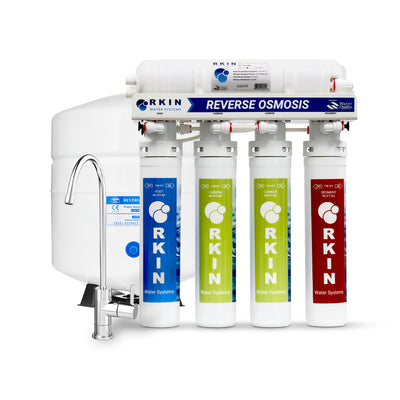
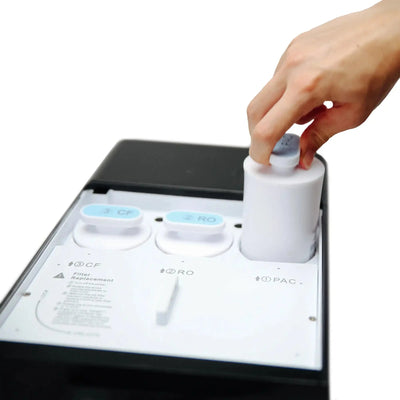
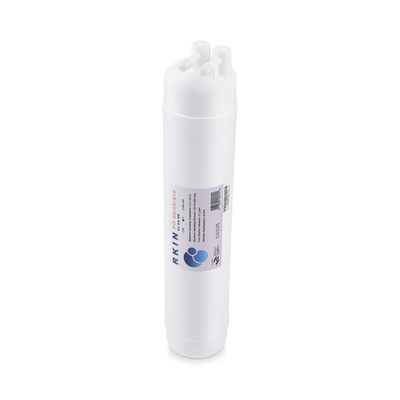
For many private well homes, reverse osmosis is a strong point-of-use choice for drinking and cooking water. RO systems use a semipermeable membrane along with prefiltration and postfiltration stages. Performance depends on system design, maintenance, water pressure, water chemistry, and the compounds present.
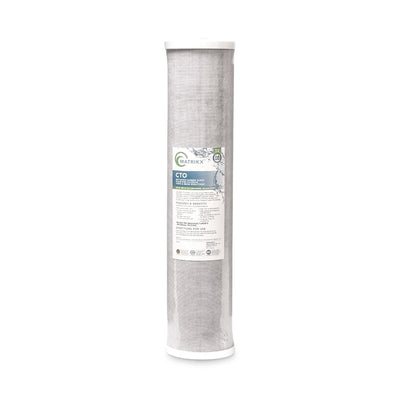
Activated carbon can also play an important role. Carbon filtration is often used for taste, odor, chlorine, and certain organic compounds. For PFAS reduction, carbon type, contact time, filter size, flow rate, and replacement schedule matter. A small carbon filter that is past its service life should not be treated as a PFAS plan.
If your water has iron, manganese, sediment, sulfur odor, or hardness problems, those issues may need separate treatment before or alongside a PFAS-focused drinking water system. Well water is often a mix of problems, not a single issue.
How to compare RKIN layouts without assuming PFAS performance
Start with the PFAS compounds in your lab report, then ask for current model-specific performance data that names those compounds. A treatment category or an RO membrane by itself is not enough proof.
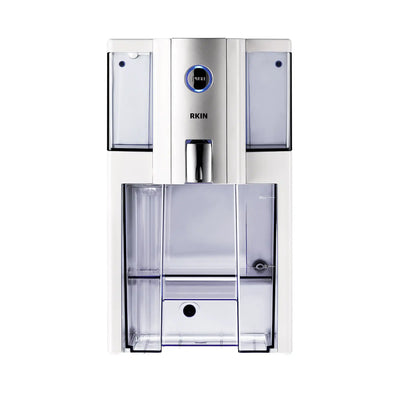
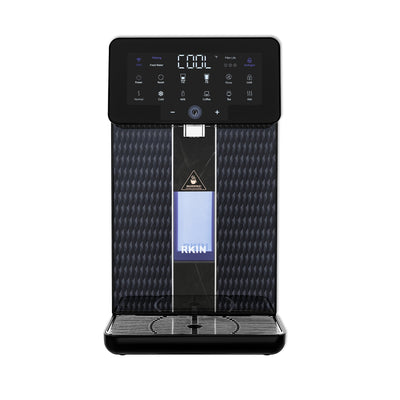
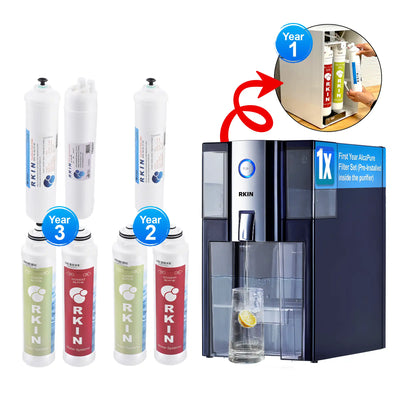
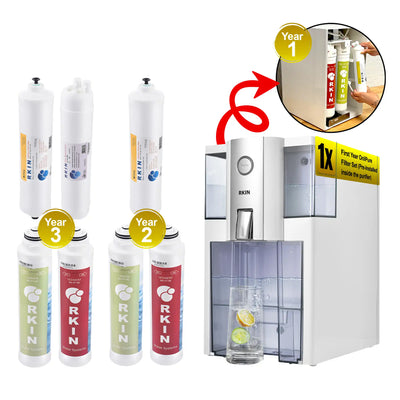
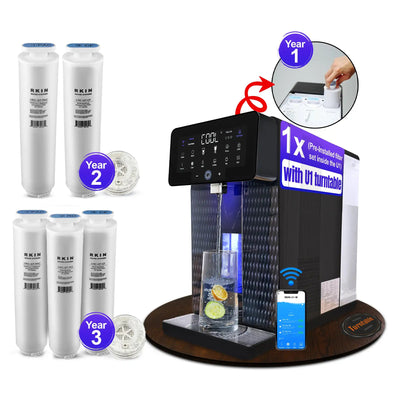
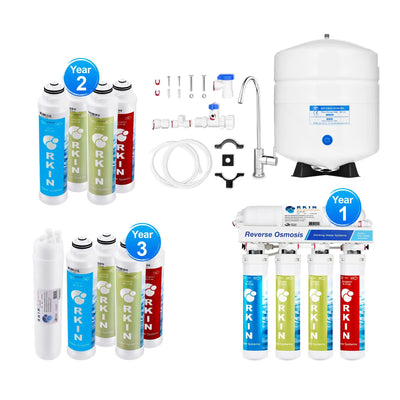
The Zero Installation Purifier and RKIN U1-W Space-Saving 4-in-1 Water Filter System are no-plumbing countertop RO layouts. The RKIN Flash Undersink RO System is an installed system with a dedicated faucet and 3.2-gallon tank. Current evidence supplied for this review does not verify model-specific PFAS performance for U1-W or Flash, and the current Zero Installation Purifier certification sentence does not name PFAS.
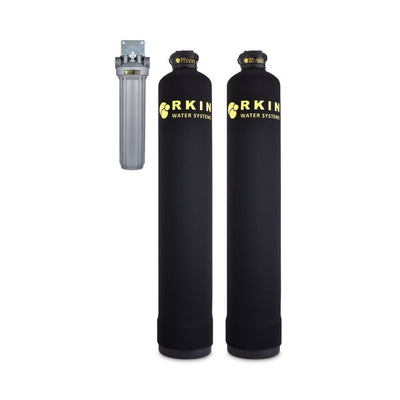
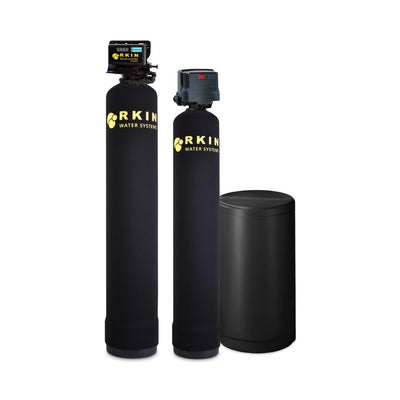
If the report also shows sediment, odor, staining, iron, sulfur, manganese, hardness, or another whole-home issue, review RKIN’s whole-house water treatment options or contact RKIN. Those systems must be selected for the specific well-water conditions and should not be treated as PFAS equipment without matching test data.
Building a Practical PFAS Action Plan
A good PFAS plan does not need to be complicated. Start with information, then choose treatment based on what the test actually shows.
Use this order:
- Gather local context from your health department or state environmental agency
- Order a PFAS lab test for your private well
- Save the full report and detection limits
- Decide whether you need drinking water treatment, whole-house treatment guidance, or both
- Choose a system designed for your target water use
- Follow the maintenance schedule
- Retest after installation if you want performance confirmation
Also keep your well in good condition. A damaged cap, poor drainage around the wellhead, or flooding can introduce other problems even when PFAS is not the main concern. PFAS testing should be part of a larger well water care routine that may include bacteria, nitrate, arsenic, hardness, iron, and other local concerns.
Frequently Asked Questions
Can PFAS be in private well water?
Yes, PFAS can be found in some private wells, especially in areas affected by certain industrial sites, firefighting foam use, landfills, wastewater activity, or known groundwater contamination. The only way to know for your well is to use appropriate lab testing.
Can I test for PFAS with a home test strip?
No. PFAS testing typically requires a laboratory method designed for very low-level detection. Contact a certified drinking water lab or your local health department for sampling instructions.
Does reverse osmosis reduce PFAS in drinking water?
Reverse osmosis is one of the household treatment technologies commonly used for PFAS reduction in drinking water. System design, maintenance, and water chemistry matter, so choose a system suited to your needs and follow the filter replacement schedule.
Should I treat the whole house for PFAS?
Some homeowners focus first on drinking and cooking water with a point-of-use system. Others may want whole-house guidance depending on lab results and household goals. If you are unsure, share your water test with a water treatment specialist.
How often should private well owners test for PFAS?
There is no single schedule that fits every well. Consider testing when you move in, when local PFAS concerns are reported, after nearby land use changes, or when advised by your state or local health agency.
Ready to Choose the Right PFAS Water Filter?
If you are concerned about PFAS in well water, start with a lab test and use the results to choose the right treatment path. RKIN can help compare installation layouts and review current model-specific performance documents against your lab result. For help reading your results or choosing a system, contact RKIN.






0 comments