




filtration
How to Test Your Home Water Quality (And What Results Mean)

You might track your macros, monitor your air quality, and filter your coffee with precision — but most homeowners have never once tested the water coming out of their tap. A 2024 Environmental Working Group analysis found over 320 contaminants in U.S. drinking water systems, many at levels above health guidelines. Your local utility says the water is "safe." But safe by legal standards and safe by the standards you'd actually choose for your family are two different things.
Testing your water is the single most useful step you can take before buying any filter, calling any plumber, or making any assumptions about what you're drinking. Here's exactly how to do it — and what your results actually mean.
Why You Should Test Before You Filter
A plumber can tell you about your pipes. A water softener salesperson can tell you about hardness. But neither one is going to run a full panel on your water before recommending a solution. Most filter purchases happen based on guesses, marketing claims, or whatever the installer recommends — not based on what's actually in the water.
Testing first means you:
- Know exactly which contaminants need attention
- Avoid overspending on treatment you don't need
- Can match your filter system to your actual water chemistry
- Have a baseline to measure whether your filter is working
A 2023 U.S. Geological Survey study found that at least 45% of U.S. tap water contains one or more PFAS compounds. Chlorine disinfection byproducts, lead from aging pipes, nitrates from agricultural runoff — these don't announce themselves. Your water can look, smell, and taste perfectly fine while carrying contaminants above health advisory levels.
Option 1: Start With Your Annual Water Quality Report
Every public water system in the U.S. is required by the EPA to publish an annual Consumer Confidence Report (CCR). This document lists detected contaminants, their levels, and how they compare to legal limits.
How to find yours:
- Check your water bill or utility website
- Search the EPA's CCR lookup tool by ZIP code
- Call your water provider directly
What the CCR tells you: which regulated contaminants were detected at the treatment plant. What it doesn't tell you: what happens between the plant and your faucet. Lead leaching from service lines, copper from household plumbing, and bacteria from distribution system breaks all happen after the utility tests the water. Your CCR is a starting point — not the full picture.
Option 2: DIY Home Water Test Kits
For a quick read on the basics, home test kits cost between $15 and $50 and give you same-day results for common parameters.
What basic kits typically measure:
- Total dissolved solids (TDS)
- pH level
- Hardness (calcium and magnesium)
- Free chlorine and chloramine
- Lead (some kits)
- Iron and copper (some kits)
DIY kits are useful for a general snapshot. They tell you whether hardness is an issue, whether chlorine levels are high, and whether TDS is elevated. But they have limits — most strip-based kits can't detect PFAS, volatile organic compounds, or specific disinfection byproducts like trihalomethanes. For those, you need a lab test.
Option 3: Certified Lab Testing
A certified lab test is the gold standard. You collect a water sample following their instructions, mail it in, and receive a detailed report — usually within 5 to 10 business days.
What lab tests cover that DIY kits don't:
- PFAS (per- and polyfluoroalkyl substances)
- Volatile organic compounds (VOCs)
- Disinfection byproducts (THMs, HAAs)
- Arsenic, chromium-6, and other heavy metals at precise levels
- Bacteria and coliform counts
- Nitrates and nitrites
Lab tests typically run $100 to $300 depending on the panel. The EPA maintains a directory of certified labs by state. Tap Score, SimpleLab, and your county health department are common options.
If you're on well water, annual lab testing isn't optional — it's recommended by the CDC since wells aren't regulated by the EPA.
How to Read Your Water Test Results
Your results will list contaminants alongside two numbers: the detected level and a reference standard (usually the EPA Maximum Contaminant Level, or MCL). Here's how to interpret the key ones:
TDS (Total Dissolved Solids)
- Below 300 ppm: Considered good
- 300–600 ppm: Acceptable but elevated
- Above 600 ppm: May affect taste; worth filtering
Hardness
- 0–60 mg/L: Soft
- 61–120 mg/L: Moderately hard
- 121–180 mg/L: Hard
- Above 180 mg/L: Very hard — expect scale buildup, dry skin, spotty dishes
Lead
- EPA action level: 15 ppb
- Health goal: zero. Any detectable lead is worth addressing, especially in homes with children
PFAS
- EPA MCL (2024): 4 parts per trillion for PFOA and PFOS individually
- Any detection above these thresholds means your water exceeds the federal standard
Chlorine / Chloramine
- EPA allows up to 4 mg/L. Most tap water contains 0.5–2 mg/L
- Even at legal levels, chlorine affects taste and can dry out skin and hair
Matching Your Results to the Right Filter
Once you know what's in your water, you can pick the right system instead of guessing:
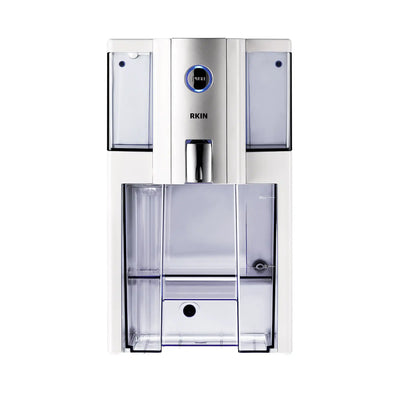
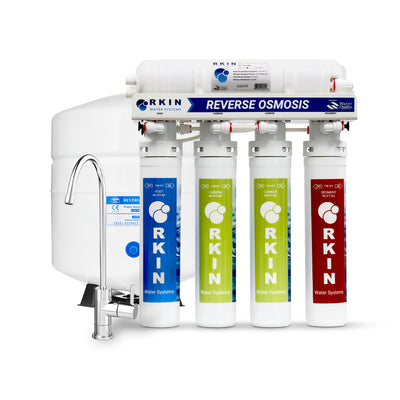
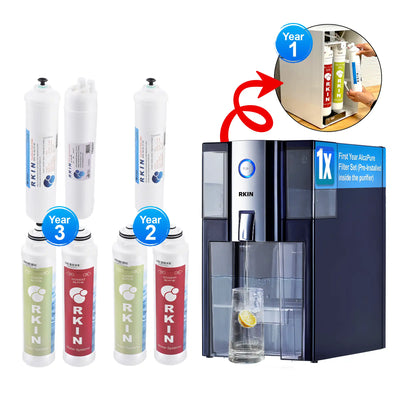
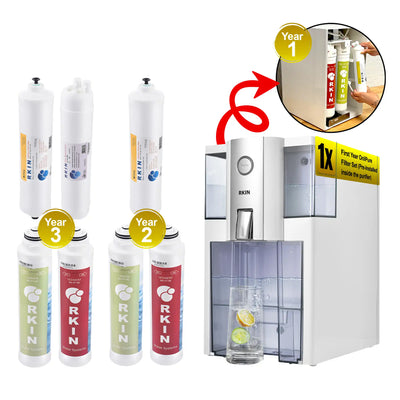
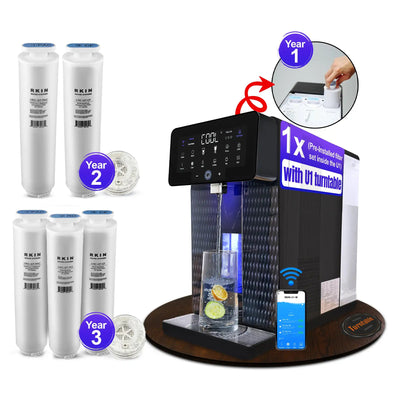
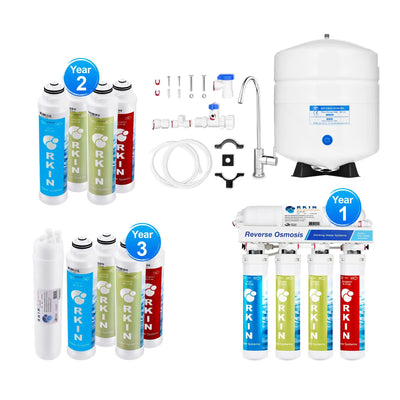
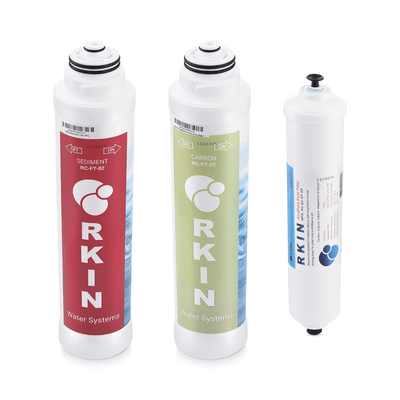
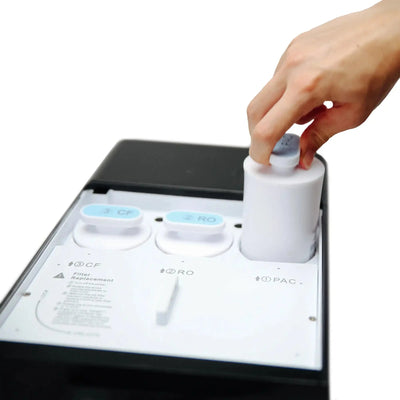
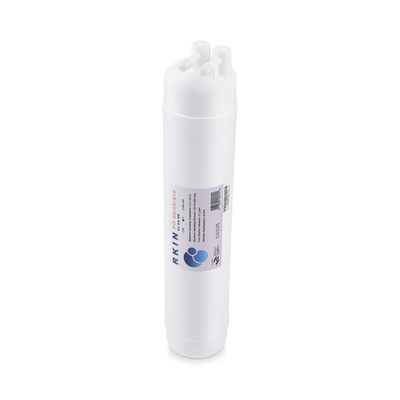
High TDS, heavy metals, PFAS, or nitrates → Reverse osmosis is the most effective technology. RO membranes reject 95–99% of dissolved contaminants. For a countertop option that requires zero plumbing changes, the RKIN Zero Installation Purifier sits on your counter and delivers RO-quality drinking water without any installation.
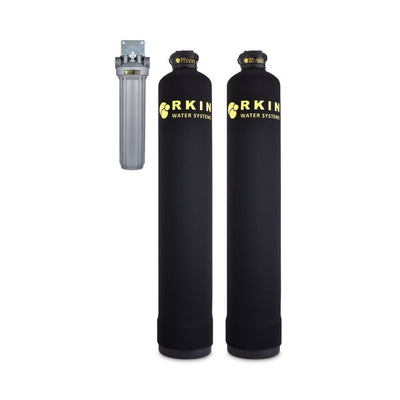
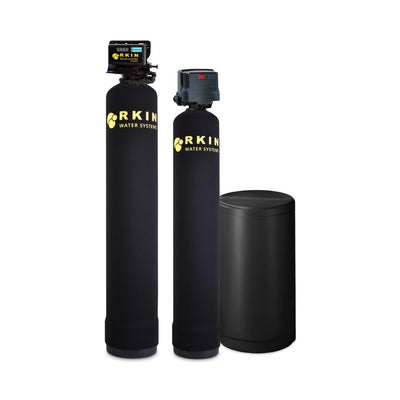
Hard water causing scale, dry skin, and appliance damage → A whole-house system treats every faucet. The RKIN OnliSoft Pro Salt-Free + Carbon Combo conditions hard water without salt and removes chlorine, chloramine, and sediment in a single system — no drain line, no wastewater, no ongoing salt purchases.
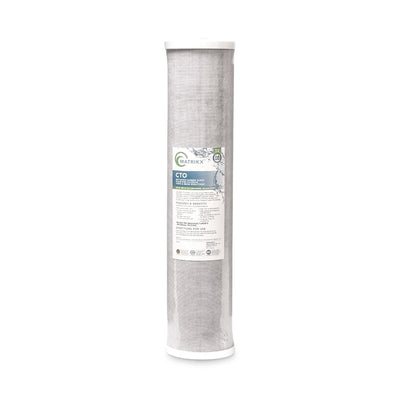
Chlorine taste and odor only → A carbon filter handles this effectively. Whole-house carbon filtration treats every tap in your home.
Well water with iron, sulfur, or manganese → Specialized media is required. A dedicated well water system addresses these specific issues before they stain fixtures and produce odor.
When to Retest
One test isn't a lifetime answer. Water quality changes — seasonally, after infrastructure work, and as regulations shift.
- Municipal water: Retest every 2–3 years, or after any boil notice, construction, or change in taste/smell
- Well water: Test annually for bacteria, nitrates, and pH at minimum. Add a comprehensive panel every 3–5 years
- After installing a filter: Test your filtered water within the first month to confirm the system is performing as expected
Frequently Asked Questions
How much does a home water test cost?
DIY strip kits run $15 to $50 for basic parameters like TDS, hardness, and chlorine. Certified lab tests that cover PFAS, heavy metals, and VOCs typically cost $100 to $300 depending on the panel. Many county health departments offer free or low-cost well water testing.
Is my tap water safe if it meets EPA standards?
EPA standards set legal limits, but some health-based guidelines are stricter. For example, the EPA's health goal for lead is zero, even though the action level is 15 ppb. The EWG maintains health-based benchmarks that are often lower than federal MCLs. Meeting legal standards means your water won't be flagged for violations — not that it's free of all concerning contaminants.
Can I test for PFAS at home?
Standard home test kits do not detect PFAS. You need a certified lab test specifically designed for PFAS analysis. These tests use liquid chromatography-mass spectrometry (LC-MS/MS), which requires specialized equipment. Expect to pay $150 to $300 for a PFAS-specific panel.
Does reverse osmosis remove PFAS from water?
Yes. Reverse osmosis is one of the most effective methods for reducing PFAS in drinking water. According to a 2020 study published by the American Chemical Society, RO systems reduced PFAS levels by 94% or more in residential settings. Activated carbon filters also reduce PFAS but are generally less consistent than RO for shorter-chain compounds.
How often should I test my well water?
The CDC recommends testing well water at least once per year for total coliform bacteria, nitrates, pH, and TDS. If you notice any change in taste, color, or odor, test immediately. A more comprehensive panel — including heavy metals, VOCs, and PFAS — should be done every 3 to 5 years or after any nearby land use changes, flooding, or construction.
Know Your Water Before You Buy Anything
A $30 test can save you hundreds on the wrong filter — or confirm that the system you're considering is exactly right. Start by pulling your CCR, then decide whether a lab test makes sense based on what you find. Once you know what's in your water, the right solution becomes obvious.
For homes with elevated TDS, PFAS, or heavy metals, the RKIN Zero Installation Purifier delivers reverse osmosis filtration with zero installation — no plumbing, no wait, no guesswork. Just connect it to your faucet and start drinking cleaner water today.



0 comments