




moving to well water
Well Water vs. City Water: What New Homeowners Need to Know

If you are moving from an apartment in the city to a house in the suburbs or the country, you might be encountering a private well for the first time. Or, conversely, you might be moving into a new development and wondering why the municipal "city water" tastes so different from the well water you grew up with.
Understanding the difference between well water and city water is important for a new homeowner. The source of your water dictates exactly what contaminants you need to worry about, how your plumbing will react, and what type of filtration system you need to install.
Here is the complete breakdown of Well Water vs. City Water.
City Water (Municipal Water)
If you pay a water bill every month, you have city water. This water is drawn from lakes, rivers, or large municipal wells, treated at a massive centralized plant, and pumped through miles of underground pipes to your home.
The Good News
City water is highly regulated by the EPA. The municipality is legally required to test the water constantly for dangerous bacteria and acute toxins. It is generally safe from immediate biological threats.
The Bad News: Chemicals and Infrastructure
To keep the water safe as it travels through miles of aging pipes, the city must pump it full of chemical disinfectants—primarily chlorine and chloramines.
Furthermore, city water frequently contains "forever chemicals" (PFAS), fluoride, and trace pharmaceuticals that standard municipal treatment plants are not designed to remove. Finally, as the clean water travels through aging city infrastructure, it can pick up rust, sediment, and even lead from old pipes before it reaches your faucet.
How to Treat City Water
If you have city water, your primary goal is chemical extraction.
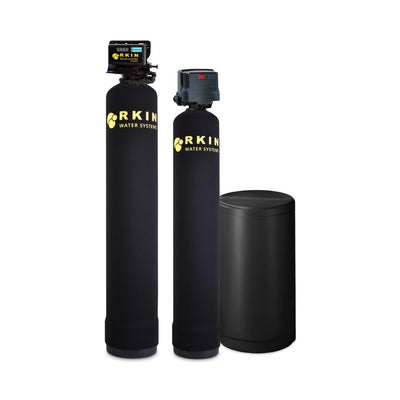
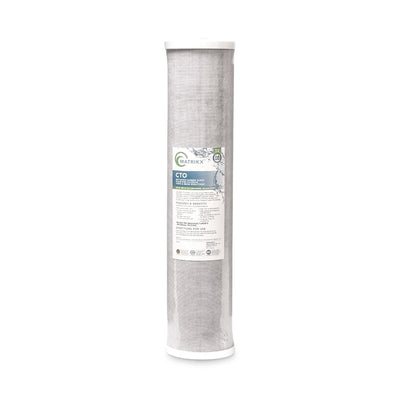
- Whole House: The RKIN OnliSoft Pro Combo is the ideal city water solution. Its massive carbon tank strips out the chlorine, chloramines, and VOCs so you aren't showering in chemicals, while the salt-free conditioning media prevents hard water scale from ruining your appliances.
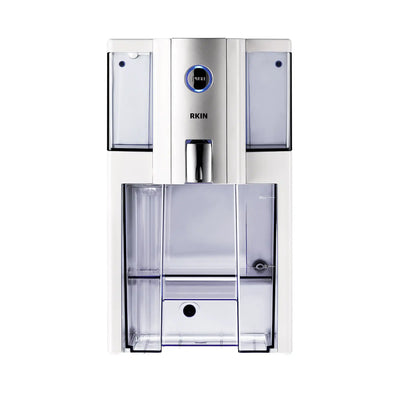
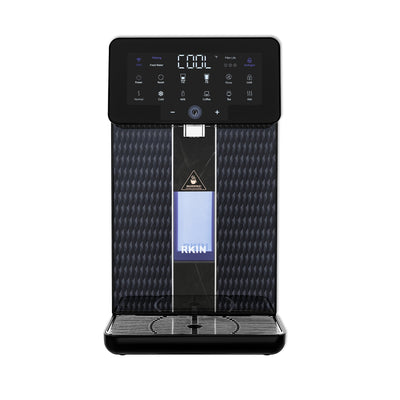
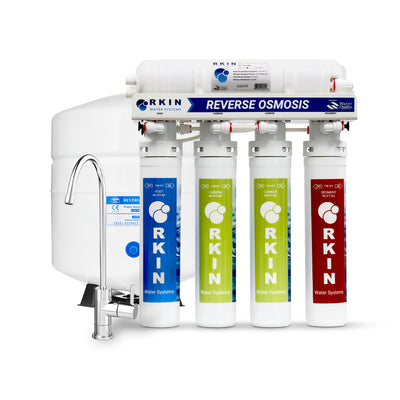
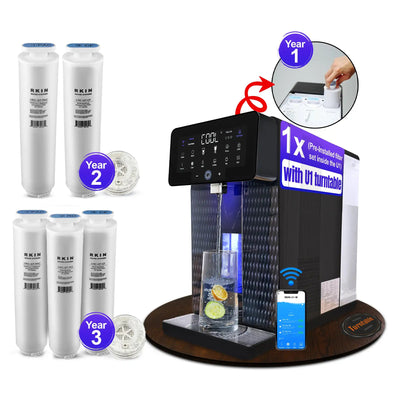
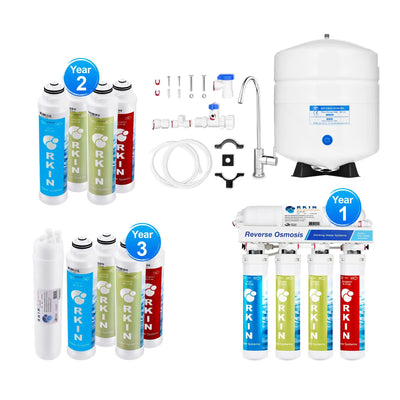
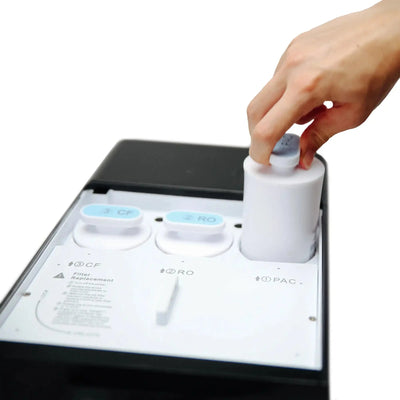
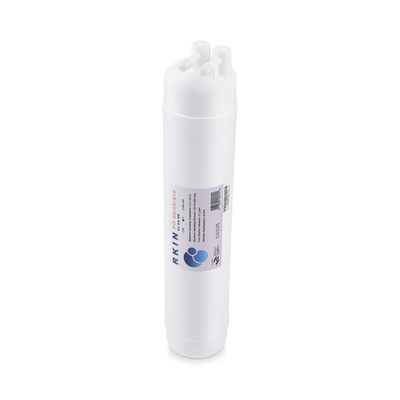
- Drinking Water: To remove fluoride, PFAS, and heavy metals at the kitchen sink, a Reverse Osmosis system is mandatory. The RKIN U1 Countertop RO or the RKIN Flash Undersink RO provide the absolute purity that municipal treatment plants cannot achieve.
Private Well Water
If you have a well on your property, you are your own water company. A pump pulls water directly from an underground aquifer into your home's pressure tank. You have no water bill, but you have 100% of the responsibility for safety and quality.
The Good News
Well water is completely natural. There is no chlorine, no chloramines, and no added fluoride. Many people vastly prefer the fresh, chemical-free taste of clean well water.
The Bad News: Nature is Messy
Because the water is untreated, it picks up whatever is in the ground. Well water is notorious for three major problems:
- Extreme Hardness: As water sits in the aquifer, it dissolves massive amounts of limestone, resulting in severe calcium and magnesium scaling that will destroy a water heater rapidly.
- Iron and Manganese: Well water frequently contains dissolved iron. When it hits the oxygen in your toilets and sinks, it rusts, leaving terrible orange and brown stains everywhere. It can also contain hydrogen sulfide, which causes a "rotten egg" smell.
- Sediment and Bacteria: Spring thaws and heavy rains can wash sand and silt into the well, and agricultural runoff can introduce dangerous coliform bacteria or nitrates.
How to Treat Well Water
Treating well water requires a physical barrier followed by targeted treatment.
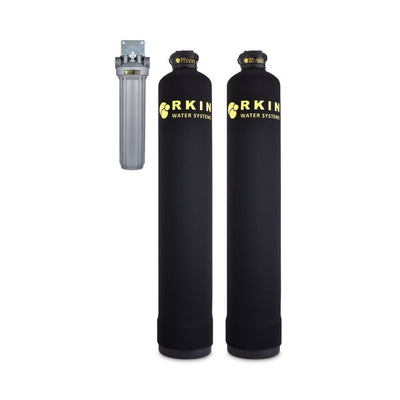
- Step 1: Stop the Dirt. You must have a physical sediment filter. The RKIN Well Water Whole House Filter catches the sand and grit before it can clog your home's plumbing.
- Step 2: Neutralize the Minerals. If your iron levels are low, the OnliSoft Salt-Free Conditioner will protect your home from hard water scale. (Note: If your well has heavy iron—meaning your water turns orange—you will need a dedicated Iron/Air-Injection system installed before the OnliSoft).
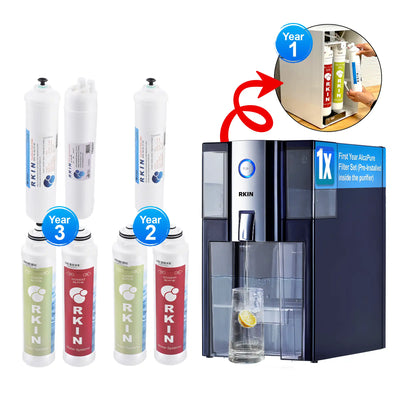
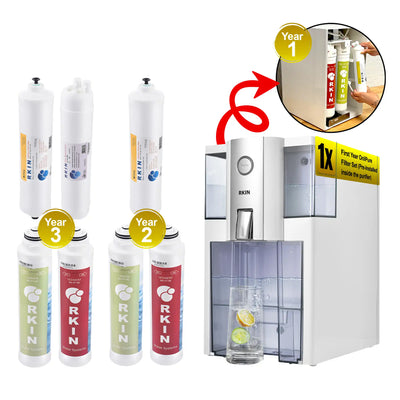
- Step 3: Purify for Drinking. Even if your well water tastes fine, agricultural runoff (nitrates) and heavy metals can be present. A point-of-use RO system like the Zero Installation Purifier is the safest way to guarantee your family's drinking water is flawless.
The Final Word
City water requires you to filter out the harsh chemicals the government added to keep it safe. Well water requires you to filter out the heavy minerals and organic elements that nature put there. In both cases, relying on the source alone is a mistake. By identifying your water source and installing the correct RKIN whole-house and reverse osmosis systems, you take permanent control over the water your family relies on every day.






0 comments