




2026
World Water Day 2026: What Is Really In Your Tap Water?

March 22 Is World Water Day — Here's Why Your Tap Water Deserves Attention
Every year on March 22, the United Nations marks World Water Day to draw attention to the global freshwater crisis. In 2026, that conversation hits closer to home than most people realize. While billions of people worldwide lack access to safe drinking water, millions of Americans are drinking tap water that contains contaminants their local utility may not even test for.
The Environmental Working Group's tap water database shows that over 250 contaminants have been detected in U.S. drinking water systems. Many of those chemicals have no federal legal limits. That gap between what's technically "legal" and what's actually safe is wider than most homeowners think.
What's Actually in Your Tap Water?
Municipal water treatment does a solid job removing bacteria and viruses. Chlorine disinfection made waterborne diseases rare in the U.S. decades ago. But the problem has shifted. Today's contaminants are different — they're chemical, not biological.
Here's what independent testing commonly finds in treated tap water across the country:
- PFAS ("forever chemicals"): Found in the water supply of an estimated 110+ million Americans. These synthetic compounds don't break down in the environment or in your body. The EPA set new PFAS limits in 2024, but enforcement timelines stretch years into the future.
- Lead: Still a problem in cities with aging infrastructure. Lead service lines connect an estimated 9.2 million homes to their water mains. Even at low levels, lead accumulates over time.
- Chlorine and chloramine disinfection byproducts (DBPs): The very chemicals that kill bacteria react with organic matter in water to form trihalomethanes (THMs) and haloacetic acids (HAAs). These byproducts show up in virtually every chlorinated system.
- Microplastics and nanoplastics: Recent studies — including a 2025 Ohio State paper — found nanoplastics in both bottled and tap water at concentrations higher than previously estimated.
- Nitrates: Agricultural runoff pushes nitrate levels up in rural and suburban water systems, especially in spring when fertilizers wash into groundwater.
- Pharmaceuticals: Trace amounts of prescription drugs, including hormones and antibiotics, have been found in drinking water supplies that draw from surface water sources.
Why "Meeting Federal Standards" Isn't Enough
Your annual Consumer Confidence Report (CCR) from the local water utility might say everything is within legal limits. That's not the same as saying the water is free of contaminants.
Federal drinking water standards under the Safe Drinking Water Act cover about 90 contaminants. The EWG recommends stricter guidelines for many of those, and their database tracks hundreds of additional chemicals with no legal limits at all. The gap matters.
For example, the EPA's Maximum Contaminant Level for arsenic is 10 parts per billion. The EWG's health guideline recommends 0.004 ppb — a difference of more than 2,000 times.
Start With Testing — Know What You're Dealing With
Before buying any filtration system, find out what's actually in your water. A home water test gives you specific data instead of generic assumptions. You can order a water quality test kit or request a free test through your local county health department.
Once you know what's in your water, you can choose the right filter technology for your situation:
| Contaminant Type | Effective Treatment | RKIN Solution |
|---|---|---|
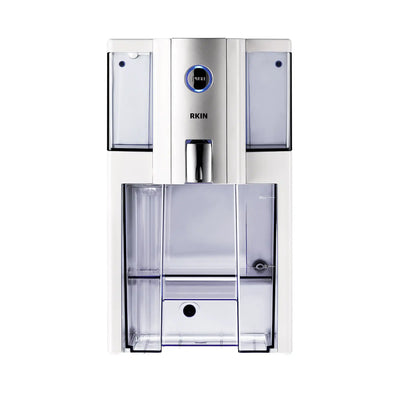
| PFAS / forever chemicals | Reverse osmosis, activated carbon | U1 4-in-1 Water Filter System |
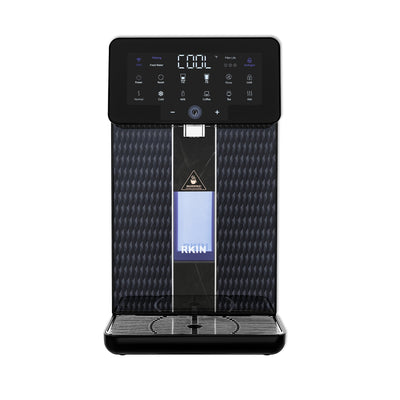
| Lead and heavy metals | Reverse osmosis, KDF media | Zero Installation Purifier |
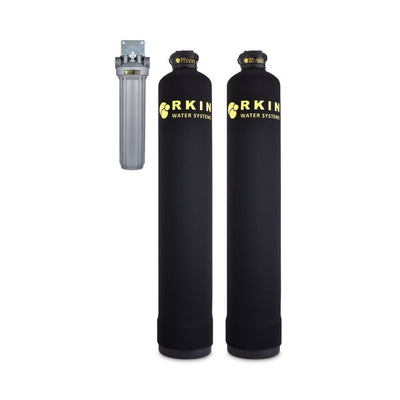
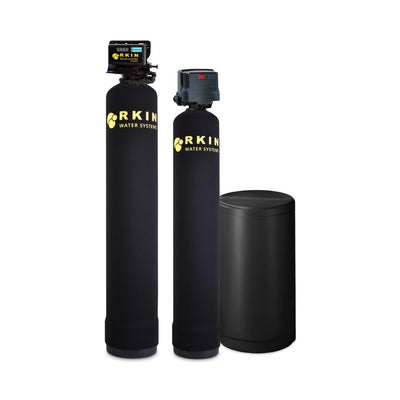
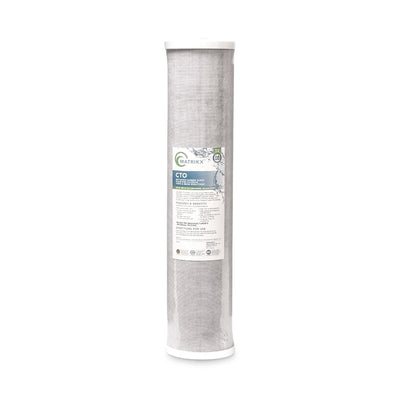
| Chlorine and DBPs | Activated carbon, catalytic carbon | CBS Dual Carbon Whole-House Filter |
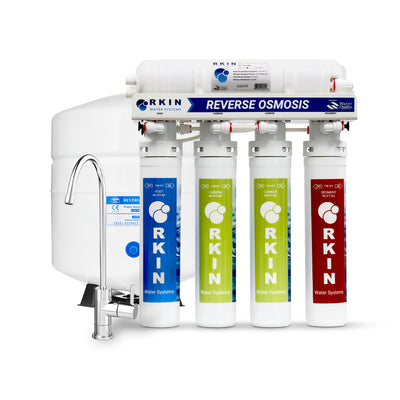
| Microplastics | RO membrane filtration | Flash Under-Sink RO System |
| Nitrates | Reverse osmosis | U1 4-in-1 Water Filter System |
The U1: A 4-in-1 System That Covers the Most Ground
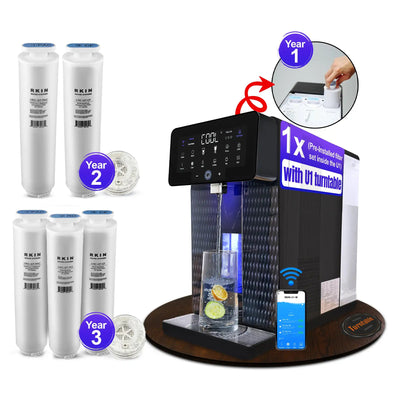
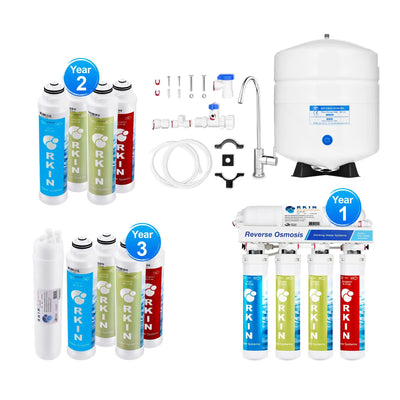
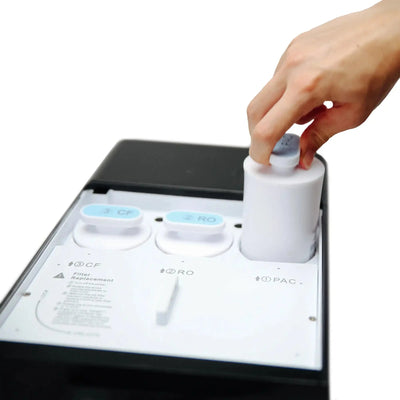
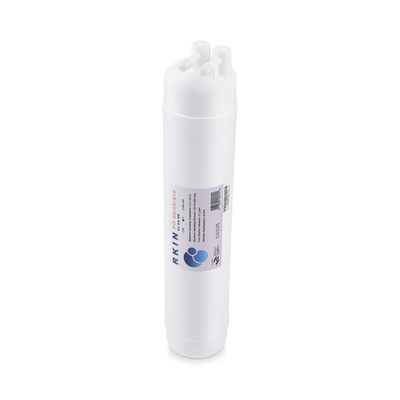
The RKIN U1 combines four filtration stages into a single space-saving unit: sediment pre-filter, carbon block, reverse osmosis membrane, and alkaline remineralization. It's designed for homeowners who want one system that addresses the widest range of tap water contaminants — from PFAS and lead to chlorine and microplastics.
Unlike single-stage pitchers or basic faucet filters, the U1 uses reverse osmosis as its core technology. RO membranes filter down to 0.0001 microns, catching contaminants that carbon alone can't remove. The remineralization stage adds back beneficial minerals for balanced, clean-tasting water.
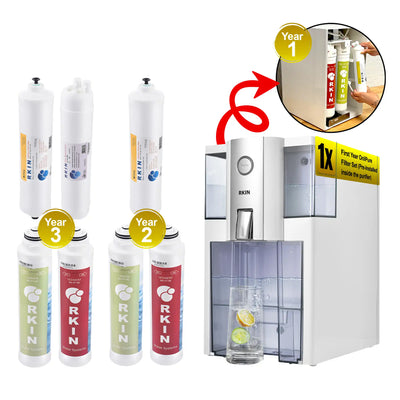
If you rent or don't want to modify your plumbing, the Zero Installation Purifier is a countertop reverse osmosis system that connects directly to your faucet — no drilling, no permanent installation required.
What You Can Do This World Water Day
World Water Day 2026 is a good reminder to check in on your own water quality. Here's a practical to-do list:
- Read your CCR: Your utility publishes it annually. Look for disinfection byproducts, lead, and any noted violations.
- Test your water: An at-home test fills in the gaps your CCR might miss — especially for PFAS, which many utilities don't yet report.
- Check your pipes: Homes built before 1986 may have lead solder in copper pipes or lead service lines from the street.
- Choose targeted filtration: Match your filter to the contaminants in your results. A whole-home carbon filter handles chlorine and taste. An RO system like the U1 handles lead, PFAS, nitrates, and more.
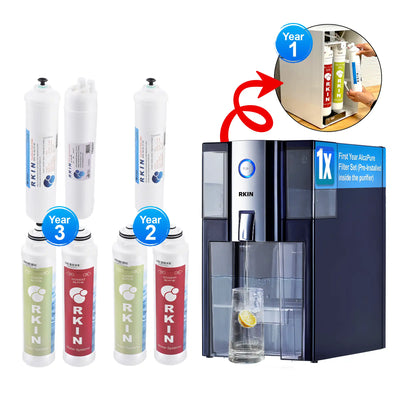
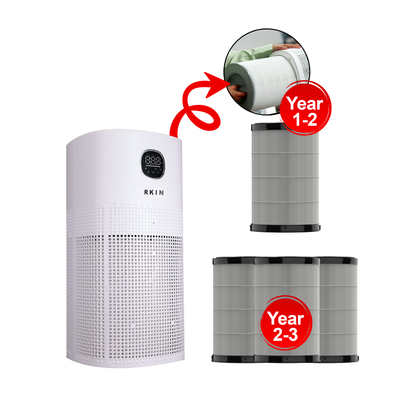
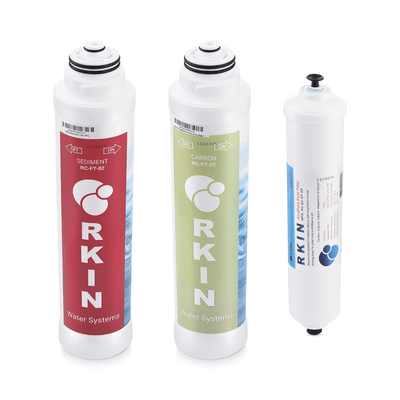
- Replace filters on schedule: Even the best system stops working when its filters are overdue. Here's a guide on filter replacement timing.
Frequently Asked Questions
What contaminants are most common in U.S. tap water?
The most frequently detected contaminants include chlorine disinfection byproducts, PFAS (forever chemicals), lead from aging pipes, nitrates from agricultural runoff, and microplastics. The EWG's tap water database tracks over 250 detected chemicals in U.S. water systems.
Is tap water safe to drink if it meets EPA standards?
Tap water that meets EPA standards is legally compliant, but that doesn't mean it's contaminant-free. Federal limits exist for about 90 substances, while hundreds of additional chemicals have been detected with no regulatory limits. Many health organizations recommend stricter thresholds than current federal standards.
What is World Water Day 2026 about?
World Water Day is observed annually on March 22. In 2026, the focus continues on raising awareness about the global freshwater crisis, water quality challenges, and equitable access to safe drinking water.
Does reverse osmosis remove PFAS from tap water?
Yes. Reverse osmosis systems are among the most effective household technologies for reducing PFAS concentrations in drinking water. RO membranes filter at the molecular level, capturing PFAS compounds that pass through standard carbon filters.
How do I find out what's in my tap water?
Start with your utility's annual Consumer Confidence Report. For more detailed results, use an at-home water test kit that checks for PFAS, lead, nitrates, and other specific contaminants not always covered by routine utility testing.






0 comments