


after boil water notice lifted
Can You Drink Tap Water After a Boil Water Notice?

Short answer: yes, you can usually drink tap water after the utility officially lifts the boil water notice — but flush the lines first and follow the local notice exactly. A home filter is not a replacement for boiling during an active advisory.
That matters more in summer, when storms, power outages, construction work, and pressure loss can trigger local advisories. The EPA's pressure-loss boil advisory template tells water systems to warn customers because low pressure can allow contaminants to enter distribution lines. Once the notice is lifted, your job is simpler: clear stagnant water from the home side of the plumbing, check anything that stores water, and decide whether your everyday drinking setup is doing enough.
What does a boil water notice actually mean?
A boil water notice is not the same thing as a permanent statement about your water. It is a temporary warning that the utility has identified a risk, often because pressure dropped, a main broke, treatment was interrupted, or testing has not yet confirmed the water is back within required standards.
The key word is "temporary." During the notice, the safest move is to follow the utility's instructions, including boiling water for drinking, cooking, brushing teeth, washing produce, making ice, and mixing drinks. Filters can help with taste, odor, sediment, and certain dissolved contaminants, but they do not turn an active boil notice into a non-issue.
Here is the distinction: a boil notice is about a specific event. A home filter handles your normal water baseline. The two jobs can overlap, but they are not interchangeable.
Most boil water notices are tied to possible microbial contamination. Reverse osmosis, carbon filtration, and sediment filtration may reduce many water-quality problems, but a public boil advisory is still the higher authority while it is active. If your city says boil, boil. If your county says do not use the water at all, do not use it. If your notice is for private well flooding, follow well-disinfection and testing guidance before going back to normal.
What should you do after the notice is lifted?
When the water system says the advisory is over, start by clearing your home's plumbing. Water can sit in pipes, faucets, supply lines, refrigerator tubing, ice makers, humidifiers, and small appliance reservoirs while the notice is active.
A practical post-notice reset looks like this:
- Flush each faucet: Run cold water for several minutes, starting with the lowest faucet in the home if your utility gives that instruction.
- Skip hot water at first: Flush cold lines before pulling water through the water heater.
- Discard old ice: Empty the ice bin and allow the ice maker to cycle fresh water.
- Clean small reservoirs: Coffee makers, humidifiers, countertop appliances, and pitcher-style containers can hold water from before the all-clear.
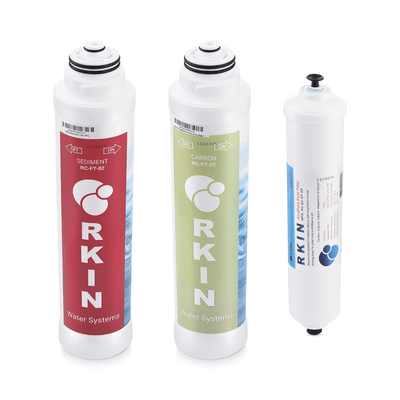
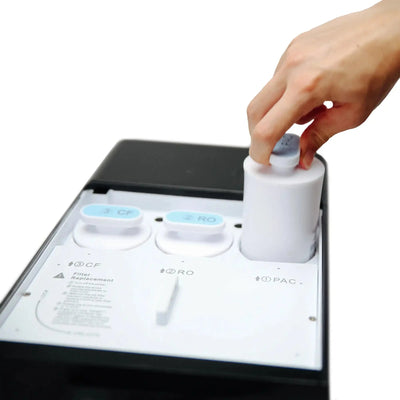
- Replace filters when directed: If a filter was exposed to questionable water and the manufacturer recommends replacement after an advisory, follow that guidance.
The reason I'm asking you to start with flushing is because your utility's all-clear applies to the water system. Your faucet is the last stop. Clearing that last stretch helps remove water that sat in your home plumbing during the advisory window.
If your home has a refrigerator filter, do not treat it as a full drinking-water solution. Refrigerator filters are mainly built for taste and odor. They are useful, but they are not the same thing as a dedicated reverse osmosis system.
What filters help after a boil water advisory?
After the notice is lifted, a filter can help improve daily drinking water quality, especially if your water still tastes off, smells like chlorine, shows sediment, or leaves you wondering what is left after the event. The right filter depends on the problem.
For drinking water, reverse osmosis is the main technology to look at. RO pushes water through a semipermeable membrane that separates many dissolved contaminants from the water you drink. It is commonly used for total dissolved solids, fluoride, lead, arsenic, and PFAS reduction depending on the system and testing.
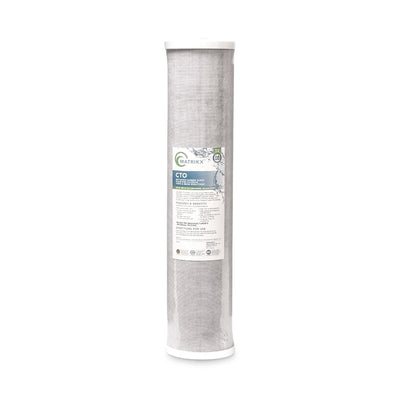
For taste and odor, activated carbon is useful because it can reduce chlorine taste and odor. Carbon is often paired with RO because the two do different jobs. Carbon improves the taste profile and protects the RO membrane from oxidizers. RO handles many dissolved contaminants that carbon alone may not address.
For whole-home sediment, a sediment filter or whole-house system can help keep grit and particles from moving through fixtures and appliances. That is not the same as making unsafe water safe during an active notice, but it can improve the baseline once the water system is back to normal.
Me personally, I would not use a basic pitcher filter as my only plan if boil notices happen often in my area. In my house, I would treat the advisory as an emergency instruction first, then use a dedicated drinking-water system for day-to-day tap water quality after the all-clear.
Does reverse osmosis make sense after a boil notice?
Reverse osmosis makes sense if the notice reminded you that tap water is not a set-it-and-forget-it category. It is not because RO replaces official emergency instructions. It is because RO gives you a stronger daily barrier for the water you drink most often.
A good RO setup should make three things clear:
- What it reduces: Look for third-party testing or certification claims tied to named contaminants, not vague "pure water" language.
- How it is installed: Countertop systems avoid plumbing changes; undersink systems keep the counter clear but require a cold-water connection.
- How filters are maintained: A filter is only useful if it is replaced on schedule.
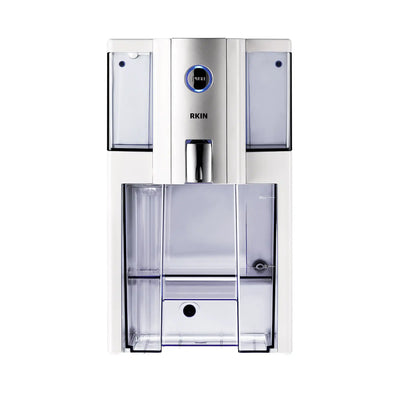
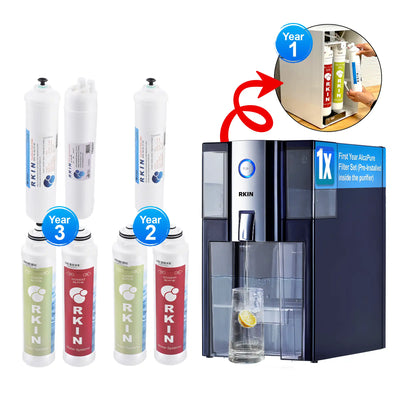
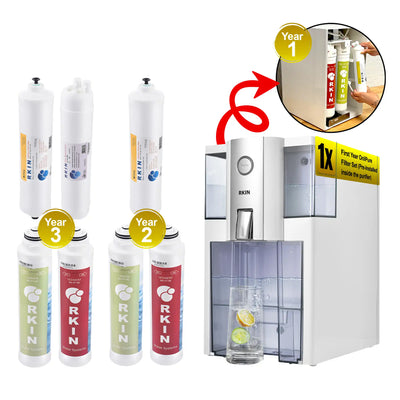
If you rent, do not want plumbing work, or want a portable option, the RKIN Zero Installation Purifier is built for that use case. It is a countertop reverse osmosis system that does not require installation, and its front-loading design keeps the fill point at counter height instead of making you lift a heavy tank up to the back or top.
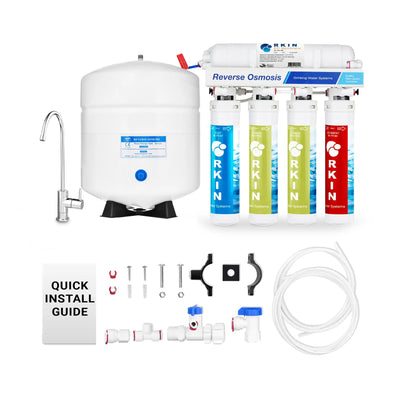
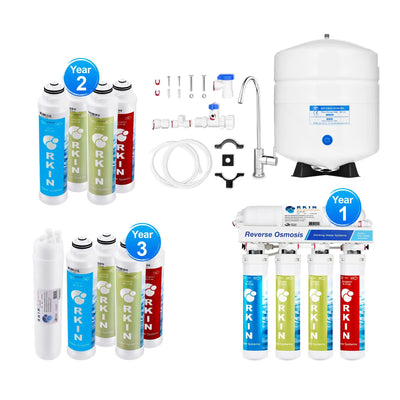
If you own your home and want a cleaner sink area, the RKIN Flash Undersink RO System is the better fit. It connects under the sink, uses a compact 3.2-gallon storage tank, and keeps filtered drinking water available at a dedicated faucet.
Choose the countertop model when you want no installation. Choose the undersink model when you want concealed hardware and a dedicated faucet.
When is a whole-house filter the better move?
A boil water notice is usually about drinking, cooking, and exposure instructions from the local authority. A whole-house filter is a different decision. It filters water before it moves through the home, which can be helpful if your normal problems are chlorine taste and odor, sediment, hardness scale, staining, or well-water issues.
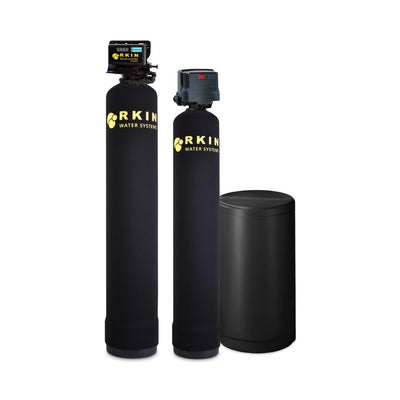
For city water homes, a carbon-based whole-house system can improve water at every tap by reducing chlorine taste and odor before the water reaches showers, laundry, and appliances. For hard water, a conditioner or softener decision depends on whether you want salt-free scale control or traditional ion-exchange softening. For wells, the right system depends on test results for iron, sulfur, manganese, hardness, pH, and other local factors.
The important part: do not buy a whole-house system because of one advisory without first identifying the normal water problem. A boil notice can be the trigger that gets you paying attention, but the permanent solution should match the ongoing issue.
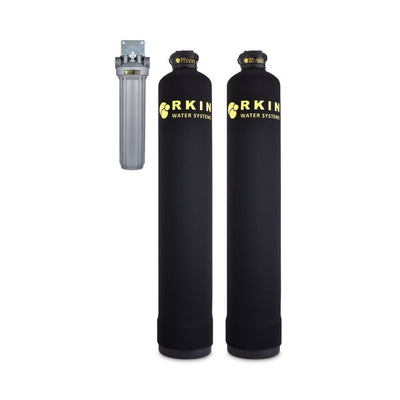
If your water is usually fine and you simply want better drinking water, start with drinking-water RO. If your whole home has odor, staining, scale, or sediment, review RKIN whole-house water treatment systems and match the system to the test results.
What if you have a private well?
Private wells are different because there is no city utility testing every section of the distribution system for you. After flooding, heavy rain, storm surge, or visible well damage, follow emergency well guidance and test before drinking normally again.
The CDC's emergency well guidance explains that wells can require disinfection after an emergency and that owners should follow local health department instructions. If your well was flooded, do not assume clear water means the well is fine. Clear water can still carry problems you cannot see, smell, or taste.
A private well owner should think in layers:
- Emergency response: Follow local health guidance, disinfect if instructed, and test before normal use.
- Baseline testing: Test for the issues common in your area, such as hardness, iron, sulfur, manganese, nitrate, and bacteria.
- Long-term treatment: Choose the system after the test, not before.
If the test shows iron, sulfur, or manganese, the RKIN Well Water Whole House Filter may be the right category to review. If the main issue is drinking-water contaminants, pair the well plan with RO at the sink or counter.
Frequently Asked Questions
Can I drink tap water right after a boil water notice is lifted?
Usually yes, once the utility or health department officially lifts the notice. Flush your faucets, discard old ice, and follow any local instructions for appliances or filters. Do not stop boiling early because a home filter is installed.
Do water filters work during a boil water advisory?
A filter is not a substitute for the advisory instructions. During an active boil notice, follow the public notice first. After the notice is lifted, filtration can improve your day-to-day drinking water quality depending on the system and the contaminants it is designed to reduce.
Should I replace my refrigerator filter after a boil notice?
Check the refrigerator and filter manufacturer's instructions. If the filter was exposed to water during the advisory and the guidance says to replace it, replace it. Also discard old ice and flush the dispenser before using it normally.
Does reverse osmosis remove bacteria?
Some RO membranes can reduce microorganisms, but a home RO system should not be treated as permission to ignore a public boil notice. RO is best viewed as a daily drinking-water quality system, not a replacement for emergency public-health instructions.
What is the best water filter after a boil water advisory?
For drinking water after the all-clear, reverse osmosis is usually the strongest home filtration category to consider. For whole-home odor, sediment, hardness, or well-water issues, test first and choose a system that matches the actual problem.
Ready to Upgrade Your Water?
If the boil notice made you question your daily drinking water, start with the water you actually drink. The RKIN Zero Installation Purifier gives renters and homeowners reverse osmosis without plumbing work. No installation. Countertop fill. A clear next step after the all-clear.





0 comments