
cistern water filter system
Cistern Water Filter System: Homeowner Setup Guide

A screen on a gutter is not a cistern water filter system. It is only the first line of defense against leaves, insects, and roof debris.
That distinction matters more during late-summer storm season, when homeowners in water forums start asking whether roof-collected water can be routed into a tank, prefiltered, and used around the house. The answer depends on source, use, local rules, and treatment design. The CDC notes in its 2024 cistern safety guidance that floods and hurricanes can wash germs or chemicals into cisterns and make water unsafe to drink. A good setup starts before water reaches the tank and continues at the point where people use it.
What a Cistern Actually Collects
A cistern is a storage tank. It may hold treated water delivered from a public system, or it may collect untreated water from a catchment system. Catchment water can come from rain, roof surfaces, ground water, spring water, or surface water depending on the design.
For homeowners, roof catchment is the version that usually gets attention. Rain hits the roof, moves through gutters and downspouts, passes a screen or first-flush diverter, and enters a storage tank. From there, a pump can send water to irrigation, toilets, laundry, utility uses, or a treatment train designed for potable use where allowed.
The key word is designed. A rain barrel for watering plants is not the same as a potable cistern system. A tank that looked fine all summer may still need cleaning after heavy rain, roof work, wildfire ash, pests, or flooding. Water in storage changes over time, especially when debris, warmth, and stagnant zones are present.
EPA's 2022 rainwater harvesting guide says rainwater harvesting systems typically include three parts: a rainfall capture system, a storage vessel, and a dedicated end use. It also notes that cisterns are often larger than rain barrels and can range from a few hundred gallons to far larger systems.
Why One Filter Is Not Enough
Cistern water can carry different categories of problems. Some are physical, like leaves, grit, roof granules, pollen, and sediment. Some are chemical, such as compounds from roofing materials, smoke residue, nearby activity, or accidental contamination. Some are microbial, especially after animals, insects, standing water, or storm runoff enter the system.
A single cartridge cannot solve every one of those categories. A sediment screen may protect a pump but will not handle dissolved chemicals. Carbon may improve taste and odor or reduce certain organic compounds, but it is not a stand-alone disinfection plan. UV can address microbes only when the water is clear enough and the UV system is sized, installed, and maintained correctly. Reverse osmosis can treat drinking water at a tap, but it is not a substitute for keeping the cistern clean.
That is why cistern treatment is usually layered. The goal is to keep debris out, protect the tank, protect the pump, reduce sediment, address taste or chemical concerns where appropriate, and use a separate point-of-use stage for drinking water if the system is intended for that use.
Start Before the Water Reaches the Tank
The cheapest gallon to treat is the gallon you keep from getting dirty in the first place. EPA's rainwater harvesting guide calls out screens and filters that keep leaves and debris from entering the storage vessel. That is basic, but it matters.
A homeowner setup may include:
- Clean gutters and roof valleys before storm season.
- Gutter guards or inlet screens to stop leaves and larger debris.
- A first-flush diverter that sends the first dirty runoff away from the tank.
- A sealed tank opening to keep insects, rodents, and sunlight out.
- An overflow path that drains away from the foundation.
- A maintenance log for filter changes, cleaning, and test results.
Those pieces do not make untreated catchment water automatically suitable for drinking. They reduce the load on the rest of the system. When they are skipped, the downstream filters clog faster, taste issues show up sooner, and stored water is harder to manage.
Testing Comes Before Product Selection
Before sizing a cistern water filter system, decide how the water will be used. Yard and exterior cleaning water do not need the same treatment as water used for cooking. Laundry and toilet flushing have different needs than drinking water. Local plumbing codes may also limit how harvested water can be connected to household plumbing.
EPA's cistern fact sheet says EPA does not regulate household cisterns and rainwater catchment systems, and recommends certified laboratory testing when a household cistern owner wants water quality tested. That is the right mindset: do not guess based on appearance.
A practical test plan can include bacteria indicators, turbidity, pH, TDS, hardness, metals, nitrate, and any local concerns tied to roofing material, nearby land use, wildfire smoke, flooding, or industrial activity. If a tank has been exposed to floodwater, fuel, oil, or other toxic chemicals, the CDC says water with fuel or toxic chemicals in it cannot be made usable by ordinary treatment and should be fully drained.
The test result determines the treatment train. Without it, you may overbuy equipment that does not solve the real issue or underbuild a system that is not ready for the intended use.
A Sensible Filter Order for Cistern Water
The exact design should come from a qualified water professional when the water may be used inside the home. Still, the order usually follows a simple principle: remove the big stuff first, then the finer particles, then taste or chemical concerns, then any point-of-use drinking-water treatment.
A common layout may look like this:
- Inlet screen or basket before the tank.
- First-flush diversion ahead of storage.
- Pump protection screen or spin-down sediment filter.
- Sediment cartridge sized for the water clarity and flow rate.
- Carbon filtration when taste, odor, or certain chemical concerns call for it.
- UV disinfection only when pretreatment keeps the water clear enough for UV to work correctly.
- Reverse osmosis at a drinking-water tap when the goal is a more polished point-of-use result.
Flow rate matters. A whole-home filter must handle showers, laundry, and taps without choking pressure. A drinking-water RO system handles much lower flow at one faucet, which is why it can use a tighter membrane for the water you drink and cook with.
When Whole-Home Treatment Fits
Whole-home treatment makes sense when cistern water is being sent to multiple fixtures and the main issues are sediment, taste, odor, staining, scale behavior, or general water quality management. The system is installed near the point where water enters the home plumbing, after the pump and pressure tank in many setups.
Do not treat a whole-home filter as a permission slip to ignore the tank. Storage hygiene still matters. Screens still matter. Cleaning schedules still matter. If the tank is taking in debris, insects, or floodwater, the problem starts upstream of the filter.
Also remember that whole-home carbon is not the same as reverse osmosis. Carbon and sediment filters can be part of a good treatment train, but they do not broadly reduce dissolved solids the way RO does at a drinking-water tap. If the lab report shows dissolved contaminants that call for RO, the solution may be layered: whole-home pretreatment plus point-of-use RO for drinking and cooking.
Where RKIN Fits
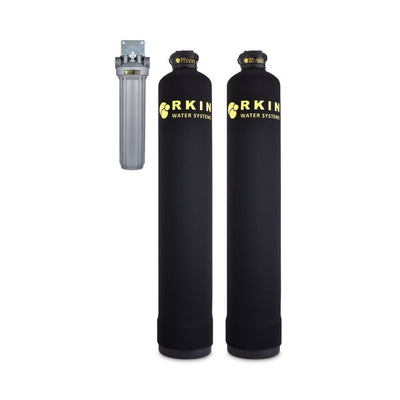
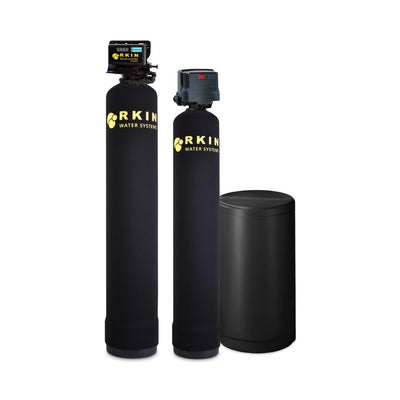
For homes that need incoming-water treatment, start with RKIN's whole house water treatment collection. The right configuration depends on source water, flow rate, sediment load, and lab results. A cistern feeding a home should be evaluated differently from standard city water.
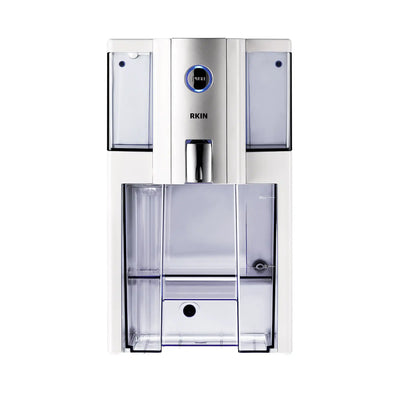
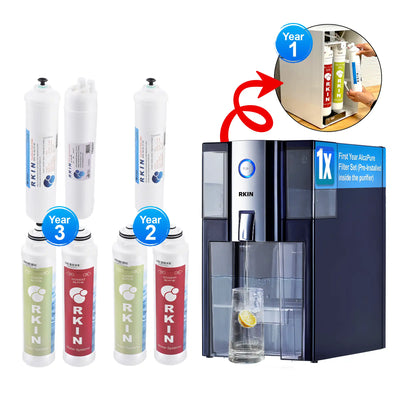
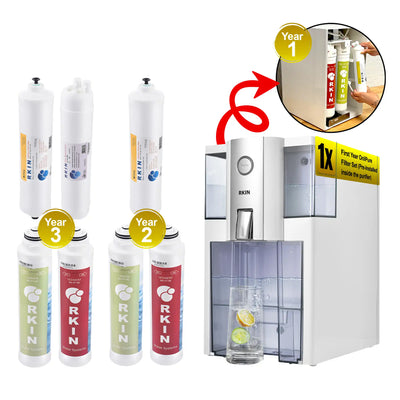
For drinking water at the kitchen, the RKIN U1 4-in-1 Water Filter System is a countertop RO option with a fill tank and no plumbing installation.
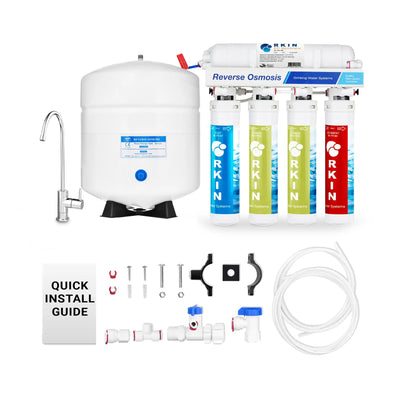
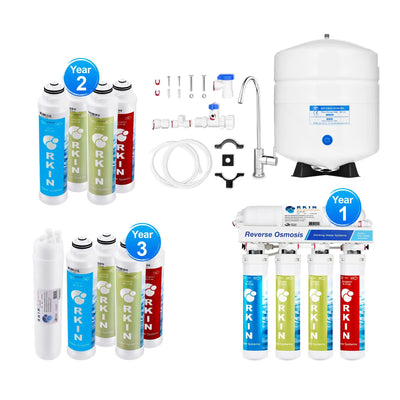
Homeowners who prefer a built-in faucet can compare the RKIN Flash RO System.
If your water source is unusual, send RKIN the test results before choosing. We can help separate what a whole-home system should handle from what belongs at a dedicated drinking-water tap.
Me personally, I would test the source water before choosing equipment for a cistern.
Frequently Asked Questions
Can you drink water from a cistern?
Only if the cistern, source, plumbing, treatment, testing, and local rules support potable use. Do not judge by appearance or taste. Cistern water can be affected by roof debris, storage conditions, flooding, or chemicals. Use certified testing and local guidance before treating catchment water as drinking water.
What filter do I need for cistern water?
Most cistern setups need layers, not one filter. Common pieces include inlet screens, first-flush diversion, pump protection, sediment filtration, carbon when taste or chemical concerns call for it, and point-of-use treatment such as reverse osmosis for drinking water when appropriate.
Does a carbon filter make rainwater drinkable?
A carbon filter can help with taste, odor, and certain chemical concerns, but it is not a complete potable-water plan by itself. Cistern water may also need sediment control, disinfection, lab testing, code-compliant plumbing, and point-of-use treatment depending on how the water will be used.
Should cistern water be filtered before or after the tank?
Both locations can matter. Screens and first-flush devices before the tank help keep leaves and debris out of storage. Sediment and other treatment stages after the tank protect plumbing, fixtures, and point-of-use systems. The best order depends on source water and intended use.
Can reverse osmosis filter cistern water?
Reverse osmosis can be part of a point-of-use drinking-water setup when the incoming water is properly pretreated and tested. RO should not be used as the only plan for a dirty tank. Keep debris out, manage sediment, follow disinfection guidance where needed, and verify water quality before relying on it.
Ready to Build the Right Water Treatment Plan?
Cistern water is not one problem. It is source control, storage, testing, flow rate, filtration, and intended use working together.
If you are using collected water around the home, start with a certified water test and a clear use case. Then compare RKIN whole-home and reverse osmosis options at RKIN whole house water treatment or contact us through RKIN support with your test results.






0 comments