


algae bloom drinking water filter
Cyanotoxin Advisory at Home: What Not to Do

A cyanotoxin advisory changes the order of operations at home. The first job is not choosing a cartridge. It is confirming whether the notice applies to your address, which uses are restricted, and when the water authority will issue the next update.
This guide is a response plan for that narrow situation. It explains why boiling, taste tests, and generic filter claims can mislead; which details to record from the notice; and when a home treatment discussion can begin after the immediate advisory has been resolved.
Confirm That the Notice Applies to Your Tap
Blooms are more visible than most water issues. You may see green surface scum, cloudy green water, or local warnings around lakes, canals, ponds, or reservoirs. But visibility at a lake is not the same as a result at your kitchen tap.
Public water systems monitor source water and finished water based on their own source conditions and regulatory guidance. If a bloom could affect drinking water, the utility is the first source to check. Look for official wording such as “do not drink,” “do not boil,” “do not use,” “drinking water unaffected,” or “treatment adjusted.” The exact wording matters.
Private wells are different. A properly built drilled well is usually drawing groundwater, not lake surface water. But wells can be more exposed if they are shallow, poorly sealed, flood-affected, near surface-water influence, or connected to a cistern or lake intake. If your home uses private water and there is a bloom near the source, talk to a certified lab or local authority before assuming a cartridge solves it.
This is also why the season matters. Warm weather, stagnant water, nutrient runoff, and storm patterns can make blooms more likely in some areas. The homeowner move is not panic. It is to verify whether your tap water is part of the notice.
Why Common Home Fixes Can Be the Wrong Move
A refrigerator filter can improve taste and odor, but most homeowners never read the claim sheet. If the product does not name cyanotoxins, microcystins, or the toxin in question, do not use it as proof.
A basic pitcher can make water taste better, but taste is not a cyanotoxin test. Clear water can still need official guidance, and green-looking water from a lake is not something to run through a small household filter and declare fixed.
Boiling is not a safe catch-all. In many chemical or toxin situations, boiling is not the recommended fix unless the official notice tells you to do it. If the notice says not to boil, do not boil. Follow the exact public notice.
A TDS meter is not useful for algae toxins. Total dissolved solids can help monitor broad mineral content or RO performance, but it does not identify cyanotoxins. A low TDS number is not a bloom safety test.
Treatment Language You May See in Official Guidance
EPA’s summary of cyanotoxin treatment in drinking water discusses multiple treatment approaches used by water systems, including conventional treatment, membrane filtration, activated carbon, oxidation, and other methods depending on the toxin and the treatment goal.
That list is useful, but it is not a shopping shortcut. Municipal treatment is engineered around flow rate, dose, contact time, monitoring, and trained operators. A home cartridge is much smaller and has to prove its own claim.
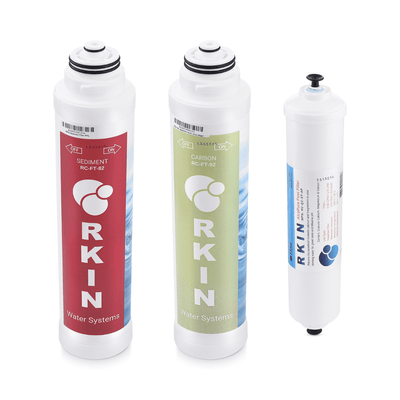
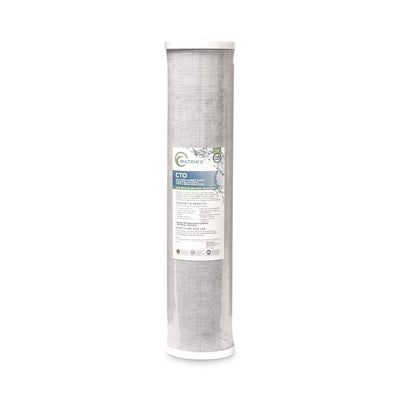
Activated carbon can be relevant for certain cyanotoxin reduction applications when the design, contact time, carbon type, and maintenance are right. Membrane processes can also be part of treatment depending on the system and toxin. But the word “carbon” or “membrane” by itself is not enough. The exact product needs documentation.
For home drinking water, reverse osmosis is often compared because it adds a membrane step at the tap. NSF’s page on NSF/ANSI 58 reverse osmosis systems explains that the standard covers point-of-use RO systems and includes requirements for performance, materials, structure, and user information. That helps you compare RO systems, but the product’s own claim list still matters.
Separate the Immediate Advisory From Long-Term Planning
Use this order of operations when algae blooms are in the news near you:
- Check your utility, county, or state notice first.
- Confirm whether the notice applies to drinking water, recreation, pets, irrigation, or another use.
- Follow any “do not drink,” “do not boil,” or bottled-water instruction exactly.
- If you are on a private well, ask a local authority or certified lab whether testing is needed.
- If you are choosing a home system, look for toxin-specific documentation.
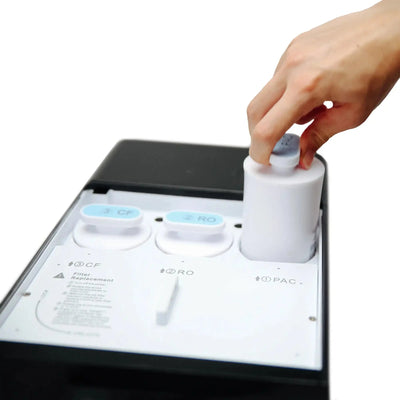
- Maintain the system on schedule, because expired cartridges are not a treatment plan.
If there is no drinking-water notice and your utility says finished water is unaffected, you may still choose a better drinking-water setup for taste, broader filtration, or peace of mind. Just keep the categories separate: official notice response first, everyday water-quality upgrade second.
The same logic applies if you live near a lake but use city water. Your tap water may come from a different source, a treated source, or a blended system. The utility report and current notice tell you more than the view out your window.
If you use a vacation home, cabin, or seasonal property, add one more step before assuming the water is normal: confirm the source and recent service history. Seasonal homes may sit unused, wells may need inspection, and point-of-use cartridges may be past their rated life before anyone notices. A bloom notice nearby does not prove tap-water impact, but it is a good reminder to stop guessing and check the actual water path into the house.
Keep pets, outdoor use, and drinking water in separate buckets too. Many bloom notices are about recreation or pet exposure near surface water, not finished tap water. A filter choice for your kitchen should be based on drinking-water facts.
For ongoing planning, keep a small water file for your home: source type, utility name or well details, recent notices, lab results if you have them, and the manuals for any point-of-use system. Bloom season can move quickly, and a clear file keeps you from relying on memory when a notice changes. It also helps you ask better questions: whether the notice applies to finished tap water, whether the utility has posted follow-up results, and whether your filter has documentation for the toxin named in the notice.
How RKIN Can Fit After the Advisory
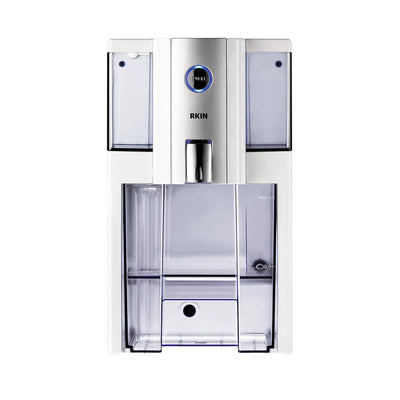
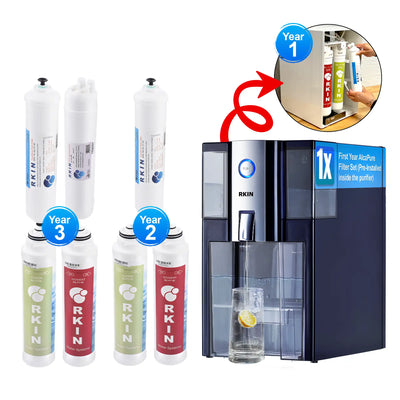
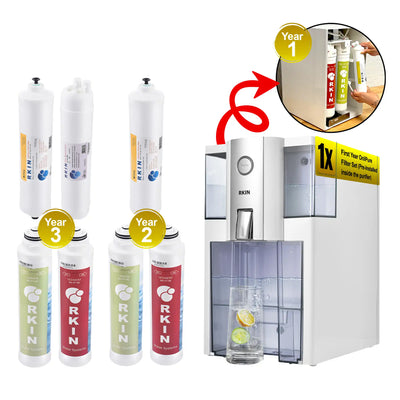
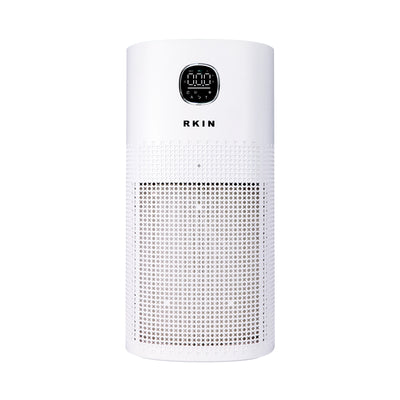
For homeowners who want a drinking-water RO option without plumbing changes, the RKIN Zero Installation Purifier Countertop Reverse Osmosis Water Filter is designed for countertop use. It can fit apartments, rentals, and kitchens where drilling or under-sink work is not the right option.
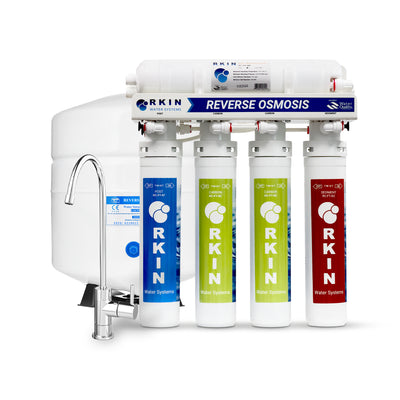
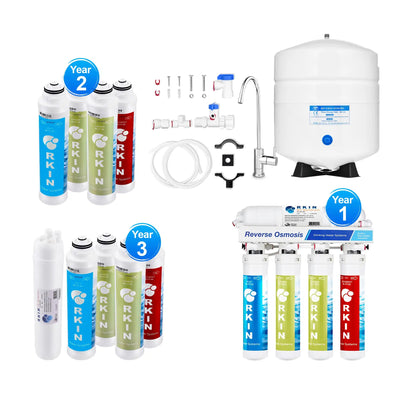
For homeowners who prefer a dedicated faucet, the RKIN Flash Undersink RO System is the installed drinking-water RO path. It is meant for households that want filtration at the kitchen sink with an under-sink layout.
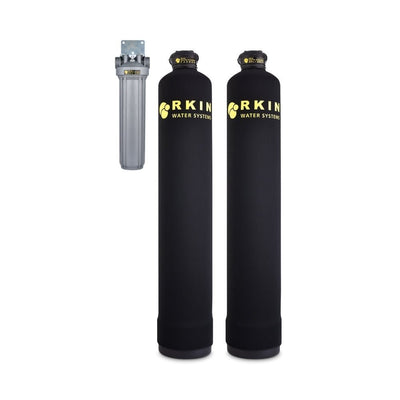
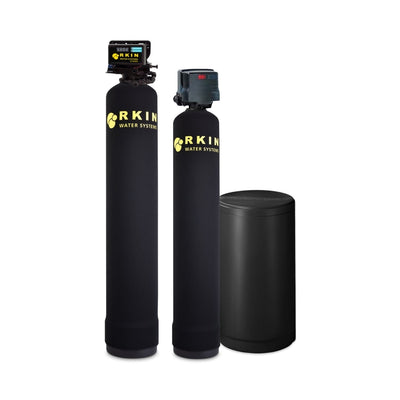
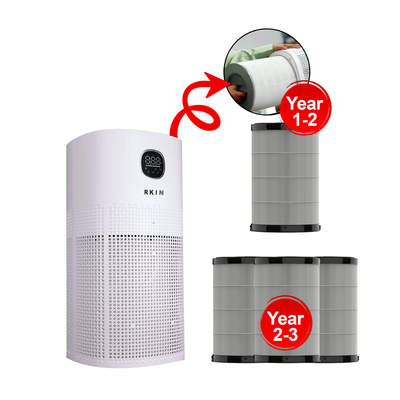
If your concern is a home-wide source-water problem, start with RKIN Whole House Water Treatment and a water test. Whole-home treatment, drinking-water RO, and source-water fixes each have a different role. If an official algae-toxin notice is active, follow that notice before relying on any home equipment.
Use This Advisory Response Sequence
Save the full notice rather than relying on a social post or headline. Instructions can differ for drinking, cooking, bathing, pets, and ice, and those details may change as testing continues.
If any wording is unclear, call the utility or health department listed on the notice. A filter purchase should never substitute for a direct answer during an active public-health instruction.
- Verify the affected service area and the notice timestamp.
- Follow the exact use restrictions, including instructions for ice and cooking.
- Discard water or ice only when the authority directs you to do so.
- Wait for an official all-clear before returning to normal use.
- Afterward, compare any treatment claim with the named contaminant and an independent standard.
Keep the emergency decision separate from a later equipment decision. That distinction prevents a product label from being treated as an official safety determination.
Frequently Asked Questions
Should I boil water during a cyanotoxin advisory?
Do not assume boiling is appropriate. Follow the exact utility or health-department notice because boiling may not be the instructed response for cyanotoxins.
Can I tell whether cyanotoxins are present by taste or smell?
No. Appearance, taste, and odor are not a reliable home test. Use official notices and qualified laboratory information.
Does a standard refrigerator filter solve a cyanotoxin notice?
A generic refrigerator filter claim is not enough. During an advisory, follow official instructions instead of relying on an unverified cartridge.
When should I discuss a home treatment system?
After immediate restrictions are clear, identify the named contaminant, source-water situation, and independently verified reduction claim before comparing equipment.
What information should I save from the notice?
Save the affected area, date and time, restricted uses, source agency, contact information, and the conditions for an all-clear.
Plan Treatment Only After the Immediate Question Is Clear
When the advisory is over, RKIN can help you compare drinking-water treatment layouts without treating a product as a substitute for public guidance. Start with your source, the contaminant named in the notice, and the exact reduction evidence available for the system.






0 comments