


countertop reverse osmosis no plumbing
Do I Need a Plumber to Install Reverse Osmosis? Guide

You may need a plumber for an under-sink reverse osmosis system when the job requires a new faucet hole, drain connection, or plumbing changes. A no-plumbing countertop RO system does not need that installation.
A 2024 EPA water filter fact sheet tells homeowners to choose a filter based on the substances they want to reduce and maintain it as directed. Start by matching the water goal to an installation you can live with, not by drilling before you know what fits.
Start With the Type of Reverse Osmosis System
Reverse osmosis is the filtration method. Installation is the housing choice. Those two ideas get mixed together online, and that is where the confusion starts.
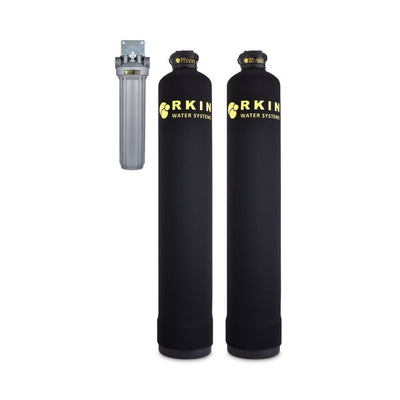
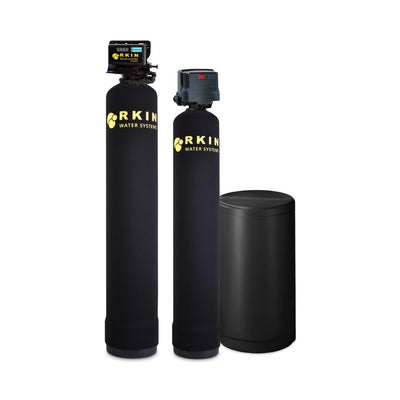
A countertop reverse osmosis system sits on the counter and avoids permanent plumbing changes. Some models connect to a faucet while others use a fill tank. An under-sink reverse osmosis system usually connects to the cold-water line, sends treated water to a faucet, and routes reject water to the drain. A whole-home reverse osmosis setup is a larger project that treats water for the entire house and should be handled as a designed plumbing job.
The Water Quality Association explains reverse osmosis as a process that uses pressure to move water through a semi-permeable membrane, reducing many dissolved substances. That membrane work is separate from the question of whether your sink cabinet has space, whether your countertop can accept a faucet hole, and whether local code calls for a specific drain connection.
So the first question is not, "Can I install RO?" It is, "Which kind of RO am I considering?"
When You Probably Need a Plumber
You probably need a plumber if the install requires cutting, drilling, moving supply lines, altering the drain, adding a new faucet hole in stone, or solving low-pressure and leak concerns. A careful DIY homeowner can do many under-sink installs, but the cost of a mistake is usually water damage, not just a slow afternoon.
Hire help if any of these are true:
- Stone countertop drilling is required: Granite, quartz, marble, and other hard surfaces are easy to damage without the right tools.
- The drain connection is not clear: RO reject water needs a proper path. Do not improvise a drain connection because the parts look close.
- The shutoff valve is old or stuck: If the cold-water shutoff will not close cleanly, pause before starting.
- You see corrosion, swelling, or past leaks: Fix the plumbing problem before adding a new device.
- Your home has unusual plumbing: Older homes, shared plumbing walls, and tight cabinet layouts can turn a simple install into a custom one.
This is not about talking you out of under-sink RO. It is about knowing where the line is. If I were installing in my own house and had to drill a new faucet hole through stone, I would use a pro. If the hole already existed and the cabinet plumbing was clean, I would judge the install by the instructions and my comfort level.
When DIY Can Make Sense
DIY can make sense when the system is designed for homeowner installation, the instructions are clear, the cold-water connection is standard, there is an existing faucet hole or accessory opening, and you can shut off the water without forcing old valves.
Before starting, do a dry fit. Place every tank, tube, filter, faucet, and fitting where it will sit. Close the cabinet door. Check that the garbage disposal, pull-out trash bin, cleaning supplies, and drawer slides still work. Many installation regrets are not about leaks. They are about buying a system that technically fits but makes the cabinet annoying to use.
Also check your water pressure and source water. For city water, read your annual Consumer Confidence Report. The EPA explains Consumer Confidence Reports as yearly reports from community water systems that summarize detected contaminants and compliance information. For private wells, the EPA private wells guidance reminds homeowners that they are responsible for testing and maintenance.
A good DIY install starts with a water shutoff test and ends with a leak check. Turn the system on slowly. Watch every connection. Check again after the first tank fill, after the first day, and after normal use starts. If something looks off, stop and fix it before hiding it behind cleaning bottles.
What Does Not Work as an Installation Plan
Do not buy an under-sink RO system and assume every sink has the same layout. Cabinet depth, drain height, disposal position, shutoff-valve style, faucet-hole access, and countertop material all matter.
Do not drill first and read later. The faucet location needs to clear the sink, sprayer, soap dispenser, backsplash, windowsill, and cabinet hardware below. A hole in the wrong place is permanent.
Do not route drain tubing to whatever opening is nearby. The system instructions and local plumbing rules matter. If the drain setup is unclear, get help before running water through it.
Do not choose a system only because it avoids a plumber. Installation ease matters, but filtration claims, replacement filters, warranty support, and the water problem you are solving matter too. The right system is the one you can install, maintain, and trust for your actual water.
How to Choose Between Countertop and Under-Sink RO
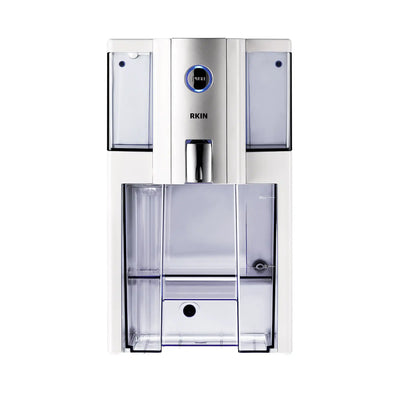
If you rent, move often, have a tight cabinet, or do not want to modify plumbing, countertop reverse osmosis is usually the first lane to review. It keeps the decision reversible. You can get RO drinking water without asking a landlord, drilling a countertop, or rearranging the under-sink cabinet.
If you own the home, want a dedicated faucet, have cabinet space, and are comfortable with a plumbing connection, under-sink RO can be a clean long-term setup. It keeps the counter clear and can feel more built in. The trade-off is installation. You may need a faucet hole, drain connection, tank space, and periodic filter access inside the cabinet.
Here is the simpler way to sort it:
- Choose countertop RO first if you want no permanent plumbing changes, live in an apartment, or want the easiest path.
- Choose under-sink RO first if you own the sink area, want a dedicated faucet, and have a clean install path.
- Call a plumber first if drilling, old valves, drain routing, or water pressure questions make you unsure.
The goal is not to prove you can DIY. The goal is to avoid a filter purchase that creates a plumbing project you did not want.
RKIN Options for Different Installation Comfort Levels
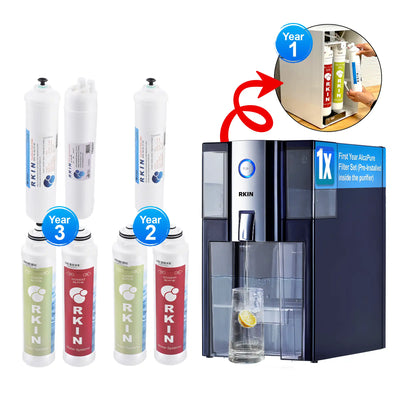
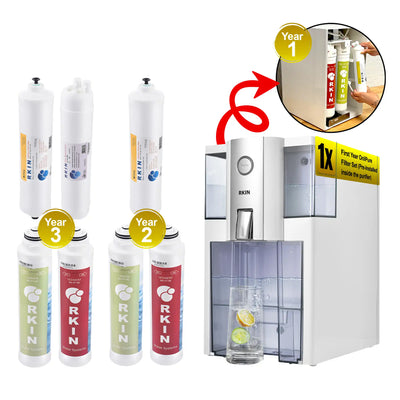
This is what the Zero Installation Purifier Countertop Reverse Osmosis Water Filter is designed for: reverse osmosis drinking water without a permanent under-sink install. It is a practical fit for renters, offices, families that do not want to drill, and homeowners who want RO without turning the sink cabinet into a job site.
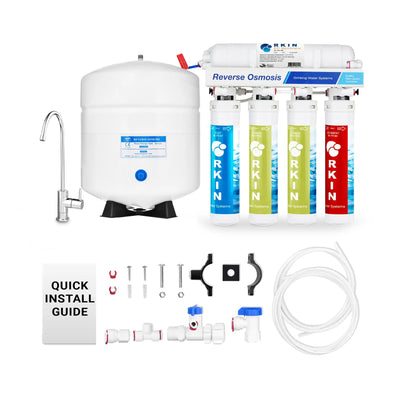
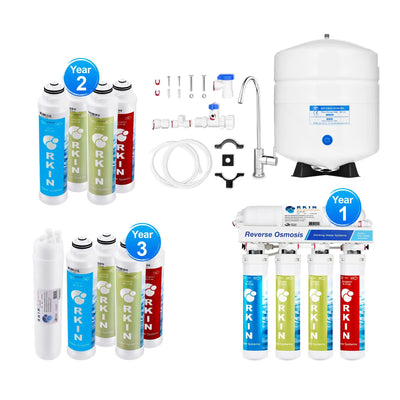
If you prefer an under-sink setup, the RKIN Flash Undersink RO System is the RKIN lane to review. It is built for homes where an under-sink connection makes sense and the buyer wants a dedicated RO faucet setup.
The right choice depends on your home. If your sink area is clean and you want a built-in look, review the RKIN Flash Undersink RO System. If the installation question is the blocker, start with the Zero Installation Purifier Countertop Reverse Osmosis Water Filter and keep the plumbing out of it.
Quick Pre-Install Checklist
Before ordering any RO system, answer these questions. They will save time and may prevent a return, a damaged countertop, or a half-finished install.
- What water problem am I solving? Taste, chlorine, PFAS concerns, dissolved solids, or general drinking-water confidence?
- Do I have permission to modify the sink area? Renters should check this before considering under-sink options.
- Is there an existing faucet hole? Soap-dispenser holes often help, but only if the location works.
- Can I shut off the cold-water valve? Test it gently before installation day.
- Where will replacement filters be accessed? Leave room to service the system later.
- What is the support path? Choose a brand that can help with filters, parts, and setup questions.
If you cannot answer those yet, do not guess. Take photos under the sink, read the product instructions, and ask support before you buy.
Frequently Asked Questions
Do I need a plumber to install reverse osmosis?
You may not need a plumber for a countertop reverse osmosis system or a simple under-sink install with a clear faucet hole and standard plumbing. You should use a plumber if drilling, drain routing, old valves, leaks, tight cabinet space, or local code questions are involved.
Can reverse osmosis be installed without drilling?
Yes, if you choose a countertop reverse osmosis system designed for no permanent plumbing changes. Many under-sink systems need a dedicated faucet, which may require an existing hole or a new one. Check the product design before you assume drilling is required.
Is under-sink reverse osmosis better than countertop reverse osmosis?
Not always. Under-sink RO can keep the counter clear and provide a built-in faucet. Countertop RO is better when you want no plumbing changes, rent your home, or want a simpler setup. The better choice is the one that fits your water needs and your installation limits.
What should I check before installing an RO system?
Check water pressure, cabinet space, cold-water shutoff, drain access, faucet-hole location, filter replacement access, and the contaminants you want to reduce. Read your city water report or test private well water before choosing a system.
Which RKIN system is best if I do not want plumbing work?
Start with the Zero Installation Purifier Countertop Reverse Osmosis Water Filter. It is built for RO drinking water without a permanent under-sink install. If you want a dedicated faucet and have a suitable sink area, review the RKIN Flash Undersink RO System.
Ready to Get RO Without Guessing?
Reverse osmosis should solve a water problem, not create a plumbing surprise. Decide first whether you want a no-install countertop setup or a built-in under-sink system.
Review the Zero Installation Purifier Countertop Reverse Osmosis Water Filter if you want RO without permanent plumbing, or compare it with the RKIN Flash Undersink RO System if your sink is ready for an under-sink install.





0 comments