




do water softeners remove PFAS
Do Water Softeners Remove PFAS? What Homeowners Need

A water softener can make hard water easier to live with, but it is not a PFAS filter. That distinction matters because “do water softeners remove PFAS?” is exactly the kind of question homeowners ask when they already have one system in the garage and do not want to buy the wrong second piece.
The short answer: traditional ion-exchange water softeners are designed for hardness minerals, mainly calcium and magnesium. PFAS are a different class of chemicals. If PFAS reduction is the goal, look at treatment technologies that are designed and tested for PFAS, such as certain activated carbon systems, ion exchange systems made for PFAS, and reverse osmosis drinking-water systems.
Why PFAS Is Back in the Water Conversation
PFAS stands for per- and polyfluoroalkyl substances, a large group of chemicals that persist in the environment. The EPA explains that PFAS have been used in many consumer and industrial products, which is why they can show up in water sources, soil, and other places.
In 2024, EPA finalized the first national drinking water regulation for several PFAS compounds. That does not mean every home has the same risk, and it does not mean a homeowner should panic. It does mean PFAS has moved from a niche water topic into a mainstream homeowner question.
If you are on city water, your annual water quality report is the place to start. The EPA’s Consumer Confidence Report resource explains how public water customers can find local reporting. If you are on a private well, you are responsible for testing; the EPA’s private well guidance says owners should test regularly and after events that may affect the well.
Once you know PFAS is a concern, the next step is choosing treatment that matches PFAS, not just “better water” in general.
What a Water Softener Actually Does
A standard water softener targets hardness. Hard water contains dissolved calcium and magnesium. Those minerals can leave scale on fixtures, spots on glassware, buildup inside water heaters, and residue that makes soap feel less effective.
Most traditional softeners use ion exchange. Hardness minerals are exchanged for sodium or potassium ions as water passes through the resin bed. Salt-free conditioners use a different approach: they do not remove hardness minerals in the same way, but they are designed to reduce scale behavior so minerals are less likely to stick to surfaces.
That is useful work, but it is not the same as contaminant filtration. Hardness treatment is about scale. PFAS reduction is about removing or reducing specific chemical compounds from water. A system can be good at one and not built for the other.
This is why homeowners get tripped up. A product can make water feel better, reduce scale, or improve appliance conditions without being a drinking-water purifier. The label, test data, and technology matter.
Why Softeners Are Not PFAS Filters
PFAS compounds are not calcium or magnesium. They do not behave like ordinary hardness minerals, so a standard softener should not be treated as a PFAS solution. If a water report or well test shows PFAS, the question becomes: which treatment has reduction data for the specific PFAS compounds of concern?
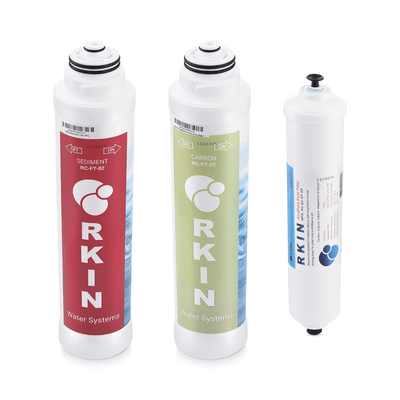
EPA has reviewed PFAS treatment approaches, including granular activated carbon, ion exchange resins, and high-pressure membrane systems such as reverse osmosis and nanofiltration. The agency’s PFAS treatment technology overview explains that different technologies work in different ways and require proper design, operation, and maintenance.
For a homeowner, that means two things.
First, do not assume your water softener is handling PFAS unless the manufacturer provides specific PFAS reduction data for that system. “Whole house water treatment” is not a single technology.
Second, decide whether you need PFAS reduction at the whole-house level or only for drinking and cooking water. Many homeowners choose a drinking-water reverse osmosis system for the kitchen, then use a separate whole-house system for scale, sediment, chlorine, taste, odor, or other concerns.
Whole-House Treatment vs Drinking-Water Treatment
PFAS decisions often come down to scope. Whole-house treatment addresses all water entering the home. Drinking-water treatment focuses on the tap you use for drinking, coffee, cooking, and bottles.
Whole-house PFAS reduction may make sense when testing shows a clear issue and the household wants treated water at every fixture. That kind of system should be chosen carefully, sized correctly, and maintained on schedule. Media exhaustion matters. Flow rate matters. Water chemistry matters.
Drinking-water reverse osmosis is often simpler for homeowners who want to focus on water they consume. Reverse osmosis is a point-of-use approach, usually installed under the sink or used as a countertop system. It can be a strong choice when paired with tested reduction claims and routine filter changes.
This is not an either-or decision for every house. A homeowner with hard water may use a conditioner or softener to manage scale, then use reverse osmosis for drinking water. A homeowner with chlorine taste may use carbon filtration for the home and reverse osmosis at the kitchen sink. The right setup depends on test results, plumbing, space, maintenance preferences, and whether the water is city or well supplied.
Where RKIN fits when PFAS and hard water overlap
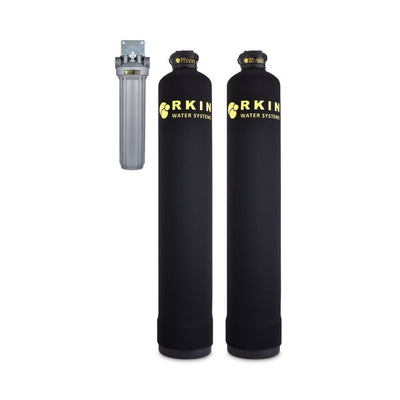
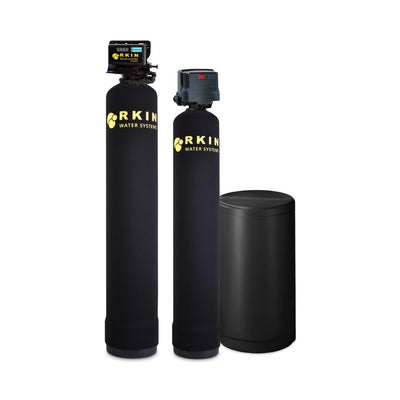
If hard water is the confirmed issue, the RKIN whole-house water treatment collection includes salt-based softeners that remove calcium and magnesium through ion exchange and OnliSoft salt-free conditioners that condition hardness minerals to help prevent scale adhesion. OnliSoft does not remove hardness or act as a PFAS filter.
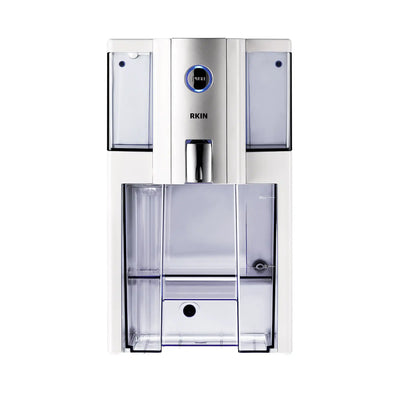
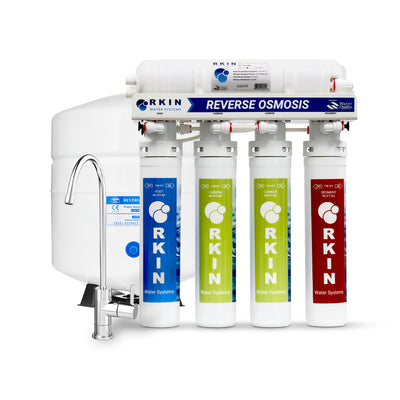
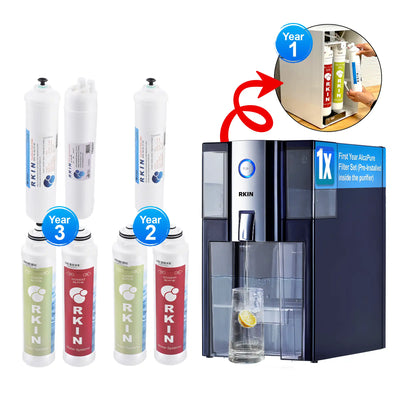
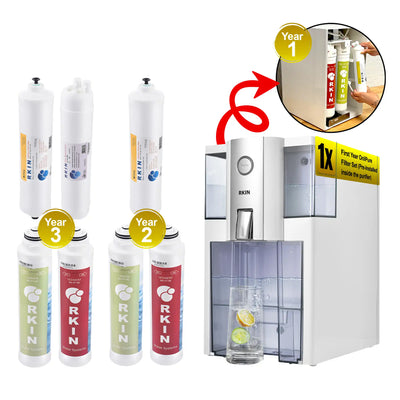
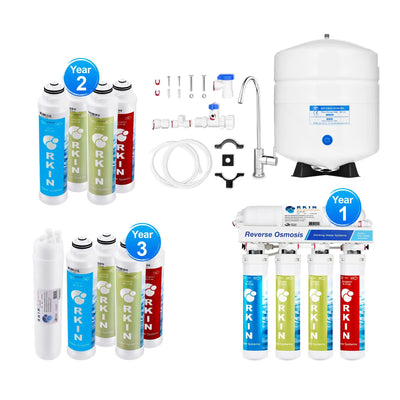
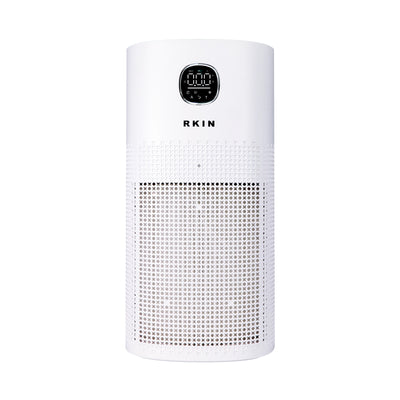
For a separate drinking-water setup, RKIN offers countertop and under-sink RO layouts. The RKIN Flash Undersink RO System has a 3.2-gallon tank and an NSF/ANSI 58 certified RO membrane; the certification applies to that component, not to verified PFAS performance for the complete system. The Zero Installation Purifier requires no plumbing, but its current verified certification sentence does not name PFAS. Ask for current model-specific PFAS documentation before choosing either system for that contaminant.
The important point is matching the system to the job. Use scale treatment for scale. Use tested filtration or reverse osmosis for contaminant reduction. Do not ask one device to solve a problem it was not built to solve.
What to Do if You Suspect PFAS
Start with data. If you are on municipal water, read your Consumer Confidence Report and check whether your utility has posted PFAS updates. If you are on a private well, use a certified lab and ask for PFAS testing specifically; a basic bacteria or hardness test will not answer the PFAS question.
Next, decide what water you want to treat. If your goal is drinking and cooking water, look at point-of-use reverse osmosis first. If your goal is every tap in the home, talk with a water professional about whole-house treatment and maintenance requirements.
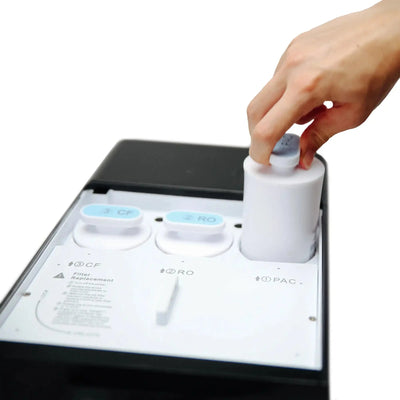
Then check the product claims. Look for specific contaminant reduction information, not vague phrases. Ask how often filters or media must be changed, what happens when media is exhausted, and whether your water pressure and flow rate fit the system.
Finally, keep your hard-water plan separate from your PFAS plan. It is fine to have both, but they are different jobs.
Frequently Asked Questions
Do water softeners remove PFAS from water?
Standard water softeners are not designed to remove PFAS. They target hardness minerals such as calcium and magnesium. If PFAS reduction is your goal, look for treatment technologies with PFAS-specific reduction data, such as certain activated carbon, PFAS-focused ion exchange, or reverse osmosis systems.
What type of filter removes PFAS?
PFAS reduction depends on the exact system and testing, but EPA discusses granular activated carbon, ion exchange resins, and high-pressure membrane systems such as reverse osmosis as PFAS treatment technologies. Homeowners should compare tested reduction claims, maintenance needs, and whether the system treats the whole home or only drinking water.
Can I use a water softener and reverse osmosis together?
Yes. Many homes use one system for scale control and another for drinking-water filtration. A softener or salt-free conditioner can address hard-water scale, while a reverse osmosis system treats water at the kitchen tap. The systems solve different problems.
Is PFAS a city water issue or a well water issue?
It can be either. Public water customers should review local water quality reports and utility updates. Private well owners are responsible for testing their own water. If PFAS is a concern, ask a certified lab for PFAS testing; a standard hardness test will not answer it.
Should I treat PFAS at the whole-house level?
It depends on your test results, goals, plumbing, and maintenance budget. Some homeowners focus on drinking and cooking water with a point-of-use reverse osmosis system. Others choose whole-house treatment when testing and household needs support it. The decision should start with a water test.
Ready to Match the System to the Problem?
If hard water and PFAS are both on your mind, separate the jobs first. Start with RKIN’s whole-house water treatment collection for a verified hardness problem, and require current model-specific PFAS data for any separate drinking-water system.






0 comments