


does a water filter remove lead
Does a Water Filter Remove Lead From Old Pipes at Home?

Yes, the right water filter can reduce lead in drinking water. The catch is that “water filter” is too broad. You need a system certified or tested for lead reduction, installed at the right point, and maintained on schedule.
Lead is a plumbing problem before it is a filter problem. The EPA says lead can enter drinking water when plumbing materials that contain lead corrode, especially in older homes and older service lines. That means the first question is not “Which filter is best?” It is “Where is the lead getting in?”
Why old pipes can add lead to tap water
Lead is not usually coming from the water plant. It usually gets into water after municipal filtration, while the water is sitting in a lead service line, lead solder, older brass fixture, or plumbing part that contains lead.
The EPA says lead pipes are more likely in older cities and homes built before 1986. Even homes without lead service lines can have brass or chrome-plated brass faucets and plumbing with lead solder. You can read the EPA's lead basics here: Basic Information about Lead in Drinking Water.
That is why two houses on the same street can have different results. Same city water. Different plumbing. One home may have a lead service line. Another may have copper plumbing with older solder. Another may have newer plumbing and no lead issue at the tap.
The water chemistry matters too. Water that is more corrosive can pull more metal from plumbing. Utilities manage corrosion control at the system level, but the final result still depends on the materials between the main and your glass.
First: find out if lead is actually present
Do not buy equipment based on age alone. Older plumbing raises the odds, but testing confirms the problem.
Start with two checks:
- Identify whether your home may have a lead service line.
- Test the water at the tap you actually drink from.
The EPA has a step-by-step tool called Protect Your Tap that helps homeowners check for lead service lines and find testing resources: Protect Your Tap: A Quick Check for Lead.
For water testing, use a certified lab if you are making a buying decision. A lab result can show whether lead is present, and in what amount. Ask for instructions on first-draw and flushed samples. A first-draw sample shows what happens after water sits in the plumbing. A flushed sample can help separate plumbing-contact issues from water-source issues.
The reason this matters: if the first-draw sample is high and the flushed sample drops, stagnant water in plumbing may be the main issue. If both samples are high, you may need a deeper look at the service line, plumbing materials, or filtration plan.
What does not remove lead reliably
Some habits help reduce exposure, but they are not the same as a lead-rated filter.
Boiling is the big one. The EPA states plainly that boiling water does not remove lead. If anything, boiling can concentrate some dissolved contaminants because water evaporates and the contaminant stays behind.
Letting water run can reduce lead in some situations, especially after water has been sitting in pipes for hours. The EPA recommends flushing taps as one protective step. But flushing is not a filter, and it can waste water. It also does not solve a lead service line or an older fixture.
Basic taste-and-odor filters are another point of confusion. A filter that improves chlorine taste may not be built for lead. Look for lead reduction specifically. If the packaging or product page does not say lead reduction and does not name a relevant certification or test standard, do not assume it handles lead.
What kind of water filter removes lead?
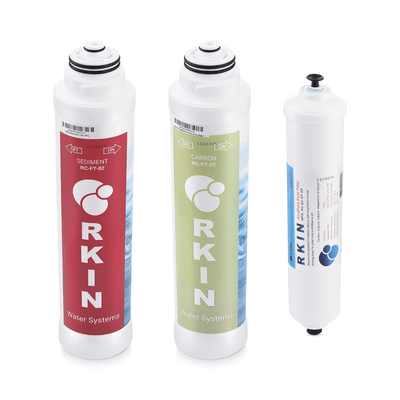
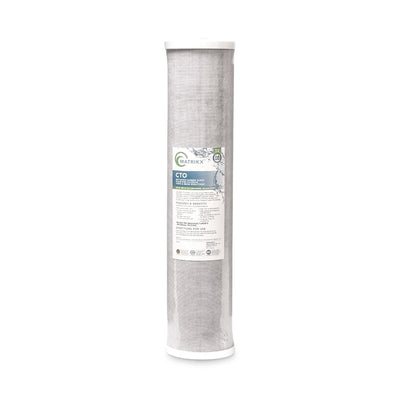
For drinking water, the most common lead-reduction options are certified activated carbon block filters, reverse osmosis systems, and certain specialty cartridges. The key is not the category name alone. The key is whether that exact system has lead-reduction testing or certification.
When comparing filters, look for:
- A clear lead-reduction claim tied to the specific product.
- Certification or third-party testing details, not vague “heavy metals” language.
- A replacement schedule you can actually follow.
- A flow rate that fits how you use the tap.
- Installation that matches the risk point: drinking tap, refrigerator line, or whole home.
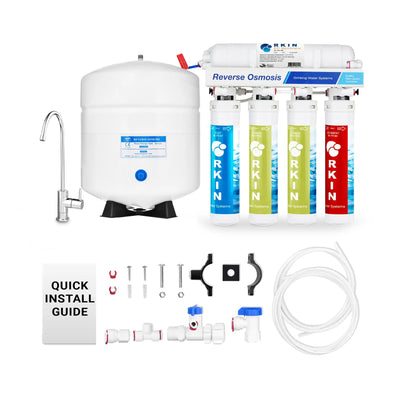
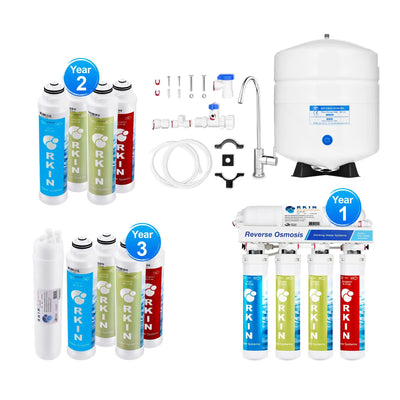
Reverse osmosis is often a strong fit for drinking water because it filters water at the point of use and targets a wide range of dissolved contaminants. Carbon block filters can also be effective when designed and certified for lead reduction. Pitcher-style filters vary widely, so read the specific claim rather than assuming the category performs the same.
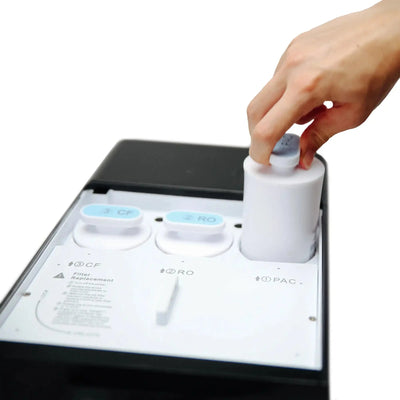
One more practical point: a filter only works while it is maintained. Lead reduction depends on contact time, media condition, and cartridge life. Running an expired cartridge is like relying on a full sponge to catch more water. It may still look fine from the outside, but it is no longer doing the same job.
Point-of-use or whole-house: which fits lead?
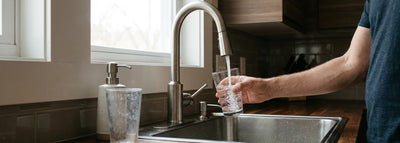
Lead is usually a drinking-water priority first. That makes point-of-use filtration the most direct path for many homes. Filter the water where you drink, cook, make ice, or mix beverages.
A whole-house system can make sense when the problem is broader than one drinking tap, or when you are combining lead reduction with other whole-home concerns. But if the lead source is inside the house, a whole-house filter installed after the point where lead enters may not solve every fixture. Placement matters.
Here is the simple diagnostic:
- If your concern is drinking and cooking water, start with point-of-use filtration and lab testing.
- If your home has a known lead service line, talk to the utility or a licensed plumber about replacement options.
- If multiple contaminants show up in testing, choose filtration based on the full lab report, not lead alone.
- If the issue is fixtures, replace the fixture instead of trying to filter around it.
There is no right way or wrong way. In my house, I would not filter the whole house first if the only confirmed issue is lead at one drinking tap. I would test, protect the drinking-water point, and then decide whether plumbing replacement or broader filtration is needed.
Where RKIN fits
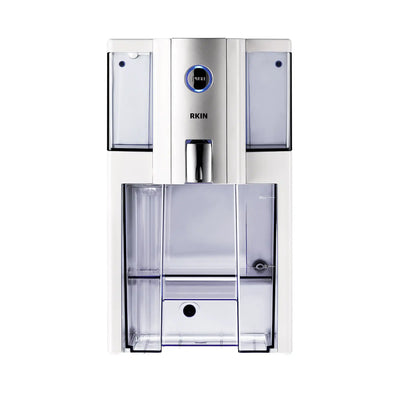
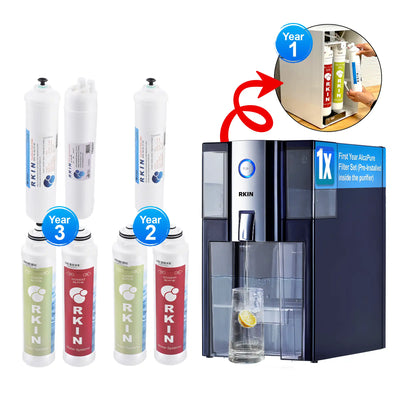
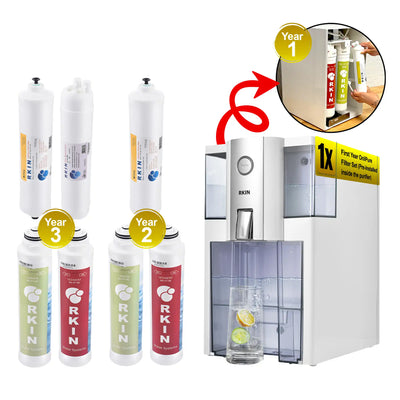
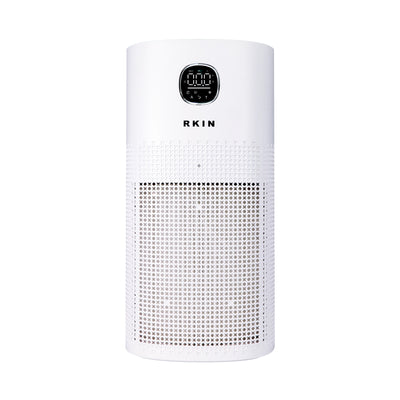
For drinking-water lead concerns, the RKIN U1 4-in-1 Water Filter System is a countertop reverse osmosis system. It is designed for homes that want point-of-use drinking water filtration without under-sink installation. The RKIN U1 4-in-1 Water Filter System sits on the counter, uses a fill tank, and does not mount under the sink.
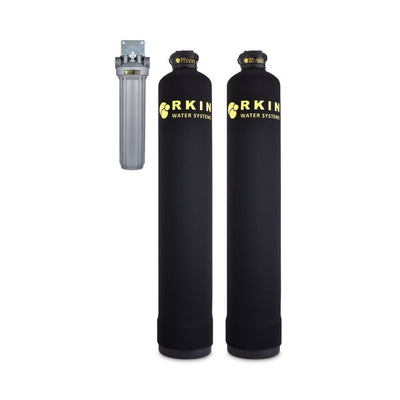
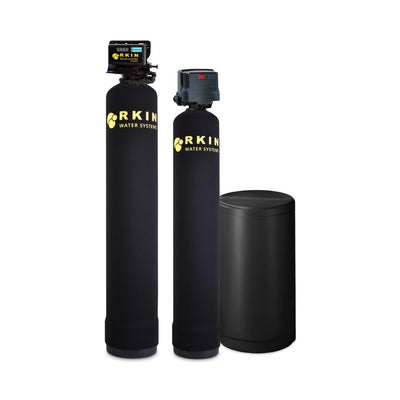
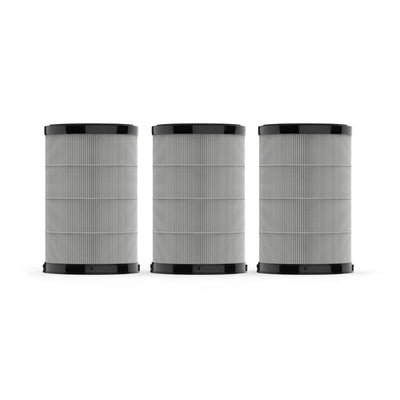
For homes that need a whole-home lead/cyst/PFAS cartridge approach, RKIN also offers the RKIN OP1L Certified Whole House Lead and Cyst Removal System. That product is a different type of solution: whole-house, cartridge-based, and aimed at water before it reaches fixtures.
The right choice depends on the test result and where the lead is entering. If the lab result points mainly to one drinking tap, point-of-use RO may be the cleanest fit. If the plumbing or service-line setup points to a whole-home issue, a whole-house option may deserve a closer look.
How to reduce lead risk while you decide
If you are waiting on a lab result or plumber visit, you can still take practical steps from EPA guidance.
Use cold water for drinking and cooking. Hot water can pick up more metals from plumbing. If water has been sitting for several hours, flush the tap before using it for drinking water. Clean faucet aerators because small particles can collect there. Check whether your utility has a lead service line inventory or customer lookup tool.
Do not use boiling as a lead fix. The EPA is clear on that point. And do not rely on taste. Lead does not have a reliable taste, smell, or color warning at the tap.
If your home has a confirmed lead service line, filtration can reduce what you drink, but replacement is still the root fix. A filter is a protection step. It is not a plumbing repair.
Frequently Asked Questions
Does boiling water remove lead?
No. The EPA says boiling water does not remove lead from water. If lead is a concern, use cold water, flush according to EPA guidance, test the tap, and use a filter specifically certified or tested for lead reduction.
What is the best filter for lead in drinking water?
The best filter is one that is specifically certified or third-party tested for lead reduction and installed where you drink or cook. Reverse osmosis and certified carbon block systems are common options, but the exact product claim matters more than the category name.
Can a refrigerator filter remove lead?
Some refrigerator filters are certified for lead reduction and some are not. Check the exact model number and certification. If the filter only mentions taste, odor, or chlorine, do not assume it reduces lead.
Should I use a whole-house filter for lead?
Sometimes, but not always. If lead is mainly entering from one drinking fixture, point-of-use filtration may be more direct. If testing or plumbing inspection points to a broader whole-home issue, a whole-house lead-rated system may make sense.
How do I know if my home has lead pipes?
Use your utility's service-line inventory if available, inspect visible service-line material where water enters the home, and use the EPA's Protect Your Tap guide. A licensed plumber can also help confirm plumbing materials.
Ready to Filter Lead at the Tap?
Start with a lab test and the EPA's service-line check. If the concern is drinking water, the RKIN U1 4-in-1 Water Filter System gives you countertop reverse osmosis without under-sink installation.
Test first. Then choose the filter that matches the result.





0 comments