


is tap water worse in summer
Is Tap Water Worse in Summer? What Heat Does to It

You pour a glass of water in July and it tastes faintly of a swimming pool. Or it has a flat, earthy note that was not there in February. You are not imagining it. Tap water genuinely changes through the summer, and the reasons are physical, biological, and seasonal. None of them mean your utility is failing — but they do explain why warm-weather water can taste and smell different, and why summer is the season more households start paying attention to what comes out of the faucet.
Why Summer Changes Your Water
Most of what you notice in summer traces back to a single fact: water gets warmer, and warm water behaves differently from cold water.
Source water temperature rises as lakes, reservoirs, and rivers absorb summer heat. Warmer water holds less dissolved oxygen, accelerates biological activity, and reacts differently with the chemicals used in treatment. By the time that water travels through miles of distribution pipe in 90-degree heat, it can arrive at your tap noticeably warmer — and chemically different — than the same water in winter.
Demand also spikes. Lawn watering, pools, and higher household use mean water moves through the system faster in some places and sits longer in others. Both extremes affect quality. Faster movement can stir up sediment in older mains; slower movement in low-use stretches lets disinfectant fade and lets water warm further before it reaches you.
Algae, Taste, and That Musty Smell
The most common summer water complaint is an earthy, musty, or moldy taste and smell. The usual culprit is a pair of compounds called geosmin and 2-methylisoborneol (MIB), produced by algae and bacteria that bloom in warm surface water.
Here is what makes them frustrating: the human nose can detect geosmin and MIB at concentrations as low as a few parts per trillion. They are not considered a health hazard at the levels found in treated water, but they are almost impossible to ignore. Conventional treatment does not always remove them, which is why a utility can be fully compliant and still deliver water that tastes like a lake bottom in August.
Warm-season algae blooms have also become a broader water-quality story. The EPA notes that harmful algal blooms have increased in frequency in many U.S. lakes and reservoirs, driven by nutrient runoff and warming water. Most affect surface water sources directly, and utilities monitor for them — but they are one more reason summer water can behave unpredictably.
Chlorine, Disinfection Byproducts, and Pipes
Summer changes water chemistry in two more ways worth understanding.
First, chlorine. Utilities often adjust disinfectant levels in warm months because heat and higher biological activity make it harder to keep the system protected all the way to the last house on the line. More noticeable chlorine taste and smell at the tap is a common result.
Second, disinfection byproducts. When chlorine reacts with natural organic matter in water — and there is more organic matter around in summer — it forms compounds known as disinfection byproducts, including trihalomethanes. The EPA regulates these, and well-run systems stay within limits, but seasonal organic loading can push the typical summer levels higher than winter levels.
Then there are your own pipes. Warmer water is slightly more chemically active and can interact more readily with plumbing materials, especially in homes with older pipes or fixtures. If water sits in hot indoor plumbing for hours during the day, it has more contact time with whatever those pipes are made of before you draw it.
What Doesn't Fix It
Faced with summer water that tastes off, most people try the obvious things — and most of those things fall short.
- Refrigerating it. Chilling water masks an off taste without removing what causes it. The geosmin, chlorine, or byproducts are still there; they are just colder.
- Boiling it. Boiling kills microbes but does not remove dissolved chemicals like disinfection byproducts, and it does nothing for taste-and-odor compounds.
- Bottled water. It works as a stopgap, but it is a recurring cost, it generates plastic waste, and it is not always higher quality than filtered tap water.
- Basic pitcher filters. They help with chlorine taste but vary widely on dissolved contaminants and often have short cartridge life — meaning they fade fastest in the high-use summer months.
What Actually Keeps Summer Water Clean
The reliable fix for season-to-season variability is filtration that does not depend on the season at all.
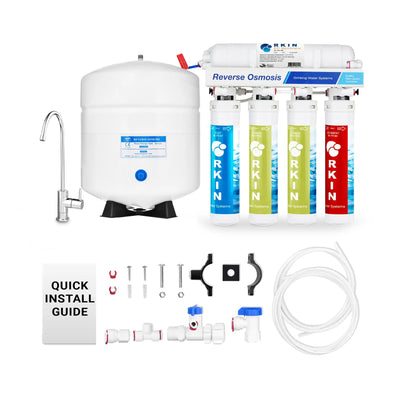
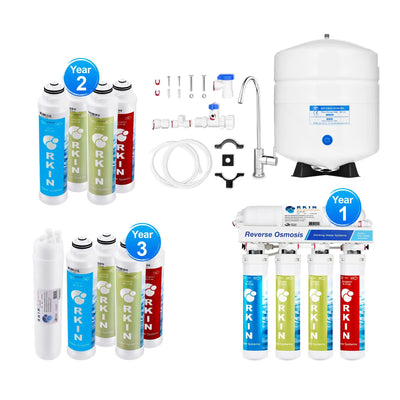
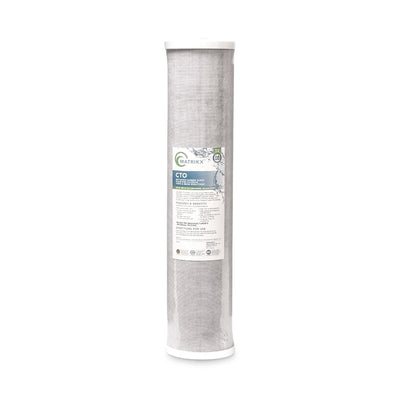
A multi-stage system with activated carbon and a reverse osmosis membrane addresses the summer problem from both directions. Activated carbon adsorbs the chlorine, geosmin, and MIB responsible for taste and odor. The reverse osmosis membrane physically separates dissolved contaminants — including disinfection byproducts and a broad range of other substances — by pushing water through pores too small for them to pass.
The advantage of this approach is consistency. Your source water can warm up, your utility can adjust chlorine, an algae bloom can come and go, and a well-maintained RO-and-carbon system keeps treating the water the same way it did in January. When you are choosing one, look for independent third-party testing and certification to standards such as NSF/ANSI 58 for reverse osmosis and NSF/ANSI 42 for taste and odor reduction.
A Countertop System Built for This
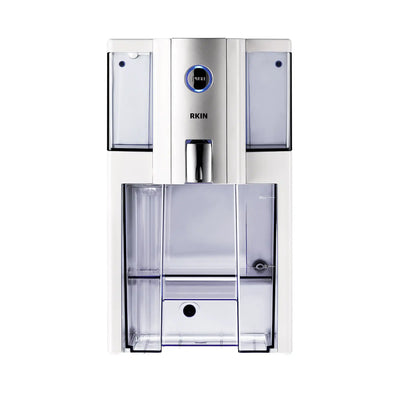
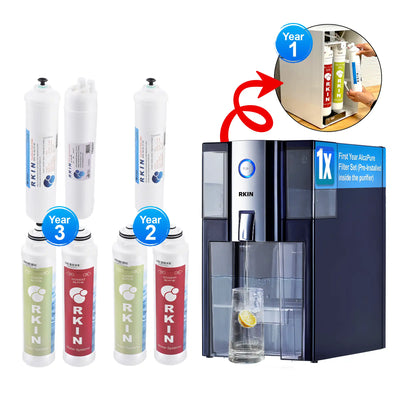
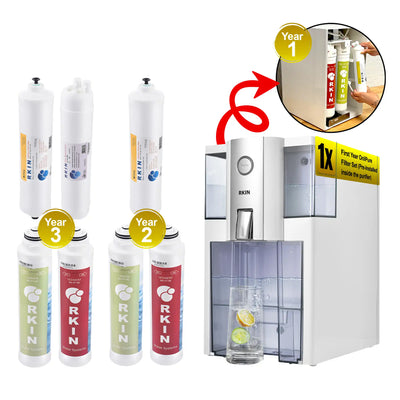
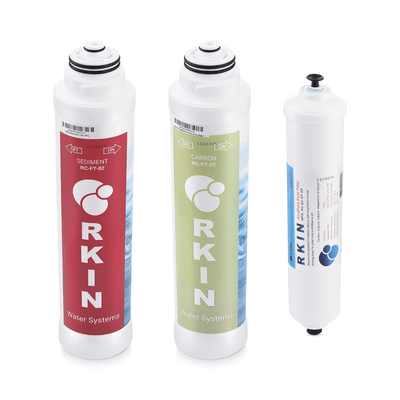
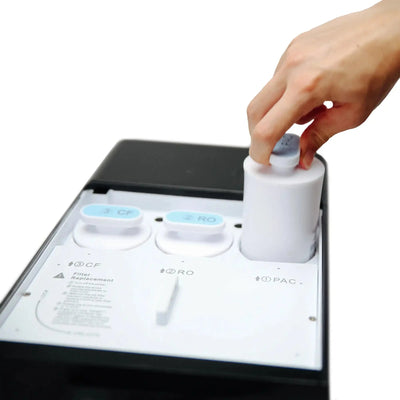
The Zero Installation Purifier Countertop Reverse Osmosis Water Filter is designed for exactly this kind of consistency. It runs five stages — sediment, carbon, a 75 GPD reverse osmosis membrane, and a post-filter — so it handles both the taste-and-odor compounds that spike in summer and the dissolved contaminants behind them.
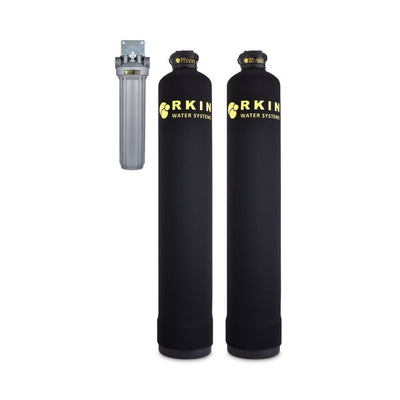
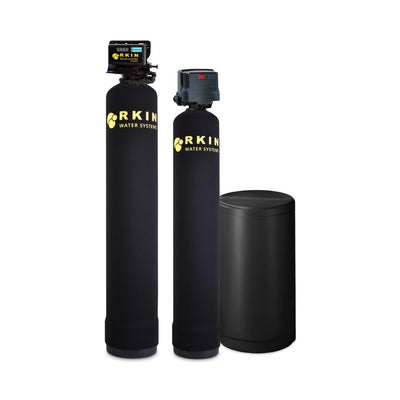
Because it requires no installation, it connects to your faucet and sits on the counter — no plumbing work, no drilling. It comes in an AlcaPure edition that adds calcium and magnesium back and raises pH to 7–8, and an OnliPure edition that reduces total dissolved solids to near zero. If a whole-home approach fits your situation better, the whole house water treatment range covers point-of-entry options. See current specs and pricing at rkin.com.
Frequently Asked Questions
Is tap water worse in summer?
Tap water is not necessarily unsafe in summer, but it often changes. Warmer source water, seasonal algae blooms, adjusted chlorine levels, and higher organic matter can all affect taste, smell, and chemistry. A utility can remain fully compliant and still deliver water that tastes different in August than in February.
Why does my water taste musty or earthy in summer?
That taste usually comes from geosmin and 2-methylisoborneol (MIB), compounds released by algae and bacteria that bloom in warm surface water. The human nose detects them at extremely low concentrations. They are not considered a health hazard at typical treated-water levels, but they are very noticeable and hard for conventional treatment to fully remove.
Why is there more chlorine smell in summer?
Utilities often raise disinfectant levels in warm months because heat and higher biological activity make it harder to keep the whole distribution system protected. More noticeable chlorine taste and odor at the tap is a common result. A carbon filtration stage reduces it effectively.
Does boiling summer tap water make it safer?
Boiling kills bacteria and viruses, which can matter during a boil-water advisory. But it does not remove dissolved chemicals such as disinfection byproducts, and it does not fix taste-and-odor problems. For those, you need filtration.
Should I drink bottled water in summer instead?
Bottled water works as a short-term stopgap, but it is a recurring expense, creates plastic waste, and is not guaranteed to be higher quality than filtered tap water. A certified home filtration system gives you consistent water quality through every season.
Does reverse osmosis help with summer water problems?
Yes. A reverse osmosis system paired with activated carbon addresses both summer issues at once — carbon adsorbs the chlorine and taste-and-odor compounds, and the RO membrane separates dissolved contaminants. Because it does not depend on the season, it keeps treating water consistently year-round.
Drink the Same Clean Water All Year
Summer water shifts with the heat — earthy taste, stronger chlorine, more organic load — and chilling or boiling it only hides the problem. The fix is filtration that treats your water the same way no matter what the season does to it.
The Zero Installation Purifier Countertop Reverse Osmosis Water Filter brings five-stage reverse osmosis filtration to your counter with no plumbing and no installation. See current specs and pricing at rkin.com.





0 comments