


countertop reverse osmosis for renters
Mold in Water Filter Pitcher? What to Do Next at Home

If you found mold in a water filter pitcher, stop using it until you clean it and check whether the filter, lid, and reservoir can be safely kept. The pitcher did not fail because you are careless. It failed because damp plastic, room-temperature storage, and slow use are an easy setup for growth.
The EPA's mold guide explains the basic rule: mold grows where moisture is present. A pitcher lives in moisture by design. That means the real question is not just how to clean it once. It is whether the setup fits your daily routine.
Why Does Mold Show Up in a Water Filter Pitcher?
A water filter pitcher has several places that stay damp: the lid, the pour spout, the upper reservoir, the filter seat, and the gasket areas. If the pitcher sits half-full for days, goes back and forth from fridge to counter, or gets refilled before all parts dry, those small damp corners can become the problem.
Summer makes it easier to notice. Warm apartments, shared kitchens, office break rooms, and old building ventilation can all leave a pitcher sitting in humid air. A fridge can slow growth, but it does not make a neglected lid self-cleaning. If the lid is hard to take apart, people also avoid cleaning the exact spot that needs it most.
The other issue is habit friction. A pitcher only works if you keep it filled, keep it cold if that is your preference, clean it on schedule, and replace filters before they become a mystery. If you hate cold water, dislike waiting for a pitcher to refill, or forget the lid in the fridge door, the system starts losing to bottled water even if the filter itself is fine.
That is the part most product pages skip. A filter you avoid using already lost.
What Should You Do First?
Start with the safe practical step: stop drinking from the pitcher until it is cleaned. Empty the water. Remove the filter if the manufacturer says it should be removed before washing. Wash the pitcher, lid, reservoir, and reachable parts with hot soapy water. Use the brand's care instructions for anything that touches the filter or seal.
Then inspect the parts before putting it back together:
- Lid and spout: Look for dark spots, slime, or film in seams and hidden edges.
- Reservoir: Check corners where water waits before passing through the filter.
- Filter seat: Look for trapped particles or staining around the filter connection.
- Plastic condition: Cracks, clouding, rough scratches, and odor can make cleaning less reliable.
- Filter age: If you cannot remember when it was changed, replace it.
If a part cannot be cleaned fully, replace that part or replace the pitcher. Me personally, I would not try to save a pitcher lid that has growth inside a sealed seam. In my house, if I cannot see it and clean it, I do not want it touching drinking water.
When Cleaning Is Not Enough
Cleaning can fix a one-time lapse. It does not fix a design that does not match how you live. That is where a lot of renters get stuck. The pitcher looks like the easy choice because it is cheap, small, and allowed in an apartment. Then the daily details show up.
A pitcher can be the wrong fit if you regularly run out before work, dislike the taste after it sits in the fridge, need more water for cooking, share a kitchen with roommates, or want room-temperature water without leaving the pitcher on the counter. The filter may be doing some taste-and-odor work, but the storage habit becomes the weak point.
The EPA's 2024 water filter fact sheet also reminds homeowners to match a filter to the substances they want to reduce and maintain it as directed. Pitcher filters are not all the same. Some focus mainly on chlorine taste and odor. Others may have different claims. The label matters, and so does whether you will keep up with the care schedule.
If you are already buying bottled water because the pitcher feels gross, slow, or annoying, the real cost is not just the filter cartridge. It is the habit falling apart.
What Does Not Work as a Long-Term Plan
Do not rinse the lid quickly and assume the problem is gone. Mold and film often hide in the parts you do not see from the top.
Do not keep using an old filter because the water still looks clear. Visual clarity is not proof of performance. Filters are rated for a certain use pattern, and once you lose track, you no longer know what the filter is doing.
Do not solve pitcher mold by switching straight to bottled water without a plan. Bottled water can feel convenient at work, in the car, and in an apartment kitchen, but it creates its own storage, hauling, and waste routine. It also does not teach you anything about the water coming from your tap.
Renters should start with a system that treats the water they actually drink and stays within the lease rules. In most apartments, that means avoiding permanent plumbing changes, a dedicated faucet, or whole-home equipment.
How Countertop Reverse Osmosis Changes the Habit
Reverse osmosis is different from a basic pitcher filter because it uses pressure and a membrane to reduce many dissolved substances. The Water Quality Association describes RO as a process that moves water through a semi-permeable membrane to reduce dissolved solids. It is a drinking-water treatment method, not just a storage container.
For apartment renters, the housing matters as much as the technology. A countertop system can avoid drilling, permanent faucet changes, and landlord approval issues. It also helps with the routine problem: instead of a pitcher that sits in the fridge with a damp lid, you use a station built for repeated filling and dispensing.
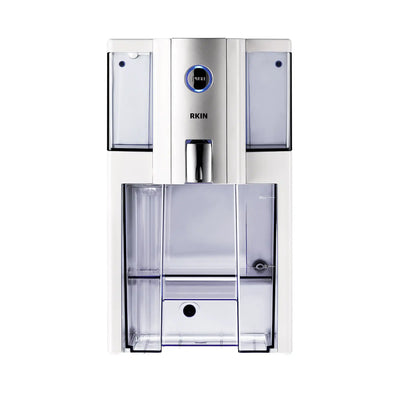
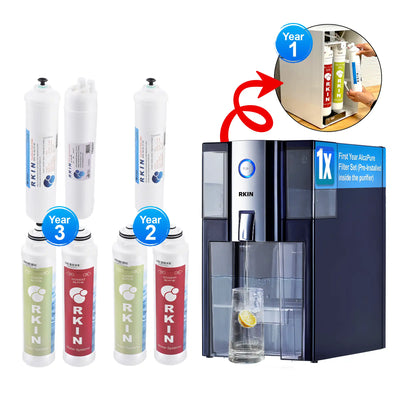
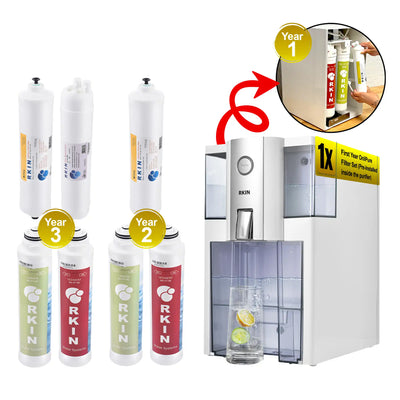
This is what the Zero Installation Purifier Countertop Reverse Osmosis Water Filter is designed for: reverse osmosis drinking water without a permanent plumbing project. It is a practical fit for renters, apartments, condos, and households that want RO at the counter without modifying the sink cabinet.
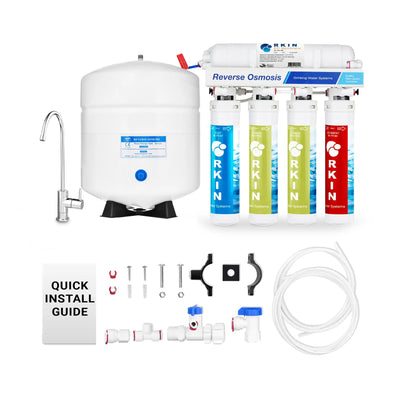
If your kitchen has almost no counter space or faucet compatibility is the sticking point, the RKIN U1 4-in-1 Water Filter System is another countertop path. It uses a fill-tank design, so it can fit kitchens where connecting to a faucet is not the right move. The point is not to buy the largest system. It is to pick the system you will actually use every day.
How to Keep Any Drinking-Water Setup Cleaner
No filter removes the need for care. The goal is to make the care obvious, simple, and hard to ignore. Whether you keep a pitcher or move to countertop RO, use a short routine.
- Set a cleaning day: Pick one day a week to wash visible water-contact parts.
- Track filter changes: Write the date on a calendar or phone reminder.
- Do not top off forever: Empty, clean, and restart instead of endlessly adding water.
- Watch storage temperature: Avoid leaving filled pitchers in warm rooms for long stretches.
- Inspect before guests or trips: If the system sat unused, clean before returning it to service.
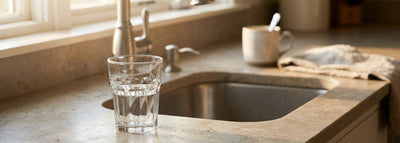
The reason this matters is simple: a clean-looking glass starts with a clean routine. If a product makes that routine too easy to skip, it may not be the right product for your house.
Frequently Asked Questions
Is mold in a water filter pitcher normal?
It is common enough that homeowners search for it, but it should not be treated as normal drinking-water use. A pitcher stays damp, and the EPA notes that mold grows where moisture is present. Stop using the pitcher until you clean it and inspect the parts.
Can I clean a moldy water filter pitcher and keep using it?
Sometimes, if the manufacturer allows the parts to be washed and you can fully clean the affected areas. If growth is inside a seam, gasket, or hidden cavity you cannot clean, replace the part or the pitcher.
Should I replace the filter after finding mold?
Yes, if the filter was installed while the pitcher had visible growth, odor, or film. Also replace it if you cannot remember the change date. Do not guess with something that directly touches drinking water.
Is countertop reverse osmosis better than a pitcher for renters?
It can be a better fit when the problem is daily use. A countertop RO system avoids permanent plumbing changes while treating drinking water at the counter. If the pitcher keeps losing to bottled water, the easier routine may matter more than the filter size.
Do I need a whole-house filter for an apartment?
Usually no. Renters normally cannot modify main plumbing, and whole-house systems are built for owned homes. For apartment drinking water, start with point-of-use filtration at the kitchen and match it to your water report or test result.
Ready to Replace the Pitcher Routine?
If your pitcher is clean, easy to maintain, and you actually use it, keep it. If it keeps growing film, running empty, or pushing you back to bottled water, switch the routine. Start with the Zero Installation Purifier Countertop Reverse Osmosis Water Filter for no-permanent-plumbing RO at the counter.




0 comments