


flooded well water test
Private Well Water After Flooding: Testing Checklist

A flooded well is not a "wait and see" water problem. If storm water reached the well cap, covered the casing, or changed the taste, color, or odor at the tap, you need a test before you choose a filter.
The reason is simple: private wells are different from city water. The CDC explains that private wells are not regulated, treated, or monitored by officials. The homeowner is responsible for testing and maintenance. The EPA also says well owners should test immediately when flooding, construction, repairs, odor, color, or taste changes occur. After a hurricane, tropical storm, flash flood, or heavy runoff event, that advice matters.
Start with the well, not the filter
Floodwater can carry sediment, bacteria indicators, fertilizer runoff, fuel residue, septic overflow, and other debris across a yard. If that water enters a well through a cracked cap, low casing, damaged seal, or submerged electrical equipment, the first question is not "which filter do I need?" The first question is "what got in?"
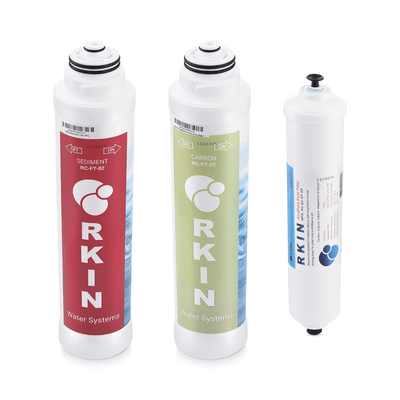
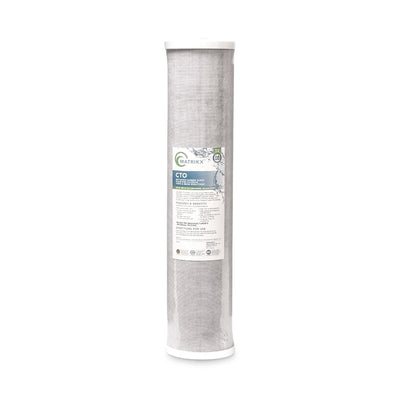
That distinction saves money and prevents bad decisions. A carbon filter may help taste and odor. A sediment filter may catch sand, silt, and rust flakes. A reverse osmosis system may be right for dissolved contaminants at a drinking water tap. None of those choices replace a certified lab result after a flood.
EPA's private well guidance gives homeowners a practical testing baseline: total coliform bacteria, nitrates, total dissolved solids, and pH at least once a year, with extra testing when conditions around the well change. Flooding is one of those changes. If the well is near agriculture, septic systems, a fuel tank, a workshop, a roadway, or a known local groundwater issue, the test panel may need to be broader.
If the well was submerged, do not use the water like normal until you get local guidance. The EPA says to stay away from flooded well pumps, get help from a well or pump contractor, clean and disinfect the well, then test. That is not overkill. Electrical hazards and contaminated water can show up at the same time after a storm.
What to test first after flooding
Your local health department or state certified drinking water lab should guide the exact panel, because groundwater concerns vary by county. For most homes, the first round should answer five questions.
- Did surface water enter the well? Test total coliform and E. coli. These are indicator organisms, not a complete map of every possible germ, but they tell you whether surface contamination may have reached the well.
- Did runoff add fertilizer or septic influence? Test nitrate and nitrite. This matters for homes near farms, lawns, septic drain fields, or low areas where water pools.
- Did the flood stir minerals or sediment? Test turbidity, total dissolved solids, iron, manganese, hardness, and pH. These results help you choose prefilters, conditioners, or whole home treatment later.
- Is the water corrosive after the event? Test pH, alkalinity, lead, and copper if your plumbing age or lab guidance points that way. Flooding does not have to touch every pipe to change the water chemistry moving through the home.
- Were there chemical sources nearby? If the well is near fuel storage, a landfill, a dry cleaner, industrial activity, pesticide use, or a flooded garage, ask the lab what volatile organic compounds, pesticides, metals, or PFAS tests make sense.
Do not guess your way through this list. The EPA specifically tells well owners to use certified laboratories and local health departments. A store strip can be useful for quick hardness or pH screening, but it is not enough evidence after a flooded well.
What does not work after a flooded well
Clear water does not prove the well is fine. Bacteria indicators, nitrate, and many dissolved contaminants can be present without a dramatic color or smell. The opposite is also true: brown or cloudy water may be mostly sediment, but you still need testing to know what else moved with it.
Boiling is not a universal fix. It may be part of emergency local guidance for certain biological concerns, but it does not remove nitrate, metals, fuel chemicals, PFAS, or total dissolved solids. For some dissolved contaminants, boiling can leave the contaminant behind as water evaporates.
Buying the biggest whole home filter first can also miss the point. If bacteria is confirmed, the well may need disinfection and retesting before a filter conversation is useful. If the water has heavy sediment, a prefilter may be needed before carbon. If total dissolved solids are high at the kitchen tap, point-of-use reverse osmosis may fit. The test result decides the order.
A practical storm checklist for private wells
After floodwater recedes, take the steps in this order.
- Keep people away from the well pump and wiring until it is inspected.
- Photograph the wellhead, cap, visible damage, and flood line for your own records.
- Call your local health department, state drinking water lab, or a licensed well contractor.
- Do not collect samples until the lab tells you how. Sample bottles, timing, and storage matter.
- If the well must be disinfected, follow contractor or health department instructions and retest afterward.
- Keep using bottled water or another known source until the lab and local authority say the well is ready for normal use.
The timing matters. Some problems show up right away. Others appear after pumping resumes or after the aquifer shifts. If the first result is unclear, repeat testing is normal.
Where filtration fits after the test
Once you know the problem, filtration becomes much easier to plan.
For heavy sediment, sand, or visible particles, a whole home sediment stage can protect plumbing and downstream equipment. For iron, manganese, sulfur odor, or staining, the treatment depends on the measured level, pH, and whether bacteria indicators are present. For hardness and scale, a conditioner or softener decision should come after a hardness number, not before.
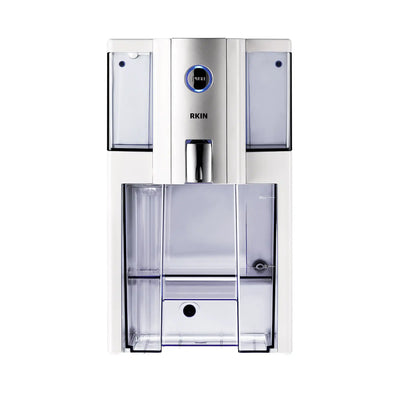
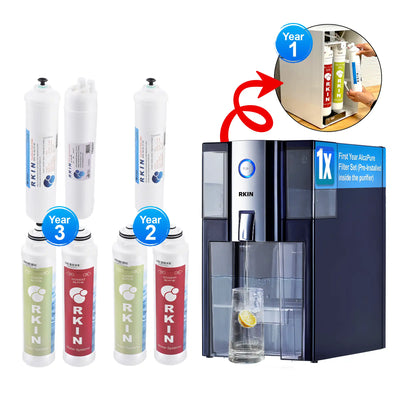
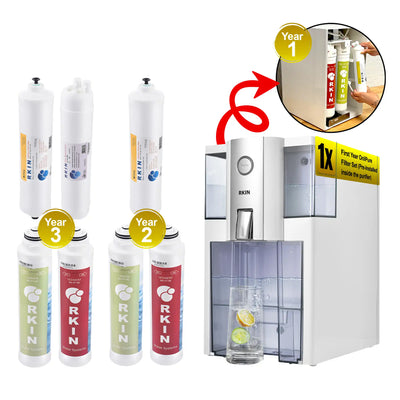
For drinking water concerns at the kitchen tap, reverse osmosis is often the more targeted tool. The RKIN Zero Installation Purifier Countertop Reverse Osmosis Water Filter is designed for homes that want point-of-use RO without plumbing changes. The RKIN U1 4-in-1 Water Filter System is another countertop option for drinking water when a fixed plumbing installation is not the right fit.
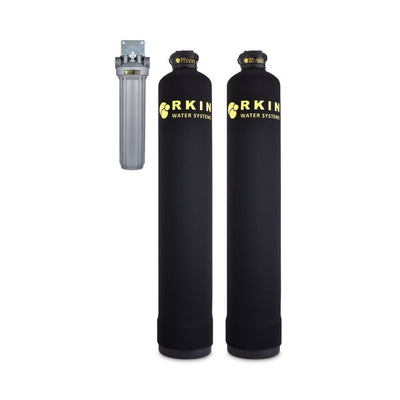
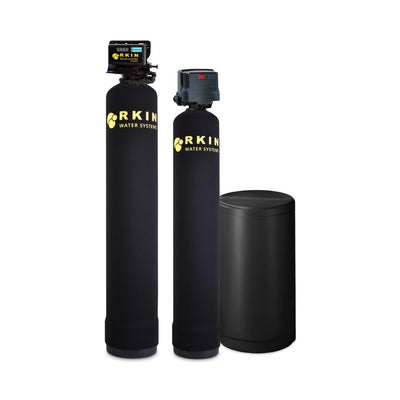
For treatment before water reaches every faucet, start with the RKIN whole house water treatment collection and your lab report. Whole home treatment is a system design question. Flow rate, well pump capacity, contaminant levels, and maintenance access all matter.
Why one test is not always enough
A post-flood lab result is a snapshot. It tells you what was in the sample at that moment, from that sample point, using that test method. That is still useful, but it does not mean the well is set forever.
Retest if the water changes again, if the well cap or casing is repaired, if you disinfect the well, or if your health department recommends follow-up sampling. Retest after major nearby land changes, road work, new construction, septic repair, or repeated flooding. Private well owners do not get a utility notice when something changes underground.
Keep the results in a folder. A trend over time is far more useful than one loose number. If iron climbs every rainy season, that points in one direction. If coliform appears only after a cap problem, that points in another. If total dissolved solids changes sharply after a storm, that deserves a closer look.
Me personally, I would test the well after the flood and use the lab result before choosing treatment.
Frequently asked questions
Can I shower with well water after flooding?
If the well was flooded or may be contaminated, follow your local health department's guidance before using the water for drinking, bathing, cooking, or washing. EPA guidance says not to drink or wash from a flooded well until it has been inspected, cleaned or disinfected when needed, and tested.
How soon should I test well water after a flood?
Contact your local health department or certified lab as soon as floodwater recedes and the well can be inspected safely. The lab will tell you when to sample, how to collect it, and whether repeat testing is needed after disinfection or pumping.
What should a flooded well water test include?
Common first tests include total coliform, E. coli, nitrate, nitrite, pH, total dissolved solids, turbidity, iron, manganese, and hardness. Add chemical tests when nearby fuel, agriculture, septic, industrial, or landfill sources may have been affected.
Does a whole house filter make flooded well water safe?
No single filter makes an unknown flooded well ready for use. Test first, then match treatment to the result. Bacteria indicators, nitrate, sediment, iron, PFAS, fuel chemicals, and hardness require different treatment decisions.
Can reverse osmosis help after a flooded well?
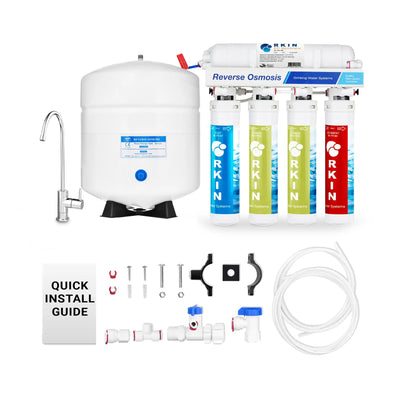
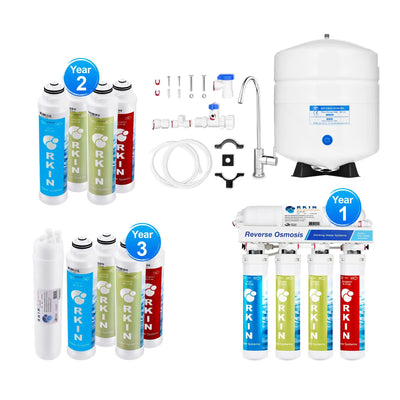
Reverse osmosis can be a useful point-of-use drinking water step for certain dissolved contaminants, but it is not a replacement for well inspection, disinfection when needed, or lab testing. Use the test result to decide whether RO belongs in the plan.
Ready to plan your next step?
If your well was flooded, start with a certified water test. Once you know what is in the water, RKIN can help you match the result to the right drinking water or whole home treatment path.
See the RKIN whole house water treatment options or compare countertop reverse osmosis systems like the RKIN Zero Installation Purifier Countertop Reverse Osmosis Water Filter for drinking water at the tap.





0 comments