




how often test well water
Private Well Water Testing Checklist for Homeowners 2026

Private well water testing should be done at least once a year for basic safety indicators, and more often after flooding, well repairs, nearby construction, a change in taste or odor, or a new baby, tenant, or home purchase. A practical 2026 checklist includes bacteria, nitrate, pH, total dissolved solids, hardness, iron, manganese, sulfur, sediment, and any local concerns such as arsenic, lead, pesticides, solvents, uranium, or PFAS. Test first, then choose treatment based on the report.
Why private well testing is the owner's job
Private wells are different from public water systems. If your home uses a private well, routine testing and maintenance are your responsibility. The U.S. EPA explains that private wells are not federally regulated under the same rules as public drinking water systems, and about 15 percent of Americans, more than 43 million people, rely on private wells. EPA also cites USGS findings that about 1 in 5 private wells had at least one contaminant above a human-health benchmark, according to EPA's Private Drinking Water Wells page, last updated June 3, 2026: EPA Private Drinking Water Wells.
That does not mean every well has a serious problem. It means the only way to know your well's condition is to test it. Water can look clear and still contain nitrate, bacteria, arsenic, or other items that have no obvious taste or smell. On the other hand, water can have staining, odor, or hardness that is mainly a nuisance but still affects plumbing, fixtures, laundry, and appliance life.
A good test plan does two things. First, it checks for basic safety indicators on a routine schedule. Second, it adds tests based on your location, geology, land use, plumbing, and recent events. A farm area, coastal property, older home, mining region, and new subdivision may all need different add-ons.
Annual well water test checklist
Use annual testing as your baseline. Most homeowners should test once a year for total coliform bacteria, E. coli, nitrate, pH, total dissolved solids, and any state or county basics. Many labs and local health departments offer a standard private well package. If your county has a recommended panel, start there.
Bacteria testing is often the first priority because it can change quickly after surface water enters the well, a cap is damaged, flooding occurs, or plumbing work is done. Total coliform is an indicator test, while E. coli points to fecal contamination. Follow the lab's sampling instructions exactly because bacteria bottles are sterile and may include a preservative.
Nitrate is another common annual item, especially near farms, septic systems, fertilized lawns, or areas with sandy soils. Nitrate does not usually announce itself with taste, color, or smell, so testing matters even when the water seems normal.
pH tells you whether water is acidic, neutral, or basic. Low pH can contribute to corrosion and may increase the chance that metals from plumbing enter the water. Total dissolved solids gives a broad reading of dissolved minerals. Hardness tells you how much calcium and magnesium are present, which helps explain scale, soap performance, and spotting.
Keep each year's report. Trends are useful. A one-time number tells you the condition on sample day; a record over time shows whether your well is stable or changing.
What to test when water looks, tastes, or smells different
If the water changes, do not wait for the annual date. Test when you notice a new odor, cloudy water, sediment, metallic taste, salty taste, staining, black particles, orange slime, or sudden scale. Also test after flooding, wildfire runoff, well repairs, pump replacement, pressure tank work, a cracked well cap, nearby excavation, or long periods when the well was not used.
For orange or brown stains, add iron and manganese. Iron commonly leaves rusty, orange, red, or brown marks. Manganese can create black or gray stains. These are often nuisance concerns, but they affect fixtures, laundry, and water treatment choices.
For rotten-egg odor, ask about hydrogen sulfide and related sulfur testing. For tea-colored water, ask about tannins and organic color. For gritty water, check turbidity and sediment. For salty or brackish taste, add chloride and conductivity. If plumbing is older or contains unknown materials, consider lead and copper testing using the sampling method recommended by your lab or local authority.
If your well is near agricultural, industrial, military, landfill, mining, dry-cleaning, or fuel-storage activity, ask your county health department or state environmental agency which local contaminants to include. Common add-ons can include arsenic, uranium, radon, pesticides, volatile organic compounds, petroleum-related compounds, and PFAS.
The best checklist is not the longest list sold online. It is the list that matches your well, your location, and the reason you are testing.
How often to test well water in 2026
A simple schedule works for most homes. Test bacteria, nitrate, pH, and basic chemistry annually. Test after repairs, flooding, changes in water quality, or a long vacancy. Test before buying a home with a private well. Test again after installing treatment to confirm the system is doing what it was selected to do.
Some items do not need annual testing for every home, but they should be checked at least once or on a local schedule. Arsenic, uranium, radon, and other geology-related contaminants can be tied to the aquifer. If they are present in your area, your state or county may recommend periodic retesting. If a prior result was near a guideline or action level, retest more often.
Household changes can also change the schedule. If you are renting out the property, selling the home, changing the well pump, adding irrigation, replacing plumbing, or installing a new pressure tank, testing creates a clear record. If a nearby land use changes, such as new construction, agricultural activity, fuel storage, or a road project, ask local officials whether additional testing makes sense.
For treated water, test both sides when needed. A raw water sample shows what the well is producing. A treated sample shows what reaches the tap. Both are useful when diagnosing equipment, sizing replacement media, or confirming performance.
How to collect a good well water sample
Use the bottles and instructions from the lab. Do not rinse bottles unless the lab says to. Do not touch the inside of caps. Keep samples cold if required. Deliver them within the required hold time, especially for bacteria.
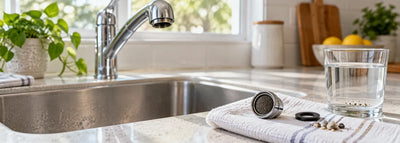
Choose the right faucet. Many labs recommend a cold-water tap without a swivel head, hose, aerator, or treatment device attached. Some tests require removing the aerator and disinfecting the spout. Others require first-draw water from plumbing. Follow the specific instructions for each test because sampling technique can change the result.
Decide whether you are sampling raw or treated water. If you already have equipment, the raw sample may come from a tap before treatment, such as at the pressure tank or a dedicated sample port. The treated sample may come from the kitchen sink or another fixture after the equipment. Label samples clearly.
Write down the date, time, weather, recent well work, and any symptoms such as odor, staining, or cloudiness. If you are testing because of a sudden change, take photos of stains, sediment, or color in a clear glass. Those notes can help a water professional connect the lab report to what you see at home.
Do not buy treatment before the sample is taken unless there is an urgent instruction from a local authority. Installing equipment first can hide the raw water problem and make it harder to choose the right long-term setup.
What your results mean for treatment choices
Testing does not automatically mean you need treatment. Some reports confirm that routine monitoring is enough. Others show nuisance issues such as hardness, iron, manganese, sulfur odor, sediment, or acidic water. Some reveal items that need a targeted plan for drinking water, whole house water, or both.
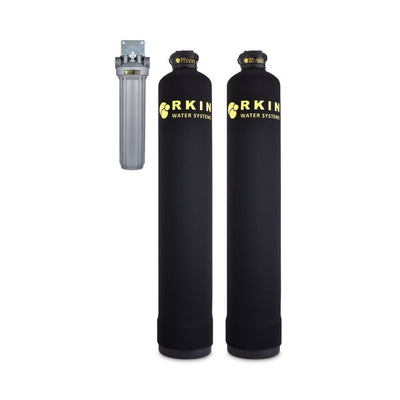
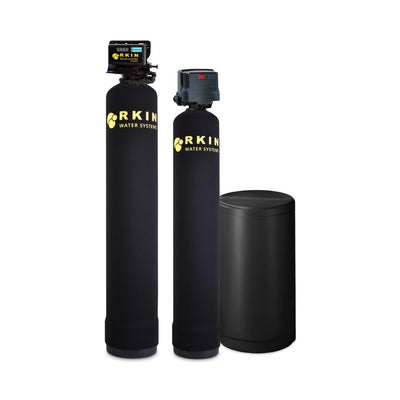
For iron, sulfur, and manganese across the home, a whole house system may be appropriate after the report confirms the water conditions. The RKIN Well Water Whole House Filter is designed for well water concerns including iron, sulfur, and manganese treatment. That kind of system is meant to address water before it reaches fixtures, laundry, showers, and appliances.
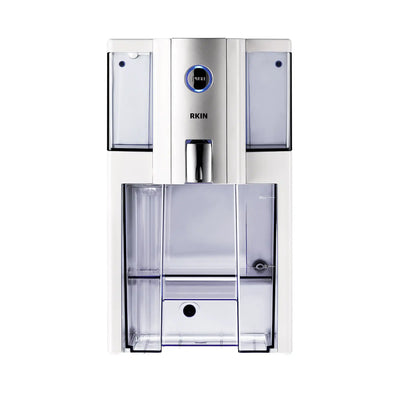
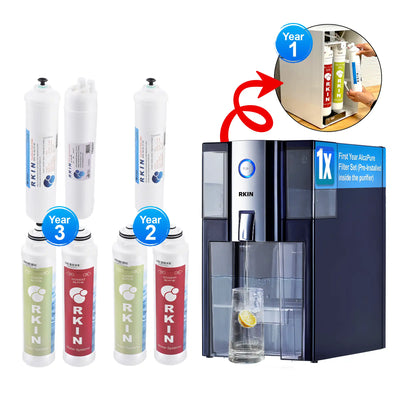
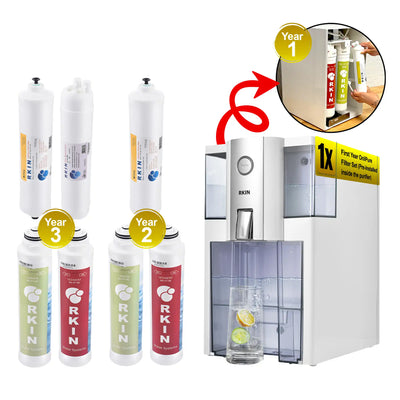
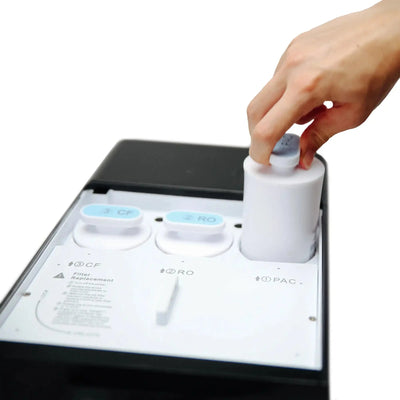
For drinking-water point-of-use needs, such as a kitchen counter solution selected after testing, the RKIN Zero Installation Purifier may be worth reviewing. It is a countertop reverse osmosis system for drinking water use, not a replacement for a whole house well treatment plan when the issue affects every fixture.
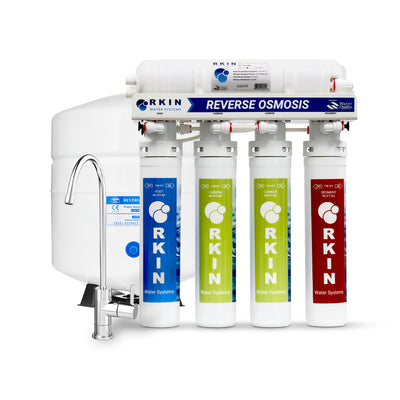
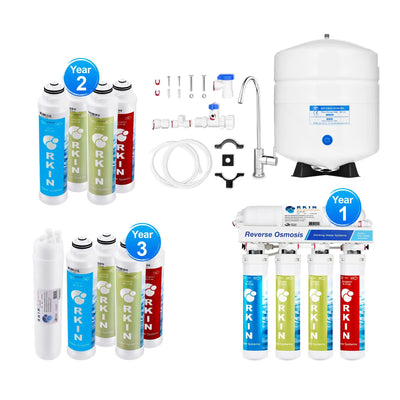
If PFAS is a local concern, test first with a lab that can measure the compounds relevant in your area. EPA notes that activated carbon, ion exchange, and high-pressure membranes such as reverse osmosis can remove PFAS from drinking water, according to its PFAS treatment technology page, last updated February 19, 2026: EPA PFAS treatment technologies. The right choice depends on the compounds found, concentrations, flow needs, and whether the concern is drinking water only or the whole home.
Keep a well file for faster decisions
Create a simple well file. Save lab reports, pump records, well depth, casing details, pressure tank information, treatment manuals, filter change dates, media replacement dates, and service notes. Include photos of the wellhead and treatment setup. Keep the county well log if you have it.
This file saves time when you call a lab, health department, well contractor, plumber, or water treatment specialist. It also helps future buyers or tenants understand the system. More important, it helps you spot changes. If iron was low for years and suddenly jumps, that may point to a well or plumbing change. If bacteria appears after heavy rain, the well cap or surface drainage may need inspection.
Private well care is not complicated when it is organized. Test on schedule, test after changes, match treatment to the report, and keep records. That is the cleanest path from uncertainty to a water plan that fits your home.
FAQ
How often should I test private well water?
Test private well water at least once a year for bacteria, nitrate, pH, and basic chemistry. Test sooner after flooding, well repairs, water quality changes, nearby construction, or before buying a home with a well.
What should I test well water for first?
Start with total coliform bacteria, E. coli, nitrate, pH, total dissolved solids, and hardness. Add iron, manganese, sulfur, sediment, metals, arsenic, PFAS, or other local concerns based on your location and symptoms.
Are private wells regulated by EPA?
Private wells are not federally regulated the same way public water systems are. EPA states that private well owners are responsible for testing and maintaining their own wells.
Should I test before buying a water filter?
Yes. Testing before buying treatment helps you choose the right system and avoid equipment that does not match your water chemistry or flow needs.
When should I test for PFAS in well water?
Consider PFAS testing if your area has known PFAS concerns, nearby sources, or guidance from local or state officials. Use a qualified lab and choose treatment only after results are known.
Do I need both whole house and drinking water treatment?
It depends on the report. Whole house treatment may make sense for issues affecting fixtures and appliances, such as iron, manganese, sulfur, hardness, or sediment. Point-of-use drinking water treatment may make sense for specific tap-water concerns.
Ready to build a well water plan around facts? Start with current private well water testing, then review the RKIN Well Water Whole House Filter or RKIN Zero Installation Purifier only if your results point to those treatment needs.





0 comments