




drinking water
Remineralized RO Water TDS: What the Reading Means

Short answer: remineralized RO water can show a higher TDS reading because minerals were added back after filtration. That number is not automatically bad. A TDS meter measures dissolved ions; it does not tell you which substances are present or whether the filter is working correctly.
This is one of the easiest water tests to misread. You buy a reverse osmosis system, test the water, see the number drop, then add remineralization and watch the number climb again. It feels like the system failed. It usually did not.
The missing piece is simple: TDS is a quantity reading, not a quality report.
What Does TDS Mean in Water?
TDS stands for total dissolved solids. It is a broad measure of dissolved charged material in water, usually shown as parts per million or milligrams per liter. Calcium, magnesium, sodium, chloride, bicarbonate, sulfate, nitrate, and other ions can all affect the reading.
A handheld TDS meter does not identify those ions. It estimates conductivity and converts that into a TDS number. That makes it useful for quick before-and-after checks, but limited as a water-quality tool.
EPA’s secondary drinking water standards list total dissolved solids at 500 milligrams per liter as a non-enforceable secondary standard. Secondary standards are about taste, odor, color, staining, and other nuisance effects, not the same category as health-based primary limits. That distinction matters. A low TDS number does not prove water is ideal, and a moderate TDS number does not prove water is unsafe.
If your city water report says the water meets federal primary standards, a TDS pen will not improve that report. If your private well has unknown chemistry, a TDS pen will not replace a lab test. It is a quick clue, not the full answer.
Why Does Reverse Osmosis Lower TDS?
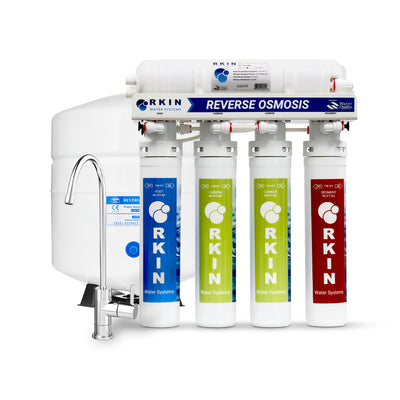
Reverse osmosis lowers TDS because it uses a membrane to reject many dissolved substances. Water molecules pass through the membrane more easily than many dissolved ions. The rejected material goes to drain as rinse water, and the filtered water moves to the storage tank or dispensing path.
That is why a TDS pen is often used as a quick RO check. If tap water reads high and RO water reads much lower, the membrane is probably doing something meaningful. If the RO reading suddenly rises far above its normal baseline, it may be time to check filter age, membrane condition, water pressure, or whether the system was just serviced.
But “low” is not the whole goal. Taste matters too. Some people like very low TDS water. Others think it tastes flat. That is where remineralization comes in.
Why Does Remineralized RO Water TDS Go Up?
Remineralization adds selected minerals back after RO filtration. Once those minerals dissolve, a TDS meter can detect them. The number goes up because the water now contains more dissolved ions than it did immediately after the membrane.
That is the point. Remineralization is often used to adjust taste and mouthfeel after RO. It does not mean the membrane stopped reducing the incoming dissolved material. It means the water was filtered first and then changed on purpose.
Think about sugar in tea. Once sugar dissolves, you cannot see the grains anymore, but the tea has changed. A meter will not tell you whether the dissolved material is calcium, magnesium, sodium, or something else unless you run a specific lab test. It only tells you there is dissolved material present.
This is why testing water at the wrong point can create confusion. If you test immediately after the RO membrane, you are measuring membrane output. If you test after a remineralization cartridge or alkaline stage, you are measuring the finished water after minerals were added back.
Those are two different points in the system. They should not have the same number.
What TDS Can and Cannot Tell You
A TDS meter can help you spot changes. It can show whether RO water is much lower than tap water. It can help you notice when a familiar system starts behaving differently. It is also fast and inexpensive.
What it cannot do is name specific water concerns. Lead can be a serious water concern at low levels, but a TDS meter is not a lead test. PFAS compounds can matter at tiny concentrations, but a TDS pen is not a PFAS test. Chlorine taste can be obvious to your nose, but many TDS meters will not explain that taste.
That is why a “zero” or near-zero reading should not be treated like a full report. It means low conductivity. It does not mean every possible water concern has been tested. EPA’s National Primary Drinking Water Regulations cover specific substances with specific limits. A handheld meter does not check that list.
The same logic works in reverse. A reading that goes up after remineralization does not automatically mean the water is worse. It may simply mean the finished water now has minerals added for taste.
What Is a Good TDS Reading After RO?
There is no single perfect TDS number for every home. Incoming water chemistry, membrane condition, temperature, pressure, storage design, and remineralization all affect the result.
Instead of chasing one number, create your own baseline:
- Test tap water from the same faucet.
- Test RO water before remineralization if your system allows it.
- Test finished water after remineralization.
- Write down the date, filter age, and reading.
- Retest the same way each month.
The pattern is more useful than the first number. If your finished remineralized RO water normally reads 35 and then suddenly reads 160 with no filter change or setting change, that is worth checking. If it reads 35 after reading 5 before remineralization, that may be exactly what the system is designed to do.
Temperature also matters. Many handheld meters are temperature-compensated, but not all. Let the water run long enough to avoid stagnant line water, use a clean glass, and rinse the probe with filtered water between tests.
Why Homeowners Misread TDS Pens
The most common mistake is testing once and treating the number as a verdict. Water is more dynamic than that. A cartridge can be new. A tank can be partly empty. A faucet can hold stagnant water. A remineralization stage can add more or less depending on contact time and flow.
The second mistake is comparing two different systems without knowing where the sample was taken. A countertop RO sample after remineralization should not be compared against an under-sink RO sample taken before an alkaline cartridge. That is not a fair test.
The third mistake is assuming higher TDS always means “more bad stuff.” Dissolved minerals count too. If a remineralization stage adds calcium or magnesium, a TDS meter sees those ions. It does not know whether you wanted them there.
The fourth mistake is ignoring taste. A very low TDS reading can taste flat to some people. If the water tastes better after remineralization and the system is maintained correctly, the higher number may be a feature, not a failure.
How to Check an RO System Without Guessing
Start with the product manual and filter schedule. A TDS number means more when you know whether the prefilters, post-filter, membrane, and remineralization stage are within their expected service life.
Next, test consistently. Use the same faucet, same container, same timing, and same point in the system. If the system has just been installed, flushed, or serviced, give it time to settle before treating one reading as final.
Then compare against your own baseline, not a stranger’s screenshot. Your tap water may be 90 while another homeowner’s water is 650. Their finished RO number does not tell you what yours should be.
Finally, use the right test for the right concern. If your concern is PFAS, lead, nitrate, arsenic, bacteria, or another specific issue, use the appropriate lab test or review your local water report. A TDS pen is not enough for those questions.
Which RKIN System Fits This Question?
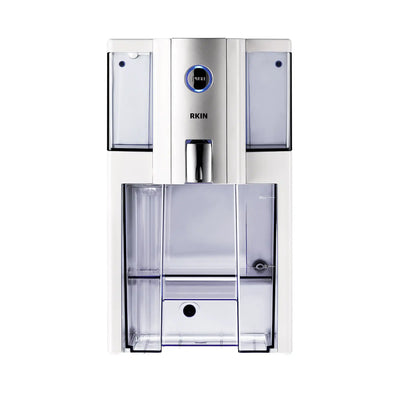
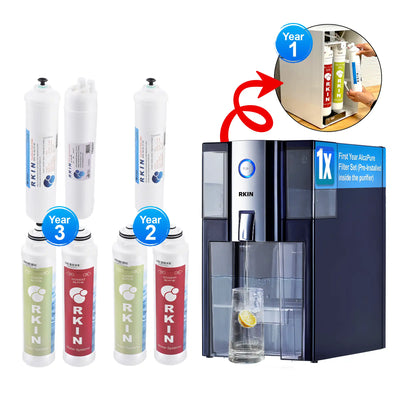
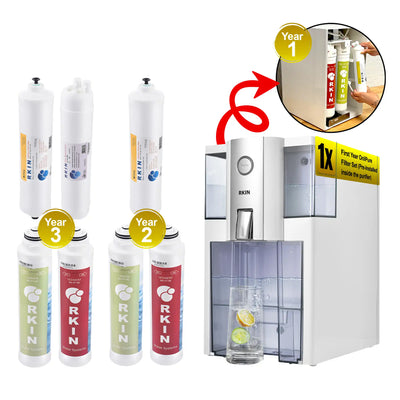
If your main concern is drinking water and you want broad RO filtration without a plumbing project, the RKIN Zero Installation Purifier Countertop Reverse Osmosis Water Filter is the clean default to compare. It is designed for countertop RO and is especially useful when you want filtered drinking water without modifying the sink cabinet.
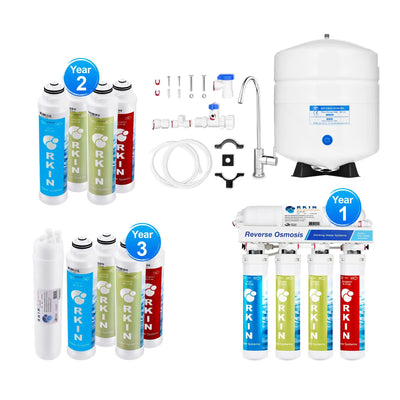
If counter space is tight and you like a compact fill-tank design, the RKIN U1 4-in-1 Water Filter System may fit better. It is a countertop system with a fill tank, not an under-sink unit.
There is no right or wrong way here. The decision is mainly about where you want the system to sit, how you want to fill it, and whether you want a countertop path instead of an under-sink install.
Me personally, I would not pick a system based only on the lowest TDS number. In my house, I would pick the system that matches the water issue, is easy enough to maintain, and gives me water I actually want to drink every day.
Frequently Asked Questions
Why is my remineralized RO water TDS higher?
Your remineralized RO water TDS is higher because minerals were added back after the RO membrane. A TDS meter reads those dissolved ions. The increase does not automatically mean the membrane failed. Test before and after remineralization if you want to separate membrane performance from finished-water taste.
Does higher TDS mean my RO filter is bad?
Not always. A sudden rise in RO water before remineralization can point toward membrane or maintenance issues. A higher reading after remineralization may be normal. Compare against your system’s baseline and test from the same point each time.
Can a TDS meter detect PFAS, lead, or chlorine?
No. A TDS meter does not identify specific water concerns. PFAS, lead, chlorine, nitrate, arsenic, and bacteria require different test methods or verified treatment claims. Use a TDS pen as a quick trend check, not a full water report.
What TDS should reverse osmosis water have?
There is no universal number. RO water is usually much lower than the incoming tap water, but the final reading depends on source water, membrane condition, temperature, pressure, and whether minerals are added back after filtration.
Should I choose the RO system with the lowest TDS?
Not by itself. Low TDS can be useful, but maintenance, product testing, filter availability, fit, and taste matter too. The better question is whether the system is designed for your actual concern and whether you will maintain it on schedule.
Ready to Make TDS Useful?
Use the TDS pen as a trend tool, not a verdict. Test tap water, test RO water, test finished water, and write down the pattern. If you want countertop RO without a sink-cabinet install, start with the RKIN Zero Installation Purifier Countertop Reverse Osmosis Water Filter.






0 comments