


how often to change reverse osmosis filters
Reverse Osmosis Filter Replacement: Homeowner Schedule

Most reverse osmosis problems start quietly. The water still looks clear, the faucet still runs, and nothing feels urgent. Then the flow slows down, the taste changes, or the system starts working harder than it should.
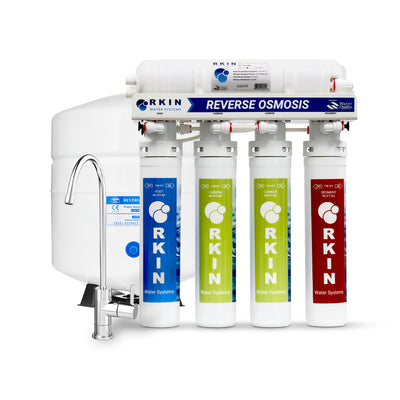
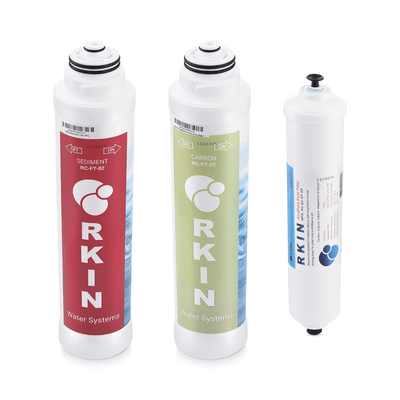
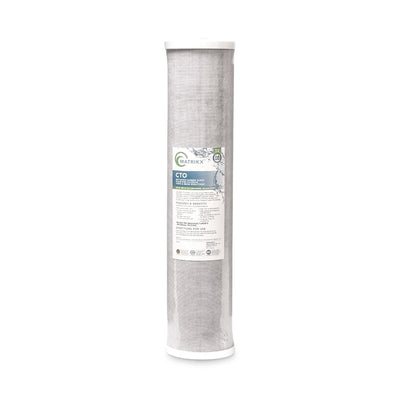
A replacement schedule prevents that. Reverse osmosis systems depend on several filter stages, and each stage protects the next one. Sediment filters catch grit before it reaches the carbon block. Carbon filters reduce chlorine or chloramine exposure before water reaches the RO membrane. The membrane does the fine separation work. Post-filters polish taste after storage.
If one stage is overdue, the whole system can suffer. EPA’s home drinking-water filtration fact sheet tells homeowners to choose treatment for their specific water concern and maintain the system according to the manufacturer’s instructions. That is especially true for RO systems.
How Often Should You Replace Reverse Osmosis Filters?
The practical answer: it depends on the system and your source water. A home with high sediment, high TDS, hardness, or heavy daily use may need service sooner than a home with cleaner municipal water and light use.
Still, most point-of-use RO systems follow a pattern:
| RO stage | Typical role | Common replacement timing |
|---|---|---|
| Sediment prefilter | Catches grit, sand, rust flakes, and visible particles | Often 6-12 months |
| Carbon prefilter | Reduces chlorine taste and odor, and helps protect the membrane | Often 6-12 months |
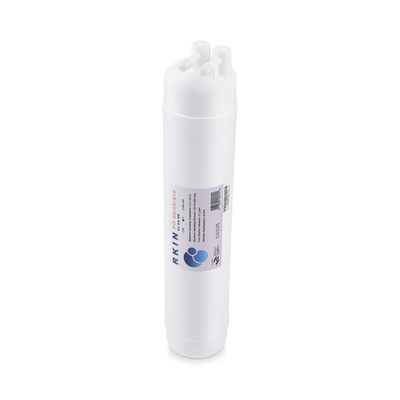
| RO membrane | Separates dissolved solids and many other unwanted dissolved substances | Often 12-24 months or longer, depending on system and water |
| Post-filter | Polishes taste after storage or final delivery | Often 6-12 months |
Those are general ranges. Your product manual and product page should win over any generic schedule. Replacement timing is not a guess; it is part of the system design.
Why Filter Timing Matters
Reverse osmosis works in a sequence. When a prefilter is fresh, it reduces the load on the membrane. When it is overdue, sediment and chemicals can reach stages that were not meant to take that full burden.
That can show up as slower flow, more drain water, weak taste, or a shorter membrane life. In some systems, an overdue filter can also cause the system to cycle more often or take longer to refill the storage area.
EPA’s home drinking-water filtration fact sheet tells consumers to choose a filter based on the contaminants they want to reduce and to maintain it according to the manufacturer’s instructions. Maintenance is part of performance, not an extra chore.
The easiest way to think about it is this: the membrane is the expensive worker. The prefilters are the bodyguards. Keep the bodyguards fresh so the membrane does not take unnecessary abuse.
How to Check the RKIN Schedule for Your System
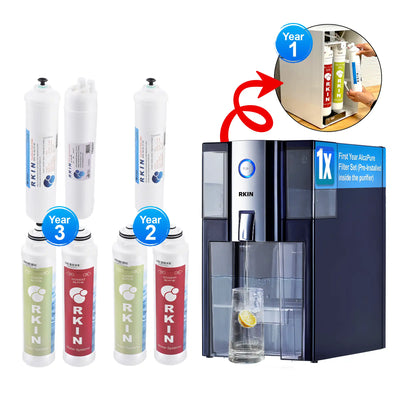
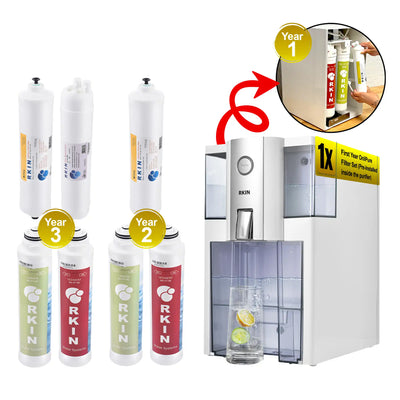
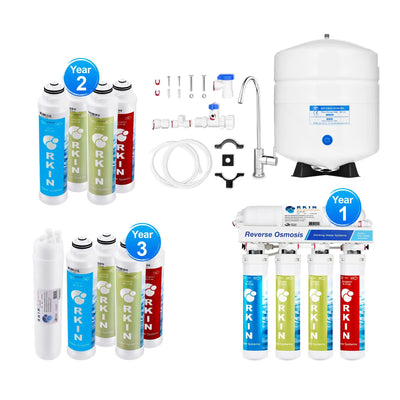
Use the filter-life indicator and current instructions for your exact model instead of applying one universal calendar to every RKIN system. The current RKIN U1 4-in-1 Water Filter System page says its optional two-year bundle includes two annual replacement cartridge kits, two PEM hydrogen modules, and one reverse osmosis membrane. The Zero Installation Purifier and Flash use different cartridge families, so confirm the part number and interval for your model before ordering.
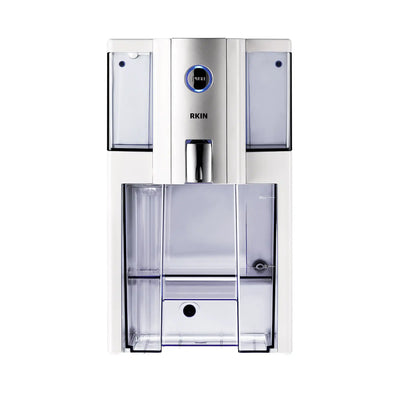
The key is not to mix filters between systems. The RKIN Zero Installation Purifier Countertop Reverse Osmosis Water Filter and the RKIN Flash Undersink RO System use some shared filter families, but the RKIN U1 4-in-1 Water Filter System uses a different cartridge family. Match the replacement filter to the exact system.
Signs Your RO Filters May Be Due
Calendar timing is the baseline. Your water can also give you clues.
Watch for these signs:
- Slower flow: The glass takes longer to fill, or the system takes longer to refill.
- Taste change: Water tastes flat, stale, chlorinated, or different from normal.
- Higher TDS reading: If you use a TDS meter, a rising reading can point to membrane age or a system issue.
- Cloudy ice or off-tasting drinks: Coffee, tea, and ice can reveal changes before plain water does.
- Filter-life alert: If your system tracks filter status, do not ignore the reminder.
- Recent water disruption: Hydrant flushing, pipe work, storms, or sediment events can load prefilters faster.
These signs do not prove one specific part has failed. They tell you it is time to check the manual, inspect the filter schedule, and replace the due stage first.
What Happens If You Wait Too Long?
An overdue filter does not always create an obvious emergency. That is why people postpone replacement. The downside is gradual: lower flow, worse taste, extra strain on the membrane, and less confidence that the system is working as designed.
The membrane deserves special attention. RO membranes are protected by prefilters. If sediment and chlorine reach the membrane for too long, it can reduce the membrane’s useful life. That is why changing low-cost prefilters on schedule is usually better than trying to squeeze extra months out of them.
There is also a practical household issue: when filters are overdue, people often drift back to bottled water. That costs more over time, creates extra plastic waste, and makes the filtration system less useful. A simple calendar reminder can keep the habit in place.
A Simple Replacement Routine
Make RO maintenance easy enough that you will actually do it.
Use this routine:
- Every month: Check taste, flow, and any filter-life display.
- Every 6 months: Review your prefilter schedule if you have heavy use, high sediment, or hard source water.
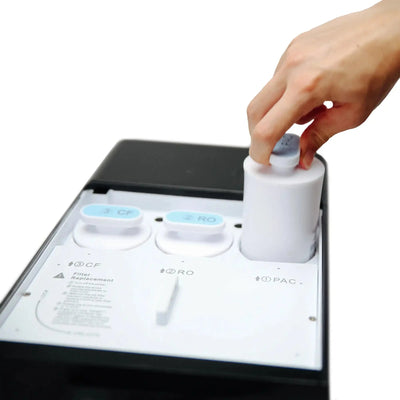
- Every 12 months: Replace annual prefilters and post-filters due on your specific RKIN system.
- Every 12-24 months: Check whether your system’s RO membrane is due based on the product schedule and performance.
- After water events: If your utility reports pipe work, hydrant flushing, or major discoloration, check prefilters sooner.
Write the install date on the filter box or keep a note in your phone. If the system has an app or display, still keep a backup reminder. The goal is not to obsess over maintenance. It is to make replacement automatic.
Choosing the Right Replacement Filter
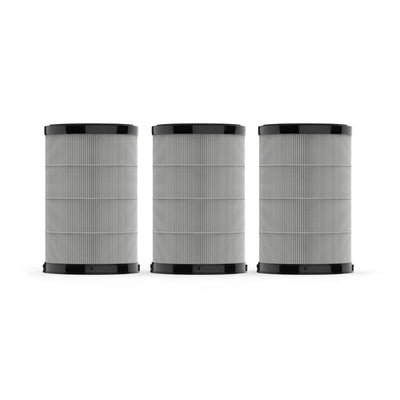
Do not buy replacements by shape alone. Two cartridges can look similar and still have different media, flow rates, seals, or compatibility.
Before ordering, confirm four things:
- The exact RKIN system name.
- The stage you are replacing.
- The filter model or replacement set listed for that system.
- Whether your water needs the standard filter or a special option, such as an anti-scale pre-filter for very hard water.
If you are not sure, check the product page or contact RKIN support before installing the wrong part. A filter that almost fits is not the same as a correct replacement.
Frequently Asked Questions
How often should I replace reverse osmosis filters?
Many prefilters and post-filters are replaced every 6-12 months, while RO membranes often run 12-24 months or more, depending on the system and water quality. Always follow your specific system schedule first.
How do I know when my RO membrane needs replacing?
Common signs include slower output, a higher TDS reading, a taste change, or a membrane interval that has reached the manufacturer’s schedule. A single symptom does not diagnose the membrane by itself, so check the full filter sequence.
Can I use generic RO filters in my RKIN system?
Use the replacement filters listed for your exact RKIN system. Generic filters may not fit correctly or match the media and flow design. EPA also tells homeowners to follow the manufacturer’s maintenance instructions for home treatment systems.
Do I replace all RO filters at the same time?
Not always. Prefilters, membranes, and post-filters can have different schedules. Some homeowners replace annual filters together for convenience, but the membrane usually follows its own timing.
Does hard water make RO filters wear out faster?
Hardness, sediment, high TDS, and heavy use can shorten filter life or reduce flow. If your home has very hard water, check whether your system has a recommended anti-scale option or whether pretreatment makes sense.
Ready to Keep Your RO System on Schedule?
Reverse osmosis filter replacement is not complicated when you follow the right schedule for your system. Match the cartridge to the exact RKIN model, set reminders, and replace overdue stages before taste or flow drops.
Start with the product page for your system: RKIN Zero Installation Purifier Countertop Reverse Osmosis Water Filter, RKIN U1 4-in-1 Water Filter System, or RKIN Flash Undersink RO System.






0 comments