




filtration
Spring Water Quality Guide: What Changes When the Season Turns

Most people notice spring by the flowers and the allergies. Water treatment engineers notice it by the runoff charts. The season that wakes up your lawn also wakes up a long list of variables that affect the water coming out of your tap — and if you're on a well, those changes hit harder and faster.
This guide breaks down what actually shifts in tap water quality each spring, why it happens, and what you can do about it.
Spring Water Quality Changes: The Big Picture
Water quality doesn't exist in a vacuum. It responds to weather, land use, temperature, and infrastructure conditions. Spring creates a predictable cluster of changes that most water systems deal with every year:
- Snow and ice melt across watersheds
- Increased rainfall and surface runoff
- Annual pipe flushing by utilities
- Agricultural activity kicking back up (fertilizers, pesticides)
- Temperature swings affecting microbial activity in source water
Each of these pushes water quality in a different direction. Your utility responds — but the response itself (more treatment, more flushing) shows up in what you taste and smell at the tap.
Pipe Flushing: The Most Direct Spring Impact
Between March and April, most municipal water systems run annual flushing programs. Crews open fire hydrants and flush main lines at high velocity to clear sediment, mineral deposits, and biofilm from inside the pipes. It's necessary maintenance for any aging water distribution network.
The side effect at your tap: a temporary spike in chlorine or chloramine levels as utilities ramp up disinfection to keep pace with higher flow rates. You might notice taste changes that come and go over days or weeks as the flushing program moves through different zones of your neighborhood.
Some systems also switch from chlorine to chloramine (or vice versa) seasonally. Chloramine is a combined form of chlorine and ammonia that persists longer in the distribution system. It has a slightly different taste profile — sometimes described as more "metallic" or "medicinal" than plain chlorine.
Snowmelt and Runoff: Turbidity and Contaminant Peaks
As snow melts, it carries everything from road salt and vehicle fluids to soil particles and agricultural residue into streams, rivers, and reservoirs. This creates two problems water systems deal with every spring:
Turbidity Spikes
Turbidity refers to cloudiness from suspended particles. Spring runoff dramatically increases turbidity in surface water sources. Most utilities use coagulants and additional filtration to handle it, but during heavy events, treatment capacity can be strained.
If your water looks slightly cloudy or "milky" in early spring, turbidity from runoff is often the cause. Water that looks clear can still carry elevated particulate loads that only show up in testing.
Agricultural and Road Chemical Runoff
Spring marks the start of fertilizer and pesticide application season. In agricultural areas, runoff from fields introduces nitrates, phosphates, herbicides, and other chemicals into groundwater and surface sources. Road deicers — particularly salt and chloride-based compounds — follow the same path as the snow melts.
Most of these don't make water taste obviously different, which is part of what makes them worth paying attention to.
Well Water in Spring: Higher Risk, More Variability
If you're on a private well, spring is your most vulnerable season. Unlike city water, well water isn't continuously treated or monitored by a utility. What gets into the aquifer is what you drink.
Spring-specific well water concerns include:
- Bacterial contamination — Surface water infiltration through soil can carry bacteria into shallow wells, especially after heavy rain
- Turbidity spikes — Increased groundwater flow stirs up sediment, causing cloudy or discolored water temporarily
- Nitrate increases — Fertilizer runoff in agricultural areas frequently shows up in well water testing in spring
- pH shifts — Runoff from acidic soils or decomposing organic matter can lower pH, making water more corrosive to plumbing
The CDC recommends annual well water testing, and spring — after snowmelt and before heavy summer use — is the right time to do it. Test at minimum for total coliform, nitrates, and pH.
pH Shifts in Spring Water
Water pH affects taste, corrosivity, and how other minerals behave. Spring runoff in areas with acidic soils or heavy organic matter can lower the pH of source water temporarily. Utilities adjust for this, but the adjustments take time.
Low-pH water has a slightly sour taste. More practically, it can corrode copper and lead from older plumbing fixtures, releasing those metals into your water supply. If you have older pipes and notice spring taste changes, this is worth checking.
Water Hardness Changes in Spring
Water hardness — driven by calcium and magnesium content — can fluctuate seasonally. Spring snowmelt dilutes groundwater with softer surface water, temporarily reducing hardness in some systems. In others, increased dissolution of minerals in warmer water raises hardness readings.
If you notice more soap lather in spring, or conversely, more scale in your kettle, seasonal hardness changes are likely in play.
What You Can Actually Do About Spring Water Quality
The right filtration strategy depends on whether you're on city water or a well. Here's what works for both:
For City Water: Point-of-Use Filtration for Seasonal Spikes
You can't control what your utility does upstream, but you can control what comes out of your tap. A point-of-use system with activated carbon and reverse osmosis addresses the most common spring complaints: chlorine taste, chloramine taste, and any dissolved chemical carryover from runoff.
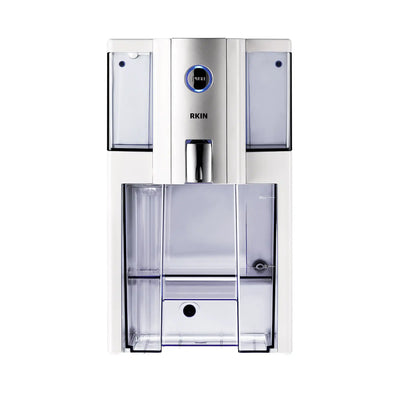
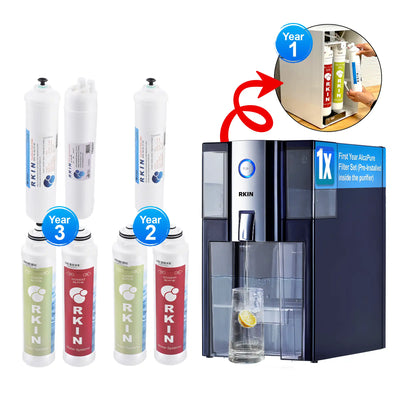
The Zero Installation Purifier from RKIN handles exactly this. It sits on the counter and connects to any standard faucet, running water through multi-stage reverse osmosis filtration. No under-sink installation. No plumbing changes — just plug into a standard outlet. You get filtered water immediately, which is useful when you want results before spring flushing season is over.
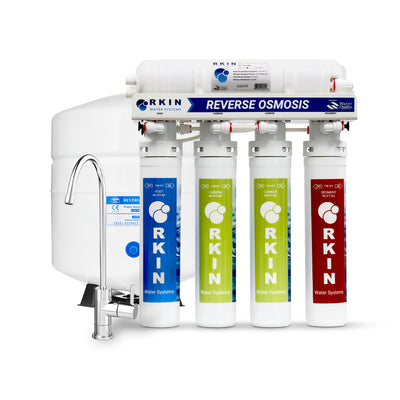
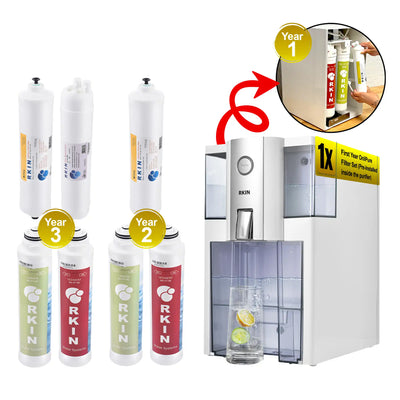
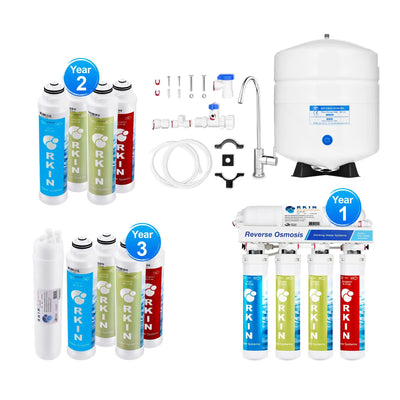
For a countertop option with more features, the U1 4-in-1 Water Filter System delivers five-stage filtration including RO, UV, and hot/cold dispensing — no installation required. If you prefer an under-sink setup, the Flash Undersink RO System offers a compact dedicated-faucet option. Both handle spring chlorine surges and dissolved contaminants without any seasonal adjustments.
For Well Water: Whole-House Treatment Plus Point-of-Use
If you're on a well, surface-level filtration alone won't cover spring's bacterial and turbidity risks. You need treatment at the point the water enters your home.
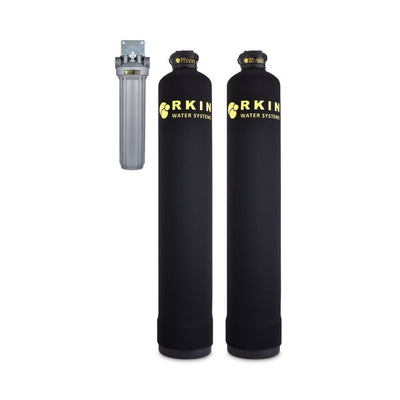
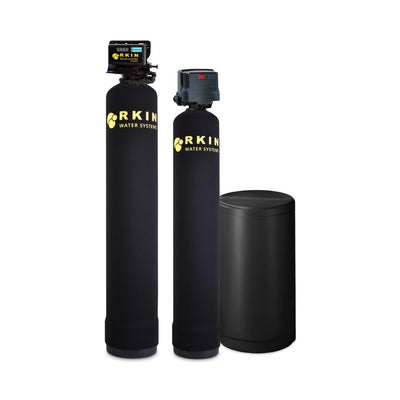
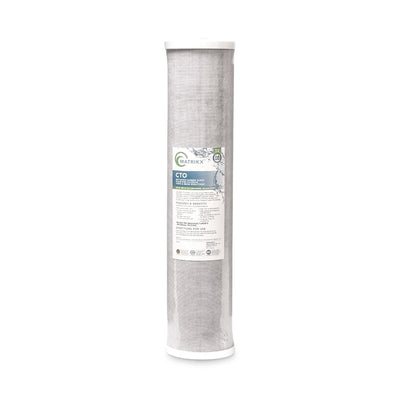
The CBS Dual Carbon Whole House Filter removes chlorine, chloramines, and VOCs across every tap in your home. For spring hardness and mineral variability, the OnliSoft Pro combines salt-free conditioning with carbon filtration in one system — handling both scale prevention and chemical taste house-wide.
For well-specific contaminants like iron, sulfur, and manganese that spike during spring runoff, the RKIN Well Water Filter is purpose-built for these challenges.
Spring Checklist: What to Do for Your Water Right Now
- Check your utility's flushing schedule — search your city's name plus "pipe flushing" to find annual event calendars
- Test well water — schedule testing for coliform, nitrates, and pH after snowmelt
- Inspect whole-house filters — replace sediment pre-filters before spring turbidity spikes hit them
- Run cold water for 30 seconds before drinking if you haven't used the tap in hours — clears standing water in pipes
- Evaluate your current filter — if you don't have one, spring is the reminder that you need one
How Long Do Spring Water Quality Issues Typically Last?
Flushing-related taste changes usually resolve within 1-2 weeks. Turbidity from snowmelt spikes early (late February to March) and normalizes as soils absorb water and runoff slows. Nitrate increases from spring agricultural activity can persist through May in heavy farming regions.
If water quality issues extend past late spring or worsen through summer, that usually points to infrastructure problems or source water issues that go beyond seasonal norms. Contact your utility for recent test results, which public systems are legally required to provide.
Frequently Asked Questions
Why does tap water quality change in spring?
Several factors converge in spring: municipalities flush pipes to clear winter sediment buildup, snowmelt and rainfall increase runoff into reservoirs, agricultural activity adds nitrates and chemicals to groundwater, and warmer temperatures affect how disinfectants behave in distribution systems. Together these create temporary changes in taste, smell, and chemical composition.
Does spring runoff affect tap water quality for city residents?
Yes. Surface water sources — reservoirs, rivers, lakes — receive higher sediment and chemical loads from spring runoff. Water utilities respond with increased treatment, including higher coagulant and disinfectant doses. This can cause temporary taste and smell changes in city tap water, particularly in areas relying on surface water sources.
Is spring the best time to test well water?
Yes. Spring testing — after snowmelt and before summer drawdown begins — catches the effects of surface infiltration and agricultural runoff while they're most active. At minimum, test for total coliform bacteria, nitrates, and pH. The CDC recommends annual well water testing, and spring is the ideal time.
What is water turbidity and why does it spike in spring?
Turbidity measures how many suspended particles are in water. Spring snowmelt carries soil, sediment, and organic matter into water sources, causing cloudiness or discoloration. Water utilities treat for turbidity, but spikes in source water can temporarily affect treated tap water as well, particularly during heavy rain or rapid snowmelt events.
Can a whole-house filter handle spring water quality changes?
A whole-house carbon filter effectively reduces chlorine, chloramine, and many chemical byproducts across all taps in your home. For well water with bacterial or turbidity concerns, a sediment pre-filter should be added before the carbon stage. For drinking water specifically, a point-of-use reverse osmosis system adds a deeper layer of filtration beyond what whole-house carbon provides.
Why does water hardness change between seasons?
Snowmelt adds large volumes of soft surface water to groundwater supplies, temporarily diluting hardness minerals. Warmer temperatures also affect mineral dissolution rates. The result is that water hardness can shift noticeably in spring — sometimes lower, sometimes higher depending on your specific aquifer and source mix.
Spring water quality changes are predictable. So is the solution. Whether you're managing city water chlorine spikes or well water turbidity from snowmelt, having the right filtration in place before the season peaks is the move that pays off every year.
Explore RKIN's full filtration lineup — including the Zero Installation Purifier, U1, Flash, OnliSoft Pro, and CBS Carbon Filter — with current pricing at rkin.com.




0 comments