




flooded well water
Flooded Well Water: What to Do Before You Drink It

Flooded well water is not something to taste-test. If floodwater reached your well cap, casing, pump, or the ground around the well, treat the well as contaminated until it has been inspected, disinfected, flushed, and tested.
That sounds like a lot, but the order matters. A filter can be part of the long-term plan. It is not the first move after a flood. First you protect the well, then you confirm what is in the water, then you choose equipment based on the results.
Why flooded well water is different from normal well water
Private wells are usually simple: groundwater comes up through the well, moves through the plumbing, and reaches the house. The owner is responsible for testing and maintenance. There is no city utility checking the water every day.
A flood changes the setup. Surface water can carry sediment, fertilizer runoff, sewage, fuel residue, pesticides, animal waste, and bacteria into places they do not belong. If that water reaches the well opening or damaged casing, it can bypass the natural soil layers that normally help protect groundwater.
The EPA updated its private-well flood guidance in October 2024 and tells owners to focus on three things after floodwater reaches a well: inspection, emergency disinfection, and sampling/testing. See the EPA guidance here: What to Do With Your Private Well After a Flood.
The short version: do not assume clear water is safe. Clear water can still have bacteria or chemicals. Brown water can be a sediment issue, a well damage issue, or a sign that floodwater disturbed the aquifer around the well. The eye test is useful for noticing a problem, not for clearing the water.
Step 1: Stop using the well until the system is checked
If floodwater covered the wellhead, reached the pump, or entered the electrical components, stop using the well for drinking, cooking, brushing teeth, ice, pets, and food prep until you have a safe temporary source.
Use bottled water, a confirmed safe public supply, or water handled according to your local emergency instructions. The EPA's emergency disinfection page says local authorities may recommend bottled, boiled, or disinfected water after hurricanes, floods, or pipe breaks. That EPA page is here: Emergency Disinfection of Drinking Water.
If the well has electrical damage, do not try to turn the pump on. Water and electricity are a bad mix. Call a qualified well contractor or electrician before touching the system.
If the well cap is missing, cracked, loose, underwater, or packed with debris, treat the well as open to contamination. The same is true if the casing looks bent, cracked, or separated from the ground seal.
Step 2: Inspect before you disinfect
This is where homeowners often skip a step. They pour disinfectant into the well, flush it, and hope that fixes the problem. Sometimes it helps. Sometimes it hides a bigger issue.
Inspect first. The reason is simple: if floodwater entered through a broken cap, cracked casing, bad seal, or damaged vent, disinfection is temporary. The next heavy rain can bring the same problem back.
A basic post-flood inspection should look at:
- The well cap: tight, intact, and above standing water.
- The casing: no cracks, openings, or visible shifting.
- The ground around the well: sloped away from the casing, not washed out.
- Electrical parts: dry, intact, and checked before power is restored.
- Pressure tank and plumbing: no flood damage, leaks, or backflow concerns.
If the well was submerged, the safest route is to have a licensed well professional inspect it. That is not overkill. A private well is both a water source and a mechanical system. If the mechanical side is compromised, downstream filtration does not solve the root problem.
Step 3: Disinfect the well, then flush it fully
After inspection and repair, the well usually needs emergency disinfection. Follow your state health department or county extension instructions, because dosage and contact time depend on the well depth, casing diameter, and plumbing setup.
Do not guess with household chemicals. Do not mix disinfectants. Do not run highly chlorinated water through every device in the house without checking equipment instructions first. Some appliances and filter media can be damaged by strong disinfectant levels.
After the disinfectant contact period, the well and plumbing need to be flushed until the disinfectant odor is gone. That can take time. Flush to an outdoor area where chlorinated water will not damage plants, septic systems, ponds, or drainage areas.
One important note: boiling water is not the same as fixing the well. Boiling may be part of an emergency instruction for microbial concerns, but it does not remove sediment, fuel residue, pesticides, or many dissolved contaminants. If a flood reached the well, the well itself still needs inspection, disinfection, and testing.
Step 4: Test the water after flushing
Testing is the step that tells you whether the well is back to normal. At minimum, most post-flood guidance starts with total coliform and E. coli bacteria testing. Depending on your location and what the floodwater may have contacted, you may also need nitrate, metals, VOCs, fuel-related compounds, pesticides, or other local contaminants.
Call the county health department or a state-certified lab and explain that your private well was exposed to floodwater. Ask what the local post-flood panel should include. A lab that understands local groundwater is worth more than a generic test kit.
Retest if symptoms return: cloudy water, sudden odor, sediment, pressure changes, or bacteria positives. Also retest after major repairs, after a new well cap, or after another heavy flooding event.
If your test comes back positive for bacteria, follow the lab and health department instructions before using the water. You may need another disinfection cycle, well repair, or both.
What a filter can and cannot do after a flood
A filter should match the test result. That is the point most homeowners miss.
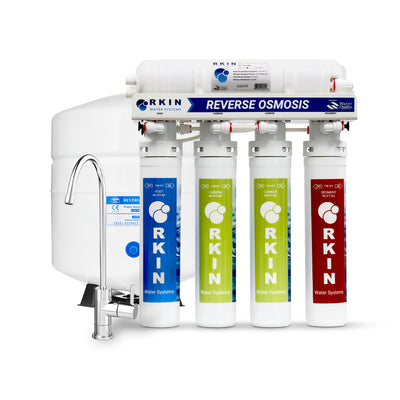
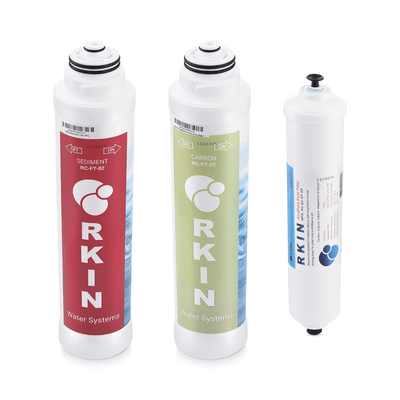
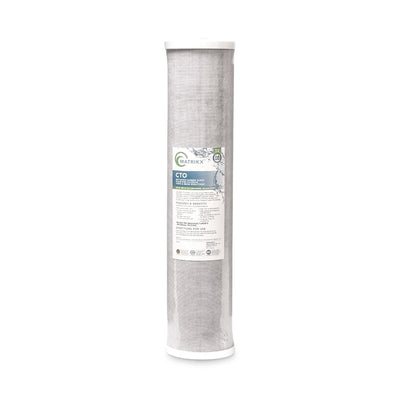
A sediment filter can catch sand, silt, and visible particles. A carbon filter can improve taste and reduce certain chemicals, depending on the contaminant and filter design. A well-water system can target iron, sulfur odor, and manganese. Reverse osmosis can be a strong choice for drinking-water contaminants such as dissolved solids and certain regulated contaminants.
But no single filter is a magic flood cleanup tool. If floodwater entered through a damaged well cap or casing, the source problem needs repair first. If bacteria are present, you need the right disinfection or microbiological control plan. If fuel or pesticides are a concern, you need lab results before selecting equipment.
Think of the filter like the last step in a diagnosis, not the first. The test tells you what you need to address. The system should be picked from that list.
When a whole-house well system makes sense
A whole-house well system makes sense when the issue is persistent, measurable, and coming from the well water itself after the flood recovery is complete.
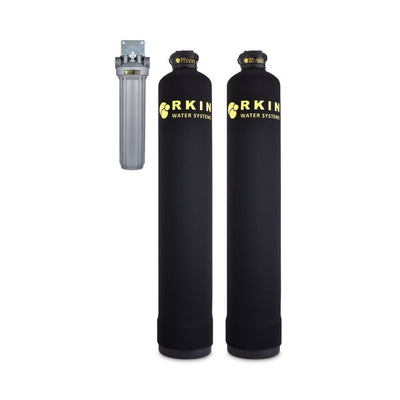
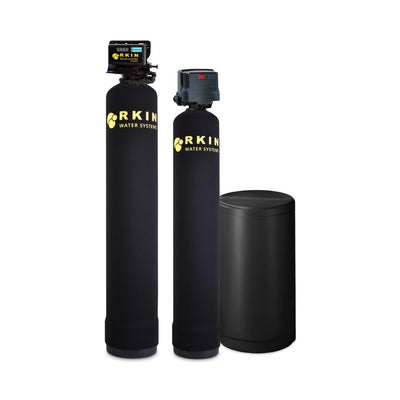
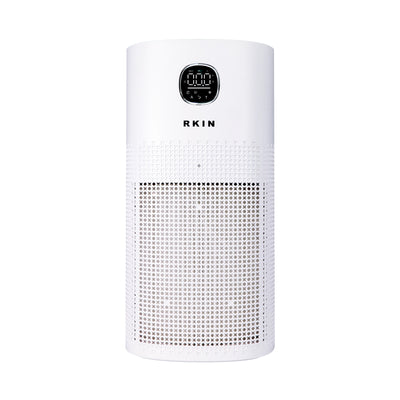
For example, if your lab results and daily use point to iron staining, sulfur odor, or manganese, the RKIN Well Water Whole House Filter is designed for those well-water problems. It is not a substitute for post-flood bacteria testing, and it is not the first step after a submerged well. It is a long-term filtration option once the well is structurally sound and the water has been tested.
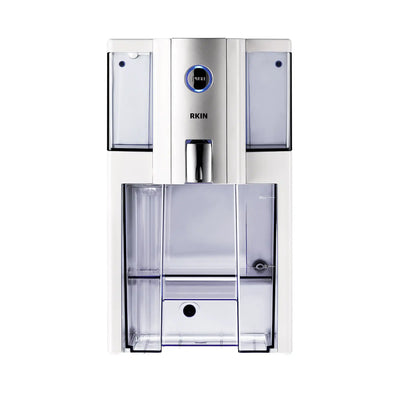
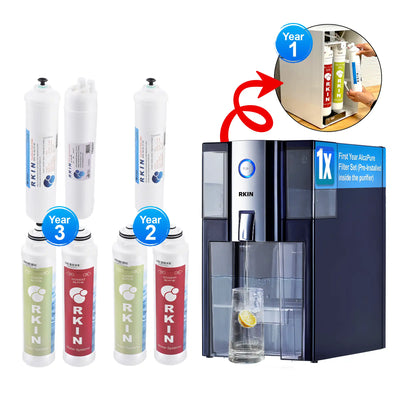
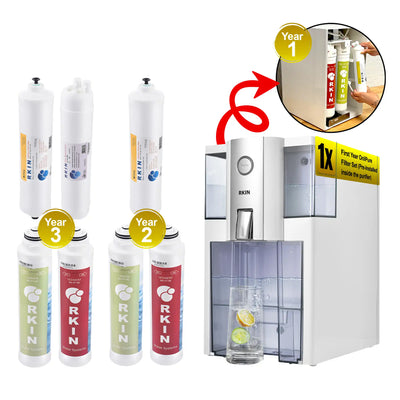
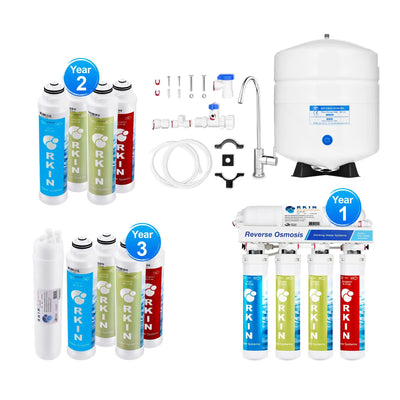
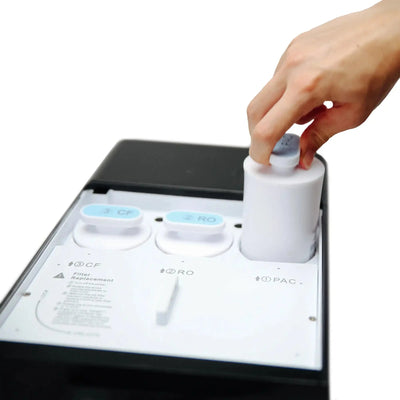
If the main issue is drinking water at the tap, a point-of-use reverse osmosis system may fit better. The RKIN U1 4-in-1 Water Filter System is a countertop RO option for drinking water, while a whole-house system handles water before it reaches fixtures.
There is no right way or wrong way here. It depends on the test. In my house, I would not pick equipment until I knew whether the problem was bacteria, iron, sediment, sulfur, nitrate, or something else. The reason is simple: each one points to a different fix.
How to reduce risk before the next storm
Flood recovery is reactive. Storm prep is where you reduce the chance of repeating the same problem.
Before hurricane season or heavy-rain months, look at the physical well area:
- Make sure the well cap is tight and sanitary.
- Keep chemicals, fuel, fertilizer, and pesticides away from the wellhead.
- Slope soil away from the casing where possible.
- Do not bury, mulch, or plant over the well cap.
- Keep the wellhead visible so it can be inspected fast after a storm.
- Store your lab contact and well contractor number where you can find them without power.
If your well sits in a low area that floods often, talk to a well contractor about whether the casing height, cap, or drainage around the well should be improved. A filter works on water after it enters the system. Good well construction reduces what gets in.
Frequently Asked Questions
Can I drink well water after a flood if it looks clear?
No. Clear water can still contain bacteria or chemicals after floodwater reaches a well. Use a safe temporary water source until the well is inspected, disinfected if needed, flushed, and tested by a certified lab or local health department process.
Does boiling flooded well water make it safe?
Boiling may be recommended by local authorities for certain microbial concerns, but it does not fix a flooded well. It also does not remove many chemicals, fuels, pesticides, or dissolved contaminants. Follow local emergency guidance and test the well before returning to normal use.
What should I test for after my well floods?
Start with total coliform and E. coli bacteria, then ask your local health department or certified lab what else fits your area. Depending on the flood source, you may need nitrate, metals, fuel-related compounds, pesticides, or other local contaminants.
Will a whole-house filter fix flooded well water?
Not by itself. A whole-house filter can help with specific long-term well-water problems once the well is repaired and tested. It should not replace inspection, disinfection, or bacteria testing after a flood.
When should I call a well professional?
Call a well professional if floodwater covered the well, the cap or casing looks damaged, the pump or electrical parts were underwater, water pressure changed suddenly, or test results come back positive after disinfection.
Ready to Get Your Well Water Under Control?
If your post-flood test points to iron, sulfur odor, or manganese, the RKIN Well Water Whole House Filter is built for those well-water problems after the well itself is cleared.
Start with inspection and testing. Then choose the system that matches the result.





0 comments