


does reverse osmosis remove lithium
UCMR 5 Lithium Result: How to Read It

Lithium may appear in a utility's UCMR 5 information even though the table does not look like a standard compliance result. UCMR data is used to gather occurrence information for contaminants that do not yet have a federal drinking-water limit.
The useful next step is to interpret the row correctly: confirm the unit, sample point, reporting threshold, date range, and whether the value is a detection, average, or maximum. Only then should you ask what additional information or treatment evidence is relevant.
Why UCMR 5 Results Use Different Context
The EPA’s Fifth Unregulated Contaminant Monitoring Rule, usually shortened to UCMR 5, required certain public water systems to monitor for 30 contaminants between 2023 and 2025. That list included 29 PFAS compounds and lithium.
UCMR monitoring is not the same as saying a contaminant is already federally regulated. It is a national data-gathering program under the Safe Drinking Water Act. The EPA uses it to understand where unregulated contaminants occur, at what levels, and whether future rulemaking or guidance may be needed.
Lithium made the list because it is on the EPA’s Fifth Contaminant Candidate List. The agency notes lithium has commercial uses in pharmaceuticals, industrial chemicals, pool and hot tub sanitizers, and batteries. It can also occur naturally in geology. That mix is exactly why a local water result should be read in context instead of treated as a yes-or-no panic signal.
For homeowners, the practical takeaway is simple: your water utility, Consumer Confidence Report, and UCMR 5 data may now mention lithium in a way older reports did not.
That is why this topic belongs in a report-first workflow. Lithium is not a stain on the sink, a chlorine smell, or white scale on a faucet. It is a lab-result item. If it appears in your local data, the smart response is to document the number, confirm the source, and then choose treatment only after the target is clear.
Identify the Sample, Unit, and Reporting Threshold
Start with your actual water data. If you are on city water, search your utility name plus “water quality report” or “Consumer Confidence Report.” If the report references UCMR 5, look for lithium and PFAS in the unregulated contaminant section.
If you use a private well, UCMR 5 usually will not tell you what is in your individual well. Private wells are the homeowner’s responsibility, so the better path is a certified lab test. Ask the lab for a panel that matches your concern, not a generic “basic water test” that only covers hardness, pH, iron, and bacteria.
When you read a lab report, pay attention to three things:
- Units: Lithium may be reported in micrograms per liter or parts per billion. Do not compare numbers unless the units match.
- Sampling point: A utility sample may represent an entry point or distribution point, not necessarily the exact faucet in your kitchen.
- Detection language: “Detected” does not automatically mean “above a health-based benchmark.” It means the lab found the compound above its reporting level.
The EPA’s UCMR 5 Data Finder can help public-water customers search available results. Use it as a starting point, then confirm with your utility if you need property-specific guidance.
Keep a copy of the report before you call anyone. A good water-treatment conversation needs the raw result, the date, the unit of measure, and whether the sample came from finished water, distribution water, or your own tap. Without that detail, the conversation turns into guesswork.
Do Not Assume a Common Pitcher Addresses Lithium
Lithium is not a taste-and-odor issue. That matters because many common household fixes are built for taste, odor, chlorine, or sediment, not dissolved ions.
Boiling is the biggest misunderstanding. The EPA’s technical fact sheet for lithium in drinking water says lithium cannot be removed by heating, boiling, or disinfecting water. In plain English: a kettle, pot, or UV light is not a lithium treatment plan.
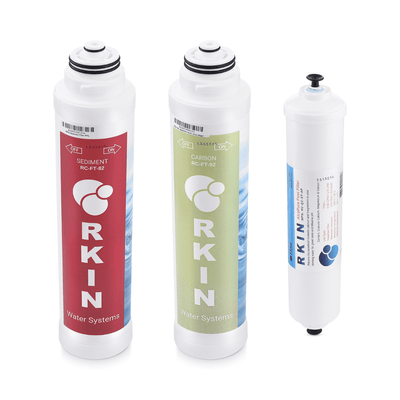
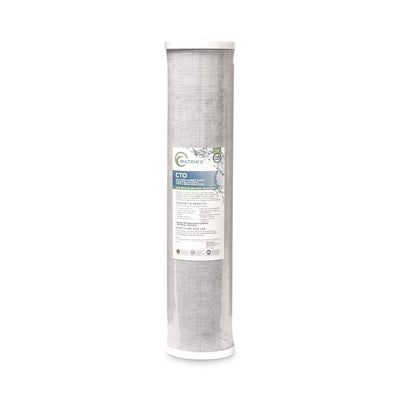
A basic carbon pitcher may improve taste, but that does not mean it is certified for lithium. The same caution applies to refrigerator filters, faucet filters, and generic inline cartridges. A filter label that says “great tasting water” or “chlorine reduction” is not a lithium claim.
This is where homeowners get misled. They buy a filter because the box sounds broad, then later discover the certification was for chlorine taste and odor, not the contaminant that triggered the concern.
The right question is not “does this filter improve water?” The right question is “does this exact system have third-party support for the exact contaminant I am trying to reduce?”
Also watch for vague phrases like “advanced filtration,” “premium carbon,” or “multi-stage purification.” Those phrases may describe a design, but they are not the same as a contaminant-specific performance claim. The claim should be tied to the exact model, not just the product family.
Which Treatment Processes Merit Evidence Review
EPA’s lithium fact sheet says certain drinking-water treatment approaches can reduce exposure, and that available literature, largely bench- and pilot-scale, suggests ion exchange is effective for lithium removal. The agency also notes some adsorption media may be effective and that treatment literature is still being reviewed.
That wording is careful for a reason. Lithium treatment is not as simple for homeowners as common sediment, chlorine, or hardness issues. A system that handles one dissolved contaminant may not handle another. Performance can depend on competing minerals, water chemistry, flow rate, filter size, and maintenance.
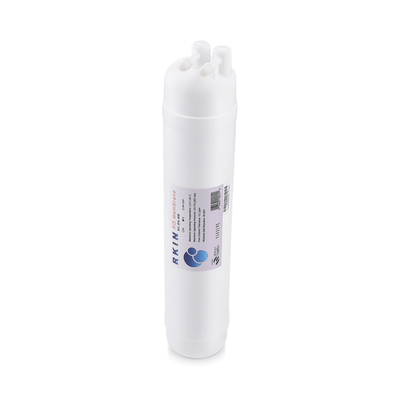
Reverse osmosis is often searched in the same breath as lithium because RO can reduce many dissolved substances. Still, if lithium is your main concern, do not rely on a generic RO assumption. Ask for performance data, third-party testing, or a professional water-treatment recommendation tied to your test result.
For broader drinking-water concerns, RO remains one of the most useful point-of-use categories to understand. The EPA’s point-of-use reverse osmosis guidance explains why some households use RO at the tap when they want extra treatment for drinking and cooking water.
Match the Drinking-Water Setup to a Verified Need
A good water plan starts with the contaminant list, then chooses the smallest system that solves that list. Do not start with the biggest piece of equipment.
That mindset saves homeowners from two common mistakes: under-treating because a basic taste filter sounds good enough, or over-treating the whole house when the main concern is drinking and cooking water. Testing keeps the decision grounded.
Use this decision path:
- If lithium is the only flagged concern: Get a lab report and ask specifically about treatment options supported for lithium.
- If lithium appears alongside PFAS: Treat it as two separate questions. PFAS and lithium do not always point to the same best filter media.
- If taste, odor, TDS, PFAS, lead, or arsenic are also concerns: A point-of-use RO system may be part of the drinking-water plan, but verify each claim.
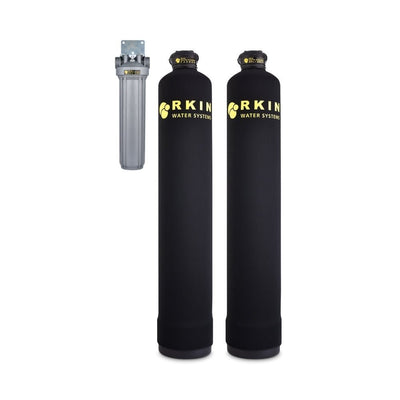
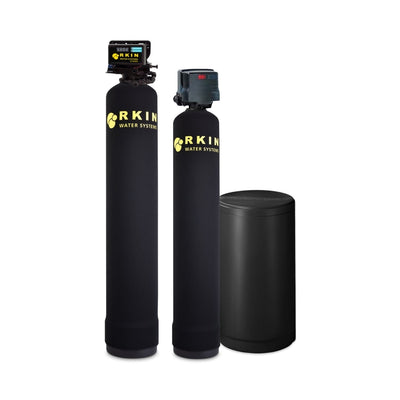
- If the issue affects every tap: Consider a whole-house evaluation, especially for sediment, iron, hardness, or well-water chemistry.
This is also why a kitchen filter can be smarter than whole-house treatment for some contaminant concerns. Drinking and cooking water are the exposure points most homeowners are trying to address. Treating those gallons precisely can make more sense than treating every gallon used for showers, laundry, and irrigation.
How RKIN Fits the Comparison
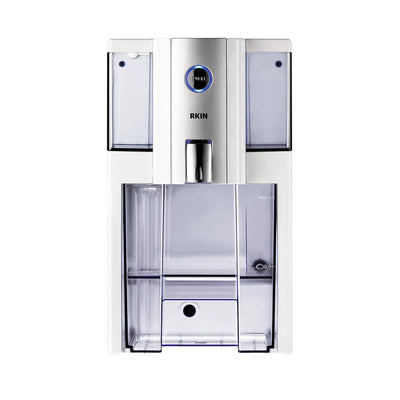
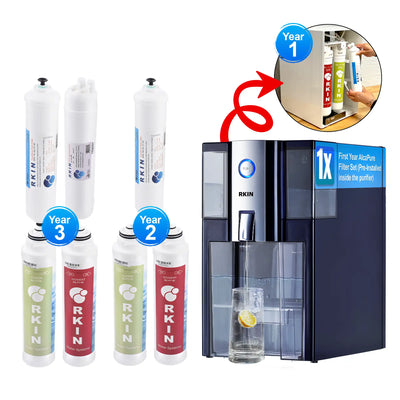
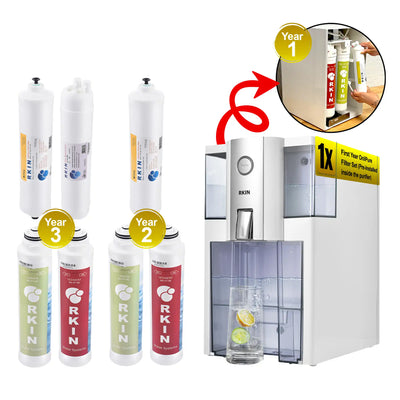
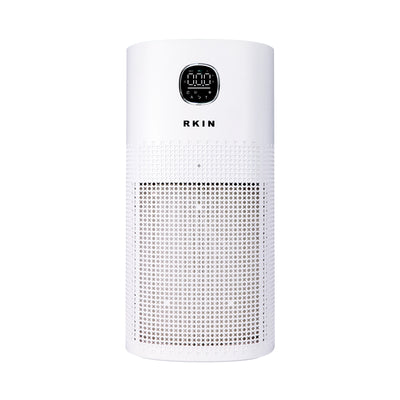
If your main goal is point-of-use drinking water treatment for a mix of common tap-water concerns, the RKIN U1 4-in-1 Water Filter System is built for countertop use with no plumbing. It combines reverse osmosis with UV and post-filtration in a compact design for homes, apartments, and kitchens where drilling is not practical.
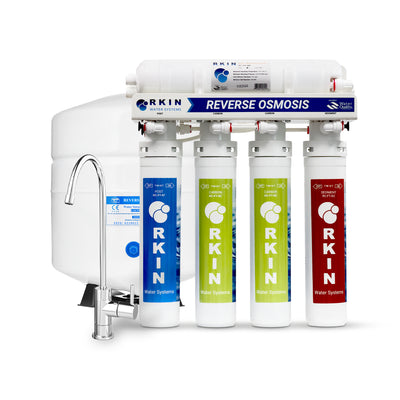
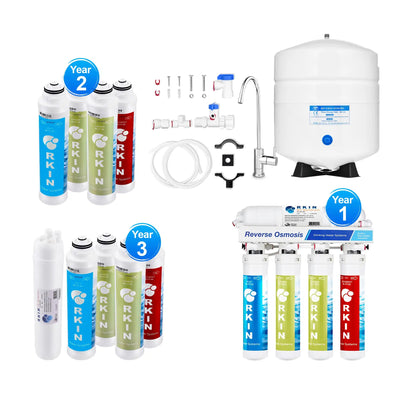
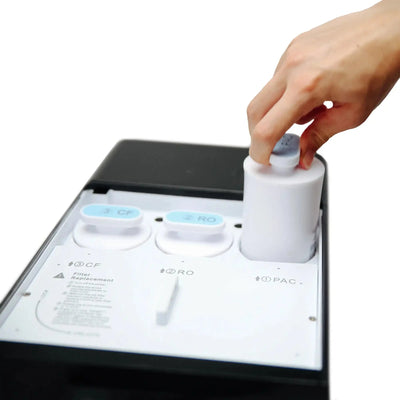
For a plumbed kitchen setup, the RKIN Flash Undersink RO System is an under-sink RO option with a 3.2-gallon storage tank. It fits homes where you want filtered water at the sink without a countertop appliance.
Neither choice should be treated as a shortcut around testing. If lithium is specifically listed on your report, confirm the treatment claim you need before buying any system. If your water report points to a broader mix of concerns, RKIN can help you compare point-of-use and whole-house options without overbuying.
Create a Clean Reading of the Lithium Row
Copy the lithium result exactly as reported and keep its unit attached. Note whether it came from an entry point, distribution point, or another sampling location.
Because there is no federal MCL for lithium in drinking water, avoid inventing a pass/fail conclusion from the number. Use the utility's explanation and official agency context.
- Record the result, unit, date, and sample location.
- Find the minimum reporting level or laboratory qualifier.
- Distinguish a detection from an average or maximum.
- Ask the utility whether results vary across service areas.
- Require substance-specific evidence before comparing treatment.
For a private well, use a qualified laboratory and discuss sampling design before treating one result as representative of the whole property.
Frequently Asked Questions
Is lithium regulated by a federal drinking-water MCL?
No federal MCL currently applies to lithium. UCMR 5 collects occurrence data to support future evaluation.
Why is lithium listed in my utility report?
A utility may publish UCMR monitoring results or related notices even when the contaminant is not part of the standard regulated-contaminant table.
What unit is commonly used for a lithium result?
Reports may use micrograms per liter or parts per billion. Keep the unit with the number and confirm the report's definitions.
Does activated carbon remove lithium?
Do not assume a generic carbon filter addresses dissolved lithium. Look for substance-specific evidence for the exact system.
What should I ask my water utility?
Ask where and when the sample was collected, whether results varied, what reporting threshold applied, and where official context is published.
Move From the Report to a Specific Evidence Question
If you decide to compare reverse-osmosis systems, review the current specifications and verified claims for the exact model. RKIN can help compare countertop and under-sink formats without turning an unregulated-contaminant result into an unsupported safety promise.






0 comments